

 Vaata sisu
 Jaga teost
 Jaga
Jaga
 Detailid
 Õppekate juhend

 Laadi alla
 Sarnased teosed
 Röntgenuuring
 Slaidietendus
 Statistika
Ecce Homo (Christ and the Critics)

 Loe lähemalt
Giclée / Kunstiprint
Muuseumikvaliteediga giclée- või kangasprint kiire tootmisega ja paindlikud viimistlusvõimalused. ( Telli käsitsi maalitud reproduktsioon Ülemineku digitaalse pildi müügi kanalisse)




P118B €10

P118H €10

P118W €10

P438Z €10

P508JH €12

P508YH €12

P805H €10

P805Z €10

P919BZ €10

P919G €10

P919XJ €10

P959ZH €10

P968JZ €12

W106C €8

W218G €10

W218JH €8

W218Y €10

W307PJ €10

W316G €10

W316PJ €8

W316Y €10

W398PJ €8

W4111J €10

W500HY €15

W500JH €15

W692G €12

W849H €8

W940BG €15

W953PJ €8




Vali meie eelmääratud suurused, mis vastavad teose algupärastele proportsioonidele.

Sisestage vajalik laius ja kõrgus, et see sobiks teie raamile või seinale. Trükki saab ainult lõigata, seda ei saa kunagi pildist suuremaks teha, seega ka differentse vormiga suurus kaotab osa pildist. Enne trükkimist saadame teile kinnitamiseks digitaalse näidisprojektsiooni. Sellel lehel näidatud pilt ei kujuta reaalset lõiget — seda näitab ainult näidisprojekttsioon.
Ülemaailmne tarne () 2 nädala jooksul, tavalise 4/5 nädala asemel. (22 oktoober)

Tasuta ekspresssaatmine üle maailma

Kõrgekvaliteediline lina-kangastest muld

Täielik transpordikindlustus

Tollimaksude tagastamise garantii

Värvitoime täpsuse garantii

100 päeva tagastusõigus (ainult defektide korral)

100% raha tagasi garantii

Hulgusoodustus
 Klaasivalik on saadaval ainult kuni 110 cm suuruses teostes

Ecce Homo (Christ and the Critics)
Giclée / Kunstiprint
Reproduktsiooni mõõtmed
-


Lõppsumma
€ 70
A Confrontation of Faith and Critique: Unveiling James Ensor’s *Ecce Homo (Christ and the Critics)*
James Ensor, a pivotal figure bridging 19th-century Symbolism and early 20th-century Expressionism, delivers a powerfully unsettling statement in *Ecce Homo (Christ and the Critics)*. This work isn't merely a painting; it’s a visceral exploration of judgment, societal hypocrisy, and the enduring struggle between faith and skepticism. Born from a period of intense personal turmoil and social upheaval, Ensor’s masterpiece continues to resonate with contemporary audiences, prompting reflection on our own tendencies toward scrutiny and condemnation.Subject Matter & Narrative
The painting presents a starkly intimate scene featuring three male figures. A central figure, draped in what appears to be classical attire and adorned with a laurel wreath – symbols traditionally associated with victory or sanctity – holds a single red rose. He is the focal point of intense scrutiny from two onlookers. One observer sports modern spectacles and a mustache, grounding the timeless narrative within a contemporary context. The composition immediately establishes a dynamic tension: one figure presented, seemingly vulnerable, and two others engaged in critical observation. This arrangement directly references the biblical *Ecce Homo* ("Behold the Man") moment when Pontius Pilate presents Jesus Christ to the crowd before his crucifixion, setting the stage for a profound meditation on judgment and persecution.Artistic Style & Technique
Ensor’s style in this work is distinctly Expressionist, characterized by bold brushstrokes, vibrant yet often unsettling color palettes, and deliberate distortions of form. The figures aren't rendered with photographic realism; instead, their features are exaggerated to convey emotional intensity and psychological depth. This expressive approach prioritizes the *feeling* of the scene over precise representation. The painting’s texture is rich and layered, suggesting a build-up of both paint and emotion. While details regarding the specific technique (oil on canvas) are known, the photo description suggests watercolor influences in its blending and surface quality – hinting at Ensor's experimental approach to media.Symbolism & Interpretation
The symbolism within *Ecce Homo* is multi-layered and deliberately provocative. The red rose, traditionally associated with Christ’s passion and sacrifice, becomes a poignant symbol of vulnerability in the face of judgment. The laurel wreath hints at both honor and potential martyrdom. The modern attire of one critic suggests that this critique isn't confined to biblical times but is an ongoing human tendency. Ensor masterfully uses these symbols to challenge viewers to consider their own roles as observers and judges. Is society quick to condemn those who embody virtue or difference? The very title, echoing Pilate’s presentation of Christ, underscores the theme of societal judgment and its potential for cruelty.Historical Context & Ensor's Vision
Born in 1860, James Ensor lived through a period of rapid social and political change. He was deeply critical of bourgeois society, religious hypocrisy, and the stifling conventions of his time. His art often served as a vehicle for satire and social commentary. *Ecce Homo* reflects this rebellious spirit, challenging traditional representations of Christ and questioning the motives behind societal judgment. Ensor’s work anticipated many of the themes that would come to define Expressionism – alienation, anxiety, and the subjective experience of reality.Emotional Impact & Lasting Relevance
*Ecce Homo (Christ and the Critics)* is a deeply unsettling yet profoundly moving artwork. It evokes feelings of vulnerability, isolation, and moral discomfort. The painting’s enduring power lies in its ability to force viewers to confront their own biases and prejudices. It serves as a timeless reminder that judgment can be a destructive force and that empathy and understanding are essential for fostering a more compassionate world. This is not simply a historical piece; it's a mirror reflecting our contemporary struggles with acceptance, tolerance, and the courage to challenge societal norms.Collecting & Interior Design Considerations
A high-quality reproduction of *Ecce Homo* can serve as a striking focal point in any interior space. Its complex composition and rich symbolism lend themselves well to contemplative environments – libraries, studies, or living rooms designed for intellectual engagement. The painting’s muted color palette complements both modern and traditional décor styles. Its thought-provoking nature makes it an ideal conversation starter and a testament to the collector's appreciation for art that challenges and inspires.- Explore *Ecce Homo* at OriginalUniqueArt.com
- Discover more works by James Ensor
- View *The Wise Judges* – another compelling work by Ensor
Küsimused ja vastused
Kas teoses "Ecce Homo (Christ and the Critics)" on nähtav tugev kerge-tume kontrast?
Teoses „Ecce Homo (Christ and the Critics)“, autor James Ensor on nähtav Statement kontrast heellemiste ja tumedate alade vahel.
Mis on soovitatav trükimõõt teosele "Ecce Homo (Christ and the Critics)"?
Teosele „Ecce Homo (Christ and the Critics)“, autor James Ensor on soovitatav printida suuruses Large. Suurust saab muuta, säilitades samal ajal proportsioonid.
Mis on teose „Ecce Homo (Christ and the Critics)“, autor James Ensor domineeriv toonsalm?
Teose „Ecce Homo (Christ and the Critics)“, autor James Ensor domineeriv toon on Golden Yellow Range. See toon on paleti alusvärv.
Kunstniku elulugu
James Ensor: A Pioneer of Modernism
James Sidney Edouard, Baron Ensor (Ostend, 13 April 1860 – 19 November 1949) was a Flemish-Belgian painter and printmaker, an important influence on expressionism and surrealism who lived in Ostend for almost his entire life. He was associated with the artistic group Les XX.
Early Life and Artistic Training
James Ensor’s father, James Frederic Ensor, born in Brussels to English parents, was a cultivated man who studied engineering in England and Germany. Ensor's mother, Maria Catharina Haegheman, was Belgian. Ensor himself lacked interest in academic study and left school at the age of fifteen to begin his artistic training with two local painters. From 1876, he attended drawing lessons at the College of the Blessed Virgin in Ostend.
The Impressionist Influence and Initial Works
Ensor’s early paintings reflected a more traditional approach, depicting scenes of everyday life rendered in somber tones. Works like *Russian Music* (1881) and *The Drunkards* (1883) reveal a nascent talent grappling with realism, but even within these early pieces, hints of the unsettling imagery to come are present. A pivotal shift occurred as Ensor’s palette brightened and his subject matter grew increasingly bizarre. He began to populate his canvases with carnivals, skeletons, puppets, and allegorical figures—a world steeped in fantasy and often bordering on the grotesque. This wasn't merely a stylistic change; it was a deliberate exploration of the darker aspects of human existence, a rejection of societal norms, and an embrace of the irrational.
Les XX and Artistic Innovation
In 1883 Ensor, along with a few older students of the Brussels‘ academy, would take leave of the artists‘ association *L'Essor*. They established the artists‘ association* Les Vingt*. This will play an important role in the dissemination of various international *avant-garde* movements. Ensor’s father’s shop in Ostend was a main purveyor of carnival paraphernalia, and this fascination would permeate his artwork.
Major Paintings and Recurring Themes
Throughout his career, Ensor produced a series of works that continue to shock and fascinate audiences today. *The Scandalized Masks* (1883) stands as an early testament to his fascination with the power of disguise and its ability to reveal hidden emotions. Perhaps his most controversial work, *Christ’s Entry into Brussels* (1888-1889), remains a powerful satire of religious hypocrisy and societal indifference—a painting initially met with harsh criticism but now celebrated as a masterpiece. The unsettling image of Christ entering a city teeming with grotesque masked figures is a potent commentary on the disconnect between spiritual ideals and human behavior.
Legacy and Influence
James Ensor was recognized as a pivotal figure in the transition from 19th-century Symbolism to early 20th-century Expressionism and Surrealism—a true pioneer of modern art. His fearless exploration of the subconscious, his embrace of grotesque imagery, and his rejection of academic conventions paved the way for future generations of artists who dared to challenge artistic norms. He is remembered as a visionary artist whose uncompromising vision continues to inspire contemplation and debate.

James Ensor
1860 - 1949 , Belgium
Lühikest infot
- Artistic Movement Or Style: Expressionism, Surrealism
- Artists Who Influenced This Artist:
- Bruegel the Elder
- Francisco Goya
- Whistler
- Date Of Birth: April 13, 1860
- Date Of Death: November 19, 1949
- Full Name: James Sidney Edouard Ensor
- Nationality: Belgian
- Notable Artworks:
- The Scandalized Masks
- Skeletons Fighting...
- Christ's Entry into Brussels
- Place Of Birth: Ostend, Belgium
Sarnased artiklid

James Abbott McNeill Whistler: 25 meistriteost kunstikollektsioonis | OriginalUniqueArt.com
Avastage James Abbott McNeill Whistler'i 25 võrratut meistriteost! Sukelduge esteetilisse kunstimaailma, õppige tema maalitehnikatest ja leidke täiuslik seina kaunistus OriginalUniqueArt.com-ist. Kunstikollektsioonid & reprodutsioonid.

Sir Alfred Munnings' Masterpieces: 25 Paintings That Define Equine Art | OriginalUniqueArt
Explore 25 iconic Sir Alfred Munnings paintings! Discover the beauty of British Impressionism, equine art & rural England. Find museum-quality reproductions and elevate your home decor with OriginalUniqueArt. Explore the full collection online.
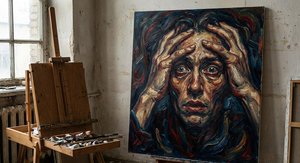
Figurative Expressionism: Emotional Intensity & Subjective Reality in 20th-Century Art
Explore the powerful world of Figurative Expressionism with OriginalUniqueArt. Discover key artists like Kirchner & Beckmann, understand its emotional depth, and learn how to collect this influential 20th-century art movement.
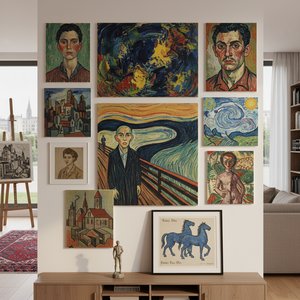
Ekspressionismi 10 Meisterteost: Kunst, Tunne ja Sisustus
Sukeldu ekspressionismi maailma! Avasta 10 kuulsat meistriteost – Munch, Kirchner jt. – ja nende värviküllased lood. Ideed sisustamiseks & kunstireprodutsioonid OriginalUniqueArt.com-ist. Uuri täispikka kollektsiooni veebis!
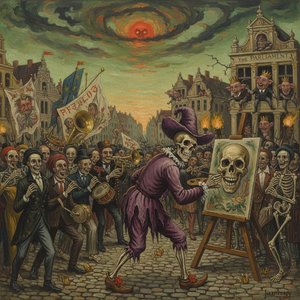
James Ensor's Grotesque Visions: Social Commentary & Artistic Innovation
Explore the unsettling yet captivating world of James Ensor, a pioneer of Expressionism. Discover his satirical masterpieces, symbolic imagery & lasting influence on modern art. High-quality reproductions available at OriginalUniqueArt.


