Romanticism
Luff, Boy (James Clarke Hook)
James Clarke Hook (1819–1907) on loonud teose Luff, Boy. See kuulub Romanticism suuntrime. See on valmistatud materjalist Oil On Canvas.
- Oil On Canvas

 Eelvaade

 Käsitsi maalatud õlimaalatsioon
 Saada
 Jaga
 Teosest infokaart


 Laadi alla
 Sarnased teosed
 Röntgenuuring
 Slaidietendus
 KÜSIMUSED JA VASTUSID

 Statistika
Luff, Boy lühidalt
- Pealkiri
- Luff, Boy
- Kunstnik
- James Clarke Hook (1819–1907)
- Kunstniku sünnukoht
- London, Suurbritannia
- Materjalid
- Oil On Canvas
- Liikumine
- Romanticism
- Aeglkond
- 19th Century
- Teema
- maritime life, fishing boat, family struggle, turbulent sea, victorian era, resilience
Mida Luff, Boy kujutab?
Identification of Luff, Boy by James Clarke Hook
Luff, Boy is an oil on canvas painting by the artist James Clarke Hook. This work was executed about 1859. The composition focuses on the daily life of fishermen, specifically capturing a moment of maritime activity. The scene depicts a small fishing boat positioned upon a turbulent sea, where the movement of the water is a central element of the subject matter.
The painting features three individuals within the foreground: an older man, a young boy, and a child. They occupy the space of the boat as a large wave crests in the background. The subject matter centers on the practicalities of fishing and the interaction between the figures and the sea. The work is part of a body of work by James Clarke Hook that frequently addresses the coastal environments and the people who inhabit them.
Composition and Visual Elements
The composition is centered around a small fishing boat positioned within a turbulent sea. In the foreground, three figures occupy the vessel: an older man, a young boy, and a child. These individuals are situated amidst the movement of the water, which is rendered with thick, layered impasto. The boat's wooden surfaces and the figures' clothing exhibit heavy textures. Behind the central group, a large wave crests, creating a sense of verticality and movement that contrasts with the horizontal plane of the boat.
The arrangement of elements emphasizes a moment of struggle against the maritime environment. The organic shapes of the waves and the human figures mirror the irregular, shifting forms of the ocean. Depth is established through tonal variations, with the distant sea appearing lighter and less defined than the immediate, textured foreground. The perspective is somewhat flattened, which places the viewer in close proximity to the boat and the immediate action of the sea.
Technique and Artistic Style
The painting is executed in a style that leans towards Romanticism, focusing on the movement of the sea and the figures within the boat. The artist employs an impasto technique, applying thick layers of oil paint to the canvas. These heavy applications build a physical texture across the surface, particularly where the water meets the vessel. Visible brushstrokes are used throughout the composition to create a sense of depth and constant motion.
In the depiction of the waves, the lines are loose and expressive. This approach captures the turbulent nature of the water as it crests behind the boat. The texture is layered, with the paint appearing to have been worked heavily to define the spray and the churning surface of the ocean. The organic shapes of the waves and the human figures are rendered with this vigorous, tactile application of material.
Color Palette and Lighting
The color palette is predominantly cool, defined by the blues and greens that constitute the turbulent sea. These aquatic tones establish the primary chromatic environment of the composition. In contrast, the boat and the figures' clothing introduce warm tones, specifically ochre and brown. Small accents of pink and red appear where fish are scattered across the wooden deck, providing localized points of color against the darker, muted surfaces of the vessel.
Lighting in the scene is diffused, creating a soft quality across the various textures. This light source avoids harshness, casting soft shadows that define the forms of the individuals and the structure of the boat. The illumination highlights the wet surfaces of the wood and the figures, emphasizing the moisture present in the maritime environment. Depth is achieved through subtle variations in tonal value, with the distant sea appearing lighter and less defined than the foreground elements.
Related Works by James Clarke Hook
The artist's body of work frequently returns to the maritime environments and coastal communities that define his signature style. Several pieces from the mid-to-late 19th century demonstrate this focus on the sea and the people who inhabit its shores. These works often capture specific moments of maritime activity or the quietude of coastal life. Examples include:
- A Signal on the Horizon (1857)
- The Fisherman’s Goodnight (1856)
- Home with the Tide (1880)
While many of these compositions focus on the movement of the ocean and the labor of fishing, the artist also produced quieter scenes. Sea Urchins is one such composition, offering a more subdued perspective compared to his more dramatic maritime subjects. These varied works reflect a persistent interest in the relationship between the natural landscape and the people living within it.
Thematic Elements and Symbolism
The scene centers on the intersection of human existence and the unpredictable maritime environment. Through the depiction of a small boat amidst turbulent water, the work explores the connection to nature and the physical energy of the sea. The movement of the cresting waves and the textured surface of the water suggest a constant, shifting force that dictates the rhythm of life for the figures on board. This interaction highlights the precarious position of those who rely on the ocean for their livelihood.
Within the boat, the presence of an older man, a young boy, and a child introduces themes of family and generational continuity. Their proximity to one another amidst the heavy swells suggests a shared experience of hardship. The composition captures the resilience of those who lived by the sea, portraying a moment of struggle against the elements. The figures remain focused on their immediate tasks, reflecting a stoic response to the demanding conditions of their environment.
Luff, Boy kõrge resolutsiooniga pildid
James Clarke Hook, Luff, Boy. Avalik omaniklik õigus
Küsimused teemal Luff, Boy – vastused
Millest on teos "Luff, Boy" valmistatud?
Teos "Luff, Boy" on valmistatud tehnika Oil On Canvas.
Mida „Luff, Boy“, autor James Clarke Hook kujutab?
Teose "Luff, Boy" teemad on maritime life, fishing boat, family struggle, turbulent sea, victorian era, resilience, coastal scene, romantic drama.
Kas teos "Luff, Boy" on ilma autoriõigusteta?
Teos „Luff, Boy“, autor James Clarke Hook on lubaõiguslikult avalik && copyright on aegunud. See staatus reguleerib teose pildi reprodüseerimise võimalusi.
Kes on teose "Luff, Boy" kunstnik?
Teose "Luff, Boy" looja on James Clarke Hook. Teos on kataloogitud nime James Clarke Hook all.
Millissele stiilile kuulub "Luff, Boy"?
"Luff, Boy" on Romanticism suunaga teos. See suundumine viitab kunstilisele traditsioonile, millega teos on seotud.
Millist etap James Clarke Hook loomingus teos "Luff, Boy" esindab?
James Clarke Hook loomingus kuulub teos "Luff, Boy" perioodi Mature Period. See etap aitab seda võrdida kunstniku teiste töödega.
Mis selgitab teose „Luff, Boy“, autor James Clarke Hook autoriõiguste olukorda?
James Clarke Hook teos "Luff, Boy" on avalik && copyright on aegunud. Autoriõiguse kaitseajad arvutatakse alates kunstniku surmaõigustest ning James Clarke Hook suri aastal 1907.
Milliseid ühiseid elemente jagab teos "Luff, Boy" James Clarke Hook muud loominguga?
Teos "Luff, Boy" jagab koos James Clarke Hook teistega Romanticism stiili ja korduvaid teemasid: romantic sea views, victorian maritime life, nature's power & struggle", family bonds under pressure, hook's coastal landscapes, british nautical tradition, echoes of turner & constable, early 19th century themes.
Kuidas teose "Luff, Boy" motiiv seobub James Clarke Hook tavalistega teemadega?
"Luff, Boy" kujutab teemasid maritime life, fishing boat, family struggle, turbulent sea, victorian era, resilience, coastal scene, romantic drama, samal ajal kui James Clarke Hook tuntud teemad on romantic sea views, victorian maritime life, nature's power & struggle", family bonds under pressure, hook's coastal landscapes, british nautical tradition, echoes of turner & constable, early 19th century themes. Nende kahe võrdlemine näitab, kuidas teos seobub kunstniku tavalistega motiividega.
Kunstnik James Clarke Hook kohta
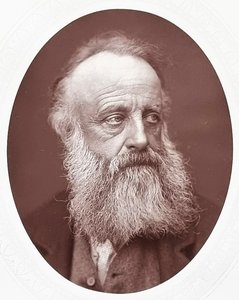
1819–1907, Suurbritannia
James Clarke Hook
Elu maalitud merel: James Clarke Hooki maailm James Clarke Hook sündis Londonis 1819. aastal ning tema teekond viis ta andeka ajaloolise maali esindajast tuntud mereelu kujutajaiks. Tema suguvõsa ise vihjas kunstiliste ja intellektuaalsete kalduvuste segule; riidekaupmehe ja kohtuniku poeg, James Hook, ning Eliza Clarke, kuulsa piiblitõlke teadlase dr Adam Clarke tütar, pärisid päranduse, mis soodustas nii praktilist põhjalikkust kui ka akadeemilist uudishimu. Varane haridus North London Grammar Schoolis jäi vahetuks ettevalmistuseks iseseisvateks uuringuteks Briti Muuseumi skulptuurigaleriides – vormikujunduse ja klassikaliste ideaalide sügav hindamine kujunes tema jaoks määrava tähtsusega kogemuseks.
Teel James Clarke Hook kohta James Clarke Hook silmapaistvad teosed
Ka James Clarke Hook teosed
 'Give us this day our daily bread'1866
 Girl reading by the Shore1873
 Tanning Nets1878
 The Milkmaid of Maas1877
Teemad teemal Luff, Boy
 American artworks of the 1850s1850s American landscapes by Asher Brown Durand and John Frederick Kensett showcase the era's beauty. View the full collection at OriginalU…
 Danish artworks of the 1880s1880s Danish art by Vilhelm Hammershøi, Anna Ancher, and Michael Ancher. Find museum-quality reproductions at OriginalUniqueArt.com.
 Master of Light: The Top 25 Essential Artworks by J. M. W. TurnerExplore the sublime landscapes of J. M. W. Turner. Discover his top 25 masterpieces and curated art ideas on OriginalUniqueArt.com.