
 Eelvaade
 Saada
Saada Jaga
Jaga
 Teave teose kohta
 Juhend

 Laadi alla
 Sarnased teosed
 Röntgenuuring
 Slaidietendus
 Q&A
Q&A Statistika
Satyr and Peasant

- 195.0 x 204.0 cm


 Loe lähemalt
Giclée / Kunstiprint
Muuseumikvaliteediga giclée- või kangasprint kiire tootmisega ja paindlikud viimistlusvõimalused. ( Osta käsitsi maalatud teos Lülita digitaalse pildi juurde)




P118B €10

P118H €10

P118W €10

P438Z €10

P508JH €12

P508YH €12

P805H €10

P805Z €10

P919BZ €10

P919G €10

P919XJ €10

P959ZH €10

P968JZ €12

W106C €8

W218G €10

W218JH €8

W218Y €10

W307PJ €10

W316G €10

W316PJ €8

W316Y €10

W398PJ €8

W4111J €10

W500HY €15

W500JH €15

W692G €12

W849H €8

W940BG €15

W953PJ €8




Vali meie eelmääratud suurused, mis vastavad teose algupärastele proportsioonidele.

Sisestage vajalik laius ja kõrgus, et see sobiks teie raamile või seinale. Trükki saab ainult lõigata, seda ei saa kunagi pildist suuremaks teha, seega ka erineva mustega suurus kaotab osa pildist. Enne trükkimist saadame teile kinnitamiseks digitaalse näidisprojektsiooni. Sellel lehel näidatud pilt ei kujuta reaalset lõiget — seda näitab ainult näidisprojektsioon.
Ülemaailmne tarne () 2 nädala jooksul, tavalise 4/5 nädala asemel. (31 oktoober)

Tasuta ekspresssaatmine üle maailma

Kõrgekvaliteediline lina-kangas

Täielik transpordikindlustus

Tollimaksude tagastamise garantii

Värvitoime täpsuse garantii

100 päeva tagastusõigus (ainult valmistusdefektide korral)

100% raha tagasi garantii

Hulgusoodustus
 Klaasivalik on saadaval ainult kuni 110 cm suuruses teostes

Satyr and Peasant
Giclée / Kunstiprint
Reproduktsiooni suurus
-


Koguhind
€ 71
The Satyr and the Peasant: A Flemish Baroque Masterpiece
Jacob Jordaens’ “Satyr and the Peasant,” painted around 1620, isn't merely a depiction of a tavern scene; it’s a vibrant embodiment of Flemish life, a shrewd commentary on human nature, and a testament to the artist’s masterful command of light, color, and storytelling. This monumental work, now housed in the Alte Pinakothek in Munich, immediately draws the viewer into a bustling interior filled with an intoxicating blend of merriment and mischief – a scene that feels both utterly familiar and profoundly captivating.
At first glance, the painting presents a seemingly simple tableau: a satyr, his features delightfully grotesque and adorned with animalistic details, engages in a boisterous feast alongside a peasant family. A young woman, presumably the wife, is feeding her child while a man sits beside her, enjoying the revelry. Yet, beneath this surface lies a complex web of symbolism rooted in Aesop’s fable – “The Satyr and the Traveller” – which serves as the painting's central narrative thread. The fable itself warns against duplicity and inconsistency, highlighting the danger of someone who can offer warmth and kindness one moment while harboring deceitful intentions the next.
A Symphony of Light and Color
Jordaens’ technique is a cornerstone of the painting’s enduring appeal. He employs a dramatic chiaroscuro – a stark contrast between light and shadow – to sculpt the figures and create a palpable sense of depth within the room. The warm, golden light emanating from the hearth and illuminating the table creates an inviting atmosphere, while pockets of darkness suggest hidden corners and unspoken tensions. Notice how Jordaens masterfully uses color; the rich reds and browns of the furniture and clothing contrast sharply with the paler hues of the figures, drawing our attention to key elements within the composition.
The artist’s brushwork is remarkably loose and expressive, characteristic of the Flemish Baroque style. He doesn't meticulously render every detail but instead focuses on capturing the essence of each figure – their gestures, expressions, and interactions. This approach imbues the scene with a sense of immediacy and vitality, as if we are witnessing a spontaneous moment frozen in time.
Symbolism and Social Commentary
Beyond the fable’s warning against duplicity, “The Satyr and the Peasant” offers a subtle critique of social hierarchies. The satyr, representing indulgence and unrestrained pleasure, is positioned at the center of the scene, seemingly in control of the festivities. However, his behavior – blowing on his food, offering it to the peasant family – suggests a playful mockery of those in positions of authority. The peasant family, in contrast, embodies humility and simplicity, accepting the satyr’s generosity with grace.
The inclusion of a dog adds another layer of symbolism, representing loyalty and companionship. It's a small detail that subtly reinforces the painting's message about the importance of genuine connection and trust. The presence of multiple figures – men, women, children – further emphasizes the communal nature of Flemish society and the shared experience of everyday life.
A Timeless Appeal
“The Satyr and the Peasant” remains a powerfully evocative work of art centuries after its creation. Jordaens’ ability to capture the complexities of human interaction, combined with his masterful use of light, color, and symbolism, ensures that this painting continues to resonate with viewers today. It's a celebration of life, laughter, and the enduring power of storytelling – a timeless masterpiece that invites us to contemplate our own relationships and the choices we make.
Consider commissioning a high-quality reproduction to bring this remarkable scene into your home or office. It’s more than just a painting; it's a window into a vibrant past, a reminder of the joys of human connection, and a testament to the enduring legacy of Jacob Jordaens.
Korduvad küsimused
Mis on teose „Satyr and Peasant“, autor Jacob Jordaens luminants?
Teose „Satyr and Peasant“, autor Jacob Jordaens luminants on Dark.
Millised teemad teoses „Satyr and Peasant“, autor Jacob Jordaens esile tõelve?
„Satyr and Peasant“, autor Jacob Jordaens kujutab: flemish painting, satyr, peasant, tavern scene, allegory, feast, revelry, jordaens.
Milline on teose „Satyr and Peasant“, autor Jacob Jordaens emotsionaalne toon?
Teos "Satyr and Peasant" on seotud Nostalgic tundega. Emotsionaalne toon kirjeldab teose tekitavat muljet.
Kunstniku elulugu
Flandri Baroki Elu Rikkus: Jacob Jordaens
Jacob Jordaens sündis 1593. aastal jõuka Antwerpeni perekonda ning tõusis kiiresti Flandri baroki üheks olulisemaks ja elavamatest hääleks. Erinevalt paljudest kaasaegsetest kunstnikest, kes otsisid õpetust Itaaliast, jäi Jordaens juurdunud oma kodumaale, arendades unikaalselt robustset ja maa-lähedast stiili, mis tähistas igapäevaelu rõõme ja tegelikkust. Tema isa, edukas linasekaupmees, pakkus talle mugavat üleskasvamist, võimaldades hariduse, mis sobis tema sotsiaalsele seisundile enne kunstilist teekonda Adam van Noorti juures – kes oli ka Peter Paul Rubensi meister. See algne õpetus andis Jordaensile põhja hoolikast tehnikat ja tugeva kompositsiooni arusaama, kuid ta kaldus kiiresti oma eripärase tee poole. 1616. aastal kinnitas abielu Van Noorti tütre Katharinaga tema seotust Antwerpeni kunstimaailmaga.Rahvafestide ja Baroki Suursugusus Maalija
Jordaens’ looming oli tähelepanuväärselt mitmekesine, hõlmates religioosseid narratiive, mütoloogilisi stseene, allegoorilisi kompositsioone, elulisi žanrimaale ja isegi portreid. Kuid teda mäletatakse ehk kõige paremini tema kirglike talurahvafestivalide ja kõrtsistseenide kujutiste eest – tööde eest, mis kiirgavad käpalpset energiat ja piiramatut rõõmu maistest naudingutest. Maalid nagu *Kuningas Joob* (tuntud ka kui Oa Kuninga pidu) on selle iseloomuliku stiili näide: rahvarohked kompositsioonid, täis jõulisi tegelasi elavas pidustuses, mis on renderdatud soojades, säravates värvides ja dramaatilises chiaroscuros. Need stseenid ei olnud pelgalt rõõmu tähistamine; need olid sageli täidetud peentest moraliseerivatest alatoonidega, mis kajastasid 17. sajandi ühiskonnas levinud indulgentsi ja pidukindluse keerukat suhet. Kuid Jordaens oli sama hästi võimeline käsitlema suuremaid, formaalsemaid tellimusi. Tema osalemine Hagi asuva Huis ten Boschi palee kaunistamisel – koos Rubensi koostööga – näitas tema võimet luua monumentaalseid allegoorilisi teoseid, mis sulatasid sujuvalt maali ja arhitektuuri.Mõjud ja Eriline Kunstiline Hääl
Kuigi Jordaens ei reisinud kunagi Itaaliasse, oli ta sügavalt mõjutatud itaalia meistritest nagu Jacopo Bassano, Paolo Veronese ja Caravaggio – kunstnikutest, kelle töö jõudis Flandriasse teiste kunstnike toodud gravüüride ja maalide kaudu. Caravaggio mõju on eriti selgelt näha tema dramaatilises valguse ja varju kasutamisel, tehnikas, mida tuntakse kui tenebrism, mis tõstab tema stseenide emotsionaalset intensiivsust. Jordaens ei jäljendanud aga lihtsalt neid mõjusid; ta sünteesitas need oma Flandri tundlikkusega, luues stiili, mis oli ainulaadne. Ta erines Rubensi ja Van Dycki realistliku ideaali eelistamisest, omaks võttes otsesema ja rafineerimata lähenemise inimfiguuride kujutamisele. Tema figuurid on sageli suured, isegi korpulentsed, nende näod punastavad tervist ja elujõudu. See pühendumine naturalismile, kombineerituna tema meisterlikust värvi- ja kompositsioonivaldamisest, eristas teda kaasaegsetest ning kinnitas ta Flandri baroki maalikunstniku juhiks.Pärand ja Püsiv Mõju
Oma pika ja viljaka karjääri jooksul koolitas Jordaens arvukalt õpilasi – viisteist oli ametlikult registreeritud St. Luke’i gildis aastatel 1621–1667—tagades tema kunstilise pärandi jätkumise. Tema mõju on näha hilisemate kunstnike töödes, nagu Jan Steen, kes jagas tema kalduvust elavate žanristseenide kujutamisele. Lisaks oma otsesele mõjule teistele maalikunstnikele avaldas Jordaens’ klassikaliselt inspireeritud talurahvateemad püsivat mõju kunstimaailmale, väljakutsedes traditsioonilisi hierarhiaid ja tähistades igapäevaelu väärikust. Isegi tänapäeval köidavad tema maalid publikut oma energiaga, elujõuga ja ausa inimkogemuse kujutamisega. Tema võime ühendada realism allegooriaga, sensuaalsus moraali ning suursugusus intiimsusega teeb temast ühe kõige veenvama ja püsivama baroki perioodi figuuride hulgas. Avasta rohkem Jordaens’ meistriteoseid ja tutvu baroki ajastu rikkaliku kunstimaailmaga veebis saadaval olevate ressursside kaudu, sealhulgas tema tööde üksikasjalike andmebaaside ja tema elu ja kunsti tabavate analüüsidega.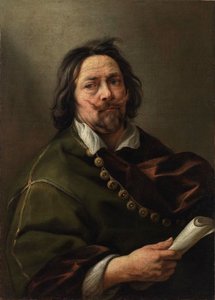
Jacob Jordaens
1593 - 1678 , Eesti
Lühikest infot
- Artistic Movement Or Style: Barokk
- Artists Or Movements Influenced By This Artist: ['Jan Steen']
- Artists Who Influenced This Artist:
- Jacopo Bassano
- Paolo Veronese
- Caravaggio
- Date Of Birth: 19. mai 1593
- Date Of Death: 1678
- Full Name: Jacob Jordaens
- Nationality: Flaami
- Notable Artworks:
- Karjase kummardamine
- Argus ja Mercury
- Place Of Birth: Antwerpen, Belgia
Sarnased artiklid

Baroki draama ja luksus: Kuidas ajalooline elegants kaasaegsesse interjööri tuua
Avastage baroki maalide võlu OriginalUniqueArt'is! Käsitsi valmistatud reproduktsioonid, fotodest maalid ja ekspertkonsultatsioonid. Toome ajaloolise elegantsi Teie interjööri. Kvaliteet garanteeritud!
Jacob Jordaens: Baroque Dynamism & Genre Innovation of the Antwerp School
Discover Jacob Jordaens, a leading Flemish Baroque painter renowned for his dynamic compositions & realistic genre scenes. Explore his life, art, and lasting influence with OriginalUniqueArt.

Mastering Drama and Light: A Definitive Guide to the Flemish Baroque Art Movement
Explore the dramatic brilliance of the Flemish Baroque movement. Discover how masters like Peter Paul Rubens utilized chiaroscuro and dynamic composition to redefine art history through light, shadow, and unparalleled emotion.

The Majesty of Flemish Baroque: A Definitive Guide to Drama, Color, and Grandeur in 17th-Century Masterpieces
Explore the grandeur of Flemish Baroque art. Uncover the dramatic legacy of Peter Paul Rubens and the mastery of light and color. Discover museum-grade, hand-painted oil reproductions and custom commissions at OriginalUniqueArt.com—where history meets fine craftsmanship.
Drama and Light: Discover the Captivating Grandeur of Baroque Art
Immerse yourself in the dramatic splendor of Baroque art. Explore the profound impact of light, shadow, and the Counter-Reformation through an expert historical lens, celebrating the masters who defined an era of unparalleled grandeur and emotional intensity.

