

 Vaata sisu
 Jaga teost
 Jaga
Jaga
 Detailid
 Õppekate juhend

 Laadi alla
 Sarnased teosed
 Röntgenuuring
 Slaidietendus
 Statistika
Adam and Eve
 Oil On Canvas
- WallArt
- Baroque
 1630
1630 184.0 x 221.0 cm
 Szépművészeti Múzeum
 Loe lähemalt
Giclée / Kunstiprint
Muuseumikvaliteediga giclée- või kangasprint kiire tootmisega ja paindlikud viimistlusvõimalused. ( Telli käsitsi maalitud reproduktsioon Ülemineku digitaalse pildi müügi kanalisse)




P118B €10

P118H €10

P118W €10

P438Z €10

P508JH €12

P508YH €12

P805H €10

P805Z €10

P919BZ €10

P919G €10

P919XJ €10

P959ZH €10

P968JZ €12

W106C €8

W218G €10

W218JH €8

W218Y €10

W307PJ €10

W316G €10

W316PJ €8

W316Y €10

W398PJ €8

W4111J €10

W500HY €15

W500JH €15

W692G €12

W849H €8

W940BG €15

W953PJ €8




Vali meie eelmääratud suurused, mis vastavad teose algupärastele proportsioonidele.

Sisestage vajalik laius ja kõrgus, et see sobiks teie raamile või seinale. Trükki saab ainult lõigata, seda ei saa kunagi pildist suuremaks teha, seega ka differentse vormiga suurus kaotab osa pildist. Enne trükkimist saadame teile kinnitamiseks digitaalse näidisprojektsiooni. Sellel lehel näidatud pilt ei kujuta reaalset lõiget — seda näitab ainult näidisprojekttsioon.
Ülemaailmne tarne () 2 nädala jooksul, tavalise 4/5 nädala asemel. (27 oktoober)

Tasuta ekspresssaatmine üle maailma

Kõrgekvaliteediline lina-kangastest muld

Täielik transpordikindlustus

Tollimaksude tagastamise garantii

Värvitoime täpsuse garantii

100 päeva tagastusõigus (ainult defektide korral)

100% raha tagasi garantii

Hulgusoodustus
 Klaasivalik on saadaval ainult kuni 110 cm suuruses teostes

Adam and Eve
Giclée / Kunstiprint
Reproduktsiooni mõõtmed
-


Lõppsumma
€ 70
The Abundance of Life: Jordaens’ “Adam and Eve”
Jacob Jordaens' "Adam and Eve," painted around 1630 in Antwerp, isn’t merely a depiction of the biblical narrative; it’s a vibrant embodiment of the Baroque spirit – a celebration of earthly pleasures intertwined with profound moral contemplation. The painting immediately draws the eye into a lush, sun-drenched garden teeming with life: a testament to God's initial promise of abundance and fertility. Jordaens masterfully captures the dynamism of this Edenic setting, moving beyond the traditional, often austere representations of the Fall. Here, we encounter a scene brimming with activity – grazing cattle in the background, a pair of attentive dogs observing the central figures, and even a watchful cow, all contributing to a sense of bustling, earthly existence. This deliberate inclusion of everyday elements distinguishes Jordaens’ work from earlier, more idealized versions, grounding the story within the realities of Flemish life.A Baroque Symphony of Color and Light
Jordaens was a key figure in the Antwerp School of painting, renowned for his ability to infuse scenes with a palpable sense of movement and drama. “Adam and Eve” exemplifies this approach through its masterful use of chiaroscuro – the dramatic interplay of light and shadow. The figures are bathed in a warm, golden glow, highlighting their youthful beauty and innocence while simultaneously casting subtle shadows that hint at the impending consequences of disobedience. The artist’s brushwork is loose and expressive, creating a sense of immediacy and vitality. Notice how he uses broken color – small, distinct strokes of paint layered upon each other – to build up texture and volume, particularly in the depiction of Adam's skin and Eve’s flowing garments. The composition itself is carefully constructed, guiding the viewer’s eye through the scene with a dynamic diagonal line created by the figures and leading towards the central tree laden with fruit.Symbolism Woven into the Scene
Beyond the straightforward narrative of Adam and Eve's transgression, Jordaens imbues the painting with layers of symbolic meaning. The abundance of animals – the cows, dogs, and birds – represents God’s generous provision for humanity. The scattered apples, a direct reference to the forbidden fruit, are not presented as ominous or sinister but rather as symbols of temptation and choice. The positioning of Adam and Eve is particularly significant; they kneel together, suggesting a shared responsibility in their decision. The presence of the dogs, often associated with loyalty and guardianship, could be interpreted as representing the potential for both good and evil within human nature. The very act of offering to each other speaks volumes about the initial harmony between humankind and God’s creation.Emotional Resonance and Lasting Legacy
“Adam and Eve” transcends a simple retelling of a biblical story; it evokes a powerful emotional response. The painting captures a moment of profound vulnerability – the innocence lost, the potential for both joy and sorrow. The figures’ expressions are subtle yet deeply affecting, conveying a sense of quiet contemplation and regret. Jordaens' masterful handling of light and color creates an atmosphere of both beauty and melancholy, reminding us of the enduring consequences of our choices. This work cemented Jordaens’ reputation as one of the most important artists of his time, influencing generations of painters with its vibrant realism and dramatic storytelling. Today, reproductions of “Adam and Eve” continue to captivate viewers, offering a timeless meditation on humanity's relationship with nature, morality, and the eternal struggle between good and evil.Küsimused ja vastused
Mis on teose „Adam and Eve“, autor Jacob Jordaens loomisaeg?
Teos "Adam and Eve" on pärit aastast 1630. See ajastu aitab mõistust seda teost Jacob Jordaens karjääri ja selle ajastu kontekstis.
Kas on "Adam and Eve" kuulus Baroque suunaga teos?
Teos "Adam and Eve" on kataloogis Baroque suunaga teoste seas registreeritud kui Recognized.
Kas teose „Adam and Eve“, autor Jacob Jordaens värvid on eraldavad või pehmed?
Teose „Adam and Eve“, autor Jacob Jordaens värvid on Muted kütkusega ja Monochromatic intensiivsusega.
Kunstniku elulugu
Flandri Baroki Elu Rikkus: Jacob Jordaens
Jacob Jordaens sündis 1593. aastal jõuka Antwerpeni perekonda ning tõusis kiiresti Flandri baroki üheks olulisemaks ja elavamatest hääleks. Erinevalt paljudest kaasaegsetest kunstnikest, kes otsisid õpetust Itaaliast, jäi Jordaens juurdunud oma kodumaale, arendades unikaalselt robustset ja maa-lähedast stiili, mis tähistas igapäevaelu rõõme ja tegelikkust. Tema isa, edukas linasekaupmees, pakkus talle mugavat üleskasvamist, võimaldades hariduse, mis sobis tema sotsiaalsele seisundile enne kunstilist teekonda Adam van Noorti juures – kes oli ka Peter Paul Rubensi meister. See algne õpetus andis Jordaensile põhja hoolikast tehnikat ja tugeva kompositsiooni arusaama, kuid ta kaldus kiiresti oma eripärase tee poole. 1616. aastal kinnitas abielu Van Noorti tütre Katharinaga tema seotust Antwerpeni kunstimaailmaga.Rahvafestide ja Baroki Suursugusus Maalija
Jordaens’ looming oli tähelepanuväärselt mitmekesine, hõlmates religioosseid narratiive, mütoloogilisi stseene, allegoorilisi kompositsioone, elulisi žanrimaale ja isegi portreid. Kuid teda mäletatakse ehk kõige paremini tema kirglike talurahvafestivalide ja kõrtsistseenide kujutiste eest – tööde eest, mis kiirgavad käpalpset energiat ja piiramatut rõõmu maistest naudingutest. Maalid nagu *Kuningas Joob* (tuntud ka kui Oa Kuninga pidu) on selle iseloomuliku stiili näide: rahvarohked kompositsioonid, täis jõulisi tegelasi elavas pidustuses, mis on renderdatud soojades, säravates värvides ja dramaatilises chiaroscuros. Need stseenid ei olnud pelgalt rõõmu tähistamine; need olid sageli täidetud peentest moraliseerivatest alatoonidega, mis kajastasid 17. sajandi ühiskonnas levinud indulgentsi ja pidukindluse keerukat suhet. Kuid Jordaens oli sama hästi võimeline käsitlema suuremaid, formaalsemaid tellimusi. Tema osalemine Hagi asuva Huis ten Boschi palee kaunistamisel – koos Rubensi koostööga – näitas tema võimet luua monumentaalseid allegoorilisi teoseid, mis sulatasid sujuvalt maali ja arhitektuuri.Mõjud ja Eriline Kunstiline Hääl
Kuigi Jordaens ei reisinud kunagi Itaaliasse, oli ta sügavalt mõjutatud itaalia meistritest nagu Jacopo Bassano, Paolo Veronese ja Caravaggio – kunstnikutest, kelle töö jõudis Flandriasse teiste kunstnike toodud gravüüride ja maalide kaudu. Caravaggio mõju on eriti selgelt näha tema dramaatilises valguse ja varju kasutamisel, tehnikas, mida tuntakse kui tenebrism, mis tõstab tema stseenide emotsionaalset intensiivsust. Jordaens ei jäljendanud aga lihtsalt neid mõjusid; ta sünteesitas need oma Flandri tundlikkusega, luues stiili, mis oli ainulaadne. Ta erines Rubensi ja Van Dycki realistliku ideaali eelistamisest, omaks võttes otsesema ja rafineerimata lähenemise inimfiguuride kujutamisele. Tema figuurid on sageli suured, isegi korpulentsed, nende näod punastavad tervist ja elujõudu. See pühendumine naturalismile, kombineerituna tema meisterlikust värvi- ja kompositsioonivaldamisest, eristas teda kaasaegsetest ning kinnitas ta Flandri baroki maalikunstniku juhiks.Pärand ja Püsiv Mõju
Oma pika ja viljaka karjääri jooksul koolitas Jordaens arvukalt õpilasi – viisteist oli ametlikult registreeritud St. Luke’i gildis aastatel 1621–1667—tagades tema kunstilise pärandi jätkumise. Tema mõju on näha hilisemate kunstnike töödes, nagu Jan Steen, kes jagas tema kalduvust elavate žanristseenide kujutamisele. Lisaks oma otsesele mõjule teistele maalikunstnikele avaldas Jordaens’ klassikaliselt inspireeritud talurahvateemad püsivat mõju kunstimaailmale, väljakutsedes traditsioonilisi hierarhiaid ja tähistades igapäevaelu väärikust. Isegi tänapäeval köidavad tema maalid publikut oma energiaga, elujõuga ja ausa inimkogemuse kujutamisega. Tema võime ühendada realism allegooriaga, sensuaalsus moraali ning suursugusus intiimsusega teeb temast ühe kõige veenvama ja püsivama baroki perioodi figuuride hulgas. Avasta rohkem Jordaens’ meistriteoseid ja tutvu baroki ajastu rikkaliku kunstimaailmaga veebis saadaval olevate ressursside kaudu, sealhulgas tema tööde üksikasjalike andmebaaside ja tema elu ja kunsti tabavate analüüsidega.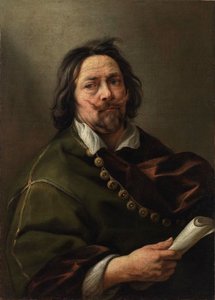
Jacob Jordaens
1593 - 1678 , Eesti
Lühikest infot
- Artistic Movement Or Style: Barokk
- Artists Or Movements Influenced By This Artist: ['Jan Steen']
- Artists Who Influenced This Artist:
- Jacopo Bassano
- Paolo Veronese
- Caravaggio
- Date Of Birth: 19. mai 1593
- Date Of Death: 1678
- Full Name: Jacob Jordaens
- Nationality: Flaami
- Notable Artworks:
- Karjase kummardamine
- Argus ja Mercury
- Place Of Birth: Antwerpen, Belgia
Sarnased artiklid

Baroki draama ja luksus: Kuidas ajalooline elegants kaasaegsesse interjööri tuua
Avastage baroki maalide võlu OriginalUniqueArt'is! Käsitsi valmistatud reproduktsioonid, fotodest maalid ja ekspertkonsultatsioonid. Toome ajaloolise elegantsi Teie interjööri. Kvaliteet garanteeritud!

Mastering Drama and Light: A Definitive Guide to the Flemish Baroque Art Movement
Explore the dramatic brilliance of the Flemish Baroque movement. Discover how masters like Peter Paul Rubens utilized chiaroscuro and dynamic composition to redefine art history through light, shadow, and unparalleled emotion.

The Dramatic Flourish: Exploring the Baroque Movement's Enduring Legacy in Art History
Explore the dramatic world of Baroque art! Discover iconic artists like Caravaggio & Rubens, defining techniques, and its lasting impact on art history. Expert insights for collectors & enthusiasts at OriginalUniqueArt.

Baroki tippteosed: 10 kunstiteost, mis muutisid maailma
Sukeldu baroki maailma! Avasta 10 meistriteost, mis defineerisid kunstivoolu – Rembrandt, Caravaggio jt. Loe lugusid, vaata värve ja naudi ajatu ilu. Leia inspiratsiooni interjööriks OriginalUniqueArt.com-ist!
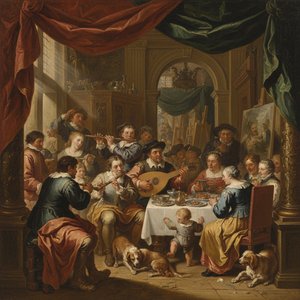
Jacob Jordaens: Baroque Dynamism & Genre Innovation of the Antwerp School
Discover Jacob Jordaens, a leading Flemish Baroque painter renowned for his dynamic compositions & realistic genre scenes. Explore his life, art, and lasting influence with OriginalUniqueArt.

