
 Eelvaade
 Saada
Saada Jaga
Jaga
 Teave teose kohta

 Laadi alla
 Sarnased teosed
 Röntgenuuring
 Slaidietendus
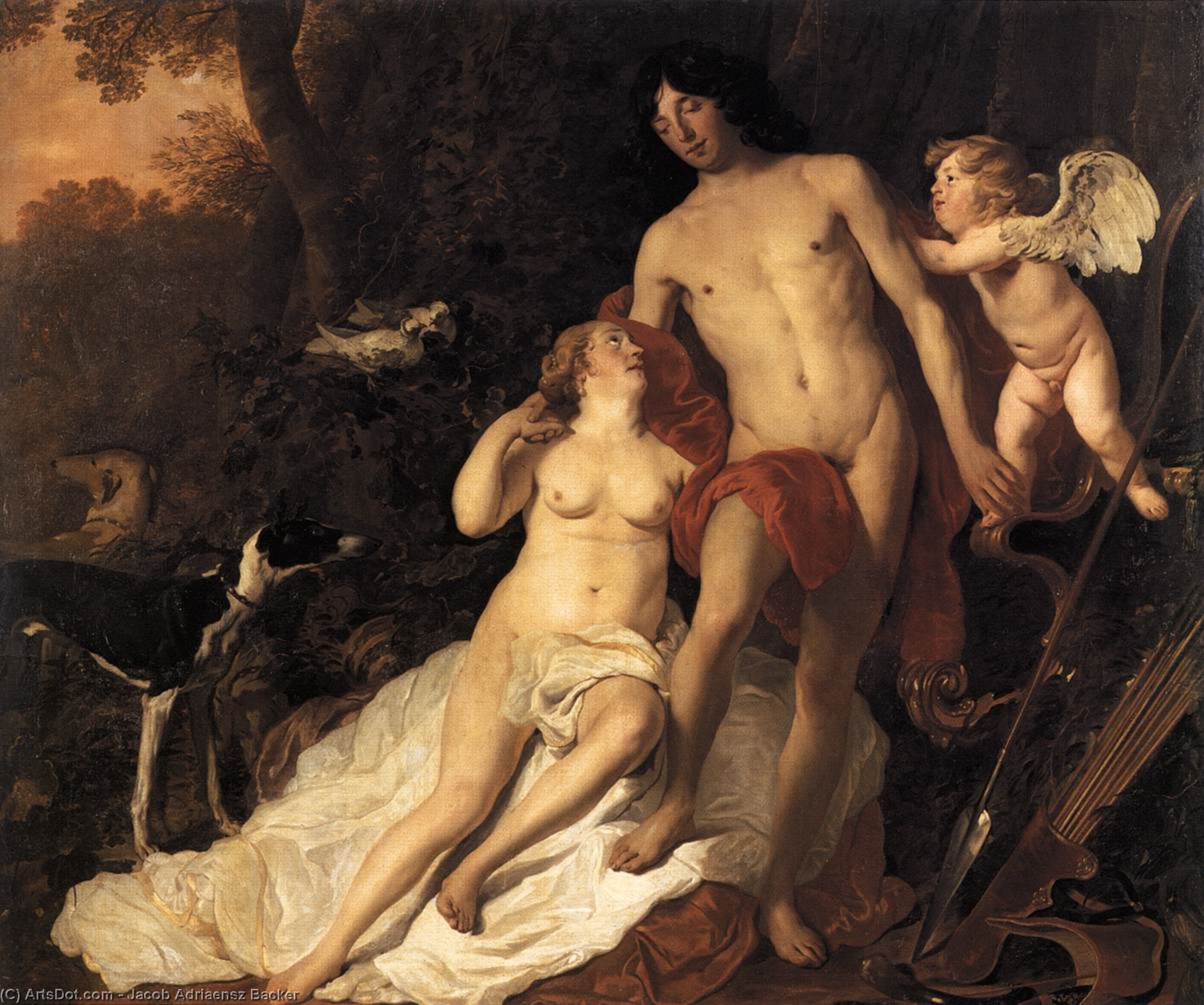
Venus And Adonis
 Loe lähemalt
Giclée / Kunstiprint
Muuseumikvaliteediga giclée- või kangasprint kiire tootmisega ja paindlikud viimistlusvõimalused. ( Osta käsitsi maalitud maal Osta pilt)




































Vali meie eelmääratud suurused, mis vastavad teose algupärastele proportsioonidele.

Saate sisestada oma mõõdud, et need sobiks konkreetse raami või ruumi sisse. Kui valitud suurus ei vasta originaalteose proportsioonidele, lõigame teose ära või laiendame pilti peegeldatud või ühtlase servaga. Enne tootmisprotsessi algust saadetakse Teie kinnitamiseks digitaalne näidis.
Palun märka, et ekraanil kuvatav eelvaade ei kajasta tegelikku lõigamist või laiendamist. Ainult näidis kujutab täpselt lõplikku kompositsiooni.
Kuigi erimõõdu on saadaval, soovitame originaaproportsioonide säilitamiseks valida mõõt ette määratud nimekirjast.
Ülemaailmne tarne () 2 nädala jooksul, tavalise 4/5 nädala asemel. (20 august)

Tasuta ekspresssaatmine üle maailma

Kõrgekvaliteediline linakangas

Täielik transpordikindlustus

Tollimaksude tagastamise garantii

Värvitoime täpsuse garantii

60-päevane tagastusõig: ainult tootmisdefektide korral

100% raha tagasi garantii

Hulgusoodustus
 Klaasivalik on saadaval ainult suuruses kuni 110 cm

Venus And Adonis
Giclée / Kunstiprint
Reproduktsiooni suurus
-


Kogusumma
$ 80
Kunstniku elulugu
Jacob Adriaensz Backer: The Rapid Master of Amsterdam
Jacob Adriaensz Backer (1608-1651) stands as a singular figure in the Dutch Golden Age, celebrated primarily for his astonishing speed and precision in portraiture – a feat that cemented his reputation as one of the era’s most prolific artists. Born in Harlingen, Netherlands, he experienced a formative childhood marked by his father's relocation to Amsterdam following his wife’s untimely death, immersing him in the bustling artistic environment of the city. This early exposure undoubtedly nurtured his talent and propelled him toward a distinguished career that would leave an indelible mark on Dutch art history.- Early Training & Influences: Backer's artistic journey began under the tutelage of Lambert Jacobsz, a Mennonite teacher who instilled in him a foundational understanding of religious painting techniques. Notably, he studied alongside Govert Flinck, another Mennonite pupil and collaborator, fostering connections within a vibrant intellectual community that valued craftsmanship and moral integrity. These formative influences would shape his stylistic sensibilities, particularly evident in his depictions of biblical narratives.
- Amsterdam & Hendrick Uylenburgh: Moving to Amsterdam around 1633, Backer found patronage with Hendrick Uylenburgh, a wealthy merchant who recognized Backer’s exceptional abilities and commissioned numerous portraits. This association provided invaluable opportunities for artistic development and solidified Backer's position as a leading portraitist of his time.
- Technique & Style: Backer’s fame rests largely on his revolutionary “wet-on-wet” technique – a method pioneered in Haarlem that allowed artists to capture fleeting expressions and textures with remarkable immediacy. As Joachim von Sandrart famously recounted, a woman could arrive from Haarlem and depart the same day, leaving behind a portrait completed with breathtaking speed and detail. This technique, coupled with his meticulous observation of anatomy and drapery, resulted in portraits imbued with an unparalleled sense of realism and psychological insight.
A Virtuoso Painter Beyond Portraits
While Backer’s portraiture undoubtedly captivated audiences, he was equally adept at tackling ambitious projects in other genres. His canvases explored themes from contemporary history – Granida and Daifilo – demonstrating his willingness to engage with pressing social and political concerns of the era. Furthermore, he produced stunning mythological paintings, reflecting a broader artistic engagement with classical ideals and narratives. Backer’s masterful handling of color and composition showcased his versatility as an artist and cemented his legacy as a true innovator within the Dutch Baroque tradition.- Religious Subjects: Backer's devotion to religious art is palpable in his numerous depictions of biblical scenes, characterized by serene compositions and luminous colors.
- Mythological Visions: His explorations of mythological themes – particularly the crowning of Mirtillo – reveal a fascination with classical mythology and its enduring influence on artistic expression.
Legacy & Recognition
Jacob Adriaensz Backer’s contribution to Dutch art is undeniable, producing approximately 140 paintings in just twenty years—a remarkable output for his time. His meticulous attention to detail and unparalleled speed in portraiture earned him considerable acclaim during his lifetime, as evidenced by Joachim von Sandrart's astute observation regarding the Haarlem-Amsterdam journey. Backer’s work continues to inspire admiration for its technical brilliance and emotional depth, securing his place among the most celebrated artists of the Dutch Golden Age—a testament to his enduring artistic vision.
jacob adriaensz backer
1608 - 1651 , Netherlands
Lühikesed faktid
- Artistic Movement Or Style: Golden Age painting
- Artists Or Movements Influenced By This Artist: ['Rembrandt']
- Artists Who Influenced This Artist:
- Wybrand de geest
- Rubens
- Abraham Bloemaert
- Date Of Birth: Harlingen, Netherlands (1608)
- Date Of Death: 1651
- Full Name: Jacob Adriaensz Backer
- Nationality: Dutch
- Notable Artworks: ['Portrait of Machtelt Bas']
- Place Of Birth: Netherlands

