

 Vaata sisu
 Jaga teost
 Jaga
Jaga
 Detailid
 Õppekate juhend

 Laadi alla
 Sarnased teosed
 Röntgenuuring
 Slaidietendus
 Statistika
The Angels' Kitchen
 Oil On Canvas
- WallArt
- Surrealism
 2005
2005 59.0 x 47.0 cm
 Loe lähemalt
Sellel lehel kuvatav kunstiteos on kaitstud autoriõigusega, mis tähendab, et meil ei ole seaduslikku õigust luua või müüa identset reproduktsiooni. Seda kaitset rakendatakse rahvusvaheliste kokkulepete alusel, nagu näiteks Berne konventsioon ning riiklike seadustega, sealhulgas nendega, mida on sätestatud USA autoriõiguse seadus – 17. peatükk.
See meetod järgib täielikult autoriõiguse reegleid, kuna see ei põhine kaitstud kunstiteose kopeerimisel või dupliteerimisel. Selle asemel on tegu loova reinterpreetatsiooniga – uue maaldisega, mis on algteosest inspireeritud, kuid ei ole sellest identiline.
Giclée / Kunstiprint
Muuseumikvaliteediga giclée- või kangasprint kiire tootmisega ja paindlikud viimistlusvõimalused. ( Telli käsitsi maalitud reproduktsioon Ülemineku digitaalse pildi müügi kanalisse)




P118B €10

P118H €10

P118W €10

P438Z €10

P508JH €12

P508YH €12

P805H €10

P805Z €10

P919BZ €10

P919G €10

P919XJ €10

P959ZH €10

P968JZ €12

W106C €8

W218G €10

W218JH €8

W218Y €10

W307PJ €10

W316G €10

W316PJ €8

W316Y €10

W398PJ €8

W4111J €10

W500HY €15

W500JH €15

W692G €12

W849H €8

W940BG €15

W953PJ €8




Vali meie eelmääratud suurused, mis vastavad teose algupärastele proportsioonidele.

Saate sisestada oma mõõdud, et need sobiks konkreetse raami või ruumi sisse. Kui valitud suurus ei vasta originaalteose proportsioonidele, lõigame teose ära või laiendame pilti peegeldatud või ühtlase servaga. Enne tootmisprotsessi algust saadetakse Teie kinnitamiseks digitaalne näidis.
Palun märka, et ekraanil kuvatav eelvaade ei kajasta tegelikku lõigamist või laiendamist. Ainult näidis kujutab täpselt lõplikku kompositsiooni.
Kuigi erimõõdu on saadaval, soovitame originaaproportsioonide säilitamiseks valida mõõt ette määratud nimekirjast.
Ülemaailmne tarne () 2 nädala jooksul, tavalise 4/5 nädala asemel. (11 oktoober)

Tasuta ekspresssaatmine üle maailma

Kõrgekvaliteediline lina-kangastest muld

Täielik transpordikindlustus

Tollimaksude tagastamise garantii

Värvitoime täpsuse garantii

100 päeva tagastusõigus (ainult defektide korral)

100% raha tagasi garantii

Hulgusoodustus
 Klaasivalik on saadaval ainult kuni 110 cm suuruses teostes

The Angels' Kitchen
Giclée / Kunstiprint
Reproduktsiooni mõõtmed
-


Lõppsumma
€ 69
The Angels' Kitchen: A Surrealist Reverie by Jacek Yerka
Jacek Yerka’s “The Angels’ Kitchen,” painted in 2005, is more than just a depiction of a domestic scene; it’s an immersive journey into a meticulously crafted surrealist dream. Measuring 59 x 47 cm, this artwork immediately captivates with its juxtaposition of the familiar – a kitchen brimming with everyday objects – and the extraordinary – a fully-fledged angel engaged in culinary activities amidst an orchard bursting with life.
- A Flemish Masterpiece: Yerka’s dedication to the classic Flemish technique, honed through years of study and unwavering commitment, is strikingly evident. The painting's rich detail, meticulous rendering of textures, and masterful use of light evoke the spirit of masters like Jan van Eyck and Pieter Bruegel, while simultaneously forging a distinctly modern vision.
- A Dreamscape in Detail: The composition itself is layered with symbolic richness. A cat calmly observes from the sink, an apple tree dominates the center – laden with fruit – and bottles are scattered across surfaces, adding to the whimsical atmosphere. This isn’t simply a kitchen; it's a carefully constructed world where the mundane and the divine intertwine.
Yerka’s artistic lineage is profoundly influential, drawing inspiration from figures like Hieronymus Bosch and Hugo van der Goes. This influence manifests in the painting’s slightly unsettling yet undeniably beautiful depiction of fantastical elements – a blend of recognizable objects and imaginative additions that invites contemplation on themes of creation, nourishment, and perhaps even spiritual grace.
Decoding the Symbolism
“The Angels’ Kitchen” is replete with symbolic meaning. The angel itself represents purity and divine intervention, yet it's presented in an utterly ordinary setting – preparing food. This deliberate contrast elevates the painting beyond a simple still life; it prompts us to consider the intersection of the sacred and the secular. The kitchen, traditionally associated with nourishment and earthly pursuits, becomes imbued with spiritual significance within Yerka’s vision.
- The Apple Tree: Symbolizing abundance, fertility, and knowledge – a recurring motif in Western art – the apple tree is central to the painting's narrative.
- The Cat: Often associated with mystery and intuition, the cat’s presence adds an element of quiet observation and perhaps even guardianship.
The overall effect is one of serene contemplation, inviting viewers to lose themselves in Yerka’s meticulously rendered world. The diffused lighting and soft edges contribute to a sense of dreamlike tranquility, further enhancing the painting's emotional impact.
Technique and Materials
Yerka employs a predominantly watercolor or gouache technique on paper, evidenced by the painting’s subtle blending, soft edges, and delicate textures. This approach lends the artwork a luminous quality, capturing light with remarkable sensitivity. The artist’s attention to detail is breathtaking, from the individual strands of grass in the foreground to the polished surfaces of the kitchen implements.
- Traditional Supplies: The use of traditional painting supplies – likely watercolor or gouache – reinforces the connection to the Flemish masters and contributes to the artwork’s timeless appeal.
- Layered Approach: Yerka's masterful layering creates depth and complexity, drawing the viewer into the scene and inviting repeated observation.
A Legacy of Surrealist Vision
"The Angels’ Kitchen" stands as a testament to Jacek Yerka’s artistic vision – a bold exploration of surrealism that seamlessly blends reality with fantasy. Exhibited across continents, including Poland, Germany, Monaco, France, and the United States, Yerka's work has garnered significant recognition within the art world. This piece is not merely a beautiful image; it’s an invitation to embrace the unexpected, question conventional perceptions, and discover beauty in the most unlikely of places.
Küsimused ja vastused
Mis vanuses loos Jacek Yerka teose "The Angels' Kitchen"?
Kui teos "The Angels' Kitchen" loodi aastal 2005, oli Jacek Yerka (sündinud aastal 1952) 53 aastane.
Kas teose „The Angels' Kitchen“, autor Jacek Yerka värvid on eraldavad või pehmed?
Teose "The Angels' Kitchen" värvitoon on kroomi方面 Subtle Color ja intensiivsuse方面 Balanced.
Millist värviharmoniat esitab „The Angels' Kitchen“, autor Jacek Yerka?
Teose „The Angels' Kitchen“, autor Jacek Yerka värvid kujutavad Softly Mixed Palette harmooniat. Harmoonia kirjeldab, kuidas värvid omavahel seotud on.
Mis aastal loodi teos „The Angels' Kitchen“, autor Jacek Yerka?
Teose „The Angels' Kitchen“, autor Jacek Yerka loomimisaeg on 2005.
Millisele kunstnikule on teos "The Angels' Kitchen" atribuutseeritud?
Teose "The Angels' Kitchen" looja on Jacek Yerka. Teos on kataloogitud nime Jacek Yerka all.
Milleks on „The Angels' Kitchen“, autor Jacek Yerka mõeldud?
Prindi "The Angels' Kitchen" soovituslik kasutus on Statement.
Millal teos "The Angels' Kitchen" loodi ja millesse kunstisuuna kuulub?
Teos "The Angels' Kitchen" loodi aastal 2005, kuuludes Surrealism suunasse.
Kunstniku elulugu
Jacek Yerka: Sürrealistlik Visioonär
Varajased aastad ja kunstiline algus
Sündides 1952. aastal Poolas, Toruńis, tõusel Jacek Yerka sügavalt kunstilisest perest. Kuna mõlemad tema vanemad olid kohaliku Kunstiakadeemia lõpetajad, upus lapsest saadik värvide, tindide ja pintslite maailma. See kujundav keskkond mõjutas sügavalt tema tulevast karjääriteed. Lapsena eelistas Yerka üksi loovtegevust – joonistamist ja skulptuuri – välismängudele, mis põhjustas talle põhikoolis sotsiaalseid probleeme, mida ta kirjeldas kui “halli, vahel õudset reaalsust”. Siiski tema oskus joonistada teenis talle kõrghoolimuses austust.
Kunstiline teekond ja areng
Algult kaalus Yerka karjääri astronoomina või arstina, kuid lõpuks otsustas ta pühenduda bildkunstidele ja graafilisele disainile. Toruńi Nicolaus Copernicuse ülikoolis õppimise ajal vastandus ta survele omandada kaasaegseid stiile, kuid jäädes kindlaks klassikalisele flaami tehnikale, mis tema tööd määratleb, leidis ta oma unikaalse tee. See pühendumine täpssele detailile ja traditsiole meetoditele sai tema kunstipäevatöö tunnusjooneks.
Autori mõõduvad mõjud ja inspiratsioonid
Yerka kunstiline visioon on sügavalt juurdunud minevuse meistrite teostesse. Ta peab peamisteks mõjutiteks Hieronymus Bosch, Pieter Bruegel, Cagliostro, Jan van Eyck ja Hugo van der Goes. Need kunstnikud installeerisid temasse kummarduse keerukatele detailidele, sümbolistlikule pildikeelele ja fantaasialistele narratiividele. Lisaks kunstiloojatele leiab Yerka inspiratsiooni ka teaduslikest kontseptsioonidest ning omaenda lapsepõlvemälust.
Tema loomingu peamised omadused
- Sürrealism: Yerka maalid on kindlalt juurdunud sürrealistlikus traditsioonis, ühendades reaalsuse unenäolise pildikeelga.
- Flaami tehnika: Ta kasutab hoolikat ja detailset maali stiili, mis meenutab flaami meistreid.
- Keerukad detailid: Tema teosed on iseloomulikud hämmastava detailitaseme poolest, kutsumates vaatajat avastama iga kompositsiooni peidetud lugusid.
- Fantaasialised maailmad: Yerka loob kujutlikke maastike, mida täidavad kummalised olendid ja erakordne arhitektuur.
- Teaduslikud ja müütilised teemad: Ta ühendab sageli teaduslikke kontseptsioone kunstilise avaldusega ja müütiliste viidetega.
Tuntud teosed ja saavutused
Yerka portfoolio sisaldab arvukalt tunnustatud teoseid, nagu “The Angels' Kitchen” ja “Wegener's Theory.” Tema kunsti on näitatud rahvusvaheliselt Poolas, Saksamaal, Monacos, Prantsusmaal ja USA-s. Ta teadis ka koostööd Hollywoodi tootja Renee Daalderiga, luues visuaalseid lahendusi teadusfiktsioonile mõeldud filmile “Strawberry Fields,” laiendades nii oma kunstilist ulatust.
Ajalooline tähendus ja pärand
Jacek Yerka ainulaadne kunstiline visioon on talle aadnud märkimisväärse koha kaasaegses kunstis. Tema võime ühendada ühtselt süürilise, teadusliku ja müütilise, tekitab lummavaid teoseid, mis kõlavad kogu maailmas. Ta jätkab kunstnike inspireerimist ning vaatajate võlustamist oma hoolikalt loodud ja kujutlik}`, maalidega.
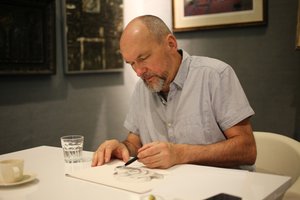
Jacek Yerka
1952 - , Poola
Lühikest infot
- Kunstiliikumine: Surrealism
- Kuulsad Teosed:
- Angels' Kitchen
- Wegener's Theory
- Mõjutajad:
- Bosch
- Bruegel
- Van Eyck
- Rahvus: Poolakas
- Sünnakoht: Toruń, Poola
- Sünniaeg: 1952
- Täisnimi: Jacek Yerka
Sarnased artiklid
Divine Beauty: A Curated Guide to the Celestial Majesty of Angelic Figures in Art History
Explore the profound beauty of angelic figures in art history. From Renaissance masterpieces to celestial symbolism, our expert guide offers a sophisticated journey through the divine imagery of the Old Masters for discerning collectors and art enthusiasts.

Celestial Messengers: Angels in Painting – A Historical & Artistic Exploration
Explore the captivating history of angels in painting! Discover symbolism, iconic Renaissance & Byzantine masterpieces, and renowned artists. Expert insights for art lovers & collectors at OriginalUniqueArt.

Jacek Yerka: Surreal Visions & Nostalgia in Contemporary Polish Painting
Explore the captivating surreal worlds of Jacek Yerka, a leading Polish painter renowned for his meticulous Flemish technique & dreamlike landscapes. Discover his unique style and learn about collecting this exceptional artist's work.
Surrealist Painting Masterpieces: 10 Artworks That Redefined Reality | OriginalUniqueArt
Journey into the dreamlike world of Surrealism! Explore 10 masterpieces by Dali, Magritte & Miró that redefined art. Discover their stories & find museum-quality reproductions to elevate your home decor on OriginalUniqueArt.com.

Celestial Messengers: A Comprehensive Exploration of Angelic Representation in Art History
Explore the captivating history of angels in art! Discover symbolism, iconic Renaissance masterpieces & renowned artists. Expert insights for art lovers & collectors at OriginalUniqueArt.