

 Vaata sisu
 Jaga teost
 Jaga
Jaga
 Detailid
 Õppekate juhend

 Laadi alla
 Sarnased teosed
 Röntgenuuring
 Slaidietendus
 Statistika
Cairo at Night

 Loe lähemalt
Ostke kõrglahutusel ja täiustatud digitaalne pilt, mis on oluliselt parem kui veebilehel näidatud eelvaade.
Iga fail on meie spetsialistide poolt hoolikalt ette valmistatud, kasutades kaasaegseid tööriistu ja professionaalset käsitsi retušeerimist. Tagame, et igal pildil on erakordne selgus, täpne värvitäpsus ja peen detail.
Lõplik fail saadetakse e-posti teel 72 tunni jooksul ning on optimeeritud koheseks kasutamiseks professionaalsetes, toimetuslikes ja trüki keskkondades. See on sama kvaliteet, mida usaldavad tipptasemel disainistuudiod, kirjastused ja galeriid.
Digitaalne pilt
Laadi alla kõrge resolutsiooniga fail isiklikuks vaatamiseks, trükkimiseks ja loomingulisteks projektideks. ( Lülita trükkitoodetele Telli käsitsi maalitud reproduktsioon)
Sisse kuulub iga digitaalse pildi tellimusega
Professionaalne digitaalne kohaletoimetamine, garanteeritud
Valides OriginalUniqueArt.com, ei saa sa lihtsalt pilti – saad professionaalselt parandatud digitaalse teose, mida on valmistatud täpsusega ja mis on toetatud rahuldamatusgarantiiga. Siin on kõik, mis sinu tellimusega automaatselt kaasneb:

Kiire e-posti edastus
Teie kõrge resolutsiooniga digitaalne pildifail saadetakse teile e-posti 72 tunni jooksul pärast tellimist – kohe kasutamiseks valmis.

Tehisintellektiga täiustatud digitaalne fail
Teie teos on professionaalselt optimeeritud arenenud tehisintellekti tööriistade ja käsitsi redigeerimise abil, tagades maksimaalse detailitaseme, selguse ja värvitäpsuse.

Tasuta eluaegne uuesti saatmine
Kas kustutasid faili kogukalu unustamisel või kustutamisel? Puudub mure – saad selle uuesti igal ajal ilma lisatasuta.

Puuduvad importimaksud – alati
Nautige oma teoseid koheselt ilma tolli-, maksude või tarnimaskuludeta – digiletchargused on alati maksuvabadud.

Värvitäpsuse garantii
Me tagame, et teie digitaalne pilt kajastaks originaali värve professionaalsete tööriistade ja värvihalduse abil võimalikult täpselt.

100 päeva rahuldamatuse garantii
Kui te ei ole oma digitaalse pildi eest rahul, siis me parandame seda või tagastame 100% summast 100 päeva jooksul – küsimusteta.

100% raha tagastamise garantii
Ei ole rahul? Saate täielise tagastaja 100 päeva jooksul pärast digitaalse faili kättesaamist – ilma küsimusteta.

Suurema tellimuse soodustused
Osta 3 pilti, säästa 10% - Osta 5, säästa 15% - Osta 10+, säästa 20%. Sobib suurepäraselt loomingulisteks projektideks, galeriideks ja agentuurideks.
A Nocturnal Vision: Exploring Ivan Fodorovich Choultsé's "Cairo at Night"
Ivan Fedorovich Choultsé’s “Cairo at Night” offers a captivating glimpse into the heart of an ancient city bathed in the ethereal glow of moonlight and starlight. This evocative painting transcends mere representation, inviting viewers to experience the quiet mystery and subtle drama of a desert settlement under the vast expanse of the night sky. The artwork's enduring appeal lies not only in its technical skill but also in its ability to evoke a sense of solitude, journey, and timelessness.
Subject & Style: Realism Meets Impressionistic Mood
The painting depicts a scene within what appears to be an arid or desert landscape, likely representing a village or settlement near Cairo. The composition is dominated by rough-hewn stone buildings, silhouetted palm trees reaching towards the dark sky, and figures clad in white garments moving purposefully toward the viewer. Choultsé’s style blends elements of realism with an impressionistic treatment. While architectural forms are clearly defined through careful use of lines and perspective, the overall effect prioritizes mood and atmosphere over precise detail. The geometric shapes – rectangular buildings, rounded palm trunks, and simplified human figures – contribute to a sense of order within the nocturnal scene. The visible brushwork and textured surfaces suggest an oil painting technique, adding depth and materiality to the image.
Technique & Historical Context: Arctic Influences and Artistic Lineage
“Cairo at Night” showcases Choultsé’s mastery of light and shadow, creating a dramatic nocturnal atmosphere. The strong contrasts highlight key elements while enveloping the scene in an overall sense of mystery. Choultsé's artistic journey was significantly shaped by his mentors, Constantin Jakovlevich Kryzhitsky, Arkhip Ivanovich Kuindzhi, and Alexander Calame. Notably, Choultsé’s travels to Spitzbergen with Kryzhitsky profoundly influenced his landscape painting style, imbuing it with a sensitivity to light and atmosphere reminiscent of Arctic scenes. While this work depicts a distinctly different locale than his arctic landscapes, the same attention to capturing atmospheric effects is evident. The early 20th-century setting reflects a period when artists were increasingly exploring realism while embracing impressionistic techniques to convey emotional depth.
Symbolism & Emotional Impact: Solitude and the Journey
Beyond its visual appeal, “Cairo at Night” carries subtle symbolic weight. The figures moving towards the viewer suggest a sense of journey or pilgrimage, perhaps representing a spiritual quest or a search for something beyond the immediate surroundings. The isolation of the settlement under the vast starry sky evokes feelings of solitude and introspection. The muted color palette and dramatic lighting contribute to an overall mood of quiet contemplation. Viewers are invited to reflect on themes of human resilience, the passage of time, and the enduring beauty of the natural world. This painting isn't just a depiction of a place; it’s an exploration of the human condition within a timeless landscape.
A Timeless Addition: Bringing "Cairo at Night" into Your Space
“Cairo at Night” is more than just a beautiful image; it’s a window into another time and place, offering a moment of quiet reflection. A hand-painted reproduction allows you to experience the artistry and emotional depth of Choultsé's work firsthand, bringing a touch of timeless elegance and captivating atmosphere to any interior space. Whether displayed in a living room, study, or bedroom, this painting is sure to spark conversation and inspire contemplation.
Kunstniku biograafia
Valgusest ja arktilisest realismist meistri
Ivan Fedorovich Choultsé seisab veniliku maalikukunsti annals unikaalse nägu asend<: virtuoos, kellel oli haruldane võime muuta valguse ülemiklikud omadused püsivaks ja hingustoppavaks teevuseks. Sündinud Saint Petersburgis 1874. aastal saksa päritolu peresse, su varajane elu järgnes teele, mis oli kuraatorist ja maalistusest kaugel; alguses t pursuitas ta ranget haridust elektrikurbuurimeeste valdkonnas. Kuid selle tehnilise aluse all peitus pühendunud, kasvav armastus looduse vastu. See unikaalne teekel teadusliku täpsuse ja kunstilise tundlikkuse ristteel becomeks hiljem tema stiili tunnusmärk, võimaldades tal tabada planeedi atmosfäärilisi nüansse peaaegu fotograafilise täpsusega, mis tundus sügavalt elav.
Choultsé karjääri traject muutus drastiliselt, kui ta esitas kolmekümnena oma varajased maastikuuuringud austatud Constantin Jakovlevich Kryzhitskyle. Venetsia Fine Arts Akadeemia prominentne liige, Kryzhitsky, tunnistas sügavale peitnud talenti ja kutsus noort insinööri oma kunstilist koolitust vormalistama. Selle mentorlusel liikus Choultsé kaugemale isekordlustest, omastades atmosfäärilise perspektiivi printsiipe ja emotsionaalset sügavust, mida edaldasid meistrid nagu Arkhip Ivanovich Kuindzhi. Ta õppis mitte lihtsalt loodust kujundama, vaid tabama maastiku hinget läbi varju, udu ja sära peeneks mänguks.
Ekspeditsioonid sublimeeritud maailma
Choultsé loomingulise tegevuse määrava ajastu algus oli 1910. aastal, pärast transformatiivset ekspeditsiooni Spitsbergi arktilisele saarustikule. Reisides koos oma mentori Kryzhitskyga, kohtas Choulud Põhjuse toores ja armatu väärikuses, kogemus, mis kinnitas tema mainet arktilise realismi pioneerina. Datskiy ja Medvezhiy nagu saarte lootusetud, kuid suurejoonulised vaated said tema peamisteks musadest. Nendes teostes saavutas kunstnik midagi erakordset: ta kujendas jäämaastike lõikavat külma ja kristallselgust nii hoolikalt, et vaataja saab kuju kargust polaarõhu kohta peaaegu tunda.
Tema meistriklassis laiemaks ulatus ka arktika külgetest piiridest. Choultsé omas mitmekülgist silma, mis leidis võrdset ilu nii päikeseloote Šviitsi Alpidel, Prantsuse maapiirkonna lopsakas rohelisuses kui ka kaugelemal asuvate maadade kütkestavates öises müstikates. Tema võime manipuleerida valgust — olgu see siis päikeseloojangu soe, kuldne loits peegeldumas rahulikul jõega või eeteriline, hõbedane kuuvalgus, mis vannib muistset linna nagu Kairos — võimaldas tal luua teoseid, mis olid nii geograafiliselt täpsed kui ka universaalselt emotsionaalsed. See tehniline võime tõi talle tohutut prestiiži, tehes temast lemmiku tsaari õukonnas ja tagades hiljem tema tunnustuse Pariisi ja New Yorki presteessetes kunstisalongides.
Luminotse realismi pärand
Ivan Choultsé ajalooline tähtsus peitub tema võimes ühendada range realismi ja poeetilise impressionismi. Kuigi tema teemad olid juurdunud maailma käegakontakteeritavas reaalsuses, oli tema täidesõlm vaimust kantud, ületades pelgama dokumenteerimist. Tema maalid toimivad akenina kadunud uurimise ja avastamise ajastusse, tabades maastikke, mis tunduvad korvpallitult ajatuud ja intensiivselt kohalolevad.
Choultsé püsiva mõju arvitades võiks kaaluda tema kunstilise identiteedi järgmist põdenust:
- Tehniline täpsus: tema insinööri taust integratsioon distsiplineeritud lähenemismeetodina valgusest, varjust ja perspektiivist.
- Atmosfääriline meistriklassis: võime kujutada erinevaid valguse seisundeid, alates kõige pehmemast hommikustaudest kuni kõrge päeva draamatilise sära kuni.
- Geograafiline laius: repertuaar, mis ulatus külma arktilise metsiku maastikust kuni Euroopa ja Põhja-Aafrika sooje ajaloolistesse vaadetesse.
- Emotsionaalne resonants: võime tekitada üksust, rahu ja looduse üleülendavat jõudu läbi realistliku kaasaegse linssi.
Tänapäeval on Choultsé teosed väga otsitud kollektsioonide seas, kes igatsevad sügavat rahu, mida tema vaated pakuvad. Ta jääb sublimeeritud meistriks, kunstnikuks, kes ei måalistanud maailma vaid sellisena, nagu see ilmus, vaid sellisena, nagu see tundus valguse muutlikku puudutust.
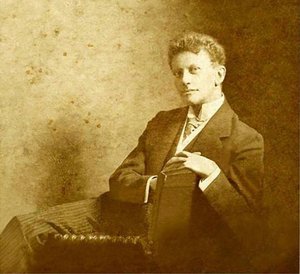
Ivan Fedorovõtš Choultsé
1875 - 1932 , Vene
Kiired faktid
- Artistic Movement Or Style: Realistlik maastikupaitur
- Artists Or Movements Influenced By This Artist: ['Tsaari Venemaa kunst']
- Artists Who Influenced This Artist:
- Constantin Kryzhitsky
- Arkhip Kuindzhi
- Alexander Calame
- Date Of Birth: Sankt Peterburg, Venemaa (1875)
- Date Of Death: 1932
- Full Name: Ivan Fedorovich Choultsé
- Nationality: Venemaa
- Notable Artworks:
- Sunset and River
- Janvier Chamonix, Haute Savoie
- Cairo at Night
- Place Of Birth: Sankt Peterburg