Surrealism · 1969
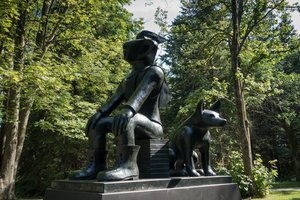
Dragon Head (Ivan Eyre, 1969)
Ivan Eyre (1935–2022) on loonud teose Dragon Head. See on pärinev 1969 aastast. See kuulub Surrealism suuntrime. Mõõdud on 157 × 157 cm.
- 1969
- 157 × 157 cm

 Eelvaade

 Käsitsi maalatud õlimaalatsioon
 Saada
 Jaga
 Teave teose kohta


 Laadi alla
 Sarnased teosed
 Röntgenuuring
 Slaidietendus
 KÜSIMUSED JA VASTUSID

 Statistika
Dragon Head lühidalt
- Pealkiri
- Dragon Head
- Kunstnik
- Ivan Eyre (1935–2022)
- Kunstnik on sündinud
- Saskatchewan, Canada
- Kuupäev
- 1969
- Mõõtmed
- 157 × 157 cm
- Suunad
- Surrealism
Dragon Head kõrge resolutsiooniga pildid

Protected by copyright: these files are for personal reference, not a licence to republish.
Ivan Eyre, Dragon Head (1969).
Küsimused teemal Dragon Head – vastused
Mis aastal loodi teos „Dragon Head“, autor Ivan Eyre?
Teos "Dragon Head" on pärit aastast 1969. See ajastu aitab mõista teost Ivan Eyre karjääri ja selle ajastu kontekstis.
Mis on originaalteose „Dragon Head“, autor Ivan Eyre mõõdud?
Originaalteose „Dragon Head“, autor Ivan Eyre mõõdud on 157 x 157 cm.
Kas teos „Dragon Head“, autor Ivan Eyre kuulub avalikku omandisse?
Tegijateõiguse osas on teos "Dragon Head" kuuluv klassifikatsiooni alla: on endiselt autoriõiguse all under kaitse.
Kes on teose "Dragon Head" looja?
Teose "Dragon Head" loovija on Ivan Eyre. Selle lehe info kirjeldab Ivan Eyre algteost.
Millisse kunstisuuna kuulub teos „Dragon Head“, autor Ivan Eyre?
Teos „Dragon Head“, autor Ivan Eyre kuulub Surrealism suunasse. See suund annab teosele stilistilise konteksti.
Mis vanuses loos Ivan Eyre teose "Dragon Head"?
Kui teos "Dragon Head" loodi aastal 1969, oli Ivan Eyre (sündinud aastal 1935) 34 aastane.
Kas Ivan Eyre teos "Dragon Head" kuulub avalikku omandisse ja miks?
„Dragon Head“, autor Ivan Eyre on on endiselt autoriõiguse all under kaitse. Tegijakeskuse kaitse kestus arvatakse kunstniku surmaajaest, mis toimus aastal 2022.
Kunstnikust, Ivan Eyre
1935–2022, Canada
Ivan Eyre
A Prairie Visionary: The Life and Art of Ivan Eyre Ivan Kenneth Eyre, who passed away in November 2022 at the age of 87, was a profoundly important figure in Canadian art—a painter, sculptor, and educator whose work resonated with the vastness and subtle power of the prairie landscape. Born in the small Saskatchewan community of Tulymétik in 1935, Eyre’s artistic journey wasn't simply about depicting what he saw, but about translating a deeply felt connection to place into a visual language that explored existential themes and the complexities of human experience. His early life, marked by moves across the prairies—from Red Deer, Alberta, to Saskatoon—instilled in him an intimate understanding of the land’s character: its solitude, its ever-changing light, and its capacity for both beauty and starkness. This formative connection would become the bedrock of his artistic expression.
Ka Ivan Eyre teosed
 White Collar1969
 Chorus1969
 White Flashing1969
 Touchwood Hills1972
Essee teemadel Dragon Head
 Max Ernsti 25 parimat teost: Surrealismi meistriteosed teie interjööriAvastage Max Ernsti 25 parimat teost! Sukelduge surrealismi ja dadaismi maailma, tutvuge kunstniku lugude ja tehnikatega. Leidke täiuslik m…
 Dada vs. Surrealism: Distinguishing the Revolt from the DreamMaster the key differences between Dada and Surrealism through expert historical analysis. Discover the true meaning behind the revolt.
 Surrealism Reborn: AI Transforms Personal Photos into Dali-Inspired MasterpiecesDiscover how AI transforms your photos into stunning surrealist masterpieces inspired by Dalí. Explore the art of dreamlike creation with e…