
 Eelvaade
 Saada
Saada Jaga
Jaga
 Teave teose kohta

 Laadi alla
 Sarnased teosed
 Röntgenuuring
 Slaidietendus
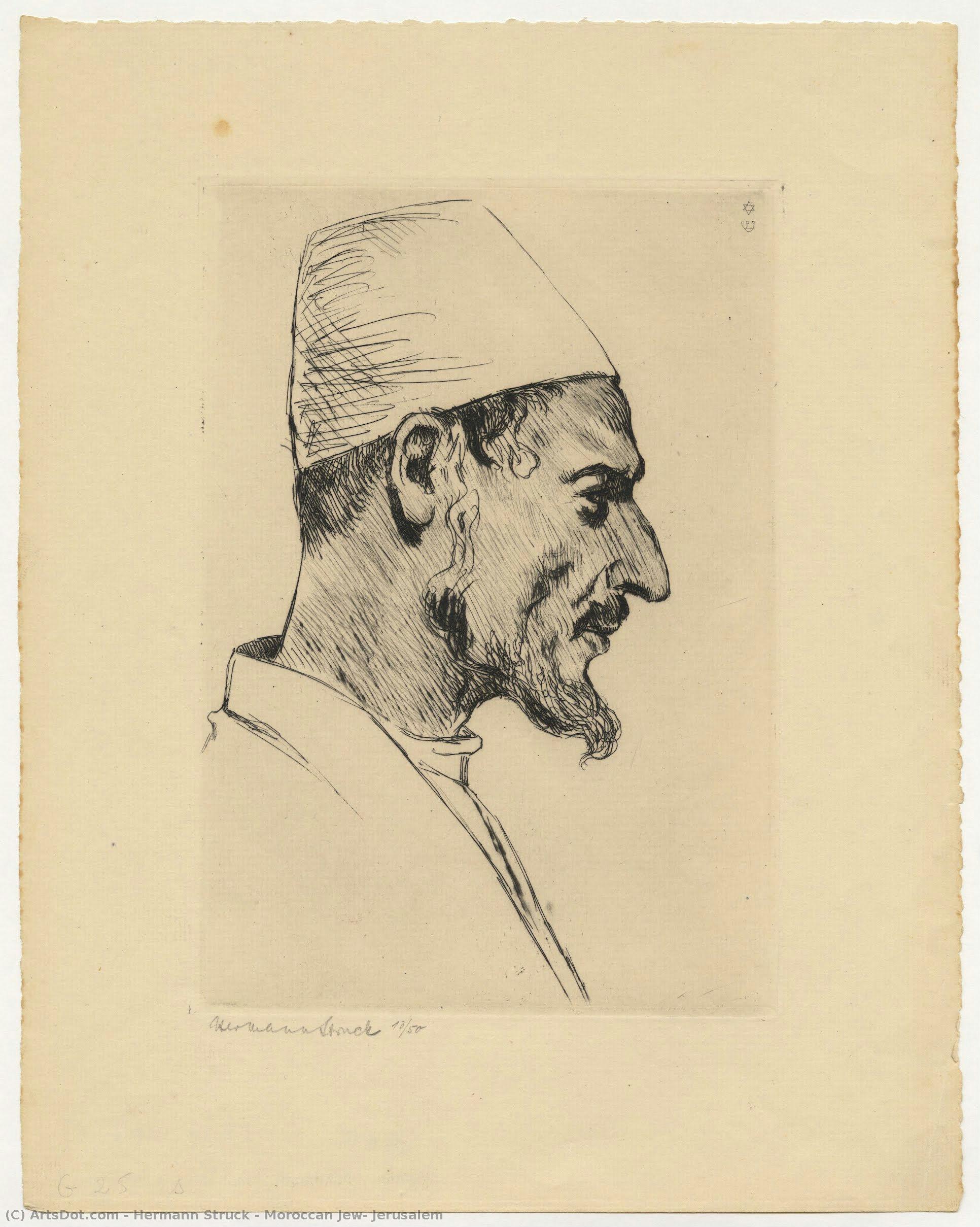
Moroccan Jew, Jerusalem
 Ink On Paper
- Contemporary Realism
 1900
1900- 19th Century
 23.0 x 29.0 cm
 Leo Baeck Institute
 Loe lähemalt
Giclée / Kunstiprint
Muuseumikvaliteediga giclée- või kangasprint kiire tootmisega ja paindlikud viimistlusvõimalused. ( Osta käsitsi maalitud maal Osta pilt)




P118B $10

P118H $10

P118W $10

P438Z $10

P508JH $12

P508YH $12

P805H $10

P805Z $10

P919BZ $10

P919G $10

P919XJ $10

P959ZH $10

P968JZ $12

W106C $8

W218G $10

W218JH $8

W218Y $10

W307PJ $10

W316G $10

W316PJ $8

W316Y $10

W398PJ $8

W4111J $10

W500HY $15

W500JH $15

W692G $12

W849H $8

W940BG $15

W953PJ $8




Vali meie eelmääratud suurused, mis vastavad teose algupärastele proportsioonidele.

Saate sisestada oma mõõdud, et need sobiks konkreetse raami või ruumi sisse. Kui valitud suurus ei vasta originaalteose proportsioonidele, lõigame teose ära või laiendame pilti peegeldatud või ühtlase servaga. Enne tootmisprotsessi algust saadetakse Teie kinnitamiseks digitaalne näidis.
Palun märka, et ekraanil kuvatav eelvaade ei kajasta tegelikku lõigamist või laiendamist. Ainult näidis kujutab täpselt lõplikku kompositsiooni.
Kuigi erimõõdu on saadaval, soovitame originaaproportsioonide säilitamiseks valida mõõt ette määratud nimekirjast.
Ülemaailmne tarne () 2 nädala jooksul, tavalise 4/5 nädala asemel. (18 august)

Tasuta ekspresssaatmine üle maailma

Kõrgekvaliteediline linakangas

Täielik transpordikindlustus

Tollimaksude tagastamise garantii

Värvitoime täpsuse garantii

60-päevane tagastusõig: ainult tootmisdefektide korral

100% raha tagasi garantii

Hulgusoodustus
 Klaasivalik on saadaval ainult suuruses kuni 110 cm

Moroccan Jew, Jerusalem
Giclée / Kunstiprint
Reproduktsiooni suurus
-


Kogusumma
$ 80
Kogumuse kirjeldus
A Glimpse into the Soul of Jerusalem
In the delicate, monochromatic world of Hermann Struck’s Moroccan Jew, Jerusalem, time seems to suspend itself within the fine strokes of a pen. Created in 1900, this exquisite drawing serves as more than just a portrait; it is a profound window into a vanishing era and a specific cultural identity. The subject, captured in a dignified profile, wears the traditional turban and head coverings characteristic of North African Jewish heritage, grounding the viewer in the historical tapestry of Jerusalem at the turn of the century. Struck, a master of line, does not merely depict a face; he captures a presence that feels both intimately personal and historically monumental.
The emotional resonance of the piece lies in its quietude. There is a sense of contemplative stillness emanating from the subject’s gaze, inviting the observer to pause and reflect. For the collector or the lover of fine art, this work offers a moment of meditative peace. The subtle interplay of light and shadow across the contours of the man's features evokes a feeling of reverence, making it an ideal centerpiece for a space dedicated to thought, history, or cultural appreciation.
Mastery of Line and Ink
Technically, Moroccan Jew, Jerusalem is a triumph of precision and patience. Struck utilizes the medium of pen and ink with the expertise of a seasoned etcher, employing meticulous hatching and stippling to build volume where there is no color. The artist’s hand is visible in every varying line weight, which creates a sculptural depth across the subject's brow, nose, and beard. This technique allows for a remarkable level of realism while maintaining a stylized, almost graphic elegance that prevents the portrait from feeling like a mere photographic reproduction.
The texture of the work is particularly captivating for those with an eye for detail. The way the ink settles into the paper creates a sense of organic warmth, despite the lack of a palette. Through careful cross-hatching, Struck achieves a sophisticated tonal range that suggests the soft folds of fabric and the ruggedness of skin. This mastery of monochrome makes the piece exceptionally versatile for interior design; its neutral, classic tones allow it to integrate seamlessly into both contemporary minimalist settings and more traditional, opulent decors.
A Legacy of Identity and Artistry
To understand this artwork is to understand the broader context of Hermann Struck’s life and his role in the Zionist art movement. As a German-Jewish artist who would later become a pivotal figure in documenting prominent figures like Albert Einstein and Theodor Herzl, Struck possessed a unique ability to capture the essence of human dignity. This portrait is part of that larger mission—to document the faces, landscapes, and spirits of a people and their connection to sacred lands.
For an interior designer or a discerning collector, acquiring a reproduction of this caliber means bringing a piece of art history into the home. It is a work that speaks of heritage, resilience, and the enduring power of the human spirit. Whether displayed in a private study, a sophisticated gallery wall, or a curated living space, Moroccan Jew, Jerusalem acts as a conversation starter, bridging the gap between the historical significance of the early 20th century and the aesthetic demands of the modern era.
Kunstniku elulugu
varajane elu ja haridus
Hermann Struck, tuntud saksas-juudi kunstnik, sündis 6. märtsil 1876 Berliinis, Saksamaal. Ta õppis Berliini kunstakadeemias, kus ta täisasendas oma oskusi maalias ja etsningis.kunstiline karjäär
Strucki kunstiline karjäär oli iseloomulik tema erakordsele talentile litograafias ja etningis, mis kujistasid sageli juudi teemasid ja maastikke. Tema tööd olid laialdaselt tunnustatud ning ta sai austatud tegelaseks kunstimaailmas. Eriti märkimisväärne on Strucki aastal 1eks välja antud teos "Die Kunst des Radierens" ("Etsingite kunst"), mis oli oluline teos, pakkudes nii teoretilisi kui ka praktilisi juhiseid.olulised teosed ja seosed
mõned Strucki silmapaistvad teosed hõlmavad:- Ibseni, Nietzsche'i, Freudi, Albert Einsteini, Herzli ja Oscar Wilde'i portreede, mis näitavad tema võimet tabada silmapaistvate isikute olemust.
- tema reiside maastikuetsingud, mis demonstreerivad tema oskust tabada looduse ilu.
- tellimusportreede, sealhulgas Theodor Herzli portreeti, mis sai sionismi ikooniliseks esituseks.
sionistlik aktivism ja sõjaline teenistus
Struck oli innuka sionist ja juudi aktivist. Ta külastas Iisraeli maad aastal 1903 ning esitas oma kunsti viendal sionistlikul kongressil. Esimese maailmasõja ajal teenis ta tõlgina, sideohvitserina ja sõnikunstnikuna.pärand ja hilisem elu
Strucki pärand on säilitatud tema arvukatest etningest ja maalidest, mida saab leida erinevatest muuseumidest, sealhulgas Kaiser-Wilhelm-Museumist (Krefeld, Saksamaa). Ta surmas 11. jaanuaril 1944 Haifa, Israelis.vaadake Strucki kunsti OriginalUniqueArt platvormil
avastage Hermann Strucki kunstiteosed OriginalUniqueArt lehel, mis pakub kogumust tema etningest ja maalidest. Lisateabe saamiseks Strucki elu ja tööst külastage Wikipedia lehte. avastage Hermann Strucki kunsti:
Hermann Struck
1876 - 1944 , Saksamaa
Lühikesed faktid
- Artistic Movement Or Style: Litografiad, etsingud
- Artists Or Movements Influenced By This Artist: ['Marc Chagall']
- Artists Who Influenced This Artist: ['Jozef Israëls']
- Date Of Birth: 6. märts 1876
- Date Of Death: 11. jaanuar 1944
- Full Name: Hermann Struck
- Nationality: Saksas-juut
- Notable Artworks:
- The Blind Beggar
- Central Park, NY
- Duomo Florence
- Place Of Birth: Berliin, Saksamaa
Seotud artiklid
The Alchemy of Ink: Mastering the Timeless Beauty and Art History of Paper and Brush
Embark on a sophisticated exploration of ink wash painting and Sumi-e. Uncover the profound historical lineages, Zen philosophies, and technical mastery behind this timeless medium in our authoritative guide for fine art enthusiasts.

Ephemeral Expressions: Exploring the Nuances of Ink on Paper Through History & Contemporary Art
Explore the captivating world of ink wash painting – from its ancient origins to contemporary masters. Discover techniques, symbolism & conservation insights with OriginalUniqueArt.com.

Mastering Ink on Paper: The Timeless Art of Precision, Flow, and Calligraphic Heritage
Explore the profound mastery of ink on paper. From Japanese haiku traditions to Ming Dynasty calligraphy, discover the delicate balance of precision and flow that defines this timeless art form through an expert historical lens.
Ephemeral Lines: Exploring Emotional Resonance in Ink Sketching Traditions
Explore the profound art of ink sketching! Discover techniques to express emotion, master line work, and cultivate artistic sensitivity. Learn from historical masters & unlock your creative potential.
Mastering the Flow: The Timeless Art of Ink on Paper and the Legacy of Calligraphic Mastery
Explore the profound elegance of ink on paper. From the rhythmic running script of the Ming Dynasty to Zen-inspired haiku, discover the history, technique, and meditative mastery behind the world's most timeless calligraphic traditions.

