

 Vaata sisu
 Jaga teost
 Jaga
Jaga
 Detailid
 Õppekate juhend

 Laadi alla
 Sarnased teosed
 Röntgenuuring
 Slaidietendus
 Statistika
Sir Walter Scott


 Loe lähemalt
Giclée / Kunstiprint
Muuseumikvaliteediga giclée- või kangasprint kiire tootmisega ja paindlikud viimistlusvõimalused. ( Telli käsitsi maalitud reproduktsioon Ülemineku digitaalse pildi müügi kanalisse)




P118B €10

P118H €10

P118W €10

P438Z €10

P508JH €12

P508YH €12

P805H €10

P805Z €10

P919BZ €10

P919G €10

P919XJ €10

P959ZH €10

P968JZ €12

W106C €8

W218G €10

W218JH €8

W218Y €10

W307PJ €10

W316G €10

W316PJ €8

W316Y €10

W398PJ €8

W4111J €10

W500HY €15

W500JH €15

W692G €12

W849H €8

W940BG €15

W953PJ €8




Vali meie eelmääratud suurused, mis vastavad teose algupärastele proportsioonidele.

Sisestage vajalik laius ja kõrgus, et see sobiks teie raamile või seinale. Trükki saab ainult lõigata, seda ei saa kunagi pildist suuremaks teha, seega ka differentse vormiga suurus kaotab osa pildist. Enne trükkimist saadame teile kinnitamiseks digitaalse näidisprojektsiooni. Sellel lehel näidatud pilt ei kujuta reaalset lõiget — seda näitab ainult näidisprojekttsioon.
Ülemaailmne tarne () 2 nädala jooksul, tavalise 4/5 nädala asemel. (24 oktoober)

Tasuta ekspresssaatmine üle maailma

Kõrgekvaliteediline lina-kangastest muld

Täielik transpordikindlustus

Tollimaksude tagastamise garantii

Värvitoime täpsuse garantii

100 päeva tagastusõigus (ainult defektide korral)

100% raha tagasi garantii

Hulgusoodustus
 Klaasivalik on saadaval ainult kuni 110 cm suuruses teostes

Sir Walter Scott
Giclée / Kunstiprint
Reproduktsiooni mõõtmed
-


Lõppsumma
€ 70
Sir Walter Scott, A Portrait of Romanticism
Henry Raeburn’s “Portrait of Sir Walter Scott” is more than just a likeness; it's a carefully constructed tableau of Scottish identity and the burgeoning spirit of the Romantic era. Completed in 1822, this iconic painting captures not merely the physical appearance of the celebrated novelist but also his intellectual presence, his connection to the land, and the weight of his literary legacy. The portrait immediately draws the eye with its dramatic lighting – a chiaroscuro technique borrowed from Caravaggio – that sculpts Scott’s features and imbues the scene with an almost theatrical intensity. The dark background serves not as mere backdrop but as a deliberate framing device, intensifying the focus on the subject and suggesting a world of stories waiting to be unveiled.
Raeburn's masterful handling of texture is equally compelling. The rich velvet of Scott’s robe, the worn leather of his slippers, and even the subtle sheen of his spectacles are rendered with painstaking detail. This meticulous realism, however, isn’t simply about accurate representation; it’s a deliberate choice to ground the portrait in the tangible world – a world that Scott so vividly brought to life through his novels. The inclusion of Maida, Scott's beloved terrier, nestled at his feet adds an element of warmth and domesticity, subtly hinting at the author’s deep connection to nature and his appreciation for simple pleasures.
The Context of a Literary Icon
Sir Walter Scott (1771-1832) was arguably the most influential novelist of his time. His works – *Waverley*, *Rob Roy*, *Ivanhoe* – not only popularized the historical novel but also played a crucial role in shaping Scottish national identity and fostering a renewed interest in its rich folklore and traditions. Raeburn, as Portrait Painter to King George IV in Scotland, was tasked with immortalizing this literary giant, and he understood that the portrait needed to convey more than just Scott’s appearance; it had to embody his spirit and legacy.
The painting was commissioned during a period of significant social and political change in Britain. The Napoleonic Wars were drawing to a close, and there was a growing sense of national pride and a desire to celebrate British achievements. Scott's success coincided with this mood, and his portraits became symbols of Scottish cultural prestige. Furthermore, the portrait’s creation coincided with Raeburn’s own rising fame; it cemented his position as one of Scotland’s most important artists.
A Study in Light and Character
Raeburn's technique is characterized by a remarkable ability to capture character through subtle details. Scott’s gaze, direct and intelligent, invites the viewer into his world. His slightly furrowed brow suggests deep thought, while the hint of a smile hints at wit and wisdom. The artist skillfully uses light and shadow to define Scott’s features, creating a sense of depth and volume that is both realistic and expressive.
The composition itself is carefully considered. Scott is positioned slightly off-center, drawing the eye across the canvas and creating a dynamic visual balance. The arrangement of his clothing – the velvet robe, the leather slippers, the spectacles – contributes to the overall sense of character and reinforces Scott’s status as a man of both refinement and practicality. Notice how Raeburn has used the light to highlight the texture of the fabrics, adding another layer of richness and detail to the portrait.
Symbolism and Enduring Legacy
Beyond its technical brilliance, “Portrait of Sir Walter Scott” is rich in symbolism. The dog Maida represents loyalty and companionship – qualities that were highly valued by Scott himself. The books stacked on a nearby table suggest his lifelong devotion to literature and scholarship. And the overall atmosphere of quiet contemplation reflects Scott’s role as a storyteller and a chronicler of Scottish history.
Today, this painting remains one of Raeburn's most celebrated works and a powerful symbol of Scottish culture. It is housed in the National Gallery of Scotland in Edinburgh, where it continues to captivate viewers with its beauty, its insight, and its enduring legacy. Reproductions offer an accessible way to experience the artistry and historical significance of this remarkable portrait, bringing the spirit of Sir Walter Scott into any space.
Küsimused ja vastused
Kas ma saan enne ostmist näha teost „Sir Walter Scott“, autor Henry Raeburn oma seinal?
Teosele "Sir Walter Scott" on saadaval täiendatud reaalne eelvaade: teose AR-eelvaade leht näitab seda teie enda ruumis ühilduval seadmel.
Mille kohta on teos "Sir Walter Scott" ja milline on selle atmosfer?
Teos "Sir Walter Scott" kujutab teemasid portrait, scotland, novelist, raeburn, scott, 1822, british ning selle meeleolu on Romantic.
Kui eraldavad teose "Sir Walter Scott" värvid?
Teose „Sir Walter Scott“, autor Henry Raeburn värvitoit on Muted kütkusega ja Monochromatic intensiivsusega.
Kunstniku elulugu
Šoti Realismi Meister: Sir Henry Raeburni Elu ja Kunst
Sir Henry Raeburn sündis 1756. aastal Šotimaa valgustusajastu õitseajal ning kujunes Briti portreekunstis oluliseks figuuriks. Tema lugu on enesejuhitud kunstipraktika näide, tõustes tagasihoidlikest algustest rahvusvahelise tunnustuse ja kuningliku patroonage saavutamiseni. Raeburn jäi noorelt orvuks ning tema varajast elu kujundas venna William toetus, kes kindlustas talle hariduse Edinburgh’s Heriot’s Hospitalis. See alus osutus otsustavaks, kuigi tema esimene tee ei viinud otse lõuendi ja pintslite juurde, vaid James Gillilandi õpetusse kullasseppade kunsti valdkonnas. Just selles täpsuse ja rafineeritud oskuste maailmas Raeburn lihvis täpsust, mis hiljem määras tema kunstipildi. Ta alustas miniatuurportreede loomist elevandiluul, demonstreerides kaasasündinud annet sarnasuste tabamiseks hämmastava täpsusega. Kuid ei läbinud kaua aega, kui suurema mahuga õlimaalide võlu teda kutsuma hakkas ning ta julges alustada eneseõppereisi selle nõudlikuma meediumi vallandamisel.Miniatuur Täpsusest Suurejoonelise Portreekunstini
Raeburni kunstiline areng oli märk täpsuse otsingutest. Ta omandas teadmisi David Martinilt, Edinburgh’s juhtival portreekunstnikul, kes oli olnud Allan Ramsay assistent, kuid tugines suurel määral oma pühendumisele ja vaatlusele. Tema varased tööd näitavad arenevat talenti, kuid just järjekindla praktika ja terava silma abil ta hakkas end eristama. Murranguline hetk saabus 1778. aastal tema abieluga Ann Edgariga, jõuka lesega. See liit andis finantsilise stabiilsuse, võimaldades Raeburnil täielikult pühenduda maalimisest ilma kaubanduslike kohustuste piiranguteta. Ta sukeldus meistrite teoste uurimisse nagu Joshua Reynolds, kellega ta kohtus lühikese viibimise ajal Londonis teel Itaaliasse – kuigi itaalia reis jäi lõpuks pooleli. Raeburni stiil hakkas koonduma võimsa realismi ümber, mida iseloomustas dramaatiline valgustus ja oskus tabada mitte ainult füüsiline sarnasus, vaid ka istujate sisemine karakter. Ta loobus ajale tavapärasest pehmematest ja idealiseeritud kujutustest, eelistades otsekohesust ja ausust, mis resoneerisid šoti tundlikkusega.Karakteri Tabamine: Raeburni Kunstiline Allkiri
Raeburni portreed ei ole pelgalt üksikisikute esitused; need on õlimaalides renderdatud psühholoogilised uuringud. Tal oli erakordne võime edasi anda oma subjektide isiksust, staatust ja meeleolu. Tema tehnika oli meisterlik – täpsse vaatluse, enesekindla pintslikäsitsemise ja valguse ja varju keeruka arusaama kombinatsioon. Näiteks The Young Polo Player ei ole lihtsalt sportlase kujutus; see on noorusliku elujõu ja aristokraatliku vaba aja hetk. Samuti tema portree Alexander Allanist, silmapaistvast figuurist šoti kunstis, paljastab intellekti ja rafineeritud mehe. Raeburni chiaroscuro kasutamine – dramaatiline kontrast valguse ja varju vahel – sai tema stiili tunnusjooneks, andes sügavust ja intensiivsust tema kompositsioonidele. Ta paigutas oma subjekte sageli tumedate taustade ette, võimaldades nende nägude ja figuuride esile kerkida silmatorkava selgusena. See tehnika ei tõhustanud mitte ainult tema portreede visuaalset mõju, vaid aitas ka keskenduda indiviidi karakterile ja kohalolekule.Tunnustus ja Pärand: Šoti Ikoon
Kogu oma karjääri jooksul nautis Raeburn märkimisväärset edu ja tunnustust. Ta sai Edinburgh’s seltskonna juhtivaks liikmeks, meelitades tellimusi silmapaistvatelt perekondadelt ja inimestelt. 1815. aastal valiti ta Londoni Kuningliku Akadeemia liikmeks, kinnitades oma mainet riiklikul tasemel. Tema ametisse nimetamine Šotimaa kuninga George IV portreekunstnikuks 1822. aastal – vahetult enne tema surma 1823. aastal – oli tema kunstiliste saavutuste ülim tunnustus. Raeburni mõju šoti kunstile on hindamatu. Ta kehtestas portreekunstis standardi, millele järgnevad põlvkonnad püüdsid järelda ja tema töö jätkab kunstnike inspireerimist tänapäevalgi. Tema maalid asuvad nüüd prestiižsetes kollektsioonides üle maailma, sealhulgas Edinburgh’s Šoti Rahvusgaleriis ja New Yorgi Frick Collectionis.- Tema pühendumine realismile ja psühholoogilisele sisikaasusele eristas teda paljudest kaasaegsetest kunstnikutest.
- Ta aitas luua selgelt šoti identiteeti Briti kunstis.
- Tema meisterlikku tehnikat uuritakse ja imetletakse jätkuvalt kunstnike ja teadlaste poolt.

Henry Raeburn
1756 - 1823 , Ühendkuningriik
Lühikest infot
- Artistic Movement Or Style: Portree, realism
- Artists Or Movements Influenced By This Artist: ['Šoti kunst']
- Artists Who Influenced This Artist:
- David Martin
- Joshua Reynolds
- Date Of Birth: 4. märts 1756
- Date Of Death: 8. juuli 1823
- Full Name: Henry Raeburn
- Nationality: Šoti
- Notable Artworks:
- Noor polosõitja
- Alexander Allan
- Sir John Hay
- Place Of Birth: Stockbridge, ÜK
Sarnased artiklid

Henri Matisse: 25 meistriteost värviküllase kunsti maailmast | OriginalUniqueArt
Avastage Henri Matisse 25 ikoonilist teost! Sukelduge värviküllase Fauvismi maailma, modernse kunsti ajaloosse ja inspireerige oma interjööri. Kvaliteetsed kunstireprodutsioonid OriginalUniqueArt.com-is. Avasta kogu kollektsioon online!

Henry Raeburn Dobson: A Scottish Colourist Bridging Tradition & Modernity
Explore the life & work of Henry Raeburn Dobson, a key figure bridging Scottish tradition & modern art. Discover his neoclassical portraits, landscapes, and connection to the Colourists. Learn about collecting his works.
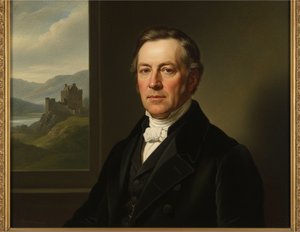
Henry Raeburn: A Scottish Portraitist's Mastery of Light, Character & National Identity
Explore the life & work of Henry Raeburn, a master Scottish portraitist. Discover his innovative techniques, captivating portraits of the Enlightenment era, and lasting legacy in art history. Learn more at OriginalUniqueArt.

Sir Alfred Munnings' Masterpieces: 25 Paintings That Define Equine Art | OriginalUniqueArt
Explore 25 iconic Sir Alfred Munnings paintings! Discover the beauty of British Impressionism, equine art & rural England. Find museum-quality reproductions and elevate your home decor with OriginalUniqueArt. Explore the full collection online.
Sir Joshua Reynolds' Masterpieces: 25 Portraits of Power & Refinement | OriginalUniqueArt
Explore 25 captivating portraits by Sir Joshua Reynolds, a master of British art. Discover stories behind his iconic paintings, elegant style & historical influence. Find museum-quality reproductions and elevate your home decor on OriginalUniqueArt.com.
