
 Saada
Saada Jaga
Jaga
 Teave teose kohta

 Laadi alla
 Sarnased teosed
 Slaidietendus
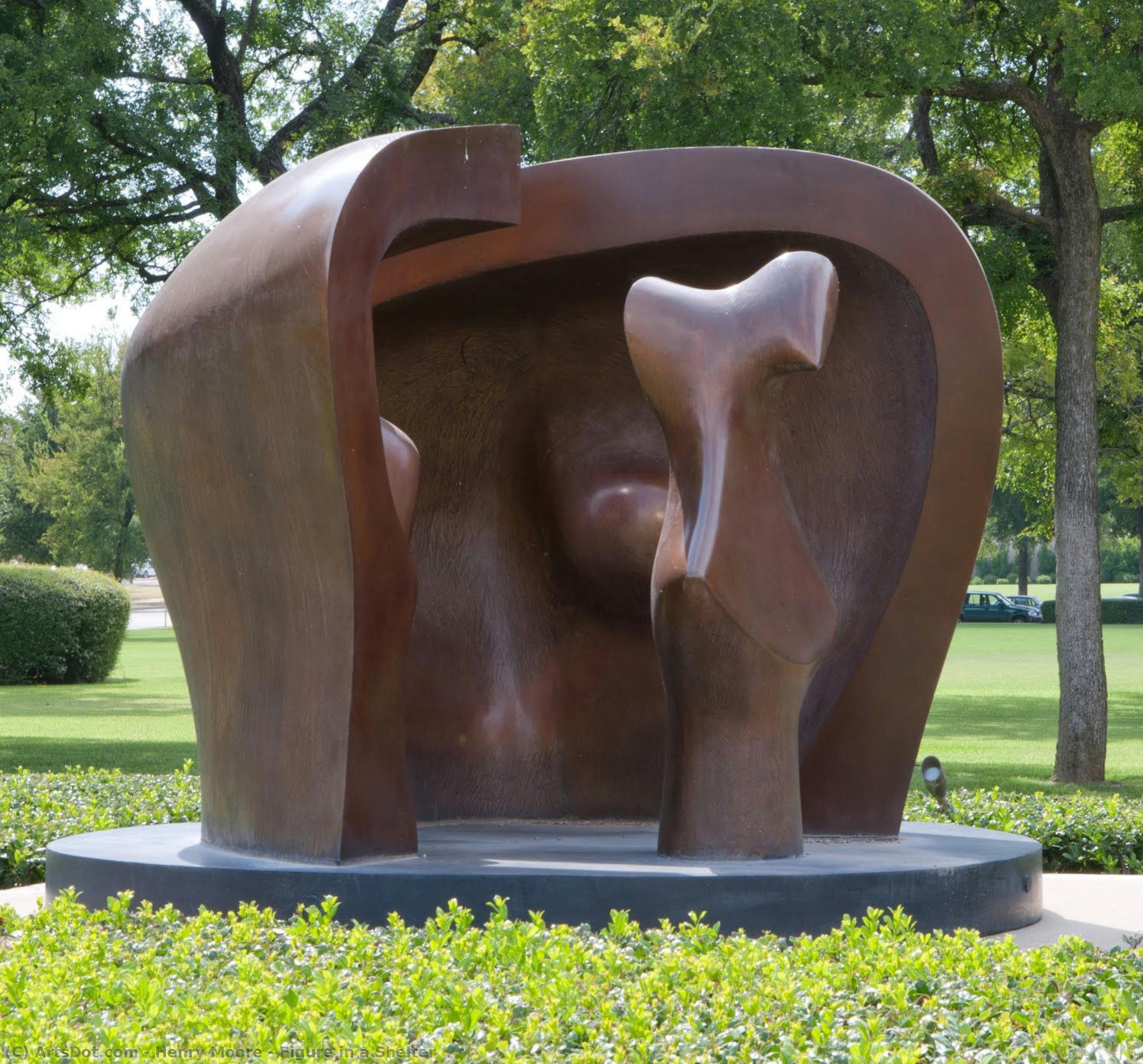
Figure in a Shelter
 Sculpture Bronze
- Contemporary Minimalism
 1983
1983- Modern
 182.0 x 203.0 cm
 Kimbell Art Museum
 Loe lähemalt
Ostke kõrglahutusel ja täiustatud digitaalne pilt, mis on oluliselt parem kui veebilehel näidatud eelvaade.
Iga fail on meie spetsialistide poolt hoolikalt ette valmistatud, kasutades kaasaegseid tööriistu ja professionaalset käsitsi retušeerimist. Tagame, et igal pildil on erakordne selgus, täpne värvitäpsus ja peen detail.
Lõplik fail saadetakse e-posti teel 72 tunni jooksul, olles optimeeritud koheseks kasutamiseks professionaalsetes, toimetuslikes ja trüki keskkondades. See on sama kvaliteet, mida usaldavad tipptasemel disainistuudiod, kirjastused ja galeriid.
Digitaalne kunstiteos
Laadi alla kõrge resolutsiooniga fail isiklikuks vaatamiseks, trükkimiseks ja loomingulisteks projektideks. ( Osta print Osta käsitsi maalitud maal)
Sisse kuulub iga digitaalse pildi tellimusega
Eksperdi digitaalne kohaletoimetamine, garanteeritud
Valides OriginalUniqueArt.com, ei saa sa lihtsalt pilti – saad professionaalselt parandatud digitaalse teose, mida on valmistatud täpsusega ja mis on toetatud rahuldamatusgarantiiga. Siin on kõik, mis sinu tellimusega automaatselt kaasneb:

Kiire digitaalne saatmine
Teie kõrge resolutsiooniga digitaalne pildifail saadetakse teile e-posti 72 tunni jooksul pärast tellimist – kohe kasutamiseks valmis.

Tehisintellektiga täiustatud digitaalne fail
Teie teos on professionaalselt optimeeritud arenenud tehisintellekti tööriistade ja käsitsi redigeerimise abil, tagades maksimaalse detailitaseme, selguse ja värvitäpsuse.

Tasuta eluaegne uuesti saatmine
Kas kustutasid faili kogukalu unustamisel või kustutamisel? Puudub mure – saad selle uuesti igal ajal ilma lisatasuta.

Puuduvad importimaksed – alati
Nautige oma teoseid koheselt ilma tolli-, maksude või tarnimaskuludeta – digiletchargused on alati maksuvabadud.

Värvitäpsuse garantii
Me tagame, et teie digitaalne pilt kajastaks originaali värve professionaalsete tööriistade ja värvihalduse abil võimalikult täpselt.

60-päevane rahulolu garantii
Kui te ei ole oma digipildiga rahul, parandame seda või tagastame 100% summast 60 päeva jooksul – küsimusi ei esita.

100% raha tagastamise garantii
Ei ole rahul? Saate täielise tagastaja 60 päeva jooksul pärast digitaalse faili kättesaamist – küsimata.

Suurema tellimuse soodustused
Osta 3 pilti, säästa 10% - Osta 5, säästa 15% - Osta 10+, säästa 20%. Sobib suurepäraselt loomingulisteks projektideks, galeriideks ja agentuurideks.
Kollektsiooni kirjeldus
Henry Moore’s Shelter: A Testament to Form and Protection
Henry Moore (1898-1986), a titan of twentieth-century sculpture, remains an artist whose work continues to resonate with audiences worldwide. His unwavering fascination with the human form—particularly its reclining postures—coupled with his exploration of organic shapes derived from nature—like pebbles and seashells—established him as a pioneer of abstract expressionism while simultaneously grounding his art in palpable physicality.
“Figure in a Shelter,” created in 1983, exemplifies Moore’s signature style: monumental bronze sculptures characterized by smooth, curving surfaces that evoke the contours of the human body and landscape. This particular piece is remarkable not only for its sheer scale—measuring 182 x 203 cm—but also for its profound conceptual underpinning. It speaks to themes of vulnerability, resilience, and the enduring desire for refuge, concepts powerfully explored during Moore’s prolific output throughout World War II.
Origins in Ancient Armor and Organic Inspiration
Moore's artistic vision wasn’t born in isolation; it drew heavily from influences spanning antiquity to modernism. The “shelter” motif itself finds its roots in the helmet-like heads he conceived during the late 1930s—a form directly inspired by ancient Roman armor, specifically helmets worn by gladiators and legionnaires. This deliberate reference to historical precedent underscores Moore’s belief that sculptural ideas could transcend time, tapping into universal human anxieties about safety and security.
However, Moore's exploration of form extended far beyond mere imitation. He meticulously studied the shapes of pebbles and seashells—objects he found particularly evocative—allowing him to translate their organic contours into monumental bronze sculptures. This technique involved painstakingly carving away material from blocks of stone or metal, leaving behind hollow voids that create an illusion of depth and suggest a hidden interior space.
A Symbol of Comfort Amidst Uncertainty
The sculpture’s visual language powerfully communicates its emotional core. The expansive curves of the bronze piece envelop a smaller, upright form—a deliberate juxtaposition designed to convey both vulnerability and protection. As Moore himself noted, “Many of my best-known early sculptures show mothers and fathers holding their children.” This preoccupation with familial bonds reflects his humanist sensibility and underscores his conviction that art could offer solace in times of crisis.
Considered against the backdrop of London’s wartime air raids—during which Moore produced countless sketches and drawings depicting figures huddled together in underground shelters—Figure in a Shelter becomes more than just an aesthetically striking artwork; it embodies the collective yearning for safety and stability. Its smooth surfaces and subtle contours invite contemplation, prompting viewers to consider notions of refuge and resilience – themes that continue to resonate powerfully today.
Recommended Reproduction
- Material: High-quality Bronze Resin
- Dimensions: 182 x 203 cm (Authentic Scale)
- Finish: UV Protected, Satin Texture
- Ideal For: Large Interior Spaces, Museums, Private Collections
Kunstniku biograafia
A Life Sculpted in Form: The World of Henry Moore
Henry Spencer Moore OM CH FBA (30 July 1898 – 31 August 1986) was an English visual artist. He is best known for his semi-abstract monumental bronze sculptures, which revolutionized modern British sculpture and cemented his place as one of the most influential artists of the twentieth century. Born in Castleford, Yorkshire, Moore’s early life instilled in him a profound appreciation for the natural world—a fascination that would permeate his artistic vision throughout his career. His father, Raymond Spencer Moore, was a self-taught man who championed education and steered Henry away from the traditional path of coal mining, recognizing his innate talent for modeling clay and carving wood. This formative experience nurtured a lifelong dedication to tactile exploration and established the bedrock for his sculptural endeavors.Early Influences and Artistic Education
Moore’s formal artistic training commenced at Leeds School of Art in 1913, where he honed his skills under the guidance of influential instructors who championed classical sculpture alongside emerging modernist movements like Cubism. Recognizing Moore's exceptional aptitude, they encouraged him to pursue advanced studies at the Royal College of Art in London in 1921, fostering a synthesis of artistic traditions that would define his distinctive style. During this period, he immersed himself in the study of Michelangelo’s sculptures and wrestled with the challenge of representing human form in an increasingly abstract context—a struggle that ultimately liberated him from representational constraints.The Breakthrough: Encountering Pre-Columbian Art
A transformative journey to Mexico in 1925 proved pivotal in shaping Moore's artistic trajectory. The encounter with Aztec sculptures profoundly impacted his aesthetic sensibilities, sparking a fascination with simplification and abstraction—a fascination that would propel him toward his signature style. He abandoned meticulous anatomical accuracy in favor of exploring organic forms and voids, mirroring the undulating curves of the Mexican landscape and reflecting a desire to capture the essence of human experience rather than its literal depiction. This stylistic shift signaled a decisive break from traditional sculpture and established Moore’s commitment to pursuing artistic innovation.Sculptural Style and Recurring Themes
Moore's sculptural style evolved over time, yet remained remarkably consistent—characterized by rounded, organic shapes that evoke a sense of fluidity and serenity. He frequently employed voids or openings within his sculptures, manipulating light and space to create dynamic visual effects. His most recognizable motifs included the *reclining figure*, which became synonymous with his name, and the *mother and child* theme—representations imbued with profound emotional depth and capturing the intimacy of familial bonds. These sculptures were not idealized portraits but honest explorations of human connection, often reflecting anxieties and uncertainties of their time. Moore’s artistic vision was informed by a deep appreciation for the Yorkshire landscape—a fascination that would permeate his oeuvre and contribute to its enduring beauty.Legacy and Recognition
Henry Moore's influence on twentieth-century art is undeniable. He championed abstraction as a means of conveying emotion and exploring fundamental questions about human existence, challenging conventional notions of form and space. His monumental bronzes transformed urban landscapes and inspired generations of artists—solidifying his reputation as one of Britain’s most celebrated sculptors. Throughout his life, Moore remained steadfast in his belief that art should be accessible to all, actively seeking opportunities to integrate his work into civic spaces and fostering artistic innovation through the establishment of the Henry Moore Foundation—a testament to his enduring legacy.- Notable Sculptures: *Reclining Figure*, *Family Group*, *Shelter Drawings*.
- Influential Movements: Modernism, Abstract Sculpture
- Key Characteristics: Rounded Forms, Organic Shapes, Void Spaces

Henry Moore
1898 - 1986 , Ühenduvaimkond
Lühikesed faktid
- Artistic Movement Or Style: Modernism, Abstrakti skulptuur
- Artists Who Influenced This Artist: ['Michelangelo']
- Date Of Birth: 30. juuli 1898
- Date Of Death: 31. august 1986
- Full Name: Henry Spencer Moore
- Nationality: Inglismaa
- Notable Artworks:
- Reclining Figure
- Family Group
- Shelter Drawings
- Place Of Birth: Castleford, Ühenduvaimmikond

