
 Eelvaade
 Saada
Saada Jaga
Jaga
 Teave teose kohta
 Juhend

 Laadi alla
 Sarnased teosed
 Röntgenuuring
 Slaidietendus
 KÜSIMUSED JA VASTUSID
 Statistika
Provençal Winter


 Loe lähemalt
Giclée / Kunstiprint
Muuseumikvaliteediga giclée- või kangasprint kiire tootmisega ja paindlikud viimistlusvõimalused. ( Osta käsitsi maalatud teos Lülita digitaalse pildi juurde)




P118B €10

P118H €10

P118W €10

P438Z €10

P508JH €12

P508YH €12

P805H €10

P805Z €10

P919BZ €10

P919G €10

P919XJ €10

P959ZH €10

P968JZ €12

W106C €8

W218G €10

W218JH €8

W218Y €10

W307PJ €10

W316G €10

W316PJ €8

W316Y €10

W398PJ €8

W4111J €10

W500HY €15

W500JH €15

W692G €12

W849H €8

W940BG €15

W953PJ €8




Vali meie eelmääratud suurused, mis vastavad teose algupärastele proportsioonidele.

Sisestage vajalik laius ja kõrgus, et see sobiks teie raamile või seinale. Trükki saab ainult lõigata, seda ei saa kunagi pildist suuremaks teha, seega ka erineva mustega suurus kaotab osa pildist. Enne trükkimist saadame teile kinnitamiseks digitaalse näidisprojektsiooni. Sellel lehel näidatud pilt ei kujuta reaalset lõiget — seda näitab ainult näidisprojektsioon.
Ülemaailmne tarne () 2 nädala jooksul, tavalise 4/5 nädala asemel. (4 november)

Tasuta ekspresssaatmine üle maailma

Kõrgekvaliteediline lina-kangas

Täielik transpordikindlustus

Tollimaksude tagastamise garantii

Värvitoime täpsuse garantii

100 päeva tagastusõigus (ainult valmistusdefektide korral)

100% raha tagasi garantii

Hulgusoodustus
 Klaasivalik on saadaval ainult kuni 110 cm suuruses teostes

Provençal Winter
Giclée / Kunstiprint
Reproduktsiooni suurus
-


Koguhind
€ 72
A Moment Frozen in Provençal Light: Exploring Henry Herbert La Thangue’s “Provençal Winter”
Henry Herbert La Thangue's "Provençal Winter," painted in 1903, isn’t merely a depiction of a rural scene; it’s an immersion into the very soul of the South of France. This oil on canvas transports us to a sun-drenched hillside, where a woman diligently harvests lemons beneath a canopy of roses and ancient trees – a tableau brimming with quiet industry and understated beauty. La Thangue, a key figure in the New English Art Club movement, masterfully captured the essence of Impressionism while firmly rooted in British realist tradition, creating an artwork that resonates with both familiarity and exotic allure.
The painting’s genesis lies within La Thangue's extensive travels throughout Europe. Following his time in Paris, where he honed his skills under Jean-Léon Gérôme, the artist sought to translate the vibrant light and atmosphere of Provence onto canvas. This period marked a significant shift in his style – moving away from purely academic representation towards a more evocative approach that prioritized capturing fleeting moments of natural beauty. “Provençal Winter” exemplifies this evolution; it’s less about precise detail and more about conveying the feeling of warmth, tranquility, and the rhythm of rural life.
Decoding the Palette: Technique and Artistic Choices
La Thangue's technique is characterized by a remarkable sensitivity to light and color. He employs broken brushstrokes – short, distinct marks that blend optically rather than through meticulous layering – creating a shimmering effect reminiscent of sunlight filtering through foliage. The dominant hues are warm earth tones: ochres, siennas, and umbers create the foundation for the landscape, while bursts of pink from the roses and the pale yellows of the lemons inject vibrant energy into the composition. Notice how he uses subtle gradations of color to suggest depth and volume; the distant trees recede into a hazy blue-grey, creating an illusion of atmospheric perspective.
The artist’s choice of medium – oil on canvas – further contributes to the painting's richness and texture. The slow drying time of oil paint allowed La Thangue to build up layers of color gradually, achieving a remarkable sense of luminosity and tactile quality. He skillfully utilizes impasto—thickly applied paint—to accentuate the rough bark of the trees and the textured surface of the lemons, adding a tangible dimension to the scene.
Symbolism and Narrative Resonance
Beyond its aesthetic beauty, “Provençal Winter” is rich in symbolic meaning. The woman harvesting lemons represents not just labor but also abundance, fertility, and the cyclical nature of life. Lemons, traditionally associated with prosperity and vitality, are a potent symbol within this context. The roses, with their delicate fragrance and vibrant color, evoke themes of love, beauty, and fleeting moments of joy. The scene itself suggests a harmonious relationship between humanity and nature – a quiet celebration of the simple pleasures of rural existence.
Furthermore, the painting’s setting—a sun-drenched hillside in Provence—holds historical significance. The region has long been associated with artistic inspiration, attracting painters like Cézanne and Van Gogh who sought to capture its unique light and atmosphere. La Thangue's work reflects this legacy, drawing upon the traditions of plein air painting while forging his own distinctive style.
A Timeless Masterpiece: Reproduction and Legacy
"Provençal Winter" stands as a testament to Henry Herbert La Thangue’s artistic vision and technical skill. OriginalUniqueArt.com offers meticulously crafted, hand-painted oil reproductions that faithfully capture the essence of this iconic artwork. These reproductions are created by skilled artisans using high-quality materials, ensuring that they retain the luminosity, texture, and emotional impact of the original. Whether adorning a living room wall or gracing a corporate office, “Provençal Winter” continues to evoke feelings of serenity, warmth, and timeless beauty—a perfect embodiment of the idyllic charm of Provence.
Korduvad küsimused
Milline paigutus sobib teose „Provençal Winter“, autor Henry Herbert La Thangue formaadile?
Teose „Provençal Winter“, autor Henry Herbert La Thangue Landscape formaat on soovitatav kasutada ruumis Living Room. Formaat ja ruum aitavad koos otsustada reproduktsiooni paigutamise kohta.
Kas teos "Provençal Winter" on tüüpiline sellele, mida Henry Herbert La Thangue tavaliselt lõi?
Henry Herbert La Thangue dokumenteeritud teemade — landscape focus, british countryside, light & color study, french plein air, impressionist light, rural british scene, rural life values, seasonal beauty — seas paneb teos "Provençal Winter" erilist tähelepanu teemadel rural landscape, winter scene, floral composition, lemon still life, british countryside, impressionist colors, peaceful setting.
Mis on teose „Provençal Winter“, autor Henry Herbert La Thangue domineeriv värv?
Teose „Provençal Winter“, autor Henry Herbert La Thangue domineeriv värv on Clay (#9c7232).
Kunstniku elulugu
Henry Herbert La Thangue'i visjonäärlik realism
Henry Herbert La Thangue astub esile Briti realistliku maalinduse kangasel kui võtmefigure, meistrina, kelle pintel tõeti Inglismaa maapiirkonna vaikne väärikus ja Euroopa kontinenti hairaav valgus. Sündinud Surrey piirkonna Croydonis aastal 1859 algas tema kunstiline teekond keskmal viktoriaanliku Londoni intellektuaalses viriluses. Olles Dulwich College õppetundade ajal ühendatud teiste luminaaridega, nagu Stanhope Forbes ja Frederick Goodall, arendas La Thangue varajast ja sügavat täpsuse hindamist. See kujundav periood sisaldas temasse detailidele pühendumise, mis sai hiljem tema püsiva pärandi nimekkiristiks.
Tema ametlik haridus oli tähistatud ranguse ja disipliiniga, hõlmates nii Lambethi Kunstikooli kui ka Londoni prestiižset Kunstiakadeemiat. Aasta 1879 osutus murdepunktina, mil talle kuulutati välja väärtuslik kuldmedal – saavutus, mis tõi teda edasi transformatsioonilise stipendiumi juurde Jean-Lingu Gérôme atelierisse Pariisis. Just selles Prantsuse keskkonnas kohtas La Thangue Barbizon-kooli eetikat. Kuigi tema õpetajad kritiseerisid vahel tema kalduvat romantilismi, suutsid La Thangue edukalt ühendada plein air ehk õues maaliamise põhimõtted vankumatuga pühendumusega realismile, õppides tabama loomuliku valguse vahetut ja atmosfäärilist olemust.
Teekond läbi valguse ja maastiku
La Thangue loovvaim ei olnud kunagi piiridest kinnipitatud. Aastate 1881 ja 1882 vahel võimaldasid tema ekspeditsioonid Bretagnasse ja Donzère'i Rhône'i orust end süveneda Prantsuse mitmekesisesse maastikku. Need reisud laiendasid tema kunstilisi horisontsilt, tuues klooni pehmetest toonidest ja rahustavast ilust paletti, mis ilmus hiljem teostes nagu "Provençal Stream" (Provençale oja). See teos toimib rahustava tunnistusena tema impressionistlikule mõjule, kus vee liikumine ja päikesi sooja on kujundatud õrnal, sugestiivsel puudutusega.
Pärast Inglisse naasmist aastal 1886 sai La Thangue aktiivseks osaliseks Briti kunstielu muutuvates vooludes. Tema liige olek Kunsti Instituudis (Royal Institute of Oil Painters) kinnistas tema professionaalset positsiooni, kuid ta jäi südamest reformist.
Maapiirkonna narratiivi meistriklassis
La Thangue loomingulise töö tõeline siel peitub tema võimes muuta tavalised põllumajanduslikud stseenid sügavaks emotsionaalseks kogemuseks. Tema hilisemaal, eriti Norfolkis South Walshamis, nägi maaparanduse rütmide fookuse süvenemist. Masterpiece-töödes nagu "The Last Furrow" (Viimane vahu, 1895) tabab ta lõikmisperioodi kurbust ja ilu, kasutades realistlikku tehnikat, mis austab maaelu raskusi ja elegantsi. Tema töödes kasutatakse sageli rikkalikku impasto tekstuuri, et anda mulale ja taevale füüeline kaal tema kambda kujutatud maailmas.
Ehkki ükski teos ei esita tema võimet segada sümbolismi naturalistusega paremini kui "Nightfall" (Hämardus), tuntud ka nimega "The Gleaners" (Korustajad). Selles kummastavates 1895. aasta õlimaalides kasutab La Thangue sooje värve ja sageduse tunnet, et tekitada korjaholid perioodi pühalikkust. Tema silmade läbi ei ole maastik pelgalt taust, vaid elav tegelane, mis on täidetud sellel töötavate inimeste ajaluguga. Tema pärand on jäänud Newlyn-kooli traditsiooni elutähtsad osaks, pakkudes vaate kadunud Briti pastoraalse elu ajast läbi suurepärase, valgusega täidetud realismi.

Henry Herbert La Thangue
1859 - 1929 , Ühendatud Hiinaldus
Lühikest infot
- Artistic Movement Or Style: Realistlik maastik ja žanripaitel
- Artists Or Movements Influenced By This Artist: ['Newlyn School']
- Artists Who Influenced This Artist:
- Jean-Léon Gérôme
- Bastien Lepage
- Dagnan Bouveret
- Date Of Birth: 1859
- Full Name: Henry Herbert La Thangue
- Nationality: Inglise
- Notable Artworks:
- The Mulberry Tree
- Return of the Reapers
- The Man with the Scythe
- Place Of Birth: Croydon, Ühendatud Kuningriik
Sarnased artiklid

Impressionistic Landscapes: 10 Masterpieces That Changed Art & Decor
Journey into the heart of Impressionism! Explore 10 masterpieces by Monet, Renoir & Degas that revolutionized landscape art. Discover their stories, techniques & find museum-quality reproductions to elevate your home decor on OriginalUniqueArt.com.
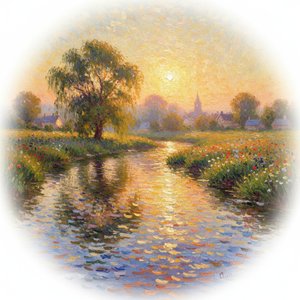
Capturing Light: A Masterclass in the Ethereal Beauty of Impressionistic Landscapes
Explore the ethereal beauty of Impressionist landscapes. Discover how masters like Monet captured fleeting light through color and texture, and learn to curate these timeless, luminous masterpieces for your home collection.

Paul Cézanne: 25 Meisterteost, mis Muutsid Maailma Kunsti | OriginalUniqueArt
Avastage Paul Cézanne 25 kõige ikoonilisemat teost! Sukeldume postimpressionismi maailma, värviliste still life'ide ja Mont Sainte-Victoire maalide lugudesse. Leidke inspiratsiooni interjööri disainiks OriginalUniqueArt.com-is. Vaadake maali reproduktsioone!

Evocations of Place: A Historical Journey Through Landscape Art
Explore the rich history of landscape art with OriginalUniqueArt. Discover renowned artists, movements like Impressionism & Romanticism, and expert guidance for collecting timeless pieces. Find your perfect serene escape today!

Impressionistliku Maastiku Tipp 10 Meisterteost: Kunsti ja Disaini Klassika
Avasta impressionistliku maastikukunstiga 10 legendaarset meistriteost! Monet, Renoir jt. värvilised maailmad ja kunstnike lood – OriginalUniqueArt.com pakub kaunite kunstide ajaloo klassikat seinakaunistuseks. Uuri kollektsiooni!