
 Eelvaade
 Saada
Saada Jaga
Jaga
 Teave teose kohta

 Laadi alla
 Sarnased teosed
 Röntgenuuring
 Slaidietendus
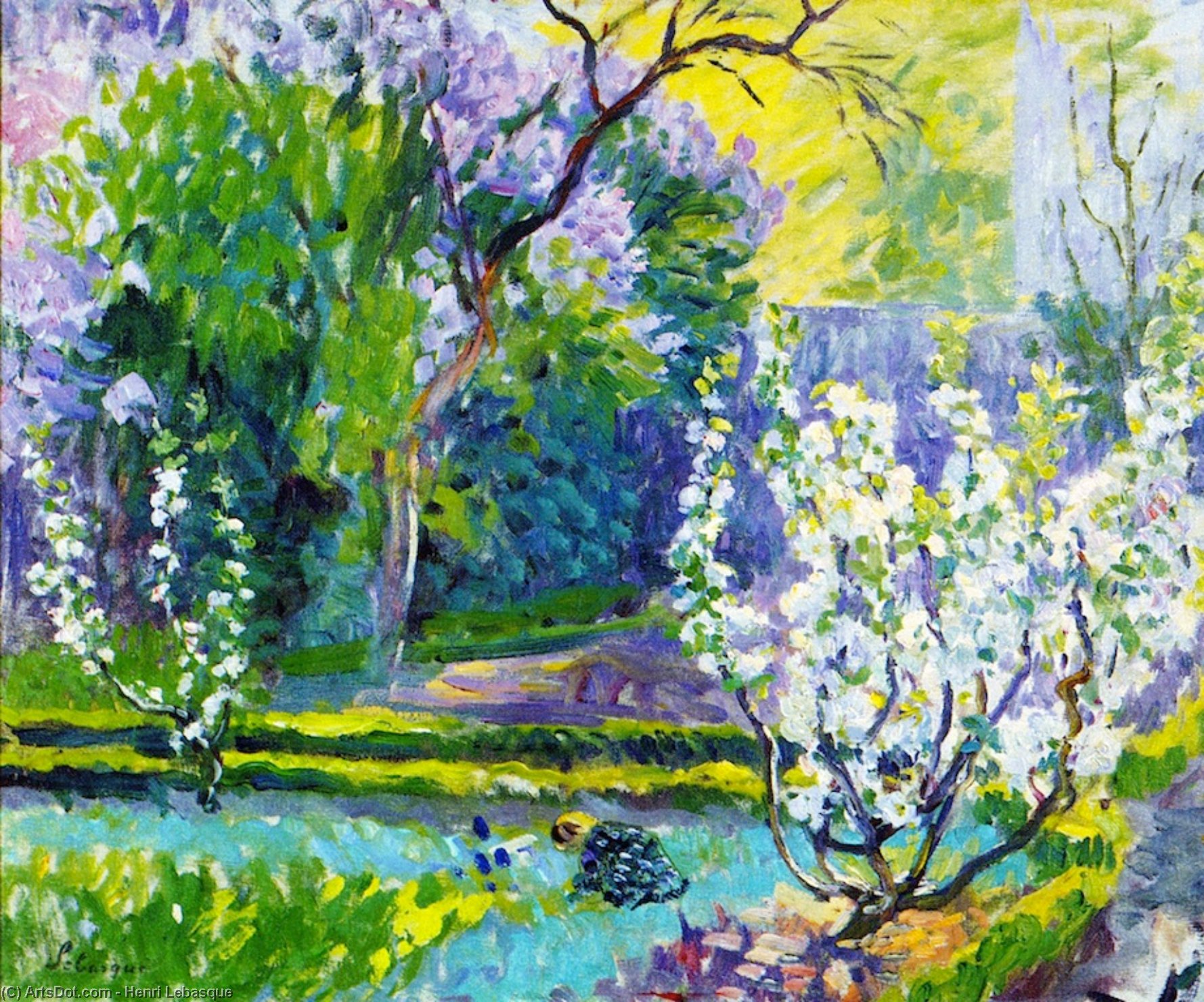
Garden in Spring
 Oil On Canvas
- WallArt
- Post-Impressionism
 1904
1904- 19th Century
 50.0 x 61.0 cm
 Loe lähemalt
Käsitsi valmistatud õlimaalireproduktsioon
Meie kunstnike poolt tellimusel valmistatud käsitsi maalitud õli-kainaste teos teie soovitud suuruses ja raamis. ( Lülita trükile Vaata pilti)




P118B $10

P118H $10

P118W $10

P438Z $10

P508JH $12

P508YH $12

P805H $10

P805Z $10

P919BZ $10

P919G $10

P919XJ $10

P959ZH $10

P968JZ $12

W106C $8

W218G $10

W218JH $8

W218Y $10

W307PJ $10

W316G $10

W316PJ $8

W316Y $10

W398PJ $8

W4111J $10

W500HY $15

W500JH $15

W692G $12

W849H $8

W940BG $15

W953PJ $8




Vali meie eelmääratud suurused, mis vastavad teose algupärastele proportsioonidele.

Sa võite sisestada oma mõõtmed konkreetse raami või ruumi sobivuse tagamiseks. Kui teie valitud suurus ei vasta originaalpildi proportsioonidele, siis kärvime kunstiteost või laiendame maali täiendavate käsitsi maalitud elementidega. Enne tootmise algust saadetakse teile heakskiitmiseks digitaalne eelvaade.
Palun pidage meeles, et ekraanil kuvatav eelvaade ei kajasta tegelikku kärpimist või laiendamist. Ainult eelvaade näitab täpselt lõplikku kompositsiooni.
Kuigi on saadaval kohandatud suurused, soovitame originaalproportsioonide säilimiseks valida mõõdud eelmääratletud nimekirjast.
Pärast tellimust saadab OriginalUniqueArt.com meeskond kliendile e-posti juhised ning esitab eelvaate kavandi.
Maailmline tarne 3–4 nädala jooksul tavalise 5 nädala asemel. (6 august). Kvaliteedis kompromisse ei tehta.

Tasuta ekspresssaatmine üle maailma

Kõrgekvaliteediline linakangas

Täielik transpordikindlustus

Tollimaksude tagastamise garantii

Värvitoime täpsuse garantii

60-päevane tagastusõig: ainult tootmisdefektide korral

100% raha tagasi garantii

Hulgusoodustus
 Klaasivalik on saadaval ainult suuruses kuni 110 cm

Garden in Spring
Reproduktsiooni tehnika
Reproduktsiooni suurus
-


Kogusumma
$ 300
Teose kirjeldus
A Symphony of Springtime Hues
To gaze upon Henri Lebasque's "Garden in Spring" is to step directly into a moment suspended between seasons—a breath of vibrant, burgeoning life captured on canvas. This painting is not merely a depiction of flora; it is an immersion into the very essence of renewal. The composition unfolds as a picturesque dreamscape, dominated by the lush promise of spring. One's eye is immediately drawn to the focal point: a magnificent tree adorned with delicate clusters of purple blossoms, lending an immediate, joyful burst of color against the verdant backdrop. This careful arrangement of natural elements speaks to Lebasque’s masterful ability to observe and translate the ephemeral beauty of nature into something permanent and enduring.
The Brushwork of Post-Impressionist Joy
Lebasque, a painter deeply rooted in the vibrant currents of French Post-Impressionism, employed his brushstrokes with an almost palpable energy. His technique is characterized by bold color choices juxtaposed with delicate handling, allowing light to seem as if it were physically vibrating off the petals and leaves. While the overall scene conveys serenity, the application of paint suggests movement—a lively dance captured in oil on canvas. The inclusion of two small birds adds a vital punctuation mark to this natural symphony; they are not just decorative accents but living embodiments of the moment's gentle activity, lending depth and narrative breath to the otherwise static beauty of the garden.
Historical Echoes and Enduring Appeal
Created in 1904, "Garden in Spring" situates itself within a period where art was continually seeking ways to capture subjective experience alongside objective reality. Lebasque’s work reflects that turn toward emotional resonance, moving beyond mere topographical record-keeping. For the modern collector or designer, this piece offers a connection to early 20th-century French artistic sensibilities—a taste of Parisian life filtered through an optimistic lens. The medium itself, oil on canvas, ensures that any reproduction retains the richness and depth necessary for it to serve as a breathtaking centerpiece in any sophisticated interior setting.
Symbolism of Renewal and Tranquility
The garden, throughout art history, has served as a potent symbol of paradise, rebirth, and the cyclical nature of life. In this specific rendering, the purple flowers might evoke royalty or deep contemplation, while the overall lushness speaks to abundance. The combination of vibrant color and peaceful subject matter creates an immediate emotional balm. Owning "Garden in Spring" is acquiring more than just art; it is curating a feeling—a permanent reminder of nature's capacity for breathtaking resurgence, perfect for bringing warmth and cultured elegance into your home.
Kunstniku elulugu
A Painter of Joy and Light: The Life and Art of Henri Lebasque
Henri Lebasque, a name perhaps less immediately recognized than some of his Post-Impressionist contemporaries, nevertheless occupies a significant place in the artistic landscape of early 20th-century France. Born in Champigné, Maine-et-Loire, in 1865, Lebasque’s journey toward becoming a celebrated painter was one marked by diligent study, evolving influences, and an unwavering commitment to capturing beauty in everyday life. His early education at the École régionale des beaux-arts d'Angers provided a foundational grounding, but it was his move to Paris in 1886 that truly ignited his artistic development. There, under the tutelage of Léon Bonnat and through assisting Ferdinand Humbert with decorative murals at the Panthéon, he honed his technical skills while immersing himself in the vibrant Parisian art scene. This period proved crucial, bringing him into contact with pivotal figures like Camille Pissarro and Auguste Renoir, whose emphasis on light and color would profoundly shape his aesthetic sensibilities.Embracing Intimacy: Influences and Artistic Development
Lebasque’s artistic trajectory wasn't solely defined by the established masters; it was equally influenced by a younger generation of artists pushing the boundaries of painting. His association with Les Nabis, particularly Édouard Vuillard and Pierre Bonnard, proved transformative. These Intimist painters prioritized domestic scenes and intimate moments, fostering in Lebasque a similar inclination toward capturing the quiet poetry of everyday existence. The Nabis’ emphasis on flattened forms, decorative patterns, and subtle color harmonies resonated deeply with his own artistic inclinations. Simultaneously, exposure to the theories of Georges Seurat and Paul Signac introduced him to the principles of Chromoluminarism – the scientific application of complementary colors to create luminous effects. This knowledge became a cornerstone of his technique, allowing him to imbue his canvases with an extraordinary vibrancy and sense of light. He wasn’t merely replicating what he saw; he was interpreting it through a lens of color and emotion, creating scenes that felt both familiar and dreamlike. Lebasque's artistic vision centered around portraying the serene beauty of domestic life and landscapes bathed in sunlight—themes that mirrored the sensibilities of Les Nabis and resonated with his own profound appreciation for visual harmony. His meticulous technique involved layering thin, translucent paint to achieve a luminous quality characteristic of Post-Impressionism, skillfully utilizing complementary color pairings to heighten visual impact while maintaining an overall sense of balance. Works like *Rest on the Banks of the Yaudet* exemplify this mastery, capturing the tranquility of nature with delicate brushstrokes and subtle tonal variations.A Palette of Serenity: Themes and Techniques
The hallmark of Lebasque's work lies in its tranquil atmosphere and harmonious palette—a deliberate departure from the dramatic narratives favored by earlier artistic movements. He sought inspiration in simple pleasures—family portraits, leisurely moments spent outdoors—translating these experiences onto canvas with remarkable sensitivity. His paintings eschewed grand historical pronouncements or theatrical displays of emotion; instead, they offered glimpses into intimate domesticity and the understated splendor of the natural world. Madame Lebasque and Her Daughters stands as a testament to his ability to convey tenderness and grace through masterful composition and luminous color—a hallmark of Lebasque’s distinctive style. His technique involved building up layers of thin, translucent paint – a method that allowed for subtle tonal shifts and maximized the impact of complementary color pairings. This approach resulted in canvases imbued with an ethereal glow, reflecting Lebasque's unwavering dedication to capturing light and color with unparalleled precision. He skillfully employed techniques honed during his formative years at the École régionale des beaux-arts d’Angers and further refined through collaborations with prominent artists like Camille Pissarro and Auguste Renoir—artists who championed a similar aesthetic philosophy centered on observation and emotional resonance.Legacy and Recognition: A Lasting Impression
Throughout his prolific career, Lebasque achieved considerable acclaim, participating in prestigious exhibitions such as the Salon d’Automne – which he helped establish alongside Henri Matisse – and the Salon des Indépendants. These venues provided a platform for showcasing his innovative approach to painting and solidified his reputation as a visionary artist ahead of his time. Furthermore, commissions from influential patrons—including decorative projects undertaken at the Champs-Élysées theatre and on transatlantic liners—demonstrated Lebasque’s versatility and cemented his place within the cultural landscape of Belle Époque Paris. His enduring artistic legacy is evidenced by the presence of numerous masterpieces in prominent museum collections across Europe – including the Musée d’Orsay in Paris, the Petit Palais in Geneva, and museums in Lille and Nantes – guaranteeing that Henri Lebasque's vision continues to inspire generations of artists and viewers alike.
Henri Lebasque
1865 - 1937 , Prantsuse
Lühikesed faktid
- Artistic Movement Or Style: Post-Impressionism
- Artists Who Influenced This Artist:
- Camille Pissarro
- Auguste Renoir
- Date Of Birth: September 25, 1865
- Date Of Death: August 7, 1937
- Full Name: Henri Lebasque
- Nationality: French
- Notable Artworks:
- La cigarette
- Una joven en el bosque
- Place Of Birth: Champigné, France
Seotud artiklid

Paul Cézanne: 25 Meisterteost, mis Muutsid Maailma Kunsti | OriginalUniqueArt
Avastage Paul Cézanne 25 kõige ikoonilisemat teost! Sukeldume postimpressionismi maailma, värviliste still life'ide ja Mont Sainte-Victoire maalide lugudesse. Leidke inspiratsiooni interjööri disainiks OriginalUniqueArt.com-is. Vaadake maali reproduktsioone!
Metropolitani Muuseumi 25 Kunsti Helmi: Ajaloo ja Ilu Teekond OriginalUniqueArt'is
Avastage Metropolitani muuseumi 25 kõige ikoonilisemat kunstiteost! Sukeldume maalikunstnike maailma, impressionismi võlu ja ajalooliste värvikombinatsioonide sisse. Leidke täiuslik seina kaunistus OriginalUniqueArt'is – kvaliteetsed reproduktsioonid ja sisustus ideed. Avastage kogu kollektsioon online!
Claude Monet: 25 Meisterteost Valgusest ja Värvidest | OriginalUniqueArt.com
Avastage Claude Monet 25 kõige ikoonilisemat teost! Sukelduge valgusest ja värvidest tulvil impressionismi maailma. Kunstiteosed, maalid ja seinakaunistused OriginalUniqueArt.com-is. Avasta täielik kollektsioon online!
Rahvusgalerii parimad 25 teost Washingtonis: Kunsti meistriteosed kodus
Avastage Rahvusgalerii Washingtoni 25 parimat teost! Sukeldu Cézanne'i, Matisse'i ja Picasso maalidest inspireeritud kunstiajalukku. Leidke täiuslik seinakaunistus või luksuslik reproduktsioon kodusse OriginalUniqueArt.com-is. Vaadake kogu kollektsiooni online!
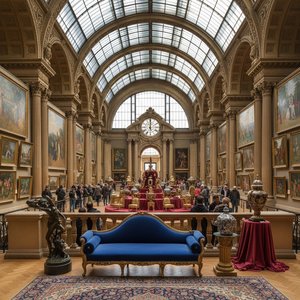
Musée d'Orsay Top 25: Impressiooni meistriteosed ja kodusisustus inspiratsioon
Avastage Musée d'Orsay 25 tippteost! Sukeldume Moneti, Renoiri ja Van Goghi maailma. Impressionismi & postimpressionismi meistriteosed kodusisustuse inspiratsiooniks. Kvaliteetsed kunstreprodutsioonid OriginalUniqueArt.com-is.


