
 Eelvaade
 Saada
Saada Jaga
Jaga
 Teave teose kohta
 Juhend

 Laadi alla
 Sarnased teosed
 Röntgenuuring
 Slaidietendus
 KÜSIMUSED JA VASTUSID
 Statistika
Monkeys

- 139.0 x 158.0 cm

 Loe lähemalt
Hankige trükiivaldatav fail, mis on kvaliteedilt palju parem kui veebilehel näidatud eelvaade. Kõik meie müüdavad digitaalsed pildid pärinevad meie arhiivist kõrge resolutsiooniga originaalfailidest — tavaliselt 5000 kuni 15 000 pikslit laiust — nii et saate julgelt trükida suurematsat, lüüdist teha või detailset sisu reproduktsiooni teha.
Meie stuudiost ei lahtu ükski fail puutumatuna. Digiekpert võrdleb värve algsest maalistimusega ja vajadusel korrigeerib neid, seejärel parandab selgust ja detaile professionaalsete retušimisvahendite abil — püüdes alati jääda truudeks kunstniku pintoonile ja stiilile. Tulemuseks on pilt, mis näeb välja nagu maali, mitte nagu filtreeritud skann.
Teet kinnituse enne lõplikku valmimist: meie ekspert saadab pildi 72 tunni jooksul e-posti ülevaatamiseks. Ei ole rahul? Paluge parandusi või korrektsioone ning kui kvaliteet ei vasta ootustele, võite paluda tagastamist.
See on kvaliteet, millele tuguvad väljaandjad, disainistuudiod, galeriid ja trükikojad.
Digitaalne kunstiteos
Laadi alla kõrge resolutsiooniga fail isiklikuks vaatamiseks, trükkimiseks ja loomingulisteks projektideks. ( Lülita trükkitoodetele Osta käsitsi maalatud teos)
Sisse kuulub iga digitaalse pildi tellimusega
Eksperdi digitaalne kohaletoimetamine, garanteeritud
Valides OriginalUniqueArt.com, ei saa sa lihtsalt pilti – saad professionaalselt parandatud digitaalse teose, mida on valmistatud täpsusega ja mis on toetatud rahuldamatusgarantiiga. Siin on kõik, mis sinu tellimusega automaatselt kaasneb:

Kiire digitaalne edastus
Teie kõrge resolutsiooniga digitaalne pildifail saadetakse teile e-posti 72 tunni jooksul pärast tellimist – kohe kasutamiseks valmis.

Tehisintellektiga täiustatud digitaalne fail
Teie teos on professionaalselt optimeeritud arenenud tehisintellekti tööriistade ja käsitsi redigeerimise abil, tagades maksimaalse detailitaseme, selguse ja värvitäpsuse.

Tasuta eluaegne uuesti saatmine
Kas kustutasid faili kogukalu unustamisel või kustutamisel? Puudub mure – saad selle uuesti igal ajal ilma lisatasuta.

Puuduvad importimaksud – alati
Nautige oma teoseid koheselt ilma tolli-, maksude või tarnimaskuludeta – digiletchargused on alati maksuvabadud.

Värvitäpsuse garantii
Me tagame, et teie digitaalne pilt kajastaks originaali värve professionaalsete tööriistade ja värvihalduse abil võimalikult täpselt.

100 päeva rahuldamatuse garantii
Kui te ei ole oma digitaalse pildi eest rahul, siis me parandame seda või tagastame 100% summast 100 päeva jooksul – küsimusteta.

100% raha tagastamise garantii
Ei ole rahul? Saate täielise tagastaja 100 päeva jooksul pärast digitaalse faili kättesaamist – ilma küsimusteta.

Suurema tellimuse soodustused
Osta 3 pilti, säästa 10% - Osta 5, säästa 15% - Osta 10+, säästa 20%. Sobib suurepäraselt loomingulisteks projektideks, galeriideks ja agentuurideks.
Korduvad küsimused
Millal loodi teos "Monkeys"?
Teos "Monkeys" on pärit aastast 1933. See ajastu aitab mõista teost Hashimoto Kansetsu karjääri ja selle ajastu kontekstis.
Millist kontrasti näitab teos „Monkeys“, autor Hashimoto Kansetsu?
Teose „Monkeys“, autor Hashimoto Kansetsu kontrastivaimustus on Serene.
Kes on teose "Monkeys" kunstnik?
Teose "Monkeys" looja on Hashimoto Kansetsu. Teos on kataloogitud nime Hashimoto Kansetsu all.
Kunstniku elulugu
Hashimoto Kansetsu: A Life Dedicated to Nihonga
- Born: November 10, 1883, Kobe, Japan
- Died: February 26, 1945
- Nationality: Japanese
- Artistic Movement: Nihonga
Early Life and Training
- Hashimoto Kansetsu was born into a family of artists; his father, Hashimoto Kaikan, was also a painter. This upbringing instilled in him a deep appreciation for art and Chinese culture.
- He initially studied at Chikujokai, a private school founded by the renowned nihonga painter Takeuchi Seihō. However, he left due to differing artistic viewpoints.
- His early training focused on mastering traditional Japanese painting techniques and absorbing influences from both Japanese and Chinese art traditions.
Artistic Style and Influences
- Nihonga Specialization: Kansetsu dedicated his career to Nihonga, a style of Japanese painting that emerged during the Meiji period, emphasizing traditional Japanese aesthetics and techniques while incorporating elements of Western art.
- Chinese Inspiration: A significant influence on Kansetsu's work was Chinese scenery and classical literature. He frequently visited China, drawing inspiration from its landscapes and literary heritage.
- Themes & Subjects: His paintings often depicted scenes inspired by Chinese poetry and historical narratives, showcasing his erudition and artistic skill. Common subjects included figures, animals (particularly monkeys and dogs), and landscapes imbued with a sense of tranquility and elegance.
- Style Characteristics: Kansetsu's style is characterized by meticulous detail, refined brushwork, and a harmonious use of color. He skillfully blended traditional Japanese techniques with subtle Western influences, creating a unique and recognizable aesthetic.
Major Works and Recognition
- Notable Paintings: Some of his most celebrated works include "Tang Dogs" (唐犬), depictions of monkeys, and paintings inspired by historical figures like Emperor Godaigo.
- Museum Collections: His artworks are featured in prominent museums such as the Osaka City Museum of Fine Arts and the Honolulu Museum of Art.
- Awards & Honors: Kansetsu received numerous awards throughout his career, including first prize at the Bunten exhibitions in 1916 and 1917. He was also appointed an Imperial Household Artist, a prestigious honor recognizing his contributions to Japanese art.
Legacy and Historical Significance
- Contribution to Nihonga: Hashimoto Kansetsu played a crucial role in the development and popularization of Nihonga painting. His work helped define the style's aesthetic principles and established him as one of its leading figures.
- Hakusasonso Museum: His former residence, now known as the Hakusasonso (Hashimoto Kansetsu Memorial House), serves as a museum showcasing his extensive body of work and preserving his artistic legacy.
- Influence on Subsequent Artists: Kansetsu's influence can be seen in the works of later Japanese artists who continued to explore the possibilities of Nihonga, solidifying his place as an important figure in modern Japanese art history.
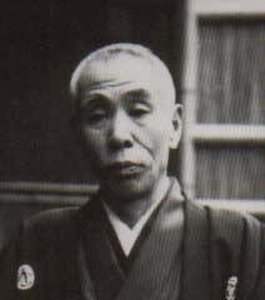
Hashimoto Kansetsu
1883 - 1945 , Japan
Lühikesed faktid
- Full Name: Hashimoto Kansetsu
- Nationality: Japanese
- Date Of Birth: 1883
- Date Of Death: 1945
- Place Of Birth: Kobe, Japan
- Notable Artworks:
- 唐犬
- Monkeys
- Emperor Godaigo
- Artistic Movement Or Style: Nihonga painting
- Artists Who Influenced This Artist:
- Takeuchi Seihō
- Hashimoto Kaikan
- Artists Or Movements Influenced By This Artist:
- Uemura Shōen
- Kazuo Shiraga