
 Eelvaade
 Saada
Saada Jaga
Jaga
 Teave teose kohta

 Laadi alla
 Sarnased teosed
 Röntgenuuring
 Slaidietendus
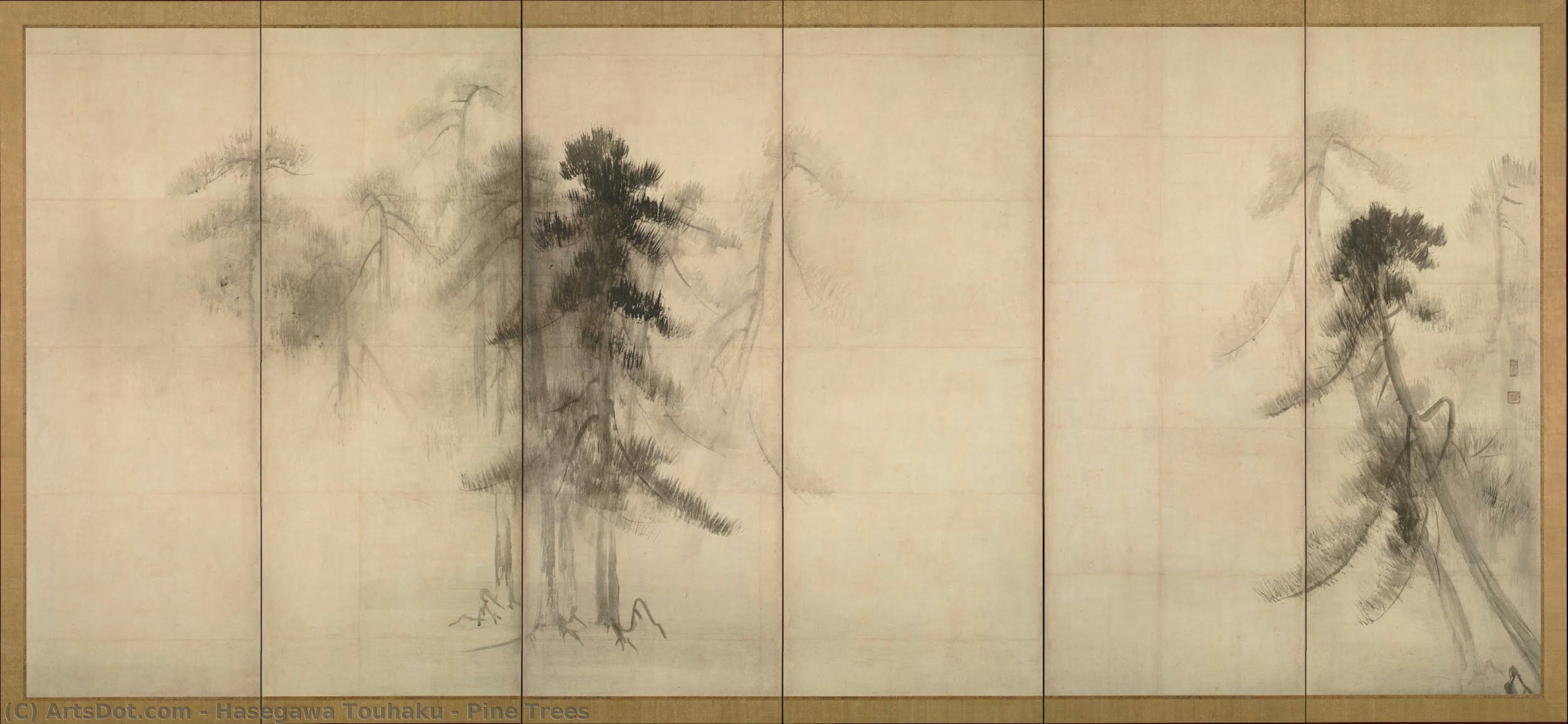
Pine Trees


 Loe lähemalt
Ostke kõrglahutusel ja täiustatud digitaalne pilt, mis on oluliselt parem kui veebilehel näidatud eelvaade.
Iga fail on meie spetsialistide poolt hoolikalt ette valmistatud, kasutades kaasaegseid tööriistu ja professionaalset käsitsi retušeerimist. Tagame, et igal pildil on erakordne selgus, täpne värvitäpsus ja peen detail.
Lõplik fail saadetakse e-posti teel 72 tunni jooksul, olles optimeeritud koheseks kasutamiseks professionaalsetes, toimetuslikes ja trüki keskkondades. See on sama kvaliteet, mida usaldavad tipptasemel disainistuudiod, kirjastused ja galeriid.
Digitaalne kunstiteos
Laadi alla kõrge resolutsiooniga fail isiklikuks vaatamiseks, trükkimiseks ja loomingulisteks projektideks. ( Osta print Osta käsitsi maalitud maal)
Sisse kuulub iga digitaalse pildi tellimusega
Eksperdi digitaalne kohaletoimetamine, garanteeritud
Valides OriginalUniqueArt.com, ei saa sa lihtsalt pilti – saad professionaalselt parandatud digitaalse teose, mida on valmistatud täpsusega ja mis on toetatud rahuldamatusgarantiiga. Siin on kõik, mis sinu tellimusega automaatselt kaasneb:

Kiire digitaalne saatmine
Teie kõrge resolutsiooniga digitaalne pildifail saadetakse teile e-posti 72 tunni jooksul pärast tellimist – kohe kasutamiseks valmis.

Tehisintellektiga täiustatud digitaalne fail
Teie teos on professionaalselt optimeeritud arenenud tehisintellekti tööriistade ja käsitsi redigeerimise abil, tagades maksimaalse detailitaseme, selguse ja värvitäpsuse.

Tasuta eluaegne uuesti saatmine
Kas kustutasid faili kogukalu unustamisel või kustutamisel? Puudub mure – saad selle uuesti igal ajal ilma lisatasuta.

Puuduvad importimaksed – alati
Nautige oma teoseid koheselt ilma tolli-, maksude või tarnimaskuludeta – digiletchargused on alati maksuvabadud.

Värvitäpsuse garantii
Me tagame, et teie digitaalne pilt kajastaks originaali värve professionaalsete tööriistade ja värvihalduse abil võimalikult täpselt.

60-päevane rahulolu garantii
Kui te ei ole oma digipildiga rahul, parandame seda või tagastame 100% summast 60 päeva jooksul – küsimusi ei esita.

100% raha tagastamise garantii
Ei ole rahul? Saate täielise tagastaja 60 päeva jooksul pärast digitaalse faili kättesaamist – küsimata.

Suurema tellimuse soodustused
Osta 3 pilti, säästa 10% - Osta 5, säästa 15% - Osta 10+, säästa 20%. Sobib suurepäraselt loomingulisteks projektideks, galeriideks ja agentuurideks.
Kollektsiooni kirjeldus
Kunstniku biograafia
Hasegawa Tohaku: A Master of Serene Landscapes and the Dawn of Rinpa
Hasegawa Tohaku, a name synonymous with understated elegance and profound observation, stands as one of the most pivotal figures in Japanese art history. Born Okumura Tōhaku in 1539 during the tumultuous era of the Sengoku period, he navigated a landscape of war and upheaval to become a foundational artist of the Rinpa school – a movement that would dramatically reshape the aesthetic sensibilities of Japan for centuries to come. More than just a painter, Tohaku was a meticulous scholar of Chinese art, a master of ink techniques, and a subtle innovator who quietly redefined the boundaries of Japanese landscape painting.
His early life remains somewhat shrouded in mystery, though it’s believed he began his artistic journey as a Buddhist icon painter in Noto Province. This formative period instilled within him a deep respect for tradition and a rigorous approach to technique – qualities that would later inform his distinctive style. Crucially, he apprenticed himself to the influential Kanō school, absorbing their sophisticated methods of perspective, color theory, and brushwork. However, Tohaku wasn’t merely a mimic; he skillfully integrated these influences with his own burgeoning artistic vision, forging a unique path that ultimately diverged from the more rigidly formal approach of the Kanō school.
The Rise to Prominence: Kyoto and the Patronage of Power
Around 1571, Tohaku relocated to Kyoto, the cultural heart of Japan, seeking opportunities within the burgeoning artistic circles. It was here that he gained recognition as a court painter, securing commissions from powerful figures like Toyotomi Hideyoshi, the ambitious warlord who would later become Shogun. These commissions – particularly the monumental *Shoheki-ga* (wall paintings) for the Daitoku-ji Temple – showcased his ability to synthesize traditional techniques with innovative composition and a keen understanding of spatial relationships. The scale and ambition of these works demonstrated Tohaku’s growing confidence and established him as a leading artist of his time.
His relationship with Sen no Rikyu, the legendary tea master who profoundly influenced Japanese aesthetics, further elevated his status. Rikyu recognized Tohaku's ability to capture the essence of nature – not through dramatic grandeur, but through subtle details and an appreciation for quiet beauty. This shared sensibility would become a defining characteristic of the Rinpa school, which sought to emulate this understated elegance.
A Distinctive Style: Simplicity, Observation, and the Essence of Nature
Tohaku’s artistic style is immediately recognizable by its remarkable simplicity and profound observation. Unlike many of his contemporaries who favored elaborate detail and vibrant colors, Tohaku masterfully employed a restrained palette – primarily consisting of shades of gray, brown, and black – to create atmospheric landscapes that exude serenity and tranquility. His brushwork is characterized by its fluidity and economy; he used minimal strokes to convey the essence of his subjects with remarkable precision.
His most celebrated works—the iconic “Pine Trees” (1500), a triptych exploring the interplay of light, shadow, and texture, and the evocative “Eight Views of Ōmi” – exemplify this approach. These paintings are not merely depictions of landscapes; they are meditations on nature’s inherent beauty and the fleeting passage of time. The subtle variations in tone, the delicate rendering of foliage, and the suggestion of depth create a sense of immersive realism that invites contemplation.
- Pine Trees: A triptych showcasing the interplay of light and shadow on pine trees, demonstrating Tohaku’s mastery of *sumi-e* (ink wash painting).
- Eight Views of Ōmi: A series of landscapes capturing the diverse beauty of the region of Ōmi (present-day Shiga Prefecture), reflecting a deep understanding of topography and seasonal changes.
Legacy and Influence: The Foundation of Rinpa
Hasegawa Tohaku’s influence extends far beyond his own lifetime. He is widely considered the founder of the Rinpa school, a movement that profoundly impacted Japanese art for centuries to come. Rinpa artists, building upon Tohaku's principles, rejected the rigid conventions of traditional painting and embraced a more naturalistic approach – emphasizing observation, simplification, and the exploration of light and shadow.
His legacy is firmly established through numerous national treasures, including “Pine Trees” and “Eight Views of Ōmi,” which are housed in museums across Japan. Tohaku’s work continues to inspire artists and art lovers alike, serving as a testament to the power of simplicity, observation, and the enduring beauty of the natural world. His quiet revolution transformed Japanese painting, leaving an indelible mark on its history and shaping the aesthetic sensibilities of generations to come.
Key Achievements
- Founder of the Rinpa School: Established a new artistic movement emphasizing simplicity, observation, and naturalism.
- Master of *Sumi-e*: Perfected the art of ink wash painting, utilizing subtle variations in tone to create atmospheric landscapes.
- Innovative Composition: Developed unique compositional techniques that prioritized clarity, balance, and a sense of spatial depth.
- National Treasures: His works, including “Pine Trees” and “Eight Views of Ōmi,” are recognized as national treasures of Japan.

hasegawa touhaku
1539 - 1610

