

 Vaata sisu
 Jaga teost
 Jaga
Jaga
 Detailid
 Õppekate juhend

 Laadi alla
 Sarnased teosed
 Röntgenuuring
 Slaidietendus
 Statistika
Veslez


 Loe lähemalt
Giclée / Kunstiprint
Muuseumikvaliteediga giclée- või kangasprint kiire tootmisega ja paindlikud viimistlusvõimalused. ( Telli käsitsi maalitud reproduktsioon Ülemineku digitaalse pildi müügi kanalisse)




































Vali meie eelmääratud suurused, mis vastavad teose algupärastele proportsioonidele.

Sisestage vajalik laius ja kõrgus, et see sobiks teie raamile või seinale. Trükki saab ainult lõigata, seda ei saa kunagi pildist suuremaks teha, seega ka differentse vormiga suurus kaotab osa pildist. Enne trükkimist saadame teile kinnitamiseks digitaalse näidisprojektsiooni. Sellel lehel näidatud pilt ei kujuta reaalset lõiget — seda näitab ainult näidisprojekttsioon.
Ülemaailmne tarne () 2 nädala jooksul, tavalise 4/5 nädala asemel. (26 oktoober)

Tasuta ekspresssaatmine üle maailma

Kõrgekvaliteediline lina-kangastest muld

Täielik transpordikindlustus

Tollimaksude tagastamise garantii

Värvitoime täpsuse garantii

100 päeva tagastusõigus (ainult defektide korral)

100% raha tagasi garantii

Hulgusoodustus
 Klaasivalik on saadaval ainult kuni 110 cm suuruses teostes

Veslez
Giclée / Kunstiprint
Reproduktsiooni mõõtmed
-


Lõppsumma
€ 70
A Glimpse of Rural Tranquility: "Veslez" by Gustave Loiseau
This charming painting, titled "Veslez," offers a serene glimpse into early 20th-century French countryside life. Painted in 1906, the artwork depicts a picturesque white house with a distinctive red roof nestled amongst lush trees and verdant grass. Two figures are subtly integrated into the scene – one positioned to the left and another near the center – adding a touch of human presence without disrupting the overall sense of peaceful solitude. The composition is carefully balanced, drawing the viewer's eye towards the central focal point: the inviting home, radiating warmth and domesticity.Post-Impressionist Style & Technique
"Veslez" exemplifies Gustave Loiseau’s signature Post-Impressionist style. While initially experimenting with Pointillism, Loiseau developed a unique approach characterized by his distinctive "cross-hatching" technique. This involved layering short, intersecting strokes of color to create texture and vibrancy. Observe how the artist uses this method to render the foliage, giving it a lively, almost shimmering quality. The application of paint isn't smooth; instead, the visible brushstrokes contribute to the painting’s dynamic energy and capture the fleeting effects of light on the landscape. This technique moves beyond mere representation, imbuing the scene with an emotional resonance that is characteristic of Post-Impressionism.Historical Context & Location
The title "Veslez" likely refers to Vesuzé, a commune in Essonne, just south of Paris. Loiseau frequently painted scenes from this region and others near Paris, capturing the changing landscapes and rural life that were increasingly valued as escapes from the rapidly industrializing urban centers. The painting reflects a growing appreciation for the beauty of the French countryside during the Belle Époque (roughly 1871-1914), a period marked by optimism, artistic innovation, and a renewed interest in nature. The depiction of a comfortable home suggests an idealized vision of rural living – one that resonated with many at the time.Emotional Impact & Symbolism
Beyond its aesthetic appeal, "Veslez" evokes a sense of tranquility and nostalgia. The bright colors—the white house against the red roof, contrasted by the greens of the surrounding landscape—create a visually pleasing harmony that is inherently calming. The presence of the figures suggests a simple, contented life lived in harmony with nature. While subtle, the painting hints at themes of home, family, and the enduring beauty of the French countryside – values that continue to resonate today. It’s an invitation to pause, reflect, and appreciate the quiet joys of everyday existence.Why Choose a Reproduction?
A hand-painted reproduction of "Veslez" offers a unique opportunity to bring this captivating scene into your own space. Whether you're an art enthusiast, a collector seeking to expand their repertoire, or an interior designer looking for a touch of French charm, our reproductions capture the essence and beauty of Loiseau’s original work with remarkable fidelity. Experience the emotional impact and visual delight of "Veslez" in your home – a timeless piece that will inspire and uplift for years to come.Küsimused ja vastused
Kust teose „Veslez“, autor Gustave Loiseau külastajad pärit on?
Teose "Veslez" jaoks on olemas Statistika leht. See kajastab teose ja kunstniku teiste teoste kuutlikke külastusi riigi ja keele järgi lahutatud statistikaga.
Millised teemad teoses „Veslez“, autor Gustave Loiseau esile tõelve?
Teos „Veslez“, autor Gustave Loiseau kujutab: landscape, countryside, house, figures, trees, rural, parisian, daytime.
Kui palju valgust tundub värvid teosele "Veslez" peegeldatav olevat?
Teose „Veslez“, autor Gustave Loiseau luminants on Gentle Luminance. Luminants kirjeldab, kui palju valgust värvid peegeldavad.
Kunstniku elulugu
A Parisian Vision: The Life and Art of Gustave Loiseau
Gustave Loiseau, a name perhaps less immediately recognized than some of his Post-Impressionist contemporaries, nevertheless occupies a significant place in the story of French painting at the turn of the 20th century. Born in Paris on October 3rd, 1865, and passing away there on October 10th, 1935, Loiseau’s life was deeply intertwined with the evolving artistic landscape of his city and the broader currents of modernism. His journey began not within the hallowed halls of an art academy—though he briefly attended the École des arts décoratifs—but amidst the practical world of his parents' butcher shop. This early exposure to everyday Parisian life, coupled with a subsequent apprenticeship with a family friend who was a decorator, would profoundly shape his artistic sensibilities. It instilled in him a keen observation of the city’s rhythms and textures, a fascination that would become central to his oeuvre. A modest inheritance from his grandmother proved pivotal, allowing Loiseau to dedicate himself fully to painting in 1887, though his formal training was cut short by a disagreement with a teacher—a testament to his independent spirit.Early Influences and Artistic Beginnings
Loiseau’s formative years were marked by a fascination with the natural world, nurtured by family trips to Brittany – a region that would continue to inspire him throughout his artistic life. Unlike many of his peers who pursued academic training rigorously, Loiseau opted for a more exploratory path, initially experimenting with Pointillism under the guidance of Georges Seurat and Paul Signac. However, he quickly recognized the limitations of this technique—its insistence on precise delineation—and sought alternative approaches to capturing light and color. This pivotal moment occurred during his visit to Pont-Aven in 1890, where he encountered fellow artists Émile Bernard and Paul Gauguin – figures who championed a radical departure from traditional artistic conventions. The atmosphere of Pont-Aven, with its lush landscapes and vibrant hues, profoundly impacted Loiseau’s aesthetic sensibilities, prompting him to abandon Pointillism altogether.The Development of ‘En Treillis’: A Unique Technique
Loiseau's breakthrough came in 1892 when he began developing his signature technique—*en treillis*, or cross-hatching—a method that would define his artistic style for decades to come. Rejecting the fragmented brushstrokes of Impressionism and the systematic dots of Pointillism, Loiseau employed a network of fine, interwoven lines to build up form and capture the nuances of light and atmosphere. This seemingly simple technique demanded considerable precision and patience, yet it yielded extraordinary results—creating a shimmering textural quality in his paintings that set him apart from many of his contemporaries. It wasn’t merely copying what he saw; Loiseau was striving to convey his emotional response to the scene, his sense of its inherent beauty and tranquility. This method allowed him to translate his perceptions onto canvas with remarkable fidelity, capturing subtleties of color and light that would have been impossible to achieve through conventional brushstrokes.Parisian Landscapes and Rural Visions
Loiseau’s artistic output consistently revolved around two primary themes: the bustling streets of Paris and the serene landscapes of Brittany – a region he revisited repeatedly throughout his career. His Parisian scenes, such as *Rue de Clignancourt* and *Avenue de Fiedland*, are not grand panoramas but intimate glimpses into everyday life. He captured the energy of the city—the movement of carriages, the flow of pedestrians, the play of light on buildings—with a remarkable sensitivity to detail. Simultaneously, he developed a series of landscapes that often revisited familiar motifs – orchards, gardens, fields – at different times of year and under varying weather conditions. These landscapes were imbued with a quiet poetry, reflecting Loiseau’s profound appreciation for the natural world and his ability to transform ordinary subjects into works of art. His paintings are characterized by a masterful use of *en treillis*, which lends them an ethereal quality—almost as if capturing fleeting moments of beauty suspended in time.Recognition and Legacy
Throughout his career, Loiseau exhibited regularly at prestigious venues such as the Salon des Indépendants and the Salon de la Société Nationale, gaining recognition from both critics and collectors. He benefited from the patronage of Paul Durand-Ruel, a prominent art dealer who championed many of the leading Impressionist and Post-Impressionist artists—a crucial factor in establishing Loiseau’s reputation as one of the foremost landscape painters of his era. While he never achieved the same level of fame as some of his peers – notably Monet or Cézanne – Loiseau’s work found its way into important museum collections, including the Musée Maurice Denis in Paris, securing his place within the canon of French art history. Gustave Loiseau's legacy lies not in revolutionary innovation but in refining Impressionism—offering a uniquely personal and captivating perspective on the world around him—a testament to the enduring power of artistic vision.
Gustave Loiseau
1865 - 1935 , Prantsud
Lühikest infot
- Artistic Movement Or Style: Post-Impressionism
- Artists Or Movements Influenced By This Artist: ['Claude Monet']
- Artists Who Influenced This Artist:
- Paul Gauguin
- Émile Bernard
- Date Of Birth: 1865
- Date Of Death: 1935
- Full Name: Gustave Loiseau
- Nationality: Prantsuse
- Notable Artworks:
- Rue de Clignancourt
- Avenue de Fiedland
- Place Of Birth: Paris, France
Sarnased artiklid
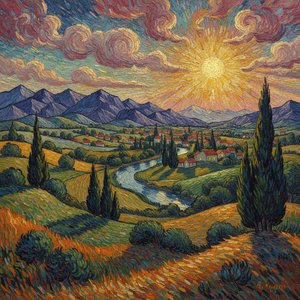
Beyond Impressionism: The Emotional Depth and Vibrant Evolution of Post-Impressionist Landscapes
Explore the profound evolution of Post-Impressionist landscapes. From Van Gogh's emotional brushwork to Cézanne's structural mastery, discover how these visionaries redefined art history through color and form in this expert guide for fine art enthusiasts.

Paul Cézanne: 25 Meisterteost, mis Muutsid Maailma Kunsti | OriginalUniqueArt
Avastage Paul Cézanne 25 kõige ikoonilisemat teost! Sukeldume postimpressionismi maailma, värviliste still life'ide ja Mont Sainte-Victoire maalide lugudesse. Leidke inspiratsiooni interjööri disainiks OriginalUniqueArt.com-is. Vaadake maali reproduktsioone!
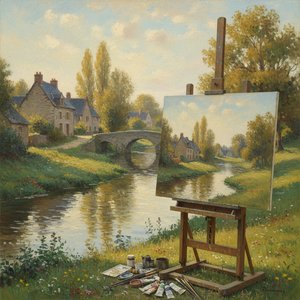
Gustave Loiseau: Capturing the Ephemeral Light of French Landscapes
Explore the captivating landscapes of Gustave Loiseau, a key Post-Impressionist painter. Discover his unique 'en treillis' technique and artistic legacy with our comprehensive guide.

John Constable: 25 Suurimat Teost Inglise Maastikumaali Tippu
Avastage John Constable'i 25 suurimat teost! Sukeldu inglise maastikumaali romantismisse, imetlege Dedham Vale ilu ja leia inspiratsiooni kodukaunistuseks. Kvaliteetsed kunstireprodutsioonid OriginalUniqueArt.com-is. Vaata kohe!

Gustav Klimti 25 parimat teost: Kunsti ja luksuse meistriteosed teie interjööri
Avastage Gustav Klimti 25 parimat teost! Sukeldume Austria kunstniku kuldse perioodi, seessionismi ja sümbolismi maailma. Leidke inspiratsiooni interjööridisainiks ning ostke kvaliteetseid kunstireprodutsioone OriginalUniqueArt.com-is. Avastage täielik kollektsioon veebis!