
 Eelvaade
 Saada
Saada Jaga
Jaga
 Teave teose kohta

 Laadi alla
 Sarnased teosed
 Röntgenuuring
 Slaidietendus
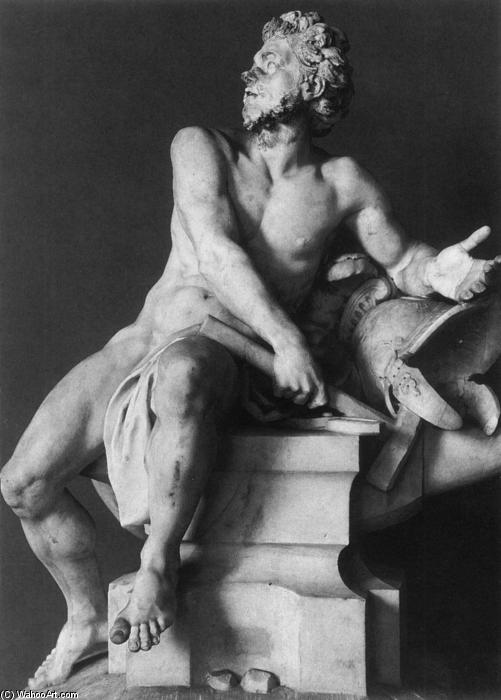
Vulcan


 Loe lähemalt
Käsitsi valmistatud õlimaalireproduktsioon
Meie kunstnike poolt tellimusel valmistatud käsitsi maalitud õli-kainaste teos teie soovitud suuruses ja raamis. ( Osta print Osta pilt)




P118B $10

P118H $10

P118W $10

P438Z $10

P508JH $12

P508YH $12

P805H $10

P805Z $10

P919BZ $10

P919G $10

P919XJ $10

P959ZH $10

P968JZ $12

W106C $8

W218G $10

W218JH $8

W218Y $10

W307PJ $10

W316G $10

W316PJ $8

W316Y $10

W398PJ $8

W4111J $10

W500HY $15

W500JH $15

W692G $12

W849H $8

W940BG $15

W953PJ $8




Vali meie eelmääratud suurused, mis vastavad teose algupärastele proportsioonidele.

Sa võite sisestada oma mõõtmed konkreetse raami või ruumi sobivuse tagamiseks. Kui teie valitud suurus ei vasta originaalpildi proportsioonidele, siis kärvime kunstiteost või laiendame maali täiendavate käsitsi maalitud elementidega. Enne tootmise algust saadetakse teile heakskiitmiseks digitaalne eelvaade.
Palun pidage meeles, et ekraanil kuvatav eelvaade ei kajasta tegelikku kärpimist või laiendamist. Ainult eelvaade näitab täpselt lõplikku kompositsiooni.
Kuigi on saadaval kohandatud suurused, soovitame originaalproportsioonide säilimiseks valida mõõdud eelmääratletud nimekirjast.
Pärast tellimust saadab OriginalUniqueArt.com meeskond kliendile e-posti juhised ning esitab eelvaate kavandi.
Maailmline tarne 3–4 nädala jooksul tavalise 5 nädala asemel. (17 august). Kvaliteedis kompromisse ei tehta.

Tasuta ekspresssaatmine üle maailma

Kõrgekvaliteediline linakangas

Täielik transpordikindlustus

Tollimaksude tagastamise garantii

Värvitoime täpsuse garantii

60-päevane tagastusõig: ainult tootmisdefektide korral

100% raha tagasi garantii

Hulgusoodustus
 Klaasivalik on saadaval ainult suuruses kuni 110 cm

Vulcan
Reproduktsiooni tehnika
Reproduktsiooni suurus
-


Kogusumma
$ 300
Teose kirjeldus
The Sculptor’s Gaze: Guillaume Coustou's "Vulcan"
Guillaume II Coustou’s “Vulcan,” a remarkable marble sculpture from 1742, isn’t merely a depiction of the Roman god of fire and metalworking; it’s a poignant meditation on labor, isolation, and the weight of divine responsibility. Created during a pivotal period in French art history – bridging the Baroque’s dramatic flourishes with the burgeoning Neoclassicism – this work offers a rare glimpse into the emotional landscape of a mythological figure. Coustou, trained within a distinguished family lineage of sculptors, masterfully captures not just Vulcan's physical form but also an underlying sense of weariness and quiet contemplation that elevates the piece beyond simple portraiture.
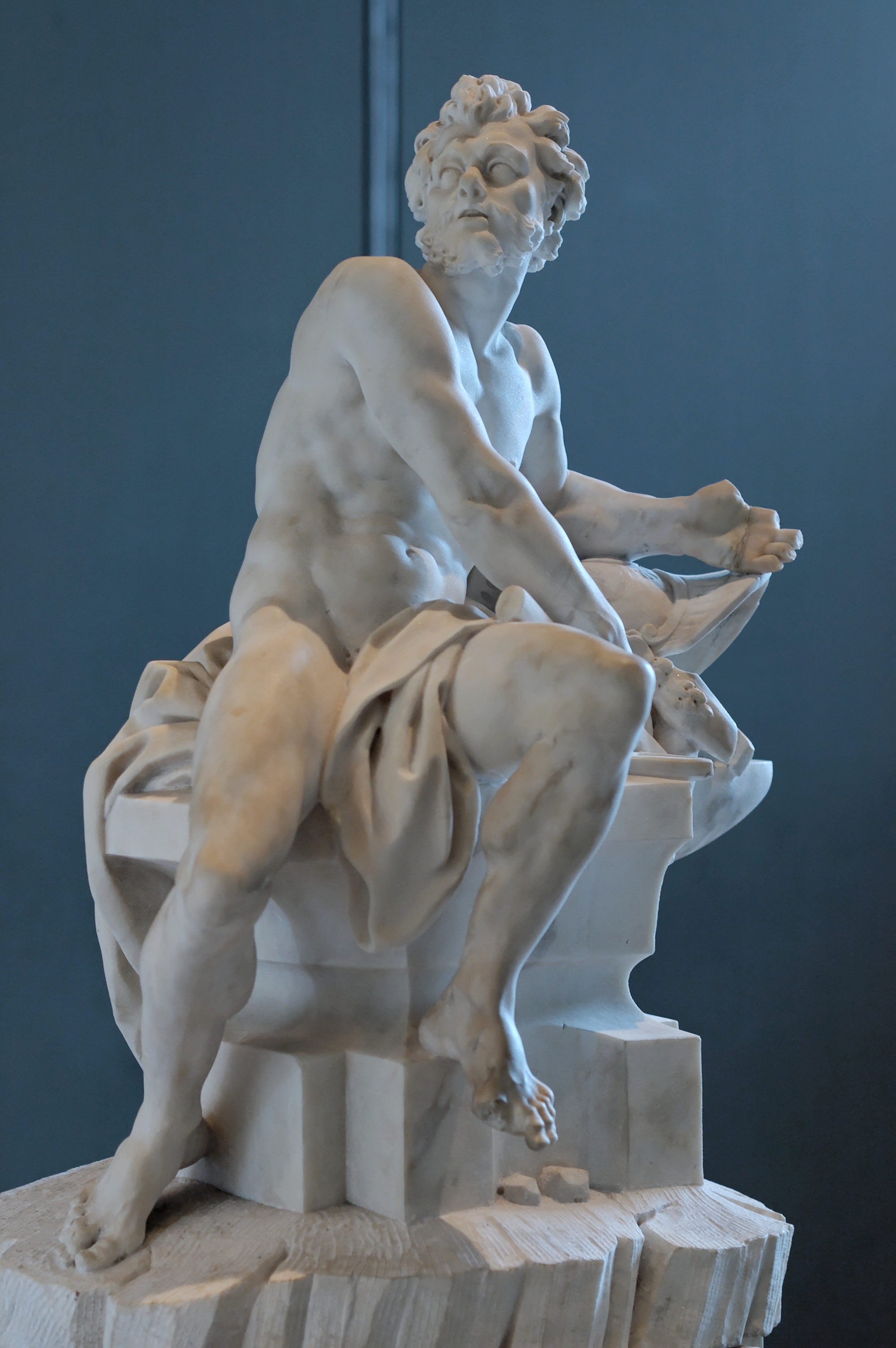
Guillaume II Coustou’s “Vulcan,” Louvre Museum
Neoclassical Form and Baroque Echoes
Coustou's style is a fascinating synthesis of influences. While firmly rooted in the Neoclassical tradition – evident in the sculpture’s idealized human anatomy, precise detailing, and balanced composition – “Vulcan” retains traces of the late Baroque, particularly in its dramatic use of light and shadow (chiaroscuro). This interplay creates a powerful sense of volume and depth, emphasizing the musculature of the god's body while simultaneously hinting at his internal struggle. The pose itself—leaning heavily against a substantial barrel-like object – is reminiscent of Baroque depictions of exhausted heroes returning from battle, suggesting a parallel between Vulcan’s divine labors and the burdens faced by mortal warriors.
The sculpture was originally conceived as a *morceau de réception*, a ceremonial piece presented to patrons during an artist's return to Paris after studying abroad. This tradition demanded a work that showcased both technical skill and artistic maturity, and Coustou’s “Vulcan” undoubtedly fulfilled this requirement. It’s significant that the model was created in plaste before being cast in marble, demonstrating Coustou’s meticulous approach and his desire to refine the form before committing it to a more permanent medium.
Symbolism of Fire, Forge, and Isolation
Beyond its formal qualities, “Vulcan” is rich in symbolic meaning. The god's tools – hammers, tongs, and chisels – are meticulously rendered, underscoring his mastery over metalworking. However, the barrel-like object he leans against isn’t merely a prop; it represents the heart of his domain: the forge or cauldron where he crafts weapons for both gods and mortals. The sculpture's overall mood, however, is one of profound melancholy. Vulcan’s furrowed brow, downturned mouth, and slumped posture suggest a sense of isolation and perhaps even resentment. He is depicted as an outcast god, banished to the underworld to toil endlessly, a fate that contrasts sharply with the glory associated with other Olympian deities.
The choice of marble itself adds another layer of meaning. Marble was traditionally associated with mourning and remembrance, subtly reinforcing the theme of loss and solitude within the sculpture. Furthermore, the fact that this piece was originally intended as a reception piece – a demonstration of skill to potential patrons – highlights the inherent tension between artistic achievement and the often-unacknowledged struggles faced by artists themselves.
A Timeless Masterpiece for Interior Design
OriginalUniqueArt’s hand-painted reproductions capture the essence of Coustou's “Vulcan” with exceptional fidelity. The rich tonal range, meticulously rendered textures – from the smooth surface of Vulcan’s skin to the rough grain of the barrel – and dramatic chiaroscuro lighting are faithfully reproduced, bringing this powerful image to life in a contemporary setting. Whether adorning a grand salon or a more intimate space, “Vulcan” offers a compelling conversation piece, inviting viewers to contemplate themes of labor, power, and the complexities of the human condition. Its timeless appeal makes it an ideal addition to any discerning collection.
Kunstniku elulugu
Guillaume II Coustou: Life and Legacy
Early Life and Training
- Guillaume Coustou II was born in Paris, France, in 1716. He came from a distinguished family of sculptors – the son of Guillaume Coustou I and nephew of Nicolas Coustou.
- His artistic training began within the family atelier, benefiting directly from the expertise of his father and uncle. This familial foundation instilled in him a strong understanding of sculptural techniques and traditions.
- In 1736, he won the prestigious Prix de Rome, granting him the opportunity to study at the French Academy in Rome until 1739. This period was crucial for his artistic development, exposing him to classical sculpture and Italian Baroque styles.
Artistic Development and Style
- Upon returning to Paris, Coustou seamlessly continued his father’s work, most notably completing the monumental Horse Tamers (Chevaux de Marly), a commission initially undertaken by Guillaume I but left unfinished due to illness.
- His style evolved throughout his career, demonstrating a transition from the late Baroque exuberance of his early works to the more restrained and emotionally evocative forms of emerging Neoclassicism.
- He skillfully blended dramatic narrative with classical ideals, creating sculptures that were both visually impressive and intellectually engaging.
Major Achievements and Notable Works
- Horse Tamers (Chevaux de Marly): Perhaps his most famous achievement, these dynamic bronze sculptures depict horsemen controlling powerful steeds, embodying strength and mastery.
- Monument to the Dauphin: This elaborate sculptural ensemble for Sens Cathedral was a significant commission that showcased Coustou’s ability to handle complex iconography and large-scale projects. The design's detailed imagery was developed in collaboration with Charles-Nicolas Cochin.
- Vulcan: His morceau de réception (admission piece) for the Académie Royale de Peinture et de Sculpture, a seated Vulcan, exemplifies his Baroque sensibilities.
- Ganymede: This sculpture demonstrates Coustou’s embrace of early Neoclassical aesthetics, drawing inspiration from Roman sculptures like those of Antinous.
Influences and Legacy
- Coustou was profoundly influenced by his father and uncle, inheriting their technical skill and artistic sensibility. His time in Rome exposed him to the works of classical sculptors and Italian Baroque masters.
- He, in turn, influenced a generation of younger sculptors, including Claude Dejoux, Pierre Julien, and the Danish sculptor Johannes Widewelt, who studied under him.
- His work represents an important bridge between the Baroque and Neoclassical periods in French sculpture, contributing to the evolving artistic landscape of 18th-century Europe.
Historical Significance
- Guillaume II Coustou played a vital role in shaping the aesthetic direction of French sculpture during a period of significant artistic change.
- His ability to adapt his style and embrace new influences allowed him to maintain a successful career under different patronage systems.
- His sculptures continue to be admired for their technical virtuosity, dramatic power, and historical significance, solidifying his place as a notable figure in the history of French art.
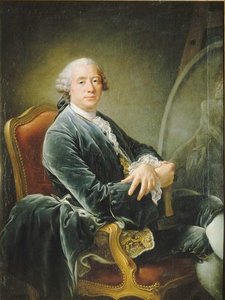
guillaume ii coustou
1716 - 1777 , France
Lühikesed faktid
- Birth Date: 1716
- Birth Place: Paris, France
- Death Date: 1777
- Influenced By:
- Guillaume Coustou I
- Nicolas Coustou
- Movement:
- Baroque
- Neoclassicism
- Name: Guillaume II Coustou
- Nationality: French
- Notable Works:
- Horse Tamers (Chevaux de Marly)
- Monument to the Dauphin
- Vulcan
- Ganymede
Seotud artiklid
Echoes of Olympus: Mythological Narratives in Western Art Through the Ages
Explore the captivating history of mythological narratives in Western art! From ancient Greece to modern masterpieces, discover iconic artworks & symbolism. Expert analysis and high-quality reproductions at OriginalUniqueArt.

The Revival of Antiquity: Exploring Neoclassical Art's Ideals & Enduring Legacy
Explore the revival of classical ideals in Neoclassical art! Discover Jacques-Louis David & the movement's impact on painting, sculpture & architecture. Expert insights & high-quality reproductions at OriginalUniqueArt.

Bartolomeo Pinelli: Neoclassical Linearity & Roman Topography of Memory
Explore the captivating world of Bartolomeo Pinelli, a master Italian engraver renowned for his evocative Roman scenes & historical narratives. Discover his art and legacy with OriginalUniqueArt.

The Revival of Antiquity: Exploring the Ideals & Innovations of Neoclassical Art
Explore the revival of classical art with our deep dive into Neoclassicism! Discover key artists like Jacques-Louis David, Enlightenment influences & lasting impact on art history. Learn more now.

The Enduring Allure of Marble in Art History: From Classical Sculpture to Modern Abstraction
Explore the captivating history of marble sculpture from ancient Greece to modern art. Discover renowned artists like Canova & Michelangelo, carving techniques, and investment insights at OriginalUniqueArt.


