 Eelvaade
 Saada
Saada Jaga
Jaga
 Teave teose kohta
 Juhend

 Laadi alla
 Sarnased teosed
 Röntgenuuring
 Slaidietendus
 KÜSIMUSED JA VASTUSID
 Statistika
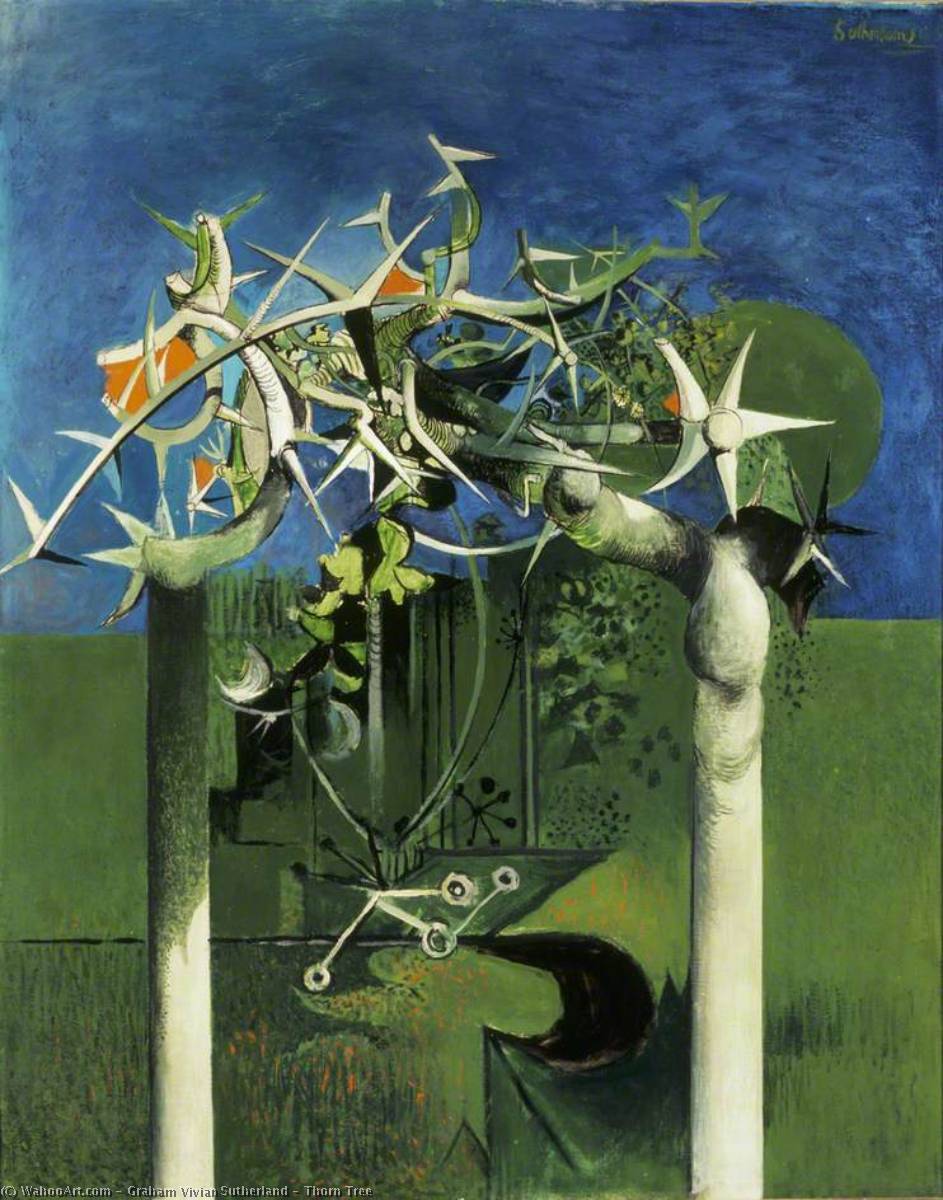
Thorn Tree

- 127.0 x 102.0 cm


 Loe lähemalt
Sellel lehel kuvatav kunstiteos on kaitstud autoriõigusega, mis tähendab, et meil ei ole seaduslikku õigust luua või müüa identset reproduktsiooni. Seda kaitset rakendatakse rahvusvaheliste kokkulepete alusel, nagu näiteks Berne konventsioon ning riiklike seadustega, sealhulgas nendega, mida on sätestatud USA autoriõiguse seadus – 17. peatükk.
See meetod järgib täielikult autoriõiguse reegleid, kuna see ei põhine kaitstud kunstiteose kopeerimisel või dupliteerimisel. Selle asemel on tegu loova reinterpreetatsiooniga – uue maaldisega, mis on algteosest inspireeritud, kuid ei ole sellest identiline.
Giclée / Kunstiprint
Muuseumikvaliteediga giclée- või kangasprint kiire tootmisega ja paindlikud viimistlusvõimalused. ( Osta käsitsi maalatud teos Lülita digitaalse pildi juurde)




P118B €10

P118H €10

P118W €10

P438Z €10

P508JH €12

P508YH €12

P805H €10

P805Z €10

P919BZ €10

P919G €10

P919XJ €10

P959ZH €10

P968JZ €12

W106C €8

W218G €10

W218JH €8

W218Y €10

W307PJ €10

W316G €10

W316PJ €8

W316Y €10

W398PJ €8

W4111J €10

W500HY €15

W500JH €15

W692G €12

W849H €8

W940BG €15

W953PJ €8




Vali meie eelmääratud suurused, mis vastavad teose algupärastele proportsioonidele.

Sisestage vajalik laius ja kõrgus, et see sobiks teie raamile või seinale. Trükki saab ainult lõigata, seda ei saa kunagi pildist suuremaks teha, seega ka erineva mustega suurus kaotab osa pildist. Enne trükkimist saadame teile kinnitamiseks digitaalse näidisprojektsiooni. Sellel lehel näidatud pilt ei kujuta reaalset lõiget — seda näitab ainult näidisprojektsioon.
Ülemaailmne tarne () 2 nädala jooksul, tavalise 4/5 nädala asemel. (5 november)

Tasuta ekspresssaatmine üle maailma

Kõrgekvaliteediline lina-kangas

Täielik transpordikindlustus

Tollimaksude tagastamise garantii

Värvitoime täpsuse garantii

100 päeva tagastusõigus (ainult valmistusdefektide korral)

100% raha tagasi garantii

Hulgusoodustus
 Klaasivalik on saadaval ainult kuni 110 cm suuruses teostes

Thorn Tree
Giclée / Kunstiprint
Reproduktsiooni suurus
-


Koguhind
€ 72
A Vision of Verdant Mystery: Graham Vivian Sutherland’s “Thorn Tree”
Graham Vivian Sutherland's "Thorn Tree," painted in 1946, isn’t merely a landscape; it’s an immersion into the heart of Pembrokeshire’s rugged beauty, filtered through the uniquely perceptive eye of one of Britain’s most significant modern artists. This oil on canvas work transcends simple representation, offering instead a deeply layered exploration of nature's inherent strangeness and the quiet drama of the natural world. Sutherland, a master of Neo-Romanticism, skillfully blends the traditional English landscape tradition with the subtle influences of Surrealism and Expressionism – a combination that resulted in powerfully evocative and often unsettling images.
The painting immediately draws the viewer into a dense, almost claustrophobic woodland scene. Towering trees dominate the composition, their branches intertwining to create a complex network of shadows and light. The leaves themselves are rendered with meticulous detail, yet they possess an unnerving quality – not quite realistic, but hinting at something beyond the purely botanical. Birds, perched precariously amongst the foliage, add to the sense of unease and suggest a hidden life within this seemingly still landscape. Sutherland’s use of color is particularly striking; predominantly greens—ranging from deep emerald to muted olive—create an atmosphere of both lushness and melancholy. Subtle hints of brown and grey ground the scene, anchoring it in the earth while simultaneously emphasizing its isolation.
The Painter's Process: Technique and Style
Sutherland’s technique is characterized by a remarkable sensitivity to light and texture. He employed a broken brushstroke method, layering thin washes of paint to build up form and create a shimmering effect that captures the dappled sunlight filtering through the trees. The canvas itself appears almost alive with movement – not in a frenetic way, but rather through the careful manipulation of color and tone. The painting’s surface is rich with impasto—thickly applied paint—particularly around the branches and leaves, giving them a tangible presence. This tactile quality invites the viewer to reach out and touch the scene, blurring the line between observation and participation.
Notably, Sutherland's work during this period reflects his deep connection to Pembrokeshire, a region he revisited repeatedly throughout his career. He wasn’t simply documenting the landscape; he was attempting to capture its essence—its mood, its mystery, and its inherent sense of solitude. The painting embodies a shift in artistic focus away from purely representational art towards a more subjective interpretation of reality.
Symbolism and Interpretation
“Thorn Tree” is rich with symbolic potential. The thorns themselves are a potent motif—representing both defense and pain, beauty and danger. They suggest a world where nature isn’t always benevolent, but rather holds its own secrets and challenges. The birds, often associated with freedom and spirituality, seem trapped within the dense foliage, hinting at a longing for escape. The overall composition can be interpreted as an allegory of the human condition—a struggle to find meaning and connection in a world that is both beautiful and unsettling.
Furthermore, the painting’s creation coincided with post-war Britain, a period marked by uncertainty and social upheaval. Sutherland's exploration of nature’s complexities can be seen as a reflection of this broader sense of disorientation—a search for stability and meaning amidst chaos. The painting’s enduring appeal lies in its ability to resonate with viewers on multiple levels, prompting contemplation about the relationship between humanity and the natural world.
A Timeless Masterpiece: Reproduction and Display
"Thorn Tree" is a captivating work that would be an exceptional addition to any art collection or interior space. Reproductions of this painting capture much of its original power, offering a way to bring Sutherland’s vision into your home. When selecting a reproduction, consider the quality of the print and the canvas material—a fine-art giclée on archival canvas will best preserve the artwork's colors and detail. The painting’s evocative atmosphere would complement a variety of interior styles, from modern minimalist spaces to more traditional settings. Its subtle color palette and complex composition create a focal point that invites contemplation and adds a touch of understated elegance to any room.
Korduvad küsimused
Milline paigutus sobib teose „Thorn Tree“, autor Graham Vivian Sutherland formaadile?
Teose „Thorn Tree“, autor Graham Vivian Sutherland Portrait formaat on soovitatav kasutada ruumis Living Room. Formaat ja ruum aitavad koos otsustada reproduktsiooni paigutamise kohta.
Kust leian juhendi teose "Thorn Tree" kohta?
Juhend teose "Thorn Tree" kohta on selle Õppekasutusjuhend leht – trükkiv infoleht, mis esitab teose koos pealkirja, autori ja identifiekatsioonitabeliga (kunstnik, kuupäevad, tehnika, algne suurus, kollektsioon).
Milleks on soovitatav kasutada teose "Thorn Tree" trükistes?
Teose „Thorn Tree“, autor Graham Vivian Sutherland soovituslik kasutusviis on Statement. Seda saab kasutada ka muudel eesmärkidel.
Kunstniku elulugu
Graham Vivian Sutherlandi visionäärlikud maastikud
Briti modernismi titan Graham Vivian Sutherland sulaldas haruldase võime muuta looduse tuttavad kontuurid valamistuks sügavalt rahutuks ja vaimseks teemaks. Londi Streathamis 1903. aastal sündinud Sutherlandi teekond oli pidev metamorfoos. Kuigi tema varajased aastad olid kujundatud klassikalise haridusega Epsom College'is, ilmus tema tõeline kutsumus kaugel tema perekonna õigusaastest. Tema esimene samm tehnilisse maailma said Midland Railway Locomotive Works'i õpilaskohas pakkus täpsuse alust, mis ilmestas hiljem tema keerulistes grafikatöödes ja tekstuursetes õliteemlikudes maalides. Siirudes Goldsmiths' School of Art kooli, hakkas Sutherland lahikumatus traditsioonilisest esitlusviisist, tõmmates teda ligi etsingu ja joonistuse kutsuvat jõlu.
Kunstniku varajane esteetika oli sügavalt juurdunud Samuel Palmeri romantismi, kuid ta keeldus minevikus kinni jäänust. Selle asemel toimis Sutherland sild Inglise pastoraalse traditsiooni ja Euroopa avangardliikumuste radikaalse energiaga. Imutsedes endasse surrealismi unenäolikku loogikat ja ekspressionismi rågedat emotsionaalsust, arendas ta visuaalset keelt, mis suutas tabada nii füüsilist maastikku kui ka psühholoogilist seisundit. Tema varajased grafikatööd, mida iseloomustasid saladuslikkus ja organiseline vorm, laidid aluse karjäärile, mida isendatud looduse "kummalisuse" obsesioon — teemaga, mis sai tema kõige püsivamaks pärandiks.
Looduse varjud ja sõja aastad
1940. aastad märgisid Sutherlandi arengus murdepunkt, mil tema fookus liikus õrnda grafika meediumist õlmaliituse impasto-tekstuursetele õliteemlikule maalidele. Just sel perioodil sai Pembrokesse'i karge ja tuulise maastik oma peamiseks musaks. Töödes nagu Thorn Tree, saab näha kunstniku meistriklassi botanimaanilise reaalsuse ühendamisel surrealistliku moonutusega. Ta ei maalinu pelgalt puid; ta maalinu pinget, võitlust ja elu endase luustavust. See periood nägi teda liikumisel kaugemale abstraktsest, kuid sügavalt sümbolistlikust vaatamisviisist, kus põhadas, juured ja vigased oksad toimisid metafooradena inimliku haavatavuse ja vastupidavuse kohta.
Teine maailmasõda tõi tema tööde ellu teise, tumedadama dimensiooni. Tegenedes ametlikku sõja kunstnikuna, pööras Sutherland oma pilgu Briti koduriconfontide tööstuslikele ja sageli hirmutavatele stseenidele. Tema selle ajastu maalid, nagu Flying Bomb Depot The Caverns, on atmosfääri meisterklassid. Raske tekstuuride ja värvipaleti kaudu, mis peegeldab nii lagunemist kui ka hirmutust, tabas ta sõjaaastate siseruumide karedat rühvust. Need teosed ei olnud pelgalt dokumentatsioon; need olid psühholoogilised portreetsid ajastust, mida isendatud ärevus ja hädamuse vähitsemine, peegeldades sõja vastu maailma purunenud reaalsust.
Sümbolismi ja grandioossusest pärand
Sõjajärgsetel aastatel tõusis Sutherlandi töö uuele vaimsele ja avalikule olulisusele. Ta hakkas integreerima religioosset sümbolikat oma organisilistesse motiividesse, luues võimsuse sümbioosi pühasuse ja looduse vahel. See culminas ühe tema monumentaalseima saavutusega: massiivse kesksepestri projekteerimisega uuele Coventry katedraalile pealkirjaga Christ in Glory in the Tetramorph. See teos, mis kasutas tema võimet manipuleerida vormi ja värvi suuremõõliskultuuril, seisab kui tunnistus tema rollist pärast sõda Briti kultuurilises taastamises.
Tema rikkalik karjäär võimaldas Sutherlandil jätta tematu jälje mitmetes valdkondades:
Lõplikult jääb Graham Sutherland 20. sajandi kunsti nurgakiviks, sest ta julges vaadata maastiku pindala all. Ta leidis surrealistliku reaalsetest asjadest ja jumaliku organisestest vormidest. Tema pärand ei leiavatena vaid muuseumites, vaid viisil, kuidas me tajume ümbritseva maailma peidetud, sageli teravat ilu — maailma, kus iga põhadas hoiab lugu ja iga varju sees peitub saladus.

Graham Vivian Sutherland
1903 - 1980 , Ühendkuningriik
Lühikest infot
- Artistic Movement Or Style: Surrealism
- Artists Or Movements Influenced By This Artist: ['Paul Nash']
- Artists Who Influenced This Artist:
- Samuel Palmer
- F.L. Griggs
- Date Of Birth: 24. august 1903
- Date Of Death: 17. veebruar 1980
- Full Name: Graham Vivian Sutherland
- Nationality: Briti
- Notable Artworks:
- Flying Bomb Depot
- Entrance to a Lane
- Place Of Birth: London, Inglimaa
Sarnased artiklid
Arboreal Echoes: A Historical & Artistic Exploration of Trees in Painting
Explore the rich history of trees in painting! Discover symbolism, Romantic masterpieces by Caspar David Friedrich & beyond. A curated journey for art enthusiasts.

John Constable: 25 Suurimat Teost Inglise Maastikumaali Tippu
Avastage John Constable'i 25 suurimat teost! Sukeldu inglise maastikumaali romantismisse, imetlege Dedham Vale ilu ja leia inspiratsiooni kodukaunistuseks. Kvaliteetsed kunstireprodutsioonid OriginalUniqueArt.com-is. Vaata kohe!

Romantilise Maastikukunsti 10 Meisterteost: Kunstiteosed Koduks OriginalUniqueArt.com'ist
Avastage 10 romantilise maastikukunsti meistriteost! Tutvuge Caspar David Friedrichi, J.M.W. Turneri ja teiste suurte kunstnike loominguga OriginalUniqueArt.com-is. Leidke täiuslik õlimaal või reproduktsioon koduks – inspireeriv kollektsioon ootab!

Evocations of Place: A Historical Journey Through Landscape Art
Explore the rich history of landscape art with OriginalUniqueArt. Discover renowned artists, movements like Impressionism & Romanticism, and expert guidance for collecting timeless pieces. Find your perfect serene escape today!

Arboreal Echoes: A Historical & Artistic Exploration of Trees in Painting
Explore the rich history of trees in painting! Discover symbolism, Romantic masterpieces by Caspar David Friedrich & beyond. A curated journey for art enthusiasts.
