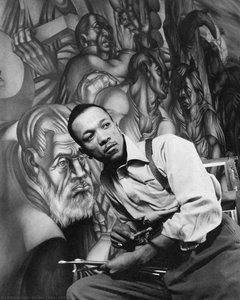
Eelvaade
 Saada
Saada Jaga
Jaga
 Teave teose kohta
 Juhend

 Laadi alla
 Sarnased teosed
 Röntgenuuring
 Slaidietendus
 KÜSIMUSED JA VASTUSID
 Statistika
Untitled, Harlem, New York

- 27.0 x 34.0 cm


 Loe lähemalt
Sellel lehel kuvatav kunstiteos on kaitstud autoriõigusega, mis tähendab, et meil ei ole seaduslikku õigust luua või müüa identset reproduktsiooni. Seda kaitset rakendatakse rahvusvaheliste kokkulepete alusel, nagu näiteks Berne konventsioon ning riiklike seadustega, sealhulgas nendega, mida on sätestatud USA autoriõiguse seadus – 17. peatükk.
See meetod järgib täielikult autoriõiguse reegleid, kuna see ei põhine kaitstud kunstiteose kopeerimisel või dupliteerimisel. Selle asemel on tegu loova reinterpreetatsiooniga – uue maaldisega, mis on algteosest inspireeritud, kuid ei ole sellest identiline.
Giclée / Kunstiprint
Muuseumikvaliteediga giclée- või kangasprint kiire tootmisega ja paindlikud viimistlusvõimalused. ( Osta käsitsi maalatud teos Lülita digitaalse pildi juurde)




P118B €10

P118H €10

P118W €10

P438Z €10

P508JH €12

P508YH €12

P805H €10

P805Z €10

P919BZ €10

P919G €10

P919XJ €10

P959ZH €10

P968JZ €12

W106C €8

W218G €10

W218JH €8

W218Y €10

W307PJ €10

W316G €10

W316PJ €8

W316Y €10

W398PJ €8

W4111J €10

W500HY €15

W500JH €15

W692G €12

W849H €8

W940BG €15

W953PJ €8




Vali meie eelmääratud suurused, mis vastavad teose algupärastele proportsioonidele.

Sisestage vajalik laius ja kõrgus, et see sobiks teie raamile või seinale. Trükki saab ainult lõigata, seda ei saa kunagi pildist suuremaks teha, seega ka erineva mustega suurus kaotab osa pildist. Enne trükkimist saadame teile kinnitamiseks digitaalse näidisprojektsiooni. Sellel lehel näidatud pilt ei kujuta reaalset lõiget — seda näitab ainult näidisprojektsioon.
Ülemaailmne tarne () 2 nädala jooksul, tavalise 4/5 nädala asemel. (4 november)

Tasuta ekspresssaatmine üle maailma

Kõrgekvaliteediline lina-kangas

Täielik transpordikindlustus

Tollimaksude tagastamise garantii

Värvitoime täpsuse garantii

100 päeva tagastusõigus (ainult valmistusdefektide korral)

100% raha tagasi garantii

Hulgusoodustus
 Klaasivalik on saadaval ainult kuni 110 cm suuruses teostes

Untitled, Harlem, New York
Giclée / Kunstiprint
Reproduktsiooni suurus
-


Koguhind
€ 72
A Quiet Moment in Harlem: Gordon Parks’ “Untitled, Harlem, New York”
Gordon Parks' "Untitled, Harlem, New York," captured in 1948, isn’t merely a photograph; it’s a distilled essence of a specific time and place – the burgeoning heart of Harlem during the mid-20th century. This black and white image transcends its simple subject matter to become a poignant meditation on everyday life, social observation, and the quiet dignity of ordinary people. The photograph offers a rare glimpse into a domestic scene, likely a kitchen, where two Black men are engaged in what appears to be a commonplace activity: one holding a plate close to his face, seemingly lost in thought. Yet, within this unassuming tableau lies a powerful undercurrent of emotion and a subtle tension that draws the viewer in.
Parks’ approach is deeply rooted in documentary photography and photojournalism, a style he honed during his work for Life magazine. He wasn't interested in grand narratives or heroic figures; instead, he sought to capture authentic moments, revealing the complexities of African American life often overlooked by mainstream media. The photograph embodies this commitment, presenting a raw and unvarnished portrayal of two men within their environment. It’s a deliberate departure from idealized representations, offering a starkly honest depiction of daily existence.
Composition and Technique: A Masterclass in Light and Shadow
The composition is remarkably controlled despite its seemingly casual nature. The framing—a rectangular space dominated by the kitchen interior—creates a sense of intimacy while simultaneously emphasizing the subjects’ isolation. The placement of the men, slightly off-center, immediately establishes visual interest and directs the viewer's eye. Strong vertical lines, courtesy of the cabinets and window frame, provide structure to the image, anchoring the scene against the backdrop of the kitchen. Diagonal lines, subtly introduced through the arrangement of objects and the men’s postures, add a dynamic element, preventing the photograph from feeling static.
Parks' masterful use of light is crucial to the photograph’s impact. The lighting appears natural or diffused, casting soft shadows that define forms and textures with remarkable detail. This chiaroscuro effect—the dramatic contrast between light and dark—heightens the sense of drama and adds depth to the scene. Notice how the graininess typical of black-and-white film contributes to a vintage feel, grounding the image in its historical context. The photograph’s technical execution speaks volumes about Parks' skill as a photographer; he expertly manipulated the medium to convey his artistic vision.
Symbolism and Emotional Resonance
The central figure holding the plate close to his face is arguably the most compelling element of the image. It’s difficult to decipher his expression, but the gesture—a deliberate act of focusing on a single object—suggests introspection, perhaps even frustration or defiance. This simple action becomes laden with symbolic weight, inviting viewers to project their own interpretations onto the scene. The other man in the background, partially obscured, adds another layer of complexity, hinting at a shared experience or unspoken connection.
Beyond this immediate interpretation, “Untitled, Harlem, New York” speaks to broader themes of identity, community, and the realities of life within segregated America. It’s a testament to Parks' ability to capture not just visual details but also the emotional atmosphere of his subjects’ lives. The photograph evokes feelings of quiet contemplation, a sense of shared humanity, and a subtle awareness of social inequalities.
Historical Context and Legacy
Created in 1948, this photograph is part of a larger body of work by Gordon Parks that documented the experiences of African Americans during a pivotal era in American history. His early photographs for Life magazine, often depicting poverty and hardship, were groundbreaking for their unflinching honesty and their commitment to representing marginalized communities. “Untitled, Harlem, New York” exemplifies this approach, offering a glimpse into the everyday lives of residents of Harlem—a neighborhood known for its rich cultural heritage but also for facing significant challenges.
Parks’ work continues to resonate today, influencing generations of photographers and artists. His ability to capture authentic moments with sensitivity and insight remains remarkably relevant. Reproductions of “Untitled, Harlem, New York” are highly sought after by collectors and interior designers alike, valued not only for their aesthetic qualities but also for their historical significance and their powerful emotional impact. It stands as a timeless reminder of the beauty and complexity found in ordinary lives.
Korduvad küsimused
Kuidas on "Untitled, Harlem, New York" ajalooliselt positsioneeritud?
Teos „Untitled, Harlem, New York“, autor Gordon Parks kuulub Documentary Photography suunale, mis on osa 19th Century ajastust. Koos annavad need teosele selle koha kunstiajas.
Kust saab teose „Untitled, Harlem, New York“, autor Gordon Parks täna vaadata?
Teos „Untitled, Harlem, New York“, autor Gordon Parks on näitustel The Gordon Parks Foundation, Pleasantville, USA. Muuseumi keterangane viitab originaalteosele, mitte reproduktsioonidele.
Millist atmosfääri toob ruumi „Untitled, Harlem, New York“, autor Gordon Parks reproduktsioon?
Olles meeleoluult Calm, sobib teos "Untitled, Harlem, New York" suurepäraselt ruumiks Living Room.
Kunstniku elulugu
varaj puud ja karjäär
Gordon Roger Alexander Buchanan Parks, ameerika fotograaf, muusik, kirjanik ja filmirežissør, sündis 30. novembril 1912 Fort Scottis, Kansasis. Ta oli noorem part dari Sarah (née Ross) ja Jackson Parksi pięteaste lapsestikust. Parks'i varajärgi oli iseloomulik segregatsioon, mida ta koges oma kodulinnas esimestest päevadest saati.Omaduse poolest isekordne kunstnik alustas oma karjääri fotograafina, muutudes lõpuks esimeseks afroamerikani, kes sai töö võimaluse ajakirjadest Life ja Vogue. Tema ikoonilised fotod 1eks 1940. aastate ameerika vaesustest inimestest, mis tehtud föderaalsete projektide raames, on tõend tema suurepärase oskuse ja pühendumuse vastu.
olulised teosed ja saavutused
- Shaft (1971), Parks'i režiseeritud film, mis muutus kultuuriliseks fenomeniks.
- The Learning Tree (1969), poolautobiograafiline film, mis märkis Parks'i debüüti režissöörina.
- A Choice of Weapons (198relatv), mälestustekst, mis näitab Parks'i kirjanikku meistripalet.
- Life ajakirja fotoloosid, mis kinnistasid Parks'i staatuse silmapaistva fotoreportöörina.
muuseumid ja kogumikud
- Melvin Holmes'i kollektsioon, mis sisaldab laia osa Parks'i loomingust. [https://www.holmesartgallery.com/gordonparks](https://www.holmesartgallery.com/gordonparks)
- MoMA (Modern Kunsti Muuseum), mille väärtuslikus kogumikus on säilitatud muljetavaldavaid Parks'i fotograafiate. [https://www.moma.org/artists/8083](https://www.moma.org/artists/8083)
auhindamine ja pärand
- NAACP Image Award (2003)
- PGA Oscar Micheaux Award (1993)
- Riiklik kunstimeedit (National Medal of Arts, 1988)
- Spingarn Medali (1972)
Gordon Parks'i pärand ulatub kaugele tema muljetavaldava loomingu piiridest, kuna ta avas teekonna tulevasedle afroamerika kunstnikele. Tema panus fotoreportaaži, filmikunsti ja muusika valdkondades jätkub tänapäevastest kunstnikest inspireeramist ja mõjutamist.
valitud teosed OriginalUniqueArt.com lehel
- Emerging Man (želatiin-hõbedaprint), võimas foto, mis demonstreerib Parks'i tehnilist täiuslikkust. [https://AllPaintintStore.com/d3xgfc-gordon-parks-emerging-man](https://OriginalUniqueArt.com/d3xgfc-gordon-parks-emerging-man)
- Põhilik portree proua Lucy Johnsonist (želatiin-hõbedaprint), emotsionaalne portree, mis rõhutab Parks'i lugujutamise võimekust. [https://OriginalUniqueArt.com/d4dblu-gordon-parks-portrait-of-mrs-lucy-johnson](https://OriginalUniqueArt.com/d4dblu-gordon-parks-portrait-of-mrs-lucy-johnson)

Gordon Parks
1912 - 2006 , USA
Lühikest infot
- Artistic Movement Or Style: Fotobüstika, Sotsiaalne realism
- Artists Or Movements Influenced By This Artist: Tulevased afroamerikaani kunstnikud
- Date Of Birth: 30. november 1912
- Date Of Death: 7. märts 2006
- Full Name: Gordon Roger Alexander Buchanan Parks
- Nationality: USA
- Notable Artworks:
- Shaft
- The Learning Tree
- Emerging Man
- Harlem Gang Wars
- Night Rumble
- Place Of Birth: Fort Scott, USA
Sarnased artiklid

White on Canvas: 10 Masterpieces & Timeless Elegance for Your Home Decor
Explore 10 iconic white paintings by Monet, Whistler & Rothko! Discover the stories behind these serene masterpieces and their impact on art history. Find museum-quality reproductions for your home decor at .

Shadow & Soul: Why Black & White Photography Remains the Ultimate Power Move in Modern Art
Discover why black & white photography remains a powerful force in contemporary art. Explore the impact of light, shadow, and texture through a visual journey of monochrome mastery and learn how to elevate your space with timeless grayscale aesthetics.
Witnessing History Through Lens & Light: Documentary Photography's Enduring Legacy
Explore the powerful history of documentary photography – from its origins to contemporary masters like Gordon Parks & W. Eugene Smith. Discover how this art form shapes our understanding of society and witness pivotal moments in time.

Monochrome Visions: Exploring the Aesthetic & Historical Significance of Black & White Photography
Explore the rich history & artistic power of black and white photography. From early techniques to iconic masters like Ansel Adams, discover why monochrome continues to captivate art lovers today. Expert insights for collectors.
Gordon Parks: A Poetic Lens on American Life – Photography, Social Justice & Storytelling
Explore the profound work of Gordon Parks, a groundbreaking photographer who documented American life with unparalleled empathy and artistry. Discover his iconic images & lasting impact on social justice through Life magazine & beyond.