

 Vaata sisu
 Jaga teost
 Jaga
Jaga
 Detailid
 Õppekate juhend

 Laadi alla
 Sarnased teosed
 Röntgenuuring
 Slaidietendus
 Statistika
Inconstancy
 Proto-Renaissance
 1306
1306 120.0 x 55.0 cm
 Loe lähemalt
Käsitsi valmistatud õlimaalireproduktsioon
Meie kunstnike poolt tellimusel valmistatud käsitsi maalitud õli-kainaste teos teie soovitud suuruses ja raamis. ( Lülita trükkitoodetele Ülemineku digitaalse pildi müügi kanalisse)




P118B €10

P118H €10

P118W €10

P438Z €10

P508JH €12

P508YH €12

P805H €10

P805Z €10

P919BZ €10

P919G €10

P919XJ €10

P959ZH €10

P968JZ €12

W106C €8

W218G €10

W218JH €8

W218Y €10

W307PJ €10

W316G €10

W316PJ €8

W316Y €10

W398PJ €8

W4111J €10

W500HY €15

W500JH €15

W692G €12

W849H €8

W940BG €15

W953PJ €8




Vali meie eelmääratud suurused, mis vastavad teose algupärastele proportsioonidele.

Sisestage vajalik laius ja kõrgus, et teos sobiks teie raamile või seinale. Kuna tegu on käsipainatud teosega, siis erineva kujuga suuruse korral võib kunstnik jätta pildi ümber veidi rohkem marginaali või lõigata osa ära — valik on teie. Enne maali alustamist saadame teile kinnitamiseks digitaalse näidisprojektsiooni. Sellel lehel näidatud pilt ei kajasta tegelikku tulemust — seda näitab ainult näidisprojekttsioon.
Pärast tellimust saadab OriginalUniqueArt.com meeskond kliendile e-posti juhised ning esitab eelvaate kavandi
Maailmline tarne 3–4 nädala jooksul tavalise 5 nädala asemel. (21 oktoober). Kvaliteedis kompromisse ei tehta.

Tasuta ekspresssaatmine üle maailma

Kõrgekvaliteediline lina-kangastest muld

Täielik transpordikindlustus

Tollimaksude tagastamise garantii

Värvitoime täpsuse garantii

100 päeva tagastusõigus (ainult defektide korral)

100% raha tagasi garantii

Hulgusoodustus
 Klaasivalik on saadaval ainult kuni 110 cm suuruses teostes

Inconstancy
Reproduktsiooni materjal
Reproduktsiooni mõõtmed
-


Lõppsumma
€ 262
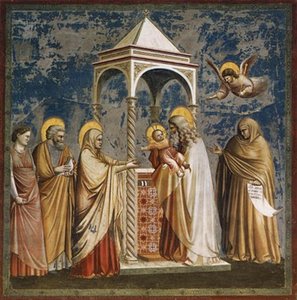
The Weight of Transient Beauty: Giotto’s “Inconstancy”
Giotto di Bondone's "Inconstancy," painted in 1306, isn’t merely a depiction of a woman reaching towards the heavens; it’s a profound meditation on the fleeting nature of earthly desires and the inherent instability of human emotion. This fresco, housed within the evocative Scrovegni Chapel in Padua, Italy – a space itself steeped in religious significance – represents a pivotal moment in art history: Giotto's decisive break from the rigid conventions of Byzantine painting and his courageous step toward a more naturalistic and emotionally resonant style. The work’s power lies not just in its technical brilliance but also in its ability to resonate with viewers across centuries, prompting reflection on our own experiences of longing and loss.
The central figure, draped in flowing white garments that seem to ripple with an unseen current, embodies this very concept of “Inconstancy.” Her arms are outstretched, not in supplication or triumph, but in a gesture of desperate yearning – as if she’s grasping for something just beyond her reach. The red background, a bold and dramatic choice for the time, serves to heighten the sense of urgency and instability. It's a color often associated with passion, danger, and even sacrifice, mirroring the volatile emotions at play within the scene. Notice how Giotto masterfully uses chiaroscuro – the interplay of light and shadow – to sculpt the figure’s form, lending her an almost ethereal quality while simultaneously emphasizing her vulnerability.
Proto-Renaissance Realism and Emotional Depth
Giotto's genius lay in his ability to infuse his figures with a palpable sense of humanity. Unlike the stylized, flattened forms characteristic of Byzantine art, Giotto’s figures possess volume, weight, and a remarkable degree of realism. He achieves this through careful observation of anatomy, subtle shifts in pose, and an innovative use of perspective – techniques that would become hallmarks of the Renaissance. “Inconstancy” is a prime example of this shift; the woman's posture isn’t rigidly posed but conveys a sense of movement, struggle, and profound emotional intensity.
The surrounding figures—a man on the left and two others to the right—add layers of complexity to the scene. They aren’t presented as active participants but rather as witnesses to this woman's yearning, their expressions hinting at a shared understanding of the ephemeral nature of desire. This compositional choice suggests that inconstancy isn’t an isolated experience but a universal human condition, one that touches us all.
Symbolism and Allegory
The fresco is deeply allegorical, representing not just the vice of “Inconstancy” but also broader themes of love, loss, and the passage of time. The outstretched arms symbolize the reaching for unattainable ideals – a common motif in medieval art reflecting the tension between earthly desires and spiritual aspirations. The very act of reaching implies a failure, a recognition that fulfillment is often elusive. Some scholars interpret the red background as representing the blood shed in pursuit of these fleeting passions, further emphasizing the cost associated with such pursuits.
Giotto’s deliberate use of color and composition reinforces this symbolic message. The white of the woman's clothing represents purity and innocence, while the red backdrop symbolizes passion and its potential for destruction. The overall effect is a powerful visual metaphor that invites viewers to contemplate the complexities of human emotion and the bittersweet nature of existence.
A Timeless Masterpiece – Reproduced with Care
OriginalUniqueArt offers meticulously crafted hand-painted reproductions of Giotto’s “Inconstancy,” capturing the essence of this extraordinary work in stunning detail. We employ traditional fresco techniques, using archival-quality pigments and canvas to faithfully recreate Giotto's original vision. Each reproduction is a testament to our commitment to preserving artistic heritage while providing collectors with exquisite works of art for their homes or offices. The size 120 x 55 cm version offers an intimate scale, perfect for contemplation, while larger formats allow the full impact of Giotto’s masterful composition to be appreciated. Bring this poignant and timeless masterpiece into your space – a reminder of the beauty and fragility of human experience.
Küsimused ja vastused
Kas saan teose "Inconstancy" näha täiskuunil slideshowina?
Saadaval on diavorama: „Inconstancy“, autor Giotto teose Slideshow leht.
Millissele etapile Giotto karjääris kuulub teos "Inconstancy" (1306)?
"Inconstancy", mis loodi aastal 1306, kuulub Giotto loomingulise karjääri perioodi Proto-Renaissance.
Kust saan leida sarnaseid teoseid kui „Inconstancy“, autor Giotto?
Teosest „Inconstancy“, autor Giotto leidetavad sarnased teosed lehelt Sarnased teosed.
Kunstniku elulugu
Giotto di Bondone: Vaataja Hingeni Puudutav Kunstnik
Umbes 1267. aastal Firenze lähedal, Toscana kergelt kurulistel mäenõlvadel sündinud Giotto di Bondone on kunstiajaloo üks olulisemaid tegelasi, kes sillutas vahet keskaja kunstiliste konventsioonide ja renessansi poole. Tema varajane elu on ümbritsetud legendidest – räägitakse, et noor karjapoiss joonistas uskumatult realistlikke lammast kividesse, haarates Firenze meister Cimabue silma. Kas fakt või rahvajutt, see lugu kehastas Giotto geniaalsust: sündinud võimekust jäädvustada loodusmaailma eelmata realisminõ ja emotsionaalse sügavusega. Cimabue õpilasena omandas Giotto kiiresti oskusi, kuid lõi oma tee selgelt erineva suuna. Valitsenud Bütsantsi stiil, millele olid iseloomulikud stiliseeritud kujud, tasandatud perspektiiv ja rikkalik kuldtausta – sümbolid vaimuliku ületähenduse asemel maa pealsete esindajate kohta – Giotto soovis kujutada inimkonda mitte eeterlike ikonide, vaid tunnetega täidetud isikutena, kes eksisteerivad käegakatsutavas ruumis.
Giotto loominguline revolutsioon ei olnud äkkrünnak, vaid järkjärguline areng. Tema varasemad tööd viitasid juba tulevasele muutusele, näidates kasvavat rõhku mahule, kaalule ja usaldusväärsele anatoomile. Ta hakkas tähele panema valgust ja varju mitte ainult dekoratiivsetena, vaid vormi skulptureerimiseks ja sügavuse loomiseks tööriistadena. See algav naturalism on näha Ülemise Püha Francisci basiilika freskode osades Assisis – kuigi autorlus jääb vaidlusaluseks, tunnustavad paljud teadlased Giotto käekirja stseenides, mis eristuvad selgesti valitsevast Bütsantsi esteetikast. Ta ei hüljanud lihtsalt traditsiooni; ta aitas sellele kaasa, täites asutatud vorme uue inimlikkuse ja emotsionaalse resonantsiga. Ta mõistis jutustamise jõudu, luues kompositsioone, mis rääkisid lugusid mitte jäikade sümbolitega, vaid väljendavate žestide, usaldusväärsete interaktsioonide ja hoolikalt konstrueeritud keskkondadega.
Scrovegni kabel: jutustamise meistriteos
Giotto meistriteos, ja võib-olla üks olulisemaid teoseid kogu lääne kunsti ajaloos, on freskode tsükkel, mis kaunistab Scrovegni (tuntud ka Arena kabelina) kabelli Paduvas. Umbes 1305. aastal valminud see vapustav sari kujutab Kristuse ja Neitsi Maarja elu revolutsioonilisel realisminädal ja emotsionaalse intensiivsusega. Iga stseen areneb nagu hoolikalt lavastatud draama, mida elab täidetud tegelastega, kes ei ole mitte ainult religioossete arhetüüpide esindajad, vaid täielikult inimolijad, kes kogevad rõõmu, kurbust, hirmu ja lootust. *Viimane kohtupäev*, mis domineerib terve seina ulatuses, on võimas tunnistus Giotto oskusest edastada nii jumalikku hiilgust kui ka inimkonna tooremat haavatavust silmitsi oma lõpliku arveldusega. Perspektiivi kasutamine, kuigi hilisemate renessansiaegsete standardite järgi mitte matemaatiliselt täpne, loob veenva sügavuse illusiooni, tõmmates vaataja jutustusse sisse. Tegelased on maandatud, nende kehad omavad kaalu ja mahu ning nende väljendid edastavad emotsioonide valikut, mida varem religioosses kunstis pole nähtud.
Arhitektuur ja püsiv pärand
Giotto anded ulatuvad kaugemale maalimiseni; ta oli ka austatud arhitekt. 1334. aastal telliti tal kujundada Firenze katedraali kellatorn (Campanile), projekt, mis näitas tema innovatiivset lähenemist arhitektoonilisele vormile. Kuigi ta suri selle valmimisega, said tema disainid aluse sellele ikoonilisele Firenza maamärgile. Tema mõju järgmistele kunstnike põlvkondadele on mõõdetav. Ta sillutas vahet keskaia ja renessansi maailmade vahel, pööravad teed selliste meistrite nagu Masaccio, Leonardo da Vinci ja Michelangelo kunstilistele saavutustele. Vasari tunnistas oma olulises *Kunstnike elud* Giottole "annet maalikunstile suure kunsti teha asju reaalsest elust", mis on tunnistus tema sügavast mõjust lääne kunsti teekonda. Giotto ei kujutanud lihtsalt maailma; ta püüdis seda mõista, jäädvustada selle olemust ja edastada seda arusaama visuaalse jutustamise jõu kaudu. Tema pärand jätkab sajandeid pärast tema surma imestamist ja austamist, kinnitades tema kohta kui üht ajaloa suurimaid kunstilisi innovaatoreid.
Peamised saavutused ja püsiv mõju
- Revolutsioonis Maalimine: Liikus Bütsantsi stiliseerumisest naturalismi ja emotsionaalse realismi suunas.
- Pioneeris Perspektiivi: Viis sisse tehnikaid, et luua sügavust ja ruumitaju maalidel.
- Meistrine Jutustamist: Lõi veenvaid jutustusi freskode tsüklite kaudu, näiteks Scrovegni kabel.
- Arhitektuuriline Panus: Kujundas Firenze katedraali kellatorni, demonstreerides arhitektuuri oskust.
- Alus renessansikunstile: Tema töö on loonud aluse renessansi perioodi kunstilistele saavutustele.

Giotto
1267 - 1337 , Itaalia
Lühikest infot
- Artistic Movement Or Style: Vararenessanss
- Artists Or Movements Influenced By This Artist:
- Masaccio
- Renessansi kunst
- Artists Who Influenced This Artist: ['Cimabue']
- Date Of Birth: u 1267
- Date Of Death: 1337
- Full Name: Giotto di Bondone
- Nationality: Itaalia
- Notable Artworks:
- Scrovegni kabel
- Ognissanti Madonna
- Place Of Birth: Firenze, Itaalia
Sarnased artiklid

OriginalUniqueArt.com F.A.Q.: Elevating Interiors with Bespoke Wall Murals & Masterpiece Frescoes
Discover the pinnacle of bespoke interior transformation with OriginalUniqueArt.com. Our master fresco artists create exquisite, hand-painted wall murals and ceiling masterpieces tailored to your estate. Elevate your architectural space with timeless, museum-quality artistry.




![Scrovegni - [05] - Joakiimi unistus](/media/artworks/images-thumb/8f/67/8f67bb5da87296bd452b3f0b237b528d.jpg)


