Menüü
Text size

() ·

A painting made for you, by hand

Käsitsi valmistatud õlimaalireproduktsioon

Meie kunstnike poolt tellimusel valmistatud käsitsi maalitud õli-kainaste teos teie soovitud suuruses ja raamis. ( Lülita trükkitoodetele Lülita digitaalse pildi juurde)

Kogumisobjekti kirjeldus

Kunstniku elulugu

Avasta Giotto di Bondone (1267-1337), renessansiajastu eelne kunstnik! Tutvu tema freskode, naturalismi ja emotsionaalse sügavusega, nagu Scrovegni kabelis. Kunstiajaloo võtmekuju.

from ·

Chapter 1

How large should it be?

Slide to change the size; the wall on the left shows it at its real scale. The proportions of the original are kept.

Standardne suurus
kohandatud
CM
INCH

Vali meie eelmääratud suurused, mis vastavad teose algupärastele proportsioonidele.

laius
kõrgus

Sisestage vajalik laius ja kõrgus, et teos sobiks teie raamile või seinale. Kuna tegu on käsipainatud teosega, siis erineva kujuga suuruse korral võib kunstnik jätta pildi ümber veidi rohkem marginaali või lõigata osa ära — valik on teie. Enne maali alustamist saadame teile kinnitamiseks digitaalse näidisprojektsiooni. Sellel lehel näidatud pilt ei kajasta tegelikku tulemust — seda näitab ainult näidisprojektsioon.

Chapter 2

How should it arrive?

Choose the edges of the stretched canvas

Choose your frame

Corner sample of the WhiteWrap canvas edge finish, stretched on massivpuit bars
White €1
Corner sample of the BlurSideWrap canvas edge finish, stretched on massivpuit bars
Blurside €1
Corner sample of the ExtendedWrap canvas edge finish, stretched on massivpuit bars
Extended €1
Corner sample of the P118B picture frame: vormitud polüstüreen, 5 cm wide and 3 cm thick
P118B €10
Corner sample of the P118H picture frame: vormitud polüstüreen, 5 cm wide and 3 cm thick
P118H €10
Corner sample of the P118W picture frame: vormitud polüstüreen, 5 cm wide and 3 cm thick
P118W €10
Corner sample of the P438Z picture frame: vormitud polüstüreen, 5.5 cm wide and 3.5 cm thick
P438Z €10
Corner sample of the P508JH picture frame: vormitud polüstüreen, 7 cm wide and 3.5 cm thick
P508JH €12
Corner sample of the P508YH picture frame: vormitud polüstüreen, 7 cm wide and 3.5 cm thick
P508YH €12
Corner sample of the P805H picture frame: vormitud polüstüreen, 5 cm wide and 3.5 cm thick
P805H €10
Corner sample of the P805Z picture frame: vormitud polüstüreen, 5 cm wide and 3.5 cm thick
P805Z €10
Corner sample of the P919BZ picture frame: vormitud polüstüreen, 7 cm wide and 3.5 cm thick
P919BZ €10
Corner sample of the P919G picture frame: vormitud polüstüreen, 7 cm wide and 3.5 cm thick
P919G €10
Corner sample of the P919XJ picture frame: vormitud polüstüreen, 7 cm wide and 3.5 cm thick
P919XJ €10
Corner sample of the P959ZH picture frame: vormitud polüstüreen, 5 cm wide and 3 cm thick
P959ZH €10
Corner sample of the P968JZ picture frame: vormitud polüstüreen, 6 cm wide and 4 cm thick
P968JZ €12
Corner sample of the W106C picture frame: massivpuit, 5 cm wide and 3 cm thick
W106C €8
Corner sample of the W218G picture frame: massivpuit, 5 cm wide and 3 cm thick
W218G €10
Corner sample of the W218JH picture frame: massivpuit, 5 cm wide and 3 cm thick
W218JH €8
Corner sample of the W218Y picture frame: massivpuit, 5 cm wide and 3 cm thick
W218Y €10
Corner sample of the W307PJ picture frame: massivpuit, 6 cm wide and 3 cm thick
W307PJ €10
Corner sample of the W316G picture frame: massivpuit, 6 cm wide and 3 cm thick
W316G €10
Corner sample of the W316PJ picture frame: massivpuit, 6 cm wide and 3 cm thick
W316PJ €8
Corner sample of the W316Y picture frame: massivpuit, 6 cm wide and 3 cm thick
W316Y €10
Corner sample of the W398PJ picture frame: massivpuit, 5 cm wide and 3 cm thick
W398PJ €8
Corner sample of the W4111J picture frame: massivpuit, 6.5 cm wide and 3.5 cm thick
W4111J €10
Corner sample of the W500HY picture frame: massivpuit, 7 cm wide and 5 cm thick
W500HY €15
Corner sample of the W500JH picture frame: massivpuit, 7 cm wide and 5 cm thick
W500JH €15
Corner sample of the W692G picture frame: massivpuit, 8 cm wide and 4 cm thick
W692G €12
Corner sample of the W849H picture frame: massivpuit, 5 cm wide and 3 cm thick
W849H €8
Corner sample of the W940BG picture frame: massivpuit, 7.5 cm wide and 4.5 cm thick
W940BG €15
Corner sample of the W953PJ picture frame: massivpuit, 6 cm wide and 3.5 cm thick
W953PJ €8
Corner sample of the H24-GOLD picture frame: kareeritud puit ja gesso, 10 cm wide and 6 cm thick
H24-GOLD €30
Corner sample of the H24-SILVER picture frame: kareeritud puit ja gesso, 10 cm wide and 6 cm thick
H24-SILVER €30
Corner sample of the H36-GOLD picture frame: kareeritud puit ja gesso, 15 cm wide and 6.5 cm thick
H36-GOLD €45
Corner sample of the H36-SILVER picture frame: kareeritud puit ja gesso, 15 cm wide and 6.5 cm thick
H36-SILVER €45
Raami eelvaade
Raamitud

Moulding: . Overall size with the frame: .

Chapter 3

Who paints it, and should anything change?

Examples of what can be changed: Replace face with customer photo; Add pet (e.g., replace cat with dog); Include hidden message in background; Change background landscape or elements.
After order, OriginalUniqueArt.com team will email client for instructions and provide a mockup preview

Maailmline tarne 3–4 nädala jooksul tavalise 5 nädala asemel. (29 oktoober). Kvaliteedis kompromisse ei tehta.

Chapter 4

The finishing touches

A nameplate, as in a museum?

Graveeritud pronksplaadi üksikasjad

This elegant plaque features the artist's name and the title of the artwork, finely engraved for a timeless presentation.

It is made from bronze with a refined, elegant finish. The text is precisely laser-engraved for a sharp and permanent result. Measuring 9x2 cm, the plaque is compact yet easy to read. It's built to be durable and scratch-resistant, offering a professional, museum-quality look. Mounting is simple thanks to the included adhesive backing.

Läbipaistva akrüülplaadi üksikasjad

The plaque includes essential engraved details such as the artist's name, the title of the artwork, the date it was created, the type of media used-like oil on canvas or watercolor-a brief description of the piece, and a QR code that links to the complete artwork information.

It is crafted from clear acrylic, offering a sleek, modern appearance. The text is UV-engraved in black to ensure strong visual contrast. With a size of 10x15 cm, it ensures optimal readability. It comes equipped with two metal hooks for secure wall mounting. The plaque is designed to be weather-resistant, making it suitable for various environments, and it includes interactive features that work seamlessly with smartphone scanning.

Musta akrüülplaadiรายละเอียด (Note: The user provided "Musta akrüülplaadi detailid" as the current translation and asked for an improved version. Since "Musta akrüülplaadi

This elegant plaque includes engraved information such as the artist's name, the title of the artwork, the date it was created, the type of media used (like oil on canvas or watercolor), a short description of the artwork, and a QR code for quick access to more information.

The plaque itself is made from refined black acrylic with a premium finish. The text is laser-engraved in white for high contrast and readability. Its size is 10x15 cm, designed to be easy to read. It comes with two metal hooks for professional mounting. The design is sleek and fits any interior style. It is also weather-resistant and durable, with built-in digital integration for mobile compatibility.

A protective varnish?

When do you need it?

Chapter 5

Your painting, as you ordered it

Baroncelli Polyptych

Reproduktsiooni tehnika

Reproduktsiooni suurus

-

Eelistatud tippkunstnik

Rohkem detaile, peenust ja lisatootmisaega

-

Reproduktsiooni raamivalikud

-

-

Kunstiteoste või reproduktsioonide puhul, mille üks külg on üle 105 cm (umbikmolt 41 tolli), saadetakse raam kirjal asendis, la Dismantlitud komplektina. See meetod tagab ohutuse kohaletoimetamisel ja väldib transpordil tekkivaid kahjustusi.

Vajalik professionaalne kokkupanek – see ei ole isetegevusega valmistamiseks mõeldud toode.
Komplekt tuleb kokku panna ja lõvet pingutada kogemusega professionaalse raamija, kasutades puiduliim (ei kuulu komplekti), lõvetpingi ja klempe, et hoida raami kande mustad õigena liimi kuivamisaja jooksul. Vale kokkupanek või ebaühtlane lõvetping võib kunstiteost püsivalt kahjustada ning seda ei katta meie garantii.

  • Kaasatud on kõik tahked puidust liistud, täpselt lõigatud vastavaks suuruseks.

  • Kokku panemiseks kasutatakse lisatud kruvisid ning nurkade liimamiseks vajalikku puuliima, mida ei ole komplektis ja mida peab raamivalmistaja ise hankima.

  • Vajalik on kasutada professionaalseid tööriistu, mis ei kuulu komplekti: lõvetelapide pingist (pingutaja) ja klambreid, et hoida raami puidu nurgas õigena liimi kuivamisaja jooksul.

Oluline:
Nurgaliimamiseks on vaja puiduliim, liimimine peab toimuma klempide all kuni liim on täielikult kuivanud ning kokku monteeritud raami kanga pingutamiseks on vajalik kanga pingutustang. Kumbki neist ei kuulu komplekti. Palun veenduge enne selle suuruse tellimist, et teil on saadaval kogenud professionaalne raamistaja.

Nimesildikiri

-

-

Kaitsevärnitsus

Läikiv lakk (muudab värvid elavamaks ning kaitseb valgust ja niiskust eest)

-

Kohanda oma teost

Näiteid muudatuste kohta: Asenda nägu kliendi fotoga; Lisa lemmikloom (nt asenda kass koeraga); Lisa taustale peidetud sõnum; Muuda tausta maastikku või elemente.

-

Kiire tarne

Ülemaailmne tarne riiki 3–4 nädalaga tavalise 5 nädala asemel. (29 oktoober). Kvaliteedis kompromisse ei tehta.

-

Kiirsaatmine

Ülemaailmne tarne () 5 nädala jooksul. (5 november).

Sisse kuuluv

Koguhind

€ 264

Kogu summa € 264

Klaasivalik on saadaval ainult kuni 110 cm suuruses teostes

Included with every order

  • Tasuta ekspresssaatmine üle maailma
  • Kõrgekvaliteediline lina-kangas
  • Täielik transpordikindlustus
  • Tollimaksude tagastamise garantii
  • Värvitoime täpsuse garantii
  • 100 päeva tagastusõigus (ainult valmistusdefektide korral)
  • 100% raha tagasi garantii
  • Hulgusoodustus

A Window Into Early Renaissance Emotion: Exploring Giotto’s Baroncelli Polyptych

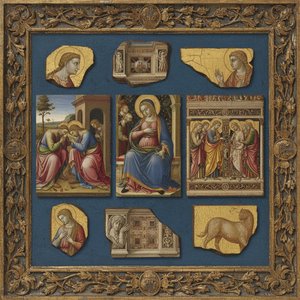
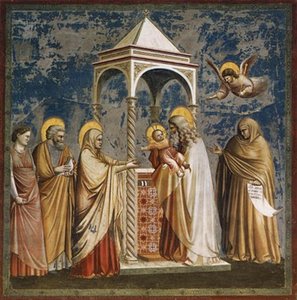
The Baroncelli Polyptych stands as an unparalleled achievement of the Florentine Early Renaissance, capturing not merely visual beauty but also a profound shift in artistic sensibility. Painted by Giotto di Bondone around 1334, this monumental fresco—measuring 185 x 323 cm—dominates the Baroncelli Chapel within Santa Croce Basilica, Florence, serving as a testament to Giotto’s revolutionary vision and cementing his place among the titans of Western art. Its enduring fascination stems from its ability to convey complex theological ideas with startling immediacy – an accomplishment rarely seen in contemporary Byzantine art.

Composition and Style: Breaking Free From Tradition

Giotto decisively rejected the stylized conventions of Byzantium, prioritizing anatomical accuracy and naturalistic representation. Unlike preceding artists who employed flattened perspectives and idealized figures draped in shimmering gold, Giotto meticulously rendered human forms with remarkable realism, capturing subtle musculature and drapery folds that breathed life into his subjects. The fresco’s central panel depicts the Coronation of the Virgin Mary, showcasing Jesus Christ held aloft by Mary—a poignant depiction of divine grace amidst earthly vulnerability. Surrounding them are twelve saints, each positioned with careful consideration to create a dynamic composition that draws the viewer's eye across the surface. The chapel’s gilded frame amplifies this visual impact, emphasizing the grandeur and solemnity of the scene.

Technique: Tempera Paint – A Bold Innovation

Giotto skillfully employed tempera paint—a medium known for its brilliance and durability—allowing him to achieve vibrant colors that would have been unattainable with oil paints at the time. This technique involved grinding pigments into a binder (typically egg yolk) creating a durable, luminous surface finish. The meticulous layering of color – achieved through glazing – contributes significantly to the fresco’s ethereal quality, simulating light and shadow with astonishing precision. Giotto's mastery of tempera exemplifies his commitment to capturing the essence of reality—a cornerstone of the burgeoning Renaissance aesthetic.

Historical Context: Reflecting Spiritual Renewal

The Baroncelli Polyptych emerged during a period of significant spiritual upheaval in Europe. The Black Death had ravaged Italy, prompting profound reflection on mortality and divine providence. Giotto’s depiction of Mary’s Coronation resonated deeply with Florentine piety, embodying the hope for redemption and reaffirming faith amidst despair. Furthermore, it represents a crucial step away from the symbolic language of medieval art toward a more humanist perspective—one that prioritized human emotion and experience alongside theological dogma.

Symbolism: Divine Grace Amidst Human Frailty

Beyond its visual splendor, the Polyptych is laden with symbolism reflecting Christian theology. The coronation itself signifies Mary’s exaltation into heaven—a triumphant affirmation of her role as Queen of Heaven. The saints surrounding Jesus represent various facets of Christendom, embodying virtues and offering prayers for divine protection. Giotto's careful placement of figures underscores the importance of faith and devotion in achieving spiritual enlightenment – a message that continues to inspire viewers centuries later.

Emotional Impact: A Moment Frozen in Time

The Baroncelli Polyptych transcends mere artistic skill; it communicates profound emotion—a palpable sense of reverence and compassion for Mary and Jesus. Giotto’s expressive faces convey tenderness, sorrow, and awe—capturing the human condition with unparalleled sensitivity. This emotional resonance is achieved through masterful use of color, light, and gesture—elements that combine to create a powerfully evocative experience for the viewer. It remains an unforgettable masterpiece, demonstrating Giotto's enduring legacy as one of the most influential artists in Western history.

Korduvad küsimused

Millist kontrasti näitab teos „Baroncelli Polyptych“, autor Giotto?

Teose "Baroncelli Polyptych" valgus-varjundite kontrast on Bold. Kontrast kirjeldab, kui teravalt erinevad heeled ja tumedad alad.

Kui hele on teos "Baroncelli Polyptych" üldiselt?

Perseptsioonilt on teose „Baroncelli Polyptych“, autor Giotto ereonim balanced.

Millistes mõõtudes ja millises suunases on "Baroncelli Polyptych" trükkimist soovitatav teha?

Large suurus, Panoramic orientatsioon: see on teosele „Baroncelli Polyptych“, autor Giotto soovitatud trükkimise seadistus.

In numbers

  • 1334the year it was painted
  • 29frames to choose from
  • standard sizes, in its own proportions
  • 5weeks to paint and deliver it
Giotto

Giotto

1267 - 1337, Itaalia

Lühikest infot

  • Artistic Movement Or Style: Vararenessanss
  • Artists Or Movements Influenced By This Artist:
    • Masaccio
    • Renessansi kunst
  • Artists Who Influenced This Artist: ['Cimabue']
  • Date Of Birth: u 1267
  • Date Of Death: 1337
  • Full Name: Giotto di Bondone
  • Nationality: Itaalia
  • Notable Artworks:
    • Scrovegni kabel
    • Ognissanti Madonna
  • Place Of Birth: Firenze, Itaalia

Kunstniku elulugu

Giotto di Bondone: Vaataja Hingeni Puudutav Kunstnik

Umbes 1267. aastal Firenze lähedal, Toscana kergelt kurulistel mäenõlvadel sündinud Giotto di Bondone on kunstiajaloo üks olulisemaid tegelasi, kes sillutas vahet keskaja kunstiliste konventsioonide ja renessansi poole. Tema varajane elu on ümbritsetud legendidest – räägitakse, et noor karjapoiss joonistas uskumatult realistlikke lammast kividesse, haarates Firenze meister Cimabue silma. Kas fakt või rahvajutt, see lugu kehastas Giotto geniaalsust: sündinud võimekust jäädvustada loodusmaailma eelmata realisminõ ja emotsionaalse sügavusega. Cimabue õpilasena omandas Giotto kiiresti oskusi, kuid lõi oma tee selgelt erineva suuna. Valitsenud Bütsantsi stiil, millele olid iseloomulikud stiliseeritud kujud, tasandatud perspektiiv ja rikkalik kuldtausta – sümbolid vaimuliku ületähenduse asemel maa pealsete esindajate kohta – Giotto soovis kujutada inimkonda mitte eeterlike ikonide, vaid tunnetega täidetud isikutena, kes eksisteerivad käegakatsutavas ruumis.

Giotto loominguline revolutsioon ei olnud äkkrünnak, vaid järkjärguline areng. Tema varasemad tööd viitasid juba tulevasele muutusele, näidates kasvavat rõhku mahule, kaalule ja usaldusväärsele anatoomile. Ta hakkas tähele panema valgust ja varju mitte ainult dekoratiivsetena, vaid vormi skulptureerimiseks ja sügavuse loomiseks tööriistadena. See algav naturalism on näha Ülemise Püha Francisci basiilika freskode osades Assisis – kuigi autorlus jääb vaidlusaluseks, tunnustavad paljud teadlased Giotto käekirja stseenides, mis eristuvad selgesti valitsevast Bütsantsi esteetikast. Ta ei hüljanud lihtsalt traditsiooni; ta aitas sellele kaasa, täites asutatud vorme uue inimlikkuse ja emotsionaalse resonantsiga. Ta mõistis jutustamise jõudu, luues kompositsioone, mis rääkisid lugusid mitte jäikade sümbolitega, vaid väljendavate žestide, usaldusväärsete interaktsioonide ja hoolikalt konstrueeritud keskkondadega.

Scrovegni kabel: jutustamise meistriteos

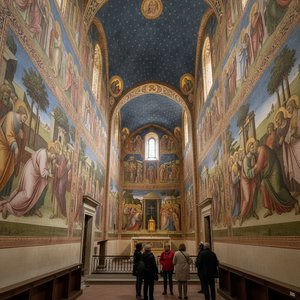
Giotto meistriteos, ja võib-olla üks olulisemaid teoseid kogu lääne kunsti ajaloos, on freskode tsükkel, mis kaunistab Scrovegni (tuntud ka Arena kabelina) kabelli Paduvas. Umbes 1305. aastal valminud see vapustav sari kujutab Kristuse ja Neitsi Maarja elu revolutsioonilisel realisminädal ja emotsionaalse intensiivsusega. Iga stseen areneb nagu hoolikalt lavastatud draama, mida elab täidetud tegelastega, kes ei ole mitte ainult religioossete arhetüüpide esindajad, vaid täielikult inimolijad, kes kogevad rõõmu, kurbust, hirmu ja lootust. *Viimane kohtupäev*, mis domineerib terve seina ulatuses, on võimas tunnistus Giotto oskusest edastada nii jumalikku hiilgust kui ka inimkonna tooremat haavatavust silmitsi oma lõpliku arveldusega. Perspektiivi kasutamine, kuigi hilisemate renessansiaegsete standardite järgi mitte matemaatiliselt täpne, loob veenva sügavuse illusiooni, tõmmates vaataja jutustusse sisse. Tegelased on maandatud, nende kehad omavad kaalu ja mahu ning nende väljendid edastavad emotsioonide valikut, mida varem religioosses kunstis pole nähtud.

Arhitektuur ja püsiv pärand

Giotto anded ulatuvad kaugemale maalimiseni; ta oli ka austatud arhitekt. 1334. aastal telliti tal kujundada Firenze katedraali kellatorn (Campanile), projekt, mis näitas tema innovatiivset lähenemist arhitektoonilisele vormile. Kuigi ta suri selle valmimisega, said tema disainid aluse sellele ikoonilisele Firenza maamärgile. Tema mõju järgmistele kunstnike põlvkondadele on mõõdetav. Ta sillutas vahet keskaia ja renessansi maailmade vahel, pööravad teed selliste meistrite nagu Masaccio, Leonardo da Vinci ja Michelangelo kunstilistele saavutustele. Vasari tunnistas oma olulises *Kunstnike elud* Giottole "annet maalikunstile suure kunsti teha asju reaalsest elust", mis on tunnistus tema sügavast mõjust lääne kunsti teekonda. Giotto ei kujutanud lihtsalt maailma; ta püüdis seda mõista, jäädvustada selle olemust ja edastada seda arusaama visuaalse jutustamise jõu kaudu. Tema pärand jätkab sajandeid pärast tema surma imestamist ja austamist, kinnitades tema kohta kui üht ajaloa suurimaid kunstilisi innovaatoreid.

Peamised saavutused ja püsiv mõju

  • Revolutsioonis Maalimine: Liikus Bütsantsi stiliseerumisest naturalismi ja emotsionaalse realismi suunas.
  • Pioneeris Perspektiivi: Viis sisse tehnikaid, et luua sügavust ja ruumitaju maalidel.
  • Meistrine Jutustamist: Lõi veenvaid jutustusi freskode tsüklite kaudu, näiteks Scrovegni kabel.
  • Arhitektuuriline Panus: Kujundas Firenze katedraali kellatorni, demonstreerides arhitektuuri oskust.
  • Alus renessansikunstile: Tema töö on loonud aluse renessansi perioodi kunstilistele saavutustele.

Teave teose kohta

  • Notable elements or techniques: Innovative fresco technique; Naturalistic portrayal
  • Title: Baroncelli Polyptych
  • Location: Baroncelli Chapel, Florence
  • Dimensions: 185 x 323 cm
  • Artistic style: Proto-Renaissance
  • Influences: Byzantine art

Kunstiteaduse kvartett

Iga küsimuse kohta on ainult üks õige vastus.

Küsimus 1:
What is the primary subject matter depicted in Giotto Di Bondone’s Baroncelli Polyptych?
Küsimus 2:
In what architectural setting is the Baroncelli Polyptych located?
Küsimus 3:
What artistic style characterized Giotto Di Bondone’s work, distinguishing it from the prevalent Byzantine tradition?
Küsimus 4:
Approximately when was Giotto Di Bondone’s Baroncelli Polyptych created?
Küsimus 5:
Which chapel is Giotto Di Bondone’s Baroncelli Polyptych associated with?

More about this painting

Eelvaade AR-eelvaade Lülita trükkitoodetele Lülita digitaalse pildi juurde Saada
Teave teose kohta Juhend Lisa lemmikutesse Laadi alla Sarnased teosed Röntgenuuring Slaidietendus Q&A Statistika