
 Eelvaade
 Saada
Saada Jaga
Jaga
 Teave teose kohta
 Juhend

 Laadi alla
 Sarnased teosed
 Röntgenuuring
 Slaidietendus
 Q&A
Q&A Statistika
Annunciation: The Virgin Receiving the Message

- 150.0 x 195.0 cm


 Loe lähemalt
Giclée / Kunstiprint
Muuseumikvaliteediga giclée- või kangasprint kiire tootmisega ja paindlikud viimistlusvõimalused. ( Osta käsitsi maalatud teos Lülita digitaalse pildi juurde)




P118B €10

P118H €10

P118W €10

P438Z €10

P508JH €12

P508YH €12

P805H €10

P805Z €10

P919BZ €10

P919G €10

P919XJ €10

P959ZH €10

P968JZ €12

W106C €8

W218G €10

W218JH €8

W218Y €10

W307PJ €10

W316G €10

W316PJ €8

W316Y €10

W398PJ €8

W4111J €10

W500HY €15

W500JH €15

W692G €12

W849H €8

W940BG €15

W953PJ €8




Vali meie eelmääratud suurused, mis vastavad teose algupärastele proportsioonidele.

Sisestage vajalik laius ja kõrgus, et see sobiks teie raamile või seinale. Trükki saab ainult lõigata, seda ei saa kunagi pildist suuremaks teha, seega ka erineva mustega suurus kaotab osa pildist. Enne trükkimist saadame teile kinnitamiseks digitaalse näidisprojektsiooni. Sellel lehel näidatud pilt ei kujuta reaalset lõiget — seda näitab ainult näidisprojektsioon.
Ülemaailmne tarne () 2 nädala jooksul, tavalise 4/5 nädala asemel. (2 november)

Tasuta ekspresssaatmine üle maailma

Kõrgekvaliteediline lina-kangas

Täielik transpordikindlustus

Tollimaksude tagastamise garantii

Värvitoime täpsuse garantii

100 päeva tagastusõigus (ainult valmistusdefektide korral)

100% raha tagasi garantii

Hulgusoodustus
 Klaasivalik on saadaval ainult kuni 110 cm suuruses teostes

Annunciation: The Virgin Receiving the Message
Giclée / Kunstiprint
Reproduktsiooni suurus
-


Koguhind
€ 71
A Revolutionary Vision: Giotto’s Annunciation
Giotto di Bondone, born around 1267 in Florence, stands as a monumental figure in the artistic landscape of his era—a pivotal conduit between medieval tradition and the burgeoning Renaissance. Legend recounts his discovery as a shepherd boy sketching remarkably lifelike sheep on rocks, an anecdote that perfectly embodies Giotto’s innate genius: an unparalleled ability to portray the natural world with unprecedented realism and profound emotional resonance. Taken under the tutelage of Cimabue, Giotto swiftly surpassed his mentor, absorbing technical prowess while forging a path distinctly his own—a path marked by a courageous departure from established conventions. The prevailing Byzantine style prioritized stylized figures, flattened perspectives, and opulent gold backgrounds – visual emblems of spiritual elevation rather than earthly observation. Yet Giotto possessed an unwavering desire to transcend these limitations, driven by a conviction that art could genuinely capture the human experience.- Subject Matter: The fresco depicts the iconic biblical narrative of the Annunciation—the moment when Gabriel announces to Mary that she will conceive Jesus Christ.
- Style: Giotto’s work embodies Proto Renaissance style, representing a transformative step toward naturalism and humanism within art history.
Innovative Technique & Perspective
Giotto fundamentally reshaped artistic practice through groundbreaking innovations that challenged the stylistic norms of his time. He decisively moved away from the rigid flatness characteristic of Byzantine painting, introducing a more convincing illusion of depth—a nascent form of perspective—that dramatically enhanced the visual impact of the scene. This pioneering approach wasn’t merely about technical accuracy; it served to heighten emotional engagement by immersing viewers within the depicted space and fostering a palpable sense of immediacy. Furthermore, Giotto meticulously crafted facial expressions conveying genuine emotion – grief, joy, contemplation – capturing nuances previously absent from medieval art. These subtle gestures communicated profound psychological insight, elevating the artwork beyond mere representation to become a vessel for spiritual contemplation.- Perspective: Giotto’s use of linear perspective created a more realistic depiction of space and depth.
- Emotion: Facial expressions conveyed genuine emotion, demonstrating Giotto's mastery of psychological realism.
Symbolism & Context within the Scrovegni Chapel
The Annunciation resides within the Scrovegni Chapel in Padua—a UNESCO World Heritage Site—and its placement is deliberately significant. Commissioned by Enrico Scrovegni, a wealthy textile merchant, the chapel represents an extraordinary testament to patronage and artistic ambition. Giotto’s fresco serves as the centerpiece of a larger cycle depicting scenes from the life of Mary Magdalene, reflecting the fervent piety of the era. The composition itself is laden with symbolism: Mary sits on a bench—a gesture signifying humility and receptiveness—while Gabriel stands beside her, conveying divine grace. The architectural setting reinforces this spiritual atmosphere, emphasizing the sacredness of the event. Giotto’s masterpiece exemplifies the Proto Renaissance's aspiration to portray biblical narratives with profound emotional truth and artistic innovation – an enduring legacy that continues to inspire artists and collectors alike.Emotional Impact & Enduring Legacy
Giotto’s Annunciation transcends mere visual beauty; it resonates deeply with viewers on an emotional level, conveying a palpable sense of reverence and devotion. The artist's masterful depiction of Mary’s serene contemplation and Gabriel’s solemn proclamation captures the essence of faith—a belief in divine providence and the transformative power of grace. Giotto’s influence extended far beyond his lifetime, establishing him as a foundational figure in Renaissance art and shaping artistic conventions for centuries to come. His unwavering commitment to realism and emotional expression paved the way for subsequent generations of artists who sought to emulate his visionary approach—a testament to the enduring significance of Giotto di Bondone's revolutionary contribution to Western art history.Korduvad küsimused
Kuidas teos "Annunciation: The Virgin Receiving the Message" sobitub artisti Giotto teemade ja stiiliga?
"Annunciation: The Virgin Receiving the Message" kuulub Giotto Proto Renaissance perioodi teosetele, mille tuntud teemad hõlmavad byzantine tradition, spiritual revelation, divine messenger, padua chapel, renaissance pioneer.
Kas teose "Annunciation: The Virgin Receiving the Message" värvid on tugevad või pehmed?
Teose „Annunciation: The Virgin Receiving the Message“, autor Giotto värvid on Balanced intensiivsusega.
Millist etap Giotto loomingus teos "Annunciation: The Virgin Receiving the Message" esindab?
Teos "Annunciation: The Virgin Receiving the Message" kuulub Giotto loomingulise karjääri perioodi Proto Renaissance. See klassifikatsioon seostab teose kunstniku loovliku arenguga.
Kunstniku elulugu
Giotto di Bondone: Vaataja Hingeni Puudutav Kunstnik
Umbes 1267. aastal Firenze lähedal, Toscana kergelt kurulistel mäenõlvadel sündinud Giotto di Bondone on kunstiajaloo üks olulisemaid tegelasi, kes sillutas vahet keskaja kunstiliste konventsioonide ja renessansi poole. Tema varajane elu on ümbritsetud legendidest – räägitakse, et noor karjapoiss joonistas uskumatult realistlikke lammast kividesse, haarates Firenze meister Cimabue silma. Kas fakt või rahvajutt, see lugu kehastas Giotto geniaalsust: sündinud võimekust jäädvustada loodusmaailma eelmata realisminõ ja emotsionaalse sügavusega. Cimabue õpilasena omandas Giotto kiiresti oskusi, kuid lõi oma tee selgelt erineva suuna. Valitsenud Bütsantsi stiil, millele olid iseloomulikud stiliseeritud kujud, tasandatud perspektiiv ja rikkalik kuldtausta – sümbolid vaimuliku ületähenduse asemel maa pealsete esindajate kohta – Giotto soovis kujutada inimkonda mitte eeterlike ikonide, vaid tunnetega täidetud isikutena, kes eksisteerivad käegakatsutavas ruumis.
Giotto loominguline revolutsioon ei olnud äkkrünnak, vaid järkjärguline areng. Tema varasemad tööd viitasid juba tulevasele muutusele, näidates kasvavat rõhku mahule, kaalule ja usaldusväärsele anatoomile. Ta hakkas tähele panema valgust ja varju mitte ainult dekoratiivsetena, vaid vormi skulptureerimiseks ja sügavuse loomiseks tööriistadena. See algav naturalism on näha Ülemise Püha Francisci basiilika freskode osades Assisis – kuigi autorlus jääb vaidlusaluseks, tunnustavad paljud teadlased Giotto käekirja stseenides, mis eristuvad selgesti valitsevast Bütsantsi esteetikast. Ta ei hüljanud lihtsalt traditsiooni; ta aitas sellele kaasa, täites asutatud vorme uue inimlikkuse ja emotsionaalse resonantsiga. Ta mõistis jutustamise jõudu, luues kompositsioone, mis rääkisid lugusid mitte jäikade sümbolitega, vaid väljendavate žestide, usaldusväärsete interaktsioonide ja hoolikalt konstrueeritud keskkondadega.
Scrovegni kabel: jutustamise meistriteos
Giotto meistriteos, ja võib-olla üks olulisemaid teoseid kogu lääne kunsti ajaloos, on freskode tsükkel, mis kaunistab Scrovegni (tuntud ka Arena kabelina) kabelli Paduvas. Umbes 1305. aastal valminud see vapustav sari kujutab Kristuse ja Neitsi Maarja elu revolutsioonilisel realisminädal ja emotsionaalse intensiivsusega. Iga stseen areneb nagu hoolikalt lavastatud draama, mida elab täidetud tegelastega, kes ei ole mitte ainult religioossete arhetüüpide esindajad, vaid täielikult inimolijad, kes kogevad rõõmu, kurbust, hirmu ja lootust. *Viimane kohtupäev*, mis domineerib terve seina ulatuses, on võimas tunnistus Giotto oskusest edastada nii jumalikku hiilgust kui ka inimkonna tooremat haavatavust silmitsi oma lõpliku arveldusega. Perspektiivi kasutamine, kuigi hilisemate renessansiaegsete standardite järgi mitte matemaatiliselt täpne, loob veenva sügavuse illusiooni, tõmmates vaataja jutustusse sisse. Tegelased on maandatud, nende kehad omavad kaalu ja mahu ning nende väljendid edastavad emotsioonide valikut, mida varem religioosses kunstis pole nähtud.
Arhitektuur ja püsiv pärand
Giotto anded ulatuvad kaugemale maalimiseni; ta oli ka austatud arhitekt. 1334. aastal telliti tal kujundada Firenze katedraali kellatorn (Campanile), projekt, mis näitas tema innovatiivset lähenemist arhitektoonilisele vormile. Kuigi ta suri selle valmimisega, said tema disainid aluse sellele ikoonilisele Firenza maamärgile. Tema mõju järgmistele kunstnike põlvkondadele on mõõdetav. Ta sillutas vahet keskaia ja renessansi maailmade vahel, pööravad teed selliste meistrite nagu Masaccio, Leonardo da Vinci ja Michelangelo kunstilistele saavutustele. Vasari tunnistas oma olulises *Kunstnike elud* Giottole "annet maalikunstile suure kunsti teha asju reaalsest elust", mis on tunnistus tema sügavast mõjust lääne kunsti teekonda. Giotto ei kujutanud lihtsalt maailma; ta püüdis seda mõista, jäädvustada selle olemust ja edastada seda arusaama visuaalse jutustamise jõu kaudu. Tema pärand jätkab sajandeid pärast tema surma imestamist ja austamist, kinnitades tema kohta kui üht ajaloa suurimaid kunstilisi innovaatoreid.
Peamised saavutused ja püsiv mõju
- Revolutsioonis Maalimine: Liikus Bütsantsi stiliseerumisest naturalismi ja emotsionaalse realismi suunas.
- Pioneeris Perspektiivi: Viis sisse tehnikaid, et luua sügavust ja ruumitaju maalidel.
- Meistrine Jutustamist: Lõi veenvaid jutustusi freskode tsüklite kaudu, näiteks Scrovegni kabel.
- Arhitektuuriline Panus: Kujundas Firenze katedraali kellatorni, demonstreerides arhitektuuri oskust.
- Alus renessansikunstile: Tema töö on loonud aluse renessansi perioodi kunstilistele saavutustele.

Giotto
1267 - 1337 , Itaalia
Lühikest infot
- Artistic Movement Or Style: Vararenessanss
- Artists Or Movements Influenced By This Artist:
- Masaccio
- Renessansi kunst
- Artists Who Influenced This Artist: ['Cimabue']
- Date Of Birth: u 1267
- Date Of Death: 1337
- Full Name: Giotto di Bondone
- Nationality: Itaalia
- Notable Artworks:
- Scrovegni kabel
- Ognissanti Madonna
- Place Of Birth: Firenze, Itaalia
Sarnased artiklid
Perekonna pärandi säilitamine seinamaalingute kaudu: Freskode kunstiline ja kultuurilooline kontekst tänapäevas
Avastage freskode kunstiline ja ajalooline väärtus! Professionaalne konserveerimine ja restaureerimine perekonna pärandi säilimiseks. Kvaliteet, autentsus ja ekspertteadmised OriginalUniqueArt-is.

Giotto di Bondone: 25 meistriteost, mis muutsid kunsti – OriginalUniqueArt.com
Avastage Giotto di Bondone 25 suurimat meistriteost! Sukelduge renessansi kunstimaailma, imetlege freskosid ja maale. Leidke täiuslik seina kaunistus OriginalUniqueArt.com-ist – kvaliteetsed reproduktsioonid ja inspiratsioon interjööri jaoks. Avastage kogu kollektsioon veebis!

The Enduring Legacy of Fresco: Technique, History & Artistic Expression Across Cultures
Explore the rich history & enduring legacy of fresco painting! Discover ancient techniques, Giotto's masterpieces, and modern applications. Expert insights for art lovers & professionals.
The Enduring Legacy of Fresco Painting: Techniques, History & Contemporary Relevance
Explore the rich history & enduring artistry of fresco painting – from Giotto to Michelangelo! Discover techniques, conservation efforts, & modern applications. Learn how OriginalUniqueArt brings this timeless art form to your home.

Dante Gabriel Rossetti 25 parimat teost: kunstiline pärand ja kodukaunistuse inspiratsioon
Avastage Dante Gabriel Rossetti 25 parimat teost! Sukeldume viktoriaanliku romantika ja Pre-Raphaelite kunstiliikumise maailma. Leidke inspiratsiooni kodukaunistuseks ning ostke kvaliteetseid Rossetti reproduktsioone OriginalUniqueArt.com-is. Avastage kogu kollektsioon online!


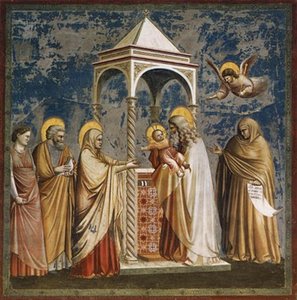


![Scrovegni - [05] - Joakiimi unistus](/media/artworks/images-thumb/8f/67/8f67bb5da87296bd452b3f0b237b528d.jpg)


