Vaata sisu
 Jaga teost
 Jaga
Jaga
 Detailid
 Õppekate juhend

 Laadi alla
 Sarnased teosed
 Röntgenuuring
 Slaidietendus
 Statistika
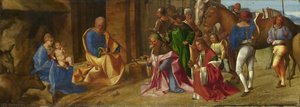
Self-Portrait


 Loe lähemalt
Käsitsi valmistatud õlimaalireproduktsioon
Meie kunstnike poolt tellimusel valmistatud käsitsi maalitud õli-kainaste teos teie soovitud suuruses ja raamis. ( Lülita trükkitoodetele Ülemineku digitaalse pildi müügi kanalisse)




P118B €10

P118H €10

P118W €10

P438Z €10

P508JH €12

P508YH €12

P805H €10

P805Z €10

P919BZ €10

P919G €10

P919XJ €10

P959ZH €10

P968JZ €12

W106C €8

W218G €10

W218JH €8

W218Y €10

W307PJ €10

W316G €10

W316PJ €8

W316Y €10

W398PJ €8

W4111J €10

W500HY €15

W500JH €15

W692G €12

W849H €8

W940BG €15

W953PJ €8




Vali meie eelmääratud suurused, mis vastavad teose algupärastele proportsioonidele.

Sisestage vajalik laius ja kõrgus, et teos sobiks teie raamile või seinale. Kuna tegu on käsipainatud teosega, siis erineva kujuga suuruse korral võib kunstnik jätta pildi ümber veidi rohkem marginaali või lõigata osa ära — valik on teie. Enne maali alustamist saadame teile kinnitamiseks digitaalse näidisprojektsiooni. Sellel lehel näidatud pilt ei kajasta tegelikku tulemust — seda näitab ainult näidisprojekttsioon.
Pärast tellimust saadab OriginalUniqueArt.com meeskond kliendile e-posti juhised ning esitab eelvaate kavandi
Maailmline tarne 3–4 nädala jooksul tavalise 5 nädala asemel. (26 oktoober). Kvaliteedis kompromisse ei tehta.

Tasuta ekspresssaatmine üle maailma

Kõrgekvaliteediline lina-kangastest muld

Täielik transpordikindlustus

Tollimaksude tagastamise garantii

Värvitoime täpsuse garantii

100 päeva tagastusõigus (ainult defektide korral)

100% raha tagasi garantii

Hulgusoodustus
 Klaasivalik on saadaval ainult kuni 110 cm suuruses teostes

Self-Portrait
Reproduktsiooni materjal
Reproduktsiooni mõõtmed
-


Lõppsumma
€ 263
Giorgione, the Artist
Giorgione, also known as Giorgio Barbarelli da Castelfranco (c. 1477/8 – 1510), was an Italian painter from Venice, who is considered one of the founders of the Venetian School of Italian Renaissance painting. His real name was likely Zorzi, and he acquired the nickname Giorgione due to his tall stature. Giorgione's style was characterized by a poetic and imaginative approach, which broke away from the traditional stiffness of earlier art. He is known for his innovative use of color, light, and atmosphere, as well as his ability to convey a sense of mystery and depth in his works.The Self-Portrait
Self-Portrait, also known as Giorgione's Portrait, is a small oil painting on canvas that depicts the artist himself, looking directly at the viewer with a serious expression. The work is believed to have been painted in the early 16th century, and it is considered one of Giorgione's most important masterpieces. The portrait is notable for its innovative use of color and light, as well as its sense of depth and atmosphere. The artist's face is rendered with great detail, capturing his individual features and expressive gaze. The background is a simple, dark landscape, which serves to highlight the figure and create a sense of mystery and introspection.Historical Context
The Self-Portrait was painted during the Italian Renaissance, a period of great cultural change and achievement that began in Italy around the end of the 13th century until the 16th century. This was a time when artists, writers, and thinkers were rediscovering the classical art and culture of Ancient Greece and Rome, and using this knowledge to create new forms of expression. Giorgione's work is often associated with the Venetian School, a group of artists who worked in Venice during the Renaissance. This school was characterized by its use of color and light, as well as its emphasis on atmosphere and mood. Other notable members of this school include Titian, Tintoretto, and Veronese.Conclusion
The Self-Portrait by Giorgione is a masterpiece of the Italian Renaissance, which showcases the artist's innovative style and technique. The work is a testament to Giorgione's ability to convey a sense of mystery and depth in his works, and it remains an important example of the Venetian School of painting. If you are interested in learning more about Giorgione or other artists from the Italian Renaissance, please visit our website OriginalUniqueArt.com, where you can find a wide selection of handmade oil paintings reproductions and prints on canvas. Self-Portrait by Giorgione is one of the many masterpieces available for sale at OriginalUniqueArt.com. Our team of expert artisans has carefully recreated this work using traditional techniques and high-quality materials, ensuring that every detail is captured with precision and accuracy. Whether you are a collector, a dealer, or simply an art lover, our reproductions offer an affordable and accessible way to enjoy the beauty and majesty of Giorgione's masterpiece. Self-Portrait by Giorgione is just one example of the many works available at OriginalUniqueArt.com. We invite you to explore our website and discover the rich history and beauty of art from around the world. Whether you are looking for a reproduction of a famous masterpiece or a unique work by a contemporary artist, we have something for everyone. Self-Portrait by Giorgione is a true masterpiece of the Italian Renaissance, and it is our privilege to offer it to you at OriginalUniqueArt.com. We hope that you will enjoy this work as much as we have enjoyed bringing it to life, and that it will bring beauty and inspiration to your home or office. Self-Portrait by Giorgione is a testament to the enduring power of art, and its ability to capture the spirit and essence of an era. We are proud to offer this work to you, and we invite you to explore our website and discover the many other treasures that await you at OriginalUniqueArt.com. Self-Portrait by Giorgione is a masterpiece of the Italian Renaissance, and it is our honor to offer it to you at OriginalUniqueArt.com. We hope that you will enjoy this work as much as we have enjoyed bringing it to life, and that it will bring beauty and inspiration to your home or office. Self-Portrait by Giorgione is a true masterpiece of the Italian Renaissance, and it is our privilege to offer it to you at OriginalUniqueArt.com. We hope that you will enjoy this work as much as we have enjoyed bringing it to life, and that it willKüsimused ja vastused
Millised teemad teoses „Self-Portrait“, autor Giorgione esile tõelve?
Teose "Self-Portrait" teemad on renaissance painting, venetian art, portraiture, landscape composition, color palette, mystery atmosphere, classical influence.
Millist väripaletti teoses „Self-Portrait“, autor Giorgione on kasutatud?
Teoses „Self-Portrait“, autor Giorgione on kasutatud Earthy väripaletti. See palett kokkuvõtab teose üldist värilist olemust.
Millises tehnikas on teos „Self-Portrait“, autor Giorgione valmistatud?
Giorgione kasutas teose "Self-Portrait" loomisel Acrylic On Canvas tehnikat. See tehnika määrab originaalteose materjalilise olemuse.
Kunstniku elulugu
Veneetsia müsteerium: Giorgione’lugu ja pärand
Giorgio Barbarelli da Castelfranco, maailmale tuntud kui Giorgione, on üks renessanssiajastu kunstnike salaperasemaid ja võrgutavamaid tegelasi. Tema sünnikohaks oli väike Castelfranco Veneto linn Veneetsia lähedal, umbes 1477 või 1478 aastal – täpne aasta jääb arusaamatusse – ning tema lühikeseks jäänud elu, mis lõppes umbes 1510. aastal kolmekümnese või kolmkümnekolmeseikka jõudes, ei vähenda tema kunstilist mõju, mis kõlanub sajandeid hiljemgi. Eranditult paljude kaasajäkijate elulugudest, mille on põhjalikult dokumenteeritud, on Giorgione’i lugu varjatud müsteeriumis, kokku pandud killukesi ajaloolistest arhiividest ja Giorgio Vasari sageli romantiseeritud arvestustest. Mis me teame, viitab sellele, et ta oli sügavalt sisse elanud Veneetsia ereda kultuuri – linna, mis sooditas nii kunstilisi uuendusi kui ka ilu sensuaalset hindamist. Tõenäoliselt õppis ta Giovanni Bellini juures, silmapaistva veneetsia maalri käes, omandades traditsioonid enne oma ainulaadse tee leidmist. Varased tellimused sisaldasid tuntud isikute portreede maalimist, näiteks Doge Agostino Barbarigo, mis tõestas tema koheset andekust sarnasus ja staatuse tabamisel. Kuid just konventsionaalsest teemast lahkudes ning maalimiseni lähenemise revolutsioonilisusega eristas Giorgione end teistest.Poeesiavisioonid: stiil ja innovatsioon
Giorgione’i kunstiline stiil tähistas olulist murdepunkti võrreldes valitseva Firenze rõhuaja lineaarsete perspektiivide ja täpse joonestusega. Ta pooldas värvi, atmosfääri ning melankoolset meeleolu, mis said Veneetsia kooli tuntud tunnusteks. Tema tehnikas oli joonte pehmendamine, toonide peened gradiatsioonid – *sfumato* – kasutades atmosfääriliste efektide loomiseks ja prioriteetides üldist harmooniat täpsele detailile. See lähenemine ei olnud pelgalt tehniline valik; see kajastas fundamentaalselt erinevat kunstilist tundlikkust. Giorgione püüdis mitte reaalsust reproduseerida, vaid haarata selle olemust, lühinägu tundeid ja poeesia resonantsi. Tema maalidel on sageli salaperased tegelased ning ähmased narratiivid, kutsuvad vaatajaid kaasmaailma kaalumisele, pakkudes selgeid lugusid. *Tempest*, võib-olla tema kuulsaim teos, kehastab seda suurepäraselt. Stseen – sõdalane ja imetav ema tormise maaskapi keskel – on sajandeid kunstiajaloolasi hämmastanud, selle tähendus jääb võltsivalt kaugele. Samamoodi esitleb *Pastoraalset kontserti* (Fête champêtre) idüllilist muusikute kogumit maalrilises keskkonnas, mille väärtus seisneb harmoonilisel kompositsioonil ja lüürilisel kvaliteedil, mitte mingis konkreetses narratiivis. Need teosed ei pidanud olema lahendatavad mõistatused; need pidi kutsuma esile tundeid, meeleolusid ning imetlustunnet.Meistriteosed ja jätkuv mõjutus
Kuigi tema toodang piiratud oli enneaegse surma tõttu, jättis Giorgione maha väikese, kuid sügavalt mõjukaima teosekogumiku. *Magav Venus*, mille valmistas ilmselt Titian abiga pärast Giorgione’i surma, on ikooniline kujutus jumalannast, mis näitab tema värvi ja vormi valdajust. Lahkiv poos ning pehmed nahatoonid kehastavad Veneetsia sensuaalsuse ja ilu hindamist. Teised silmapaistvad teosed hõlmavad *Judithi*, tema areneva stiili varaseid näiteid, ning portreede, mis avaldavad teravat võimekust tabada oma subjektide iseloomu ja olemust. Giorgione’i mõjutus ulatub kaugemale tema enda maalijateosist. Ta oli mentor Titianile, kes sai ühest kõrge renessansi silmapaistvamatest kunstnikest, jätkates Giorgione’i värvi- ja atmosfääriinnovatsioone. Värvidele ja atmosfäärilisele rõhutamisele avaldas olulist mõju Veneetsia maalijate arengule, eristades seda Firenze traditsioonist ning asendades Veneetsiat kunstilise innovatsiooni peamiseks keskuseks.Jätkuv pärand: Giorgione’i ajalooline tähendus
Vaatamata lühikesele karjäärile hõlmab Giorgione olulise positsiooni kunstiajaloo seas. Ta sillutas varasemate Veneetsia traditsioonide vahet Titian ja teiste hilisemate meistrite innovatsioonidega, muutes fundamentaalselt Itaalia maalijate käiku. Tema poeetiline meeleolu, atmosfäärilised efektid ning ähmased narratiivid rajavad uusi kunstilisi uurimisi ning inspireerivad põlvekunstnikke. Just tema elu ja töö ümber keerlev müsteerium on kaasa aidanud tema jätkuvale müstilisele võlule ja atraktiivsusele. Ta jääb sümboliks kunstilise vabaduse, innovatsiooni ning vihjete jõu jaoks – maalija, kes julges prioriteetida tundeid vormi ees, atmosfääri täpsust ja poeesiat narratiivi ees.Giorgione’ peamised teosed
- Tempest (umbes 1506–1508)
- Pastoraalne kontsert (Fête champêtre) (umbes 1509)
- Magav Venus (umbes 1510)
- Judith (1504)
- Veneetsia härra portree

Giorgione
1477 - 1510 , Itaalia
Lühikest infot
- Artistic Movement Or Style: Renessanss, Veneetsia koolkond
- Artists Or Movements Influenced By This Artist:
- Tizian
- Veneetsia maalimine
- Artists Who Influenced This Artist:
- Giovanni Bellini
- Mantegna
- Date Of Birth: 1477, Castelfranco Veneto
- Date Of Death: 1510, Veneetsia
- Full Name: Giorgio Barbarelli da Castelfranco
- Nationality: Itaalia
- Notable Artworks:
- Äike
- Kontsert vabas looduses
- Magav Venus
- Judith
- Laura
- Place Of Birth: Castelfranco Veneto, Itaalia
Sarnased artiklid
Reflecting the Self: A History of Portraiture & Psychological Insight
Explore the fascinating history of self-portraiture from Renaissance masters like Dürer & Rembrandt to modern interpretations. Discover the psychological insights and artistic techniques behind these iconic works. Expert analysis for art enthusiasts.

Venetian Renaissance: The Mastery of Color, Light, and the Art of Colorito
Explore the luminous mastery of the Venetian Renaissance. Discover how masters like Titian and Giorgione revolutionized art through colorito, light, and atmosphere. An expert guide to the golden age of Italian painting for collectors and enthusiasts.

The Inner Landscape: Exploring Themes of Introspection in Visual Art Across Movements & Eras
Explore the captivating world of introspective art! Discover how artists across eras – from Rembrandt to Kahlo – used self-portraiture to reveal their inner worlds and emotional depths. A journey through art history & psychology.
Venetian Renaissance: The Golden Age of Color, Light, and Luminous Artistry
Embark on a journey through the Venetian Renaissance. Discover how masters like Giorgione and Titian revolutionized art through luminous color and light. Explore the profound legacy of the Venetian School and its enduring influence on the world of fine art.

Giorgione: Enigma and Innovation in Early Venetian Renaissance Painting
Explore the enigmatic world of Giorgione, a pivotal figure in the Venetian Renaissance. Discover his innovative techniques, iconic paintings like 'The Tempest', and lasting influence on art history. Learn more at OriginalUniqueArt.