Eelvaade
 Saada
Saada Jaga
Jaga
 Teave teose kohta
 Juhend

 Laadi alla
 Sarnased teosed
 Röntgenuuring
 Slaidietendus
 Q&A
Q&A Statistika
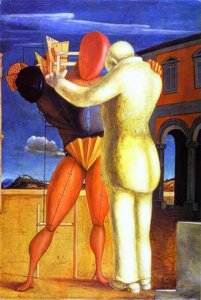
Vast metaphysical interior


 Loe lähemalt
Sellel lehel kuvatav kunstiteos on kaitstud autoriõigusega, mis tähendab, et meil ei ole seaduslikku õigust luua või müüa identset reproduktsiooni. Seda kaitset rakendatakse rahvusvaheliste kokkulepete alusel, nagu näiteks Berne konventsioon ning riiklike seadustega, sealhulgas nendega, mida on sätestatud USA autoriõiguse seadus – 17. peatükk.
Austasena ja seaduslikuna alternatiivina pakume originaalist inspireeritud, käsitsi maalitud isikupärastatud teoseid. Meie osutavad ja professionalsed kunstnikud uurivad hoolikalt originaali stiili, meelemoi ja kunstilist olemust, et luua uus, ainulaadne teos, mis tekitab sama tunnet – olles samal ajal omaette originaalne looming.
See meetod järgib täielikult autoriõiguse reegleid, kuna see ei põhine kaitstud kunstiteose kopeerimisel või dupliteerimisel. Selle asemel on tegu loova reinterpreetatsiooniga – uue maaldisega, mis on algteosest inspireeritud, kuid ei ole sellest identiline.
Käsitsi valmistatud õlimaalireproduktsioon
Meie kunstnike poolt tellimusel valmistatud käsitsi maalitud õli-kainaste teos teie soovitud suuruses ja raamis. ( Lülita trükkitoodetele Lülita digitaalse pildi juurde)




P118B €10

P118H €10

P118W €10

P438Z €10

P508JH €12

P508YH €12

P805H €10

P805Z €10

P919BZ €10

P919G €10

P919XJ €10

P959ZH €10

P968JZ €12

W106C €8

W218G €10

W218JH €8

W218Y €10

W307PJ €10

W316G €10

W316PJ €8

W316Y €10

W398PJ €8

W4111J €10

W500HY €15

W500JH €15

W692G €12

W849H €8

W940BG €15

W953PJ €8




Vali meie eelmääratud suurused, mis vastavad teose algupärastele proportsioonidele.

Sisestage vajalik laius ja kõrgus, et teos sobiks teie raamile või seinale. Kuna tegu on käsipainatud teosega, siis erineva kujuga suuruse korral võib kunstnik jätta pildi ümber veidi rohkem marginaali või lõigata osa ära — valik on teie. Enne maali alustamist saadame teile kinnitamiseks digitaalse näidisprojektsiooni. Sellel lehel näidatud pilt ei kajasta tegelikku tulemust — seda näitab ainult näidisprojektsioon.
Pärast tellimust saadab OriginalUniqueArt.com meeskond kliendile e-posti juhised ning esitab eelvaate kavandi
Maailmline tarne 3–4 nädala jooksul tavalise 5 nädala asemel. (28 oktoober). Kvaliteedis kompromisse ei tehta.

Tasuta ekspresssaatmine üle maailma

Kõrgekvaliteediline lina-kangas

Täielik transpordikindlustus

Tollimaksude tagastamise garantii

Värvitoime täpsuse garantii

100 päeva tagastusõigus (ainult valmistusdefektide korral)

100% raha tagasi garantii

Hulgusoodustus
 Klaasivalik on saadaval ainult kuni 110 cm suuruses teostes

Vast metaphysical interior
Reproduktsiooni tehnika
Reproduktsiooni suurus
-


Koguhind
€ 264
A Journey Into the Unconscious: De Chirico’s “Vast Metaphysical Interior”
Giorgio de Chirico's "Vast Metaphysical Interior" is not merely a depiction of a room; it’s an immersion into the unsettling realm of the subconscious, a meticulously crafted dreamscape born from the anxieties and intellectual currents of early 20th-century Europe. Painted by the Italian artist, born in Volos, Greece in 1888, this work exemplifies his pivotal role in establishing the metaphysical painting movement, a style that profoundly influenced Surrealism and continues to captivate viewers with its haunting beauty and profound sense of unease. The scene unfolds within a vast interior space, dominated by a monumental window that floods the room with natural light, yet simultaneously accentuates the feeling of isolation and detachment at the heart of the composition.
- The Architectonics of Disquiet: De Chirico’s mastery lies in his ability to construct spaces that feel both familiar and profoundly alien. The perspective is deliberately skewed, creating a sense of disorientation and challenging our conventional understanding of spatial reality. This technique, heavily influenced by the works of Arnold Böcklin and Max Klinger, evokes a feeling of unease and invites the viewer to question the nature of perception itself.
- Symbolic Resonance: The inclusion of multiple clocks – one prominently displayed on the wall, another resting on a surface – is particularly significant. Clocks are potent symbols of time’s relentless passage, mortality, and the illusion of control. Their presence here amplifies the painting's themes of anxiety and the fragility of human existence, echoing the philosophical ideas of Schopenhauer and Nietzsche that deeply informed de Chirico’s work.
Technique and Materiality: A Fusion of Classical and Modern
De Chirico’s technique is characterized by a meticulous attention to detail combined with a deliberately unsettling aesthetic. He employed oil paints, layering them in thin glazes to achieve remarkable clarity and luminosity – a hallmark of his style. The use of sharp lines and precise rendering contrasts sharply with the dreamlike atmosphere he creates, further intensifying the sense of unease. The artist’s palette is dominated by muted tones—ochres, browns, and grays—which contribute to the painting's somber mood and evoke a sense of timelessness. The surfaces are rendered with a smooth, almost polished finish, reflecting light in a way that enhances the spatial depth and adds to the illusion of vastness.
- Precise Detail, Distorted Reality: De Chirico’s meticulous rendering of objects – the furniture, the paintings on the walls, even the dust motes suspended in the air – creates a hyperreal effect that paradoxically heightens the painting's strangeness.
- Glazing Technique: The use of thin oil glazes allowed for a luminous quality and depth of color, essential to creating the unsettling atmosphere.
Historical Context and Philosophical Influences
“Vast Metaphysical Interior” was created during a period of profound social and intellectual upheaval in Europe. The late 19th and early 20th centuries witnessed rapid industrialization, urbanization, and the rise of new scientific theories that challenged traditional beliefs. De Chirico’s work reflects this atmosphere of uncertainty and alienation, capturing the anxieties of a generation grappling with the loss of faith and the breakdown of established values. The painting is deeply rooted in the philosophical ideas of Friedrich Nietzsche, Arthur Schopenhauer, and Otto Weininger, who explored themes of existentialism, irrationality, and the subjective nature of reality. De Chirico’s art can be seen as a visual manifestation of these complex intellectual currents.
Emotional Impact and Artistic Legacy
“Vast Metaphysical Interior” possesses a powerful emotional impact, evoking feelings of isolation, anxiety, and disorientation. It is a painting that lingers in the mind long after viewing, prompting reflection on fundamental questions about human existence. De Chirico’s work paved the way for Surrealism and continues to inspire artists today. Its influence can be seen in the works of Magritte, Dalí, and countless others who sought to explore the hidden depths of the unconscious mind. This reproduction offers a unique opportunity to own a piece of art history, bringing this iconic image into your space and allowing you to experience the unsettling beauty of de Chirico’s vision.
Korduvad küsimused
Kuhu kohta ja milleks on "Vast metaphysical interior" soovitatav?
Teost "Vast metaphysical interior" on soovitatav kasutada Statement jaoks ning selleks soovitellav ruum on Living Room.
Mis on teose „Vast metaphysical interior“, autor Giorgio De Chirico luminants?
Teose „Vast metaphysical interior“, autor Giorgio De Chirico luminants on Dark. Luminants kirjeldab, kui palju valgust värvid peegeldavad.
Kas teos "Vast metaphysical interior" on tüüpiline sellele, mida Giorgio De Chirico tavaliselt lõi?
Giorgio De Chirico korduvad teemad hõlmavad nietzsche, schopenhauer, weininger, alienation, psychological space, dreamlike, symbolic imagery, key metaphysical painting; teos "Vast metaphysical interior" keskendub metaphysical interior, giorgio de chirico, clock, symbolic landscape, existentialism, dreamscape, italian art.
Kunstniku elulugu
Giorgio de Chirico: A Dreamscape of the Mind
Giorgio de Chirico (10. mai 1888 Volos, Kreeka – 20. november 1978 Rooma, Itaalia) oli itaalia maalikunstnik, kes koos Carlo Carràga ja Giorgio Morandiaga asutas metafüüsilise maalilise stiili. Ta õppis Ateena polütehnikumis ja Müncheni Kunstiakadeemias. De Chirico oli mõjutatud Arnold Böcklini loomingu poolest ja Friedrich Nietzsche filosoofiast. Tema esimeste tööde perioodil olid tema huvid keskendunud klassikalisele arhitektuurile ning müüdi kunstniku Carlo Carràga koosolemusele metafüüsilise maalilise stiili põhimõtete kohta, mis ilmnevad de Chirico kõrgaja (1910–1918) teostes. Tema töö oli täielikult mõjutatud Arnold Böcklini ja Max Klingeri kunstniku tööd ning Friedrich Nietzsche filosoofiast.- Varane Elu ja Haridus: Giorgio de Chirico sündis Volos, Kreegas 1888. aastal itaalia päritoluga perele – Genoese ema ja Sicilian isa. Tema varased õppetööd Ateena polütehnikumis pakkusid talle klassikalise tehnika baasi, kuid Müncheni Kunstiakadeemia oli tema loomingulisele mõtete arengule kriitilise tähtsusega koht.
- Müncheni Kunstiakadeemia ja Esimese Maailmasööda Algus: Müncheni Kunstiakadeemias õppis de Chirico kunstniku Carlo Carràga koosolemusele metafüüsilise maalilise stiili põhimõtete kohta, mis ilmnevad de Chirico kõrgaja (1910–1918) teostes.
Metafüüsiline Maal ja Tema Põhimõtted
De Chirico püsis otsingutes sellega, kuidas saada täielikult mõjutatud Arnold Böcklini ja Max Klingeri kunstniku tööd ning Friedrich Nietzsche filosoofiast. Ta oli erityötegija metafüügilise maalilise stiili põhimõtete kohta koos Carlo Carràga ning Giorgio Morandiaga. Tema esimeste tööde perioodil olid tema huvid keskendunud klassikalisele arhitektuurile ning müüdi kunstniku Carlo Carràga koosolemusele metafüüsilise maalilise stiili põhimõtete kohta, mis ilmnevad de Chirico kõrgaja (1910–1918) teostes. Tema töö oli täielikult mõjutatud Arnold Böcklini ja Max Klingeri kunstniku tööd ning Friedrich Nietzsche filosoofiast. Ta püsis otsingutes sellega, kuidas saada täielikult mõjutatud Arnold Böcklini ja Max Klingeri kunstniku tööd ning Friedrich Nietzsche filosoofiast. Tema esimeste tööde perioodil olid tema huvid keskendunud klassikalisele arhitektuurile ning müüdi kunstniku Carlo Carràga koosolemusele metafüüsilise maalilise stiili põhimõtete kohta, mis ilmnevad de Chirico kõrgaja (1910–1918) teostes. Tema töö oli täielikult mõjutatud Arnold Böcklini ja Max Klingeri kunstniku tööd ning Friedrich Nietzsche filosoofiast.- “Sügisõhtu Mõistatus” ja Ühe Tänavaga Saladus: De Chirico suurim saavutus oli “Sügisõhtu Mõistatus”, mis kujutab endast täielikult mõjutatud Arnold Böcklini ja Max Klingeri kunstniku tööd ning Friedrich Nietzsche filosoofiast.
Surrealismi Ühine Põhimõte ja De Chirico Vägede Ühendamine
De Chirico oli erityötegija Surrealismi ühise põhimõtte kohta koos Pablo Picasso ja Guillaume Apollinairega ning Giorgio Morandiaga. Tema esimeste tööde perioodil olid tema huvid keskendunud klassikalisele arhitektuurile ning müüdi kunstniku Carlo Carràga koosolemusele metafüüsilise maalilise stiili põhimõtete kohta, mis ilmnevad de Chirico kõrgaja (1910–1918) teostes. Tema töö oli täielikult mõjutatud Arnold Böcklini ja Max Klingeri kunstniku tööd ning Friedrich Nietzsche filosoofiast. Ta püsis otsingutes sellega, kuidas saada täielikult mõjutatud Arnold Böcklini ja Max Klingeri kunstniku tööd ning Friedrich Nietzsche filosoofiast. Tema esimeste tööde perioodil olid tema huvid keskendunud klassikalisele arhitektuurile ning müüdi kunstniku Carlo Carràga koosolemusele metafüüsilise maalilise stiili põhimõtete kohta, mis ilmnevad de Chirico kõrgaja (1910–1918) teostes. Tema töö oli täielikult mõjutatud Arnold Böcklini ja Max Klingeri kunstniku tööd ning Friedrich Nietzsche filosoofiast.Pärand ja Tähtsus Kunstilises Histoorias
Giorgio de Chirico jäi maha mitte ainult suurepääradena maalitud tööde kogu, vaid ka uus nägemisviis – nägemisviis, mis väljendub metafüüsilise maalilise stiili põhimõtete kohta koos Pablo Picasso ja Guillaume Apollinairega ning Giorgio Morandiaga. Tema suurim saavutus oli “Sügisõhtu Mõistatus”, mis kujutab endast täielikult mõjutatud Arnold Böcklini ja Max Klingeri kunstniku tööd ning Friedrich Nietzsche filosoofiast. Ta püsis otsingutes sellega, kuidas saada täielikult mõjutatud Arnold Böcklini ja Max Klingeri kunstniku tööd ning Friedrich Nietzsche filosoofiast. Tema esimeste tööde perioodil olid tema huvid keskendunud klassikalisele arhitektuurile ning müüdi kunstniku Carlo Carràga koosolemusele metafüüsilise maalilise stiili põhimõtete kohta, mis ilmnevad de Chirico kõrgaja (1910–1918) teostes. Tema töö oli täielikult mõjutatud Arnold Böcklini ja Max Klingeri kunstniku tööd ning Friedrich Nietzsche filosoofiast. Ta püsis otsingutes sellega, kuidas saada täielikult mõjutatud Arnold Böcklini ja Max Klingeri kunstniku tööd ning Friedrich Nietzsche filosoofiast. Tema esimeste tööde perioodil olid tema huvid keskendunud klassikalisele arhitektuurile ning müüdi kunstniku Carlo Carràga koosolemusele metafüüsilise maalilise stiili põhimõtete kohta, mis ilmnevad de Chirico kõrgaja (1910–1918) teostes. Tema töö oli täielikult mõjutatud Arnold Böcklini ja Max Klingeri kunstniku tööd ning Friedrich Nietzsche filosoofiast.
Giorgio De Chirico
1888 - 1978 , Kreeka
Lühikest infot
- Artistic Movement Or Style: Metafüüsiline kunst
- Artists Who Influenced This Artist:
- Arnold Böcklin
- Max Klinger
- Friedrich Nietzsche
- Date Of Birth: 10. mai 1888
- Date Of Death: 20. novembril 1978
- Full Name: Giorgio de Chirico
- Nationality: Itaalia
- Notable Artworks:
- Väsimuse mõistatus
- Talvepäev õhtul
- Armastuselu
- Place Of Birth: Volos, Kreeka
Sarnased artiklid

Francisco Goya Parimad Teosed: Hingematvad Kunstiteosed Kodudesse – OriginalUniqueArt
Avastage Francisco Goya 25 parimat teost! Sukelduge Hispaania kunsti, romantismisse ja portree maalide maailma. Leidke inspiratsiooni kodudekoriks OriginalUniqueArt.com-is – kvaliteetsed kunstireproduktsioonid ja kollektsioonid.

Beyond Reality's Veil: Exploring the Enigmatic World of Metaphysical Art
Explore the captivating world of Metaphysical art with OriginalUniqueArt. Discover Giorgio de Chirico's iconic paintings, philosophical influences & lasting impact on Surrealism. Expert insights for collectors.
Beyond Reality: Discover the Haunting Beauty and Philosophical Depth of Metaphysical Art
Explore the haunting beauty of Metaphysical Art. Delve into Giorgio de Chirico’s dreamlike landscapes, the movement's profound connection to Surrealism, and the philosophical mysteries hidden within its eerie, silent piazzas.
Beyond Reality: Unveiling the Enigmatic Essence of Metaphysical Art
Explore the profound mystery of Metaphysical Art. From Giorgio de Chirico’s haunting dreamscapes to the deep symbolism of the movement, discover how this enigmatic style transcends reality through expert art history analysis and timeless aesthetic beauty.
Giorgio de Chirico: Metaphysical Realities & the Poetics of Absence
Explore the captivating world of Giorgio de Chirico and his groundbreaking Metaphysical painting movement. Discover the philosophical depths & surreal imagery that influenced generations of artists. Learn more at OriginalUniqueArt.