Northern Renaissance · 1598
Forest Landscape (Gillis Van Coninxloo, 1598)
Gillis Van Coninxloo (1544–1607) on loonud teose Forest Landscape. See on pärinev 1598 aastast. See kuulub Northern Renaissance suuntrime. Teos on valmistatud materjalist Oil On Panel. Teos asub Liechtenstein Museum kogamuses Vienna, Austria. Mõõdud on 42 × 61 cm.
- 1598
- Oil On Panel
- 42 × 61 cm
- Liechtenstein Museum, Vienna

 Eelvaade

 Käsitsi maalatud õlimaalatsioon
 Saada
 Jaga
 Teave teose kohta


 Laadi alla
 Sarnased teosed
 Röntgenuuring
 Slaidietendus
 KÜSIMUSED JA VASTUSID

 Statistika
Forest Landscape lühidalt
- Pealkiri
- Forest Landscape
- Kunstnik
- Gillis Van Coninxloo (1544–1607)
- Kunstnik on sündinud
- Antwerpen, Belgia
- Kuupäev
- 1598
- Tehnika
- Oil On Panel
- Mõõtmed
- 42 × 61 cm
- Kus seda näeb
- Liechtenstein Museum, Vienna, Austria
- Suunad
- Northern Renaissance
- Aeglkond
- Early Modern
- Teema
- forest landscape, dark woods, path, village view, atmospheric, tranquility
Mida Forest Landscape kujutab?
Identification of the Forest Landscape Artwork
The artwork titled Forest Landscape is a painting by the Flemish artist Gillis Van Coninxloo. Executed in 1598, this work is an oil on panel. The physical dimensions of the piece are 42 x 61 cm. It is currently held within the Liechtenstein Museum in Vienna, Austria.
This specific composition depicts a dense woodland environment. The scene features a winding path that leads into a thicket of trees. The foliage consists of various shades of green, while the trunks and branches create a heavy canopy overhead. In the background, a small village is visible through the gaps in the trees, providing a sense of distance within the forest setting.
The subject matter focuses on the natural world, specifically the textures of bark, leaves, and moss. A single, small human figure is positioned beneath a tree within the landscape. The composition utilizes a dark palette of browns, greens, and ochres to define the wooded area. Light filters through the upper branches, creating a contrast between the shadowed recesses of the undergrowth and the illuminated patches of the clearing.
Composition and Visual Elements
The composition is largely symmetrical, organized around a winding path that leads the eye toward the center of the image. This path cuts through a dense woodland, where the trunks and branches of trees intertwine to form a thick canopy overhead. Only a few small patches of sky are visible through the gaps in the foliage. Within this enclosed space, a single tiny human figure reclines beneath a tree, positioned near the center of the scene. The scale of the trees and the surrounding undergrowth dwarfs the figure, emphasizing the vastness of the natural environment.
Color is concentrated in the various hues of green found in the leaves and the mossy textures of the forest floor. These greens contrast with the dark browns and ochres of the tree trunks and the earth. In the background, a small village is visible through the trees, providing a sense of distance and depth. The lighting creates a chiaroscuro effect, with strong contrasts between the deep shadows of the thickets and the light that filters through the canopy onto the path and the reclining figure.
Technique and Artistic Style
The artist utilized oil on panel to establish a sense of depth and a tangible texture across the surface. The application of paint likely involves multiple layers and glazing, a method used to achieve a specific luminosity within the darker sections of the composition. This technique allows light to appear as though it is filtering through the canopy, creating a chiaroscuro effect through the deliberate placement of light and shadow. The resulting atmosphere is defined by a palette of dark colors and a high degree of intricate detail.
The composition is built upon a dense arrangement of ancient oaks and thick undergrowth. There is a clear priority placed on the textural richness of the natural elements, specifically the bark of the trees, the individual leaves, and the presence of moss. These organic forms are rendered with meticulous care, contributing to the overall density of the woodland scene. The interplay of light and shadow defines the verticality of the trunks and the irregular shapes of the foliage, emphasizing the physical presence of the forest environment.
Artistic Influence and Legacy
Gillis Van Coninxloo occupied a central position in the evolution of Northern landscape art. His technical approach functioned as a bridge between the intricate traditions of Mannerism and the atmospheric depth characteristic of the early Baroque. Through his development of the forest landscape, he moved away from panoramic vistas toward intimate, enclosed woodland scenes. This shift prioritized the textural details of bark, leaves, and moss, often submerging small human figures within an expansive, detailed natural environment.
The influence of his method extended to several prominent painters of the period. Jan Brueghel the Elder and Pieter Schoubroeck were among those affected by his stylistic developments. His approach to dense, immersive woodland compositions also impacted the work of Roeland Savery and various other Flemish and Dutch landscape painters. This specific work, created about 1598, represents his technical skill and craftsmanship in rendering the natural world.
Kumba muuseumis asub teos Forest Landscape?
Liechtenstein Museum
Vienna, Austria
Viini baroki ihtuslik ehtel sügavalt südal Wiini ajaloolise Ringstraße südames asuv Liechtenstein Museum peidab endas keskkonda, mis on sama väärtuslik teos kui kõik need aarded, mida see hoiab. Majutatud suurepärases Palais Liechtensteinis, pakub muuseum sügavpõhist teekonda aristokraatliku elegantsi siseilma ja Liechtensteinide maja sügavasse pärandi. Kui külastajad lähenevad palatsilaadset ehitust, tervitavad neid möödunud ajastu arhitektuuriline hiilgus, kus iga kullatud karniis ja karge trepikoda шеptab lugusid keiserlikust prestiižist.


Forest Landscape kõrge resolutsiooniga pildid

Avalik omanik: kunstnik suri aastal 1607.
Teised laiused, uueste lõikud ja alluding →Gillis Van Coninxloo, Forest Landscape (1598), Liechtenstein Museum. Avalik omaniklik õigus
Küsimused teemal Forest Landscape – vastused
Kust saab teose „Forest Landscape“, autor Gillis Van Coninxloo täna vaadata?
Teos „Forest Landscape“, autor Gillis Van Coninxloo on näitustel Liechtenstein Museum, Vienna, Austria. Muuseumi keterangane viitab originaalteosele, mitte reproduktsioonidele.
Mis on teose „Forest Landscape“, autor Gillis Van Coninxloo loomisaeg?
Teos „Forest Landscape“, autor Gillis Van Coninxloo loodi aastal 1598.
Millist tehnikat teose „Forest Landscape“, autor Gillis Van Coninxloo valmistamisel kasutati?
Teose "Forest Landscape" loomisel kasutas Gillis Van Coninxloo Oil On Panel tehnikat. See tehnika määrab originaalteose materjalilise olemuse.
Mis on teose „Forest Landscape“, autor Gillis Van Coninxloo tegelik suurus?
Teose "Forest Landscape" originaalmõõdud on 42 x 61 cm. Algdimensioonid on kasulik viide reproduktsiooni suuruse valimisel.
Mille kohta teos "Forest Landscape" on?
Teose "Forest Landscape" teemad on forest landscape, dark woods, path, village view, atmospheric, tranquility, nature scene, 16th century.
Kas teos "Forest Landscape" on ilma autoriõigusteta?
Tegijateõiguse osas on teos "Forest Landscape" kuuluv klassifikatsiooni alla: avalikus õiguses – selle autoriõigud onหมดunud.
Kes on teose "Forest Landscape" looja?
Teose "Forest Landscape" loovija on Gillis Van Coninxloo. Selle lehe info kirjeldab Gillis Van Coninxloo algteost.
Millissele stiilile kuulub "Forest Landscape"?
"Forest Landscape" on Northern Renaissance suunaga teos. See suundumine viitab kunstilisele traditsioonile, millega teos on seotud.
Millist etap Gillis Van Coninxloo loomingus teos "Forest Landscape" esindab?
Gillis Van Coninxloo loomingus kuulub teos "Forest Landscape" perioodi Late 16th Century. See etap aitab seda võrdida kunstniku teiste töödega.
Kunstnikust, Gillis Van Coninxloo
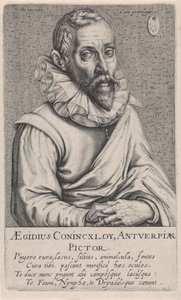
1544–1607, Belgia
Gillis Van Coninxloo
Rohelise maailma meister Gillis Van Coninxloo seisab Põhja maastikunaja evolutsioonis kui murueline figuur, toimides elutähtesa sillana keeruliste manierismi traditsioonide ja varajase baroki kasvava atmosfäärilise sügavuse vahel. Belgia Antwerpenis sündinud kunstniku elu oli sügavalt seotud Madalmaatsade rikkast kunstilisest pärandist. Maalari pojana oli ta sukeldunud maailma, kus käsitöömeistrillion ja looduse täpne jälgimine olid üliolulised. Tema varajane õppimine meistrite nagu Pieter Coecke van Aelst noorem ja Lenaert Kroes juures andis talle tugeva aluse, kuid just töö osalis Gillis Mostaert töötoas võimaldas tema talentil tõeliselt õitseta, lamedades talle võimalust osaleda professionaalsel tasemel valminud teostes ning samal ajal teravdada oma unikaalset visiooni.
Teel Gillis Van Coninxloo kohta Gillis Van Coninxloo silmapaistvad teosed
Ka Gillis Van Coninxloo teosed
 Jonah Preaching to the Ninevites1583
 Woodland with Saint Jerome1583
 Landscape with the judgment of Midas1598
 Landscape with the Judgement of Paris1610
Essee teemadel Forest Landscape
 French Barbizon paintersMasterpieces by Théodore Rousseau and Daubigny define the Barbizon School. Explore the full collection online at OriginalUniqueArt.com.
 Enchanted Woodlands: 10 Masterpieces That Capture the Magic of the ForestExplore iconic forest art by Shishkin, Klimt, and Van Gogh. Discover museum-quality masterpieces on OriginalUniqueArt.com.
 Mastering the Horizon: An Art Historian’s Guide to the World's Most Iconic Landscape PaintingsExplore the profound history of landscape painting with our expert guide. From Impressionist light to Chinese traditions, discover the tech…