

 Eelvaade
 Saada
Saada Jaga
Jaga
 Teave teose kohta
 Juhend

 Laadi alla
 Sarnased teosed
 Röntgenuuring
 Slaidietendus
 Q&A
Q&A Statistika
Apollo and Daphne


 Loe lähemalt
Giclée / Kunstiprint
Muuseumikvaliteediga giclée- või kangasprint kiire tootmisega ja paindlikud viimistlusvõimalused. ( Osta käsitsi maalatud teos Lülita digitaalse pildi juurde)




P118B €10

P118H €10

P118W €10

P438Z €10

P508JH €12

P508YH €12

P805H €10

P805Z €10

P919BZ €10

P919G €10

P919XJ €10

P959ZH €10

P968JZ €12

W106C €8

W218G €10

W218JH €8

W218Y €10

W307PJ €10

W316G €10

W316PJ €8

W316Y €10

W398PJ €8

W4111J €10

W500HY €15

W500JH €15

W692G €12

W849H €8

W940BG €15

W953PJ €8




Vali meie eelmääratud suurused, mis vastavad teose algupärastele proportsioonidele.

Sisestage vajalik laius ja kõrgus, et see sobiks teie raamile või seinale. Trükki saab ainult lõigata, seda ei saa kunagi pildist suuremaks teha, seega ka erineva mustega suurus kaotab osa pildist. Enne trükkimist saadame teile kinnitamiseks digitaalse näidisprojektsiooni. Sellel lehel näidatud pilt ei kujuta reaalset lõiget — seda näitab ainult näidisprojektsioon.
Ülemaailmne tarne () 2 nädala jooksul, tavalise 4/5 nädala asemel. (30 oktoober)

Tasuta ekspresssaatmine üle maailma

Kõrgekvaliteediline lina-kangas

Täielik transpordikindlustus

Tollimaksude tagastamise garantii

Värvitoime täpsuse garantii

100 päeva tagastusõigus (ainult valmistusdefektide korral)

100% raha tagasi garantii

Hulgusoodustus
 Klaasivalik on saadaval ainult kuni 110 cm suuruses teostes

Apollo and Daphne
Giclée / Kunstiprint
Reproduktsiooni suurus
-


Koguhind
€ 71
The Myth Made Manifest: Gian Lorenzo Bernini’s “Apollo and Daphne”
Gian Lorenzo Bernini's "Apollo and Daphne," housed within the opulent Galleria Borghese in Rome, isn’t merely a sculpture; it’s a visceral embodiment of Ovid’s timeless tale. Completed between 1622 and 1625, this monumental work transcends its marble materiality to capture a fleeting, dramatic moment – the precipice of transformation where the god Apollo, consumed by desire, attempts to seize the nymph Daphne, who desperately flees into becoming a laurel tree. Bernini’s genius lies not just in his technical mastery but in his ability to infuse stone with an astonishing sense of movement and emotional intensity, creating a scene that feels perpetually caught in the throes of action.

Baroque Drama: Sculpture as Living Motion
Bernini, a pivotal figure in the transition from Renaissance to Baroque art, rejected the static formality of earlier sculpture. Instead, he embraced dynamism, capturing figures in mid-gesture, imbued with palpable emotion. “Apollo and Daphne” exemplifies this approach perfectly. The sculptor masterfully manipulates marble to convey an astonishing sense of movement – Apollo’s outstretched hand, poised to grasp Daphne; her fleeing form, limbs transforming into branches; the billowing drapery that seems to ripple around them both. The sculpture isn't a depiction of a static event but rather a frozen moment of intense pursuit and desperate escape. The use of *contrapposto*, where Apollo’s weight shifts slightly to one leg, adds further to the illusion of movement.
Bernini’s technique is breathtakingly sophisticated. He employed a complex system of scaffolding and supports within the marble itself, allowing him to create an outward appearance of lightness and fluidity. The surface of the stone is polished to a luminous sheen, reflecting light and enhancing the sense of volume and depth. The details are exquisite – the delicate texture of Daphne’s hair transforming into leaves, the intricate folds of her drapery, the subtle expression of panic on her face.
Mythic Symbolism: Love, Flight, and Transformation
The story of Apollo and Daphne is rich in symbolic meaning. Apollo, representing divine power and beauty, embodies relentless pursuit and unyielding desire. Daphne, a symbol of innocence and resistance, represents the preservation of virtue and the rejection of worldly temptations. Her transformation into a laurel tree – a plant closely associated with Apollo himself – signifies her ultimate victory over his advances, becoming a symbol of both beauty and resilience. The myth itself explores themes of love, loss, and the conflict between desire and freedom.
The sculpture’s placement within the Borghese Gallery is also significant. Originally intended to be viewed from a specific angle, it highlights the dramatic interplay between Apollo's forceful pursuit and Daphne's desperate flight. The surrounding architecture of the gallery further enhances this effect, creating an immersive experience for the viewer.
A Legacy of Emotion: Bernini’s Enduring Impact
“Apollo and Daphne” stands as a testament to Bernini’s unparalleled skill and his profound understanding of human emotion. It is not simply a representation of a classical myth but a powerful exploration of the human condition – the struggle between desire and resistance, the triumph of virtue over temptation, and the enduring power of transformation. Bernini's work continues to captivate audiences centuries later, demonstrating the timeless appeal of this dramatic narrative and solidifying his place as one of art history’s greatest masters. Reproductions of this masterpiece offer a remarkable opportunity to bring this extraordinary sculpture into any space, evoking the drama and emotion of Bernini’s original vision.
Korduvad küsimused
Millissele etapile Gian Lorenzo Bernini karjääris kuulub teos "Apollo and Daphne" (1622)?
Kuna teos on pärinev aastast 1622, kuulub "Apollo and Daphne" Gian Lorenzo Bernini loomingulisse perioodile Early Baroque.
Kuidas teose "Apollo and Daphne" stiil seotub selle looja ajaga?
Teoses „Apollo and Daphne“, autor Gian Lorenzo Bernini kohtuvad Baroque Sculpture suunad ja Varajärgne modernne ajastu ajastu.
Kuhu kohta „Apollo and Daphne“, autor Gian Lorenzo Bernini reproduktsioon peaks rikutud?
Formaat (Tall) ja soovitatav ruum (Living Room) on teose „Apollo and Daphne“, autor Gian Lorenzo Bernini kohta kirjutatud kaks paigutusandmet.
Kunstniku elulugu
Rooma genius: Gian Lorenzo Berninile elu ja pärand
Siningu maailmas, mis oli dramaatilise kunstliku muutuse eesrandal, jõudis 1598. aastal Naplisse Gian Lorenzo Bernini. Tema isa, Pietro Bernini, oli ise tunnustatud skulptor, ja just selles pereli töökohas algas noare Gian Lorenzo'i hädavainen talent keerelda. Tema tuleviku mestripool on siemenega istutati mitte ainult tehnilise koolituse kaudu – kuigi see oli nõudlik –, vaid ka Naplis klassikaalse pärandi varasem immersioon. Ta "sisseelamas" Vatikaani kogudes hoiustatud skulptuure, absorbeerides nende vormid ja printsipeendid neugatiusega, mis määras selle kunstliku vaade. Ise nüüdse lapsena ületas Bernini oskus oma isa oskuse, vihjates revolutsionaalse jõuga, milliseks ta muutub. See doğanaelne võime atrahteeritas kiiresti tähelepanu, eriti Kardinaal Maffeo Barberinilt, kes hiljem tõusis paavlikuks Urban VIII ja sai Bernini kõige mõjuvamaks meeskonnaks, muuldes mitte ainult tema karjääri, vaid ka sama Rooma esteetilist maastikku.Emotsiooni skulptureerimine: Barokki draama sünnikord
Berninil pidetakse ilmselt parimaks skulptoriks barookikaalude perioodil, stiiliga, mis on iseloomustatud oma dünaamikaga, emotsionaalse intensiivsusega ja puhas grandioosusega. Ta ei lihtsalt skulpteerinud figuure; ta elutas marmori sisse, vangistades hetki sügavalt psühholoogilisest profundusest ja draamaatilises narratiivis võrreldamatuga oskusega. Kus renessanssi skulptuur sageli prioriteetitas ideaalust vormi ja staatiselt kaunistuse, omaks Bernini liikumise, teaterlikkuse ja inimemootori raue jõudu. Tema töö liikus üle pelgalt esindamisest, et izazkseerida vaadja juuriliku reaktsiooni. Tema ainulaadne stiil määrab olulised elemendid: mestripoolne võime väljendada keerulisi emotsioone näoihäva ja keha keelte kaudu; hämmastav tehniline oskus, mis lubas teksuuride – voolava juukse, õrnaliste kangaste, sile nahka – vaimastavalt reaalneusega esindada; ja kõige tähtsamalt, pühendumine draamaatilisele narratiivile, kuvates hetki intensiivses tegevuses või hingepuuduvast klimaksist. Santi Teresa ekstase, mis asub Cornaro kapelis, jääb ehk tema ikonilisima saavutuseks – voolav marmori, bronzi ja valguse kompositsioon, mis vangistab mistilist kogemust praktiliselt ülekohtavaga emotsionaalse jõuga. Teised mestripesad nagu Apollo ja Daphne ning David näitavad seda sama dünaamilist energia, muuta kiviks ohvaks transformatsiooni ja pingutuse hetked.Skulptuuri piirkonda üle: Arhitektuur ja linna visioonid
Bernini genius ulatus palju kauem kui skulptuuri piirile. Ta oli märkimisväärselt mitmekülgne kunstnik, kes tegi olulisi katkisteid arhitektuuril ja linnaplaneerimisel, põhjalikult muutes Rooma linnapildi. Tema arhitektuurilised disainid ei ole kunagi luuletud iseästandse; nad olid alati integreeritud tema skulptuurte tööga, luues ühendatud kunstlikke kogemusi, mis segasid piirkondvahelist piirist. Monumentalne Baldacchino St. Peter's Basilika kõrge altarile on tõestus selle holistilisest lähenemisviisist – kõrgelt kohovad bronzi katte, mis domineerib ruumi ja veeb silma üles pöörates hämmastuses. Ta osutas ka olulist rolli mitmete Rooma platside uuestiplaneerimisega, muuta need elavaks avalikuks ruangiks. Nelja jõete all Piazza Navonas, millede alegoorilised figuurid esindavad erinevatest kontinentidest pärit suurmaid jõgi, on hääraskordlik näide tema võimedest luua dünaamilised ja huvitavad linnakeskused. Tema töö St. Peter's Basilikas, sealhulgas laiald kolonnadejad, mis omab vaadjaid lähenemisel, muutas dramaatiliselt basilika välimust ja loomis suure grandioosi seremoniakogupuiku kristlikiigi südamesse.Püsiv mõju: Bernini ajalooline tähtsusega
Gian Lorenzo Bernini mõjutas sügavalt lä{|\text{L} \text{W}}estern kunsti kurset. Tema innovatiivne lähenemine skulptuurile paigutas barookstiili dominandse jõuks Euroopa kunstis üle sajandi jooksul, mõjutades kunstnike põlvkondi tema draamaatiliste kompositsioonidega ja tehnilise virtuoositega. Ta ei olnud lihtsalt klassikaalsete vormide imiteerija; ta süendas neid uue dünaamika ja emotsionaalse intensiivsusega, luues täiesti originaali. Tema skulptuuri, arhitektuuri ja maalingu integreerimine ühendatud kunstlikesse kogemustesse seadis uue standardi kunstliku väljenduse jaoks, näites kunstile võime kõiki aistseid kaasata ja sügavd emotsioonid izazkseerida. Kui Howard Hibbard elega sõnastas, oli Bernini mõju nii oluline, et ta seisab kui "17. sajabiku suurim skulptor". Tema teosed jätkavad inspireerima hämmastust ja imestlust, kinnitades tema paika ühe kõige olulisema kunstniku hulgas ajalugu – tõeline *uomo universale*, kelle pärand kõlab tänapäeval ka veel.Pereli ja edasised saavutused
- Pietro Bernini: Gian Lorenzo'i isa, skulptor, kes pakkus varase koolituse ja juhised.
- Kardinaal Scipione Borghese: Varane meeskonn, kelle tellimused lubas Berninile arendada oma tunnusstiili.
- Paav Urban VIII: Bernini kõige olulisem meeskonn, kes pakkus Rooma jaoks laialdoll võimalusi arhitektuuriliste ja skulptuurlikel projektidel.
- Arhitektuurilised projektid: St. Peter's Basilika piirkonda üle, Bernini disainirasse kirikud nagu Sant’Andrea al Quirinale ning katkestas Palazzo Barberinile disaini.
- Teatrilised disainid: Ta oli ka draamitikograaf ja lavastuse disainer, luues teatereliste tootmisetele keerulisi rekviisite ja masinate.

Gian Lorenzo Bernini
1598 - 1680 , Itaalia
Lühikest infot
- Artistic Movement Or Style: Barok
- Artists Or Movements Influenced By This Artist:
- Barokskulptuur
- Euroopa kunst
- Artists Who Influenced This Artist:
- Pietro Bernini
- Michelangelo
- Date Of Birth: 7. detsemberit, 1598
- Date Of Death: 28. novembrit, 1680
- Full Name: Gian Lorenzo Bernini
- Nationality: Itaalia
- Notable Artworks:
- Santa Teresa ekstase
- Apollo ja Daphne
- David
- Baldacchino
- Nelja jõete fountain
- Place Of Birth: Napoli, Itaalia
Sarnased artiklid
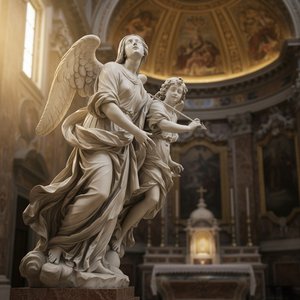
Gian Lorenzo Bernini: Sculpting Baroque Emotion & the Roman Imagination
Explore the life & revolutionary art of Gian Lorenzo Bernini, the master sculptor of the Baroque era. Discover his iconic works like David and Ecstasy of Saint Teresa – a journey into Roman artistic genius.

The Enduring Allure of Marble in Art History: From Classical Sculpture to Modern Abstraction
Explore the captivating history of marble sculpture from ancient Greece to modern art. Discover renowned artists like Canova & Michelangelo, carving techniques, and investment insights at OriginalUniqueArt.

The Enduring Form: Exploring Themes & Techniques in Sculpture Across Historical Periods
Explore the rich history of sculpture from ancient masterpieces to contemporary innovations. Discover key techniques, influential artists & investment potential for discerning art collectors.

The Enduring Form: Sculpture Across History, Technique & Emotional Resonance
Explore the rich history of sculpture with OriginalUniqueArt. Discover key techniques, influential artists & investment potential for discerning collectors. Expert insights into valuing and collecting timeless masterpieces.

Bronze Sculptures That Defined Art History | OriginalUniqueArt
Journey through art history with our Top 10 bronze sculptures! Explore masterpieces by Rodin, Michelangelo & more. Discover stories behind iconic statues and find museum-quality reproductions for your home decor at OriginalUniqueArt.com.