

 Vaata sisu
 Jaga teost
 Jaga
Jaga
 Detailid
 Õppekate juhend

 Laadi alla
 Sarnased teosed
 Röntgenuuring
 Slaidietendus
 Statistika
Pappagalli


 Loe lähemalt
Sellel lehel kuvatav kunstiteos on kaitstud autoriõigusega, mis tähendab, et meil ei ole seaduslikku õigust luua või müüa identset reproduktsiooni. Seda kaitset rakendatakse rahvusvaheliste kokkulepete alusel, nagu näiteks Berne konventsioon ning riiklike seadustega, sealhulgas nendega, mida on sätestatud USA autoriõiguse seadus – 17. peatükk.
See meetod järgib täielikult autoriõiguse reegleid, kuna see ei põhine kaitstud kunstiteose kopeerimisel või dupliteerimisel. Selle asemel on tegu loova reinterpreetatsiooniga – uue maaldisega, mis on algteosest inspireeritud, kuid ei ole sellest identiline.
Giclée / Kunstiprint
Muuseumikvaliteediga giclée- või kangasprint kiire tootmisega ja paindlikud viimistlusvõimalused. ( Telli käsitsi maalitud reproduktsioon Ülemineku digitaalse pildi müügi kanalisse)




P118B €10

P118H €10

P118W €10

P438Z €10

P508JH €12

P508YH €12

P805H €10

P805Z €10

P919BZ €10

P919G €10

P919XJ €10

P959ZH €10

P968JZ €12

W106C €8

W218G €10

W218JH €8

W218Y €10

W307PJ €10

W316G €10

W316PJ €8

W316Y €10

W398PJ €8

W4111J €10

W500HY €15

W500JH €15

W692G €12

W849H €8

W940BG €15

W953PJ €8




Vali meie eelmääratud suurused, mis vastavad teose algupärastele proportsioonidele.

Type the width and the height you need, to fit your frame or your wall. A print can only be cut, never made bigger than the picture, so a size with a different shape loses a part of the image. We send you a digital mockup to approve before we print anything. The picture shown on this page does not show the real cut — only the mockup does.
Ülemaailmne tarne () 2 nädala jooksul, tavalise 4/5 nädala asemel. (14 oktoober)

Tasuta ekspresssaatmine üle maailma

Kõrgekvaliteediline lina-kangastest muld

Täielik transpordikindlustus

Tollimaksude tagastamise garantii

Värvitoime täpsuse garantii

100 päeva tagastusõigus (ainult defektide korral)

100% raha tagasi garantii

Hulgusoodustus
 Klaasivalik on saadaval ainult kuni 110 cm suuruses teostes

Pappagalli
Giclée / Kunstiprint
Reproduktsiooni mõõtmed
-


Lõppsumma
€ 69
A Symphony in Motion: Exploring Pappagalli's Vibrant Depths
To gaze upon this painting of fish is not merely to observe aquatic life; it is to witness captured energy, a vibrant ballet unfolding against a field of luminous yellow. The composition, teeming with at least twelve distinct forms, suggests a moment suspended in time—a collective surge through unseen currents. Each scale, each fin, seems imbued with an independent will, yet they move as one unified body. This piece radiates an almost palpable sense of life, inviting the viewer to lean closer and feel the cool rush of water against their skin.
The Echoes of Modern Movement
While the subject matter—the school of fish—is timelessly natural, the execution speaks volumes about early 20th-century artistic fervor. The style echoes the dynamic concerns of artists grappling with speed and perception. One senses the influence of movements that sought to break down reality into its constituent parts: light, motion, and pure color. The way the forms overlap and interact suggests a scientific yet ecstatic rendering of natural physics, hallmarks of an era obsessed with capturing the ephemeral nature of modern existence.
Technique and Luminous Play
The artist has masterfully employed color to create depth and vitality. Against that brilliant yellow ground—a hue itself suggesting sunshine filtering through water or perhaps pure, unadulterated joy—the various shades of the fish pop with incredible intensity. The technique appears to favor distinct strokes of pure pigment, allowing the colors to vibrate against one another. This careful handling of light and shadow across multiple overlapping subjects gives the entire scene a shimmering, almost optical quality, making it an immediate focal point for any richly decorated space.
Symbolism of Community and Flow
In art history, schools of fish often carry potent symbolism. They can represent community, migration, or the relentless passage of time. Here, the sheer number and varied positioning suggest a powerful collective journey—a shared destiny moving forward together. For collectors and designers alike, this piece offers more than mere decoration; it introduces an element of dynamic narrative into a room. It speaks to connection, resilience, and the beautiful chaos inherent in life's greatest movements.
Bringing Aquatic Energy Home
Considering its size of 125 x 125 cm, this artwork commands attention without overwhelming a space. Whether placed above a console table or centered as a striking piece over a sofa, it acts as an immediate source of visual refreshment. Reproducing the vibrancy and movement captured in Pappagalli allows one to infuse any interior with the exhilarating spirit of nature's most vibrant ballet.
Küsimused ja vastused
Millist meeleolu ja emotsiooni „Pappagalli“, autor Giacomo Balla väljendab?
Teoses "Pappagalli" on Playful meeleolu koos Joyful emotsiooniga.
Kuhu kohta on teose "Pappagalli" Square formaat soovitatav paigutada?
Olles vormilt Square, on teose "Pappagalli" reproduktsiooni soovitatud kasutada ruumis Lounge.
Mis on teose „Pappagalli“, autor Giacomo Balla orientatsioon?
Teose „Pappagalli“, autor Giacomo Balla vorm on Square. See vorm kirjeldab kompositsiooni proportsioone.
Kunstniku elulugu
Varajane Elu ja Koolitus
Giacomo Balla sündis 18. juulil 1871 Torinos kunstipärases peres; tema isa oli fotograaf. Algselt õppis ta muusikat kuni üheksanda eluaasta vanuseni. Isa surma järel töötas ta litograafiaprintimisettevõttes, kus arenes huvi visuaalse kunsti vastu. Ta õppis kohalikes akadeemiates ja hiljem Torino ülikoolis. 1895. aastal kolis ta Rooma, kus hakkas tööle illustraatorina, karikaturistina ja portreekunstnikuna. See periood kujundas tema varaseid kunstilisi suundumusi ning andis aluse tulevastele katsetustele erinevates stiilides. Tema noorusaeg oli täidetud otsingutega ja sooviga leida oma unikaalne väljendusviis, mis hiljem viiski ta futuristliku liikumise südamesse.Areng ja Võtmeperioodid
Balla varased tööd olid mõjutatud divisjonismist – tehnikast, mis kasutas puhta värvi väikseid kriipse valgusjõu loomiseks. See periood näitas tema huvi valgusefektide tabamiseks ja atmosfääri edasiandmiseks. Pöördepunkt saabus 1910. aastal, kui ta kohtus Filippo Tommaso Marinettiga ning liitus futurismiliikumisega, allkirjastades Futuristliku Manifesti. Futurism keskendus valguse, liikumise ja kiiruse kujutamisele, sageli abstraktsed elemendid lisades. Balla laiendas futuristlikke põhimõtteid ka mööblidisaini ja rõivaste loomisele. Hilisemates töödes distantseerus ta futurismiliikumise radikaalsematest aspektidest ning pöördus tagasi traditsioonilisema figuurilise stiili poole, kuid säilitas alati eksperimenteerimisvaimu ja uute vormide otsinguid.Peamised Teosed ja Kunstistiil
Balla loomingu hulgas leidub mitmeid olulisi teoseid, mis demonstreerivad tema kunstilist evolutsiooni. “Abstraktne Kiirus + Heli” (Velocità Astratta + Rumore) on silmapaistev töö, mis uurib kiirust auto sümboliseerimise kaudu. "Tänavalamp" (The Street Light) näitab tema katsetusi valguse, atmosfääri ja liikumise edasiandmisel. “Koera Dünaamika Rihmal” (Dynamism of a Dog on a Leash) on võtmetöö, mis demonstreerib pingutust väljendada liikumist maalimises. "Boccioni Rusikas" (Boccioni's Fist) näitab tema tööd skulptorina futuristlikus liikumises. Balla stiil arenes divisjonismitehnikatest dünaamiliste ja abstraktsed esituste poole, mis kujutasid liikumist, valgust ja kaasaegset elu. Ta kasutas killustatud vorme, kattuvaid tasandeid ja elavaid värve energia ja kiiruse tunde edasiandmiseks. Tema looming on täis innovatsiooni ja katsetusi erinevate kunstiliste väljendusvahenditega.Mõjud ja Ajalooline Tähtsus
Balla loomingu arengus mängisid olulist rolli mitmed mõjutajad. Etienne-Jules Marey’ kronofotograafilised eksperimendid, mis registreerisid liikumise järkjärgulisi etappe, avaldasid talle sügavat muljet ja inspireerisid tema lähenemist liikumise kujutamisele. Filippo Tommaso Marinetti ja Futuristliku Manifesti ideed olid otsustavad Balla kunstilises suunas. Futurismiliikumise asutajaliikmena aitas Balla oluliselt arendada selle esteetilisi põhimõtteid ning edendada selle mõju erinevates kunstivormides. Tema töö aitas määratleda 20. sajandi alguse modernismi ja jätkab tänini muljet avaldamist oma uuendusliku lähenemise poolest liikumise ja tehnoloogia kujutamisele. Ta ei piirdunud ainult maalimisega, vaid katsetas ka skulptuuride, mööbli ja rõivaste disainiga, laiendades futurismiliikumise mõjupiirkonda.Pärand ja Tunnustamine
Balla pärand seisneb tema uuenduslikus uurimuses liikumise ja dünaamika alal kunstis, mis andis olulise panuse futurismiliikumise arengusse ning kaasaegse kunstilise väljenduse rikastamisele. Ta sai 1935. aastal Rooma Accademia di San Luca liikmeks. Tema tööd olid esindatud Documenta 1-l Kasselis (1955) ja Documenta 8-l (1987). Tema kunstiteoseid hoitakse kogudes nagu Albright-Knox Art Gallery, Rahvuslik Akadeemia Saint Luke Roomas ja Estorick Collection. Balla looming on jätkuvalt oluline inspiratsiooniallikas kunstnikele ja kunstihuvilistele üle maailma ning tema tööd on tunnustatud kui 20. sajandi modernismi silmapaistvad näited. Tema eksperimenteerimisvaim, uuenduslik lähenemine ja julgus katsetada erinevaid vorme teevad temast olulise figuuri kunstiajaloo kontekstis.
Giacomo Balla
1871 - 1958 , Eesti
Lühikest infot
- Artistic Movement Or Style: Futurism
- Artists Or Movements Influenced By This Artist:
- Umberto Boccioni
- Gino Severini
- Artists Who Influenced This Artist: ['Etienne-Jules Marey']
- Date Of Birth: 18. juuli 1871
- Date Of Death: 1958
- Full Name: Giacomo Balla
- Nationality: Itaallane
- Notable Artworks:
- Abstract speed + sound
- The street light
- Dynamism of a dog on a leash
- Place Of Birth: Torino, Itaalia
Sarnased artiklid

Geomeetrilise Abstraktsiooni 10 Meisterteost: Kunst ja Kodukaunistus OriginalUniqueArt.com-is
Avastage geomeetrilise abstraktsiooni 10 suurteost – Kandinsky, Mondrian ja teised. Lugege kunstiteoste lugusid ning leidke inspiratsiooni kodukaunistuseks OriginalUniqueArt.com-is! Kunstikollektsioon ja reprodutsioonid.

Abstract Ekspressionismi 10 Meisterteost: Kunsti ja Sisustamise Klassikat
Sukeldu abstraktse ekspressionismi maailma! Avasta 10 legendaarset kunstiteost – Pollock, Rothko jt. – ja nende loo. Leia inspiratsiooni interjööriks ning kaunista kodu OriginalUniqueArt.com kvaliteetsete reproduktsioonidega. Uuri kollektsiooni!
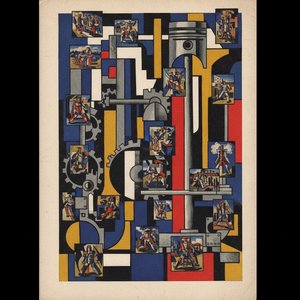
Fernand Légeri 25 parimat teost: modernse kunsti meistriteosed teie interjööri jaoks
Avastage Fernand Légeri 25 parimat teost! Sukelduge modernse kunsti, kubismi ja tubismi maailma. Leidke inspiratsiooni interjööridisainiks ning ostke kvaliteetseid kunstireproduktsioone OriginalUniqueArt.com-ist. Avastage kogu kollektsioon veebis!

Kandinsky's Masterpieces: 25 Paintings That Define Abstract Art | OriginalUniqueArt
Journey through Wassily Kandinsky's 25 most iconic abstract paintings. Explore his revolutionary use of color, form & spiritual expressionism. Find museum-quality Kandinsky reproductions and elevate your home decor with OriginalUniqueArt.com. Discover all masterpieces on OriginalUniqueArt.com!
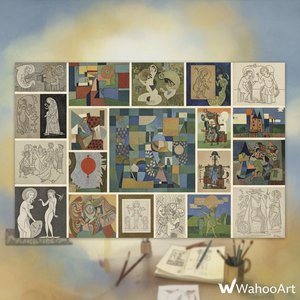
Paul Klee Parimad Teosed: 25 Kunstiteost, Mis Inspireerivad | OriginalUniqueArt
Avastage Paul Klee 25 parimat teost! Sukeldume ekspressionismi, kuubism ja abstraktse kunsti maailma. Lugege kunstniku lugusid ning leidke inspiratsiooni interjööridisainiks OriginalUniqueArt.com-is. Avastage kõik meistriteosed veebis!
