

 Eelvaade
 Saada
Saada Jaga
Jaga
 Teave teose kohta

 Laadi alla
 Sarnased teosed
 Röntgenuuring
 Slaidietendus
 Statistika
Betty
 Oil On Canvas
- WallArt
- Contemporary Realism
 1977
1977- Modern
 30.0 x 40.0 cm
 Loe lähemalt
Giclée / Kunstiprint
Muuseumikvaliteediga giclée- või kangasprint kiire tootmisega ja paindlikud viimistlusvõimalused. ( Osta käsitsi maalitud maal Ülemineks digitaalse pildiga müügi kanalisse)




P118B $10

P118H $10

P118W $10

P438Z $10

P508JH $12

P508YH $12

P805H $10

P805Z $10

P919BZ $10

P919G $10

P919XJ $10

P959ZH $10

P968JZ $12

W106C $8

W218G $10

W218JH $8

W218Y $10

W307PJ $10

W316G $10

W316PJ $8

W316Y $10

W398PJ $8

W4111J $10

W500HY $15

W500JH $15

W692G $12

W849H $8

W940BG $15

W953PJ $8




Vali meie eelmääratud suurused, mis vastavad teose algupärastele proportsioonidele.

Saate sisestada oma mõõdud, et need sobiks konkreetse raami või ruumi sisse. Kui valitud suurus ei vasta originaalteose proportsioonidele, lõigame teose ära või laiendame pilti peegeldatud või ühtlase servaga. Enne tootmisprotsessi algust saadetakse Teie kinnitamiseks digitaalne näidis.
Palun märka, et ekraanil kuvatav eelvaade ei kajasta tegelikku lõigamist või laiendamist. Ainult näidis kujutab täpselt lõplikku kompositsiooni.
Kuigi erimõõdu on saadaval, soovitame originaaproportsioonide säilitamiseks valida mõõt ette määratud nimekirjast.
Ülemaailmne tarne () 2 nädala jooksul, tavalise 4/5 nädala asemel. (12 september)

Tasuta ekspresssaatmine üle maailma

Kõrgekvaliteediline linakangas

Täielik transpordikindlustus

Tollimaksude tagastamise garantii

Värvitoime täpsuse garantii

100 päeva tagastusõigus (ainult tootmisdefektide korral)

100% raha tagasi garantii

Hulgusoodustus
 Klaasivalik on saadaval ainult suuruses kuni 110 cm

Betty
Giclée / Kunstiprint
Reproduktsiooni suurus
-


Kogusumma
$ 80
Captivating Subject and Intimate Expression
This exquisite portrait captures the serene presence of a young woman, lying in a relaxed pose with her head slightly tilted, inviting viewers into a moment of quiet introspection. Her vivid blue eyes serve as a focal point, conveying depth and emotional vulnerability, while her gentle expression evokes a sense of calm and inner reflection. The composition emphasizes her facial features with meticulous detail, allowing viewers to connect on a personal level with the subject’s inner world. The subtle play of light across her face enhances her natural beauty, making this piece a compelling exploration of human emotion and vulnerability.Masterful Style and Technique
Executed in a hyper-realistic style, this artwork demonstrates exceptional technical skill and attention to detail. The artist employs fine brushwork to render the textures of skin, hair, and fabric with astonishing precision, creating a lifelike appearance that blurs the line between painting and photography. The use of soft, natural tones combined with delicate shading accentuates the three-dimensionality of her features, while the diffused lighting adds a gentle glow that enhances the realism. The background, a muted warm hue, subtly complements the subject without distracting from her presence, allowing her to stand out as the central focus.Historical Context and Artistic Significance
Created in 1977, this portrait reflects the era’s fascination with realism and humanist themes. During this period, many artists sought to explore personal identity, vulnerability, and emotional depth through highly detailed and realistic portrayals. The work echoes the broader artistic movement of photorealism, emphasizing technical mastery and emotional authenticity. As a product of its time, it also aligns with the rise of contemporary portraiture that seeks to elevate everyday subjects into fine art, making it a significant piece for collectors interested in the evolution of modern realism.Symbolism and Emotional Impact
Beyond its technical brilliance, the artwork invites viewers to contemplate themes of innocence, beauty, and inner reflection. The woman’s calm demeanor and direct gaze create an intimate dialogue, encouraging viewers to consider her inner life and emotional state. The subtle color palette and soft lighting evoke a sense of tranquility, while the subject’s vulnerability fosters a connection rooted in empathy. This piece serves as a reminder of the quiet strength found in moments of introspection, making it a powerful addition to any collection or interior space seeking emotional depth and artistic excellence.A Perfect Choice for Art Lovers and Interior Spaces
Whether displayed in a private collection, a gallery, or an elegant interior, this high-quality reproduction offers a timeless aesthetic that complements a variety of decor styles. Its detailed craftsmanship and emotional resonance make it an inspiring focal point in living rooms, offices, or art spaces. Art lovers and collectors will appreciate its artistic mastery and the profound human story it conveys, while interior designers will find it an elegant piece that elevates any environment with sophistication and emotional warmth. This portrait is not just a painting; it is an invitation to experience the beauty of human vulnerability through the lens of masterful realism.Kunstniku elulugu
A Life Shaped by Division: The Early Years and Artistic Formation of Gerhard Richter
Gerhard Richter’s artistic journey began amidst the turbulent backdrop of postwar Germany, a nation scarred by war and grappling with the ideological divisions of the Cold War. Born in Dresden in 1932, his formative years were profoundly impacted by the rise of Nazism and the subsequent devastation inflicted upon his hometown during World War II. This early exposure to conflict instilled within him an inherent skepticism—a questioning spirit that would become a cornerstone of his artistic worldview for decades to come. His father, Wilhelm Richter, was a schoolteacher who navigated the challenges of life under Nazi rule with quiet resilience, while his mother, Gisela Richter, nurtured a love for literature and music within their family home – fostering an environment rich in cultural stimulation. These familial influences subtly shaped Richter’s artistic sensibilities, contributing to his distinctive blend of pragmatism and intellectual curiosity. Initially trained in socialist realism at the Dresden Academy of Fine Arts—a stylistic mandate imposed by the East German state—Richter quickly recognized the limitations inherent in adhering rigidly to ideological dogma. Even within this constrained environment, however, a yearning for artistic freedom persisted, fueled by a growing dissatisfaction with prescribed aesthetic conventions and an ardent desire to explore more expansive creative horizons. This burgeoning discontent propelled him toward experimentation—a deliberate dismantling of stylistic boundaries that would define his formative years. He sought inspiration from artists who challenged established norms, embracing dissonance as a catalyst for innovation. Pablo Picasso’s fragmented imagery and Jean Arp’s geometric abstractions served as crucial touchstones during this period, shaping Richter's evolving artistic vocabulary.Escaping Constraints: Düsseldorf and the Exploration of Style
The pivotal moment arrived in 1961 when Richter made the courageous decision to abandon East Germany—seeking refuge in the vibrant art scene of Düsseldorf. This relocation represented a radical transformation in his artistic trajectory, liberating him from the constraints of socialist realism and immersing him in an environment brimming with intellectual ferment. Düsseldorf’s artistic community welcomed Richter's arrival with open arms, fostering an atmosphere conducive to experimentation and challenging conventional artistic perspectives. Recognizing the need for stylistic independence—a rejection of prescribed aesthetic formulas—Richter embarked on a period of intense exploration that would solidify his early mature work. He swiftly dismantled socialist realism’s rigid conventions, embracing diverse approaches simultaneously. Photorealism—characterized by meticulous replication of photographic images with astonishing precision—stood alongside abstract compositions infused with bold colors and dynamic brushstrokes. This duality wasn't about finding *a* style; it was about questioning the very notion of stylistic coherence, accepting contradiction as a fundamental principle. His collaboration with Sigmar Polke yielded the provocative term ‘Capitalist Realism,’ encapsulating their shared critique of artistic institutions and their appropriation of imagery from advertising and mass media. This period wasn’t merely about stylistic innovation; it was about confronting broader societal anxieties—a reflection of the anxieties prevalent during the Cold War era. Richter's technique evolved dramatically, incorporating innovative methods like squeegee printing—a process utilizing tools typically employed for window cleaning—to manipulate paint on canvas in unpredictable ways. This embrace of chance and spontaneity underscored his artistic philosophy—allowing him to relinquish control and invite unforeseen outcomes. He meticulously studied the work of Picasso and Arp, absorbing their stylistic innovations and integrating them into his own evolving visual language.Blurring Boundaries: Photorealism, Abstraction, and the Power of Chance
Richter’s artistic repertoire expanded throughout the 1960s and beyond—embracing a remarkable spectrum of techniques and thematic concerns. His photorealistic paintings—based on family photographs or newspaper images—were not mere reproductions; they were investigations into perception and representation. By rendering these images with clinical detachment, he compelled viewers to confront the inherent ambiguity of photographic truth—a deliberate provocation designed to unsettle conventional assumptions about visual reality. Simultaneously, Richter pursued abstraction—creating canvases layered with vibrant hues and gestural marks—often utilizing squeegee printing to manipulate paint on canvas in ways that defied control. This embrace of spontaneity mirrored his artistic ethos—yielding unexpected results while rejecting stylistic rigidity. His ‘Color Charts,’ systematic arrangements of colored squares—challenged the notion of painting as purely decorative expression—examining color’s organizational potential and questioning its role in artistic communication. His influence extended far beyond Düsseldorf, inspiring countless artists who adopted his innovative methods and embraced his unwavering commitment to artistic exploration. Richter's legacy transcends stylistic trends; it resides in his profound engagement with historical and political themes—a reflection of the anxieties inherent in navigating a fragmented world. He didn’t offer definitive answers but posed compelling questions—prompting viewers to scrutinize their own preconceptions and engage in critical dialogue. Richter’s art continues to resonate today, demonstrating the enduring power of artistic experimentation and intellectual rigor. His unwavering dedication to pushing boundaries solidified his position as one of Germany's most celebrated artists—a figure whose work remains a testament to the transformative potential of creative vision.
Gerhard Richter
1932 - , Saksa
Lühikesed faktid
- Artistic Movement Or Style:
- Фотореализм
- Абстракция
- Artists Who Influenced This Artist:
- Жан Арп
- Пабло Пикассо
- Date Of Birth: 9 февраля 1932 г.
- Full Name: Gerhard Richter
- Nationality: Немецкий
- Notable Artworks:
- Жилет
- С. с ребенком
- Октябрь 18, 1977
- Place Of Birth: Дрезден, Германия
Seotud artiklid
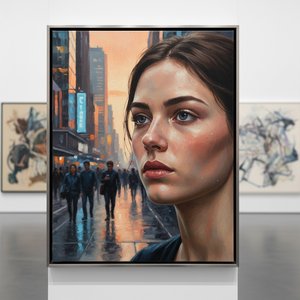
Contemporary Realism: Capturing the Soul of Modern Life Through Hyper-Realistic Art
Explore the profound depth of Contemporary Realism. Discover how hyper-realistic art captures modern emotion through technical mastery, offering collectors a sophisticated way to preserve the soul of human experience through exquisite, museum-quality oil paintings and fine art.
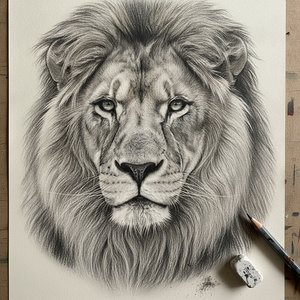
Mastering Graphite Pencil: The Ultimate Expert Guide to Achieving Depth, Texture, and Hyper-Realistic Detail
Elevate your artistry with our expert guide to mastering graphite pencil. Learn professional techniques for achieving profound depth, intricate textures, and hyper-realistic details through advanced shading, layering, and precision tool mastery designed for serious art students.
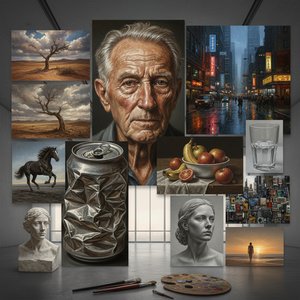
Kaasaegse realismi 10 sajandit määravat kunstiteost
Avasta 10 sajandit määravat kunstiteost! Kaasaegse realismi meistriteosed, tuntud kunstnikud ja värvilised maalid. Leia inspiratsiooni interjööriks ning kaunista oma kodu OriginalUniqueArt.com-ilt!

Gerhard Richter: A Retrospective on Abstraction, Memory & the Photographic Source
Explore the profound world of Gerhard Richter's abstract paintings. Discover his techniques, influences, and lasting impact on contemporary art – a guide for discerning collectors.
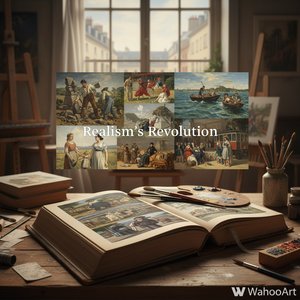
Realism Kunsti Klassikud: 10 Meisterteost Sinu Koduks
Avasta 10 realistliku kunsti meistriteost, mis muutis maailma! Sukeldu Gustave Courbet' ja Jean-François Millet'i teoste saladustesse. Leia inspiratsiooni interjöördisainiks OriginalUniqueArt.com – kvaliteetsete kunstireproduktsioonide ja stiilsete kodukujunduse jaoks.


