Teksti suurus

() ·

Sinu jaoks käsitsi valmistatud maal

Abstract Painting

Käsitsi valmistatud õlimaalireproduktsioon

Meie kunstnike poolt tellimusel valmistatud käsitsi maalitud õli-kainaste teos teie soovitud suuruses ja raamis. ( Lülita trükkitoodetele Lülita digitaalse pildi juurde)

Kogumisobjekti kirjeldus

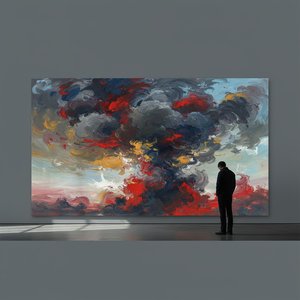
Explore Gerhard Richter’s 1978 Abstract Painting – a vibrant explosion of color & texture in an Expressionist style. A dynamic, layered work perfect for modern art collectors.

Kunstniku elulugu

Gerhard Richter oli üks maailma suurimatest ja mõjutavamaid kunstnike, kes kasutasid fotorealistlikku ja abstrakti stiili ning pakkus tänu oma kriitilise lähenemuse ja innovatsioonile suurepäärasele kunstilisele ekspressioonile.

alates ·

1. peatükk

Millise suurusega see peaks olema?

Libistage suuruse muutmiseks; vasakul olev pilt näitab raami tegelikku laiust. Originaali proportsioonid on säilitatud.

Standardne suurus
kohandatud
CM
INCH

Vali meie eelmääratud suurused, mis vastavad teose algupärastele proportsioonidele.

laius
kõrgus

Sisestage vajalik laius ja kõrgus, et teos sobiks teie raamile või seinale. Kuna tegu on käsipainatud teosega, siis erineva kujuga suuruse korral võib kunstnik jätta pildi ümber veidi rohkem marginaali või lõigata osa ära — valik on teie. Enne maali alustamist saadame teile kinnitamiseks digitaalse näidisprojektsiooni. Sellel lehel näidatud pilt ei kajasta tegelikku tulemust — seda näitab ainult näidisprojektsioon.

Lugu 2

Kuidas see peaks lleguema?

Vali pingutatud kanga servade stiil

Vali oma raam

Corner sample of the WhiteWrap canvas edge finish, stretched on massivpuit bars
Valge serv €1
Corner sample of the BlurSideWrap canvas edge finish, stretched on massivpuit bars
häguse servaga lõppviimistlus €1
Corner sample of the ExtendedWrap canvas edge finish, stretched on massivpuit bars
Laiendatud €1
Corner sample of the P118B picture frame: vormitud polüstüreen, 5 cm wide and 3 cm thick
P118B €10
Corner sample of the P118H picture frame: vormitud polüstüreen, 5 cm wide and 3 cm thick
P118H €10
Corner sample of the P118W picture frame: vormitud polüstüreen, 5 cm wide and 3 cm thick
P118W €10
Corner sample of the P438Z picture frame: vormitud polüstüreen, 5.5 cm wide and 3.5 cm thick
P438Z €10
Corner sample of the P508JH picture frame: vormitud polüstüreen, 7 cm wide and 3.5 cm thick
P508JH €12
Corner sample of the P508YH picture frame: vormitud polüstüreen, 7 cm wide and 3.5 cm thick
P508YH €12
Corner sample of the P805H picture frame: vormitud polüstüreen, 5 cm wide and 3.5 cm thick
P805H €10
Corner sample of the P805Z picture frame: vormitud polüstüreen, 5 cm wide and 3.5 cm thick
P805Z €10
Corner sample of the P919BZ picture frame: vormitud polüstüreen, 7 cm wide and 3.5 cm thick
P919BZ €10
Corner sample of the P919G picture frame: vormitud polüstüreen, 7 cm wide and 3.5 cm thick
P919G €10
Corner sample of the P919XJ picture frame: vormitud polüstüreen, 7 cm wide and 3.5 cm thick
P919XJ €10
Corner sample of the P959ZH picture frame: vormitud polüstüreen, 5 cm wide and 3 cm thick
P959ZH €10
Corner sample of the P968JZ picture frame: vormitud polüstüreen, 6 cm wide and 4 cm thick
P968JZ €12
Corner sample of the W106C picture frame: massivpuit, 5 cm wide and 3 cm thick
W106C €8
Corner sample of the W218G picture frame: massivpuit, 5 cm wide and 3 cm thick
W218G €10
Corner sample of the W218JH picture frame: massivpuit, 5 cm wide and 3 cm thick
W218JH €8
Corner sample of the W218Y picture frame: massivpuit, 5 cm wide and 3 cm thick
W218Y €10
Corner sample of the W307PJ picture frame: massivpuit, 6 cm wide and 3 cm thick
W307PJ €10
Corner sample of the W316G picture frame: massivpuit, 6 cm wide and 3 cm thick
W316G €10
Corner sample of the W316PJ picture frame: massivpuit, 6 cm wide and 3 cm thick
W316PJ €8
Corner sample of the W316Y picture frame: massivpuit, 6 cm wide and 3 cm thick
W316Y €10
Corner sample of the W398PJ picture frame: massivpuit, 5 cm wide and 3 cm thick
W398PJ €8
Corner sample of the W4111J picture frame: massivpuit, 6.5 cm wide and 3.5 cm thick
W4111J €10
Corner sample of the W500HY picture frame: massivpuit, 7 cm wide and 5 cm thick
W500HY €15
Corner sample of the W500JH picture frame: massivpuit, 7 cm wide and 5 cm thick
W500JH €15
Corner sample of the W692G picture frame: massivpuit, 8 cm wide and 4 cm thick
W692G €12
Corner sample of the W849H picture frame: massivpuit, 5 cm wide and 3 cm thick
W849H €8
Corner sample of the W940BG picture frame: massivpuit, 7.5 cm wide and 4.5 cm thick
W940BG €15
Corner sample of the W953PJ picture frame: massivpuit, 6 cm wide and 3.5 cm thick
W953PJ €8
Corner sample of the H24-GOLD picture frame: kareeritud puit ja gesso, 10 cm wide and 6 cm thick
H24-GOLD €30
Corner sample of the H24-SILVER picture frame: kareeritud puit ja gesso, 10 cm wide and 6 cm thick
H24-SILVER €30
Corner sample of the H36-GOLD picture frame: kareeritud puit ja gesso, 15 cm wide and 6.5 cm thick
H36-GOLD €45
Corner sample of the H36-SILVER picture frame: kareeritud puit ja gesso, 15 cm wide and 6.5 cm thick
H36-SILVER €45
Raami eelvaade
Raamitud

Kujund: . Kogumõõt koos raamiga: .

Lugu 3

Kes seda maalib ja kas midagi peaks muutuma?

Näited sellest, mida saab muuta: asendage nägu kliendi fotoga; lisage lemmikloom (nt asendage kass koega); lisage taustale peidetud sõnum; muutke tausta maastikku või elemente.
Pärast tellimust saadetab OriginalUniqueArt.com meeskond klientile e-posti juhised ning esitab ette tasandatud eelvaate

Maailmline tarne 3–4 nädala jooksul tavalise 5 nädala asemel. (4 november). Kvaliteedis kompromisse ei tehta.

Lugu 4

Viimistlusdetailid

Nimetelis, nagu muuseumis?

Graveeritud pronksplaadi üksikasjad

This elegant plaque features the artist's name and the title of the artwork, finely engraved for a timeless presentation.

It is made from bronze with a refined, elegant finish. The text is precisely laser-engraved for a sharp and permanent result. Measuring 9x2 cm, the plaque is compact yet easy to read. It's built to be durable and scratch-resistant, offering a professional, museum-quality look. Mounting is simple thanks to the included adhesive backing.

Läbipaistva akrüülplaadi üksikasjad

The plaque includes essential engraved details such as the artist's name, the title of the artwork, the date it was created, the type of media used-like oil on canvas or watercolor-a brief description of the piece, and a QR code that links to the complete artwork information.

It is crafted from clear acrylic, offering a sleek, modern appearance. The text is UV-engraved in black to ensure strong visual contrast. With a size of 10x15 cm, it ensures optimal readability. It comes equipped with two metal hooks for secure wall mounting. The plaque is designed to be weather-resistant, making it suitable for various environments, and it includes interactive features that work seamlessly with smartphone scanning.

Musta akrüülplaadiรายละเอียด (Note: The user provided "Musta akrüülplaadi detailid" as the current translation and asked for an improved version. Since "Musta akrüülplaadi

This elegant plaque includes engraved information such as the artist's name, the title of the artwork, the date it was created, the type of media used (like oil on canvas or watercolor), a short description of the artwork, and a QR code for quick access to more information.

The plaque itself is made from refined black acrylic with a premium finish. The text is laser-engraved in white for high contrast and readability. Its size is 10x15 cm, designed to be easy to read. It comes with two metal hooks for professional mounting. The design is sleek and fits any interior style. It is also weather-resistant and durable, with built-in digital integration for mobile compatibility.

Kaitsev lakikih?

Millal te seda vajate?

Lugu 5

Teie maalid vastavalt tellimusele

Abstract Painting

Reproduktsiooni tehnika

Reproduktsiooni suurus

-

Eelistatud tippkunstnik

Rohkem detaile, peenust ja lisatootmisaega

-

Reproduktsiooni raamivalikud

-

-

Kunstiteoste või reproduktsioonide puhul, mille üks külg on üle 105 cm (umbikmolt 41 tolli), saadetakse raam kirjal asendis, la Dismantlitud komplektina. See meetod tagab ohutuse kohaletoimetamisel ja väldib transpordil tekkivaid kahjustusi.

Vajalik professionaalne kokkupanek – see ei ole isetegevusega valmistamiseks mõeldud toode.
Komplekt tuleb kokku panna ja lõvet pingutada kogemusega professionaalse raamija, kasutades puiduliim (ei kuulu komplekti), lõvetpingi ja klempe, et hoida raami kande mustad õigena liimi kuivamisaja jooksul. Vale kokkupanek või ebaühtlane lõvetping võib kunstiteost püsivalt kahjustada ning seda ei katta meie garantii.

  • Kaasatud on kõik tahked puidust liistud, täpselt lõigatud vastavaks suuruseks.

  • Kokku panemiseks kasutatakse lisatud kruvisid ning nurkade liimamiseks vajalikku puuliima, mida ei ole komplektis ja mida peab raamivalmistaja ise hankima.

  • Vajalik on kasutada professionaalseid tööriistu, mis ei kuulu komplekti: lõvetelapide pingist (pingutaja) ja klambreid, et hoida raami puidu nurgas õigena liimi kuivamisaja jooksul.

Oluline:
Nurgaliimamiseks on vaja puiduliim, liimimine peab toimuma klempide all kuni liim on täielikult kuivanud ning kokku monteeritud raami kanga pingutamiseks on vajalik kanga pingutustang. Kumbki neist ei kuulu komplekti. Palun veenduge enne selle suuruse tellimist, et teil on saadaval kogenud professionaalne raamistaja.

Nimesildikiri

-

-

Kaitsevärnitsus

Läikiv lakk (muudab värvid elavamaks ning kaitseb valgust ja niiskust eest)

-

Kohanda oma teost

Näiteid muudatuste kohta: Asenda nägu kliendi fotoga; Lisa lemmikloom (nt asenda kass koeraga); Lisa taustale peidetud sõnum; Muuda tausta maastikku või elemente.

-

Kiire tarne

Ülemaailmne tarne riiki 3–4 nädalaga tavalise 5 nädala asemel. (4 november). Kvaliteedis kompromisse ei tehta.

-

Kiirsaatmine

Ülemaailmne tarne () 5 nädala jooksul. (11 november).

Sisse kuuluv

Koguhind

€ 268

Kogu summa € 268

Klaasivalik on saadaval ainult kuni 110 cm suuruses teostes

Säli iga tellimusega

  • Tasuta ekspresssaatmine üle maailma
  • Kõrgekvaliteediline lina-kangas
  • Täielik transpordikindlustus
  • Tollimaksude tagastamise garantii
  • Värvitoime täpsuse garantii
  • 100 päeva tagastusõigus (ainult valmistusdefektide korral)
  • 100% raha tagasi garantii
  • Hulgusoodustus

A Symphony of Color and Texture: Exploring Gerhard Richter’s Abstract Painting (1978)

This monumental abstract painting by Gerhard Richter, created in 1978, is a captivating example of his mature abstract style. Measuring an impressive 201 x 336 cm, the work commands attention and offers a deeply immersive visual experience. It’s not merely a painting; it's an exploration of color, texture, and the very act of painting itself.

Deconstructing Abstraction: Style & Technique

Richter firmly established himself as a leading figure in Abstract Expressionism, yet his approach is uniquely his own. Unlike purely gestural abstraction, Richter’s work often incorporates elements of chance and systematic processes. This piece exemplifies his technique of layering oil paint with tools like squeegees – though brushwork is clearly visible here – creating a rich impasto surface where colors blend, collide, and emerge. The resulting texture isn't simply visual; it feels almost tactile, inviting the viewer to contemplate the physicality of the medium. The loose, gestural lines contribute to a sense of spontaneity, yet there’s an underlying control that speaks to Richter’s masterful command of his materials.

Historical Context: Post-War Germany & Artistic Innovation

Born in Dresden, East Germany, in 1932, Richter's life and work were profoundly shaped by the political and social upheavals of post-war Europe. His early artistic training was steeped in socialist realism, a style he later rejected in favor of abstraction. This rejection wasn’t simply aesthetic; it was a deliberate attempt to break with the ideological constraints of his upbringing. The 1970s saw Richter fully embrace abstract painting as a means of exploring subjective experience and challenging traditional notions of representation. His work emerged during a period where artists were questioning established norms, pushing boundaries, and redefining what art could be.

Decoding the Visual Language: Symbolism & Emotional Impact

While devoid of recognizable imagery, this painting is far from empty. The vibrant interplay of colors – ranging from deep blues and reds to softer yellows and whites – evokes a range of emotions. Some viewers perceive energy and turbulence within the composition, while others find a sense of calm or even joy in its dynamic balance. The fragmented forms and overlapping layers create a feeling of depth and movement, drawing the eye across the canvas. The absence of a clear focal point encourages individual interpretation, allowing each viewer to project their own experiences and emotions onto the work. It’s a testament to Richter's skill that he can convey such emotional resonance through purely abstract means.

Interior Design & Collectibility

This painting would serve as a striking statement piece in any modern or contemporary interior. Its large scale demands space, making it ideal for expansive living areas, corporate lobbies, or art collections. The rich color palette complements a variety of décor styles, adding depth and sophistication to the surrounding environment. As a work by one of the most important artists of the 20th and 21st centuries, this painting represents not only an aesthetic investment but also a significant cultural one. High-quality reproductions capture much of the texture and vibrancy of the original, offering art lovers a chance to experience Richter’s vision in their own homes.

Korduvad küsimused

Kuhu kohta on teose "Abstract Painting" Panoramic formaat soovitatav paigutada?

Teose „Abstract Painting“, autor Gerhard Richter Panoramic formaat on soovitatav kasutada ruumis Living Room. Formaat ja ruum aitavad koos otsustada reproduktsiooni paigutamise kohta.

Mis on teose „Abstract Painting“, autor Gerhard Richter domineeriv väritoon?

Teose „Abstract Painting“, autor Gerhard Richter läbimõtes on tunda Ochre to Sepia toonist.

Kas "Abstract Painting" on hea kingitusidee?

Kingitusena on Corporate Gift jaoks soovitatav teos „Abstract Painting“, autor Gerhard Richter. Sobib ideaalselt ka teisteks sündmusteks.

Lisateavet selle maali kohta

Eelvaade AR-eelvaade Lülita trükkitoodetele Lülita digitaalse pildi juurde Saada
Teave teose kohta Juhend Lisa lemmikutesse Laadi alla Sarnased teosed Röntgenuuring Slaidietendus KÜSIMUSED JA VASTUSID Statistika

Numbritega

  • 1978maalimis年份
  • 29valikud raamidest
  • standardne suurus, oma proportsioonidega
  • 5nädalaid maalimiseks ja kohaletoimetamiseks

Originaali kohta

Mõõtmed
201.0 x 336.0 cm
Gerhard Richter

Gerhard Richter

1932 - , Saksa

Kiirinfo Gerhard Richter kohta

  • Artistic Movement Or Style:
    • Фотореализм
    • Абстракция
  • Artists Who Influenced This Artist:
    • Жан Арп
    • Пабло Пикассо
  • Date Of Birth: 9 февраля 1932 г.
  • Full Name: Gerhard Richter
  • Nationality: Немецкий
  • Notable Artworks:
    • Жилет
    • С. с ребенком
    • Октябрь 18, 1977
  • Place Of Birth: Дрезден, Германия

Kunstniku elulugu

A Life Shaped by Division: The Early Years and Artistic Formation of Gerhard Richter

Gerhard Richter’s artistic journey began amidst the turbulent backdrop of postwar Germany, a nation scarred by war and grappling with the ideological divisions of the Cold War. Born in Dresden in 1932, his formative years were profoundly impacted by the rise of Nazism and the subsequent devastation inflicted upon his hometown during World War II. This early exposure to conflict instilled within him an inherent skepticism—a questioning spirit that would become a cornerstone of his artistic worldview for decades to come. His father, Wilhelm Richter, was a schoolteacher who navigated the challenges of life under Nazi rule with quiet resilience, while his mother, Gisela Richter, nurtured a love for literature and music within their family home – fostering an environment rich in cultural stimulation. These familial influences subtly shaped Richter’s artistic sensibilities, contributing to his distinctive blend of pragmatism and intellectual curiosity. Initially trained in socialist realism at the Dresden Academy of Fine Arts—a stylistic mandate imposed by the East German state—Richter quickly recognized the limitations inherent in adhering rigidly to ideological dogma. Even within this constrained environment, however, a yearning for artistic freedom persisted, fueled by a growing dissatisfaction with prescribed aesthetic conventions and an ardent desire to explore more expansive creative horizons. This burgeoning discontent propelled him toward experimentation—a deliberate dismantling of stylistic boundaries that would define his formative years. He sought inspiration from artists who challenged established norms, embracing dissonance as a catalyst for innovation. Pablo Picasso’s fragmented imagery and Jean Arp’s geometric abstractions served as crucial touchstones during this period, shaping Richter's evolving artistic vocabulary.

Escaping Constraints: Düsseldorf and the Exploration of Style

The pivotal moment arrived in 1961 when Richter made the courageous decision to abandon East Germany—seeking refuge in the vibrant art scene of Düsseldorf. This relocation represented a radical transformation in his artistic trajectory, liberating him from the constraints of socialist realism and immersing him in an environment brimming with intellectual ferment. Düsseldorf’s artistic community welcomed Richter's arrival with open arms, fostering an atmosphere conducive to experimentation and challenging conventional artistic perspectives. Recognizing the need for stylistic independence—a rejection of prescribed aesthetic formulas—Richter embarked on a period of intense exploration that would solidify his early mature work. He swiftly dismantled socialist realism’s rigid conventions, embracing diverse approaches simultaneously. Photorealism—characterized by meticulous replication of photographic images with astonishing precision—stood alongside abstract compositions infused with bold colors and dynamic brushstrokes. This duality wasn't about finding *a* style; it was about questioning the very notion of stylistic coherence, accepting contradiction as a fundamental principle. His collaboration with Sigmar Polke yielded the provocative term ‘Capitalist Realism,’ encapsulating their shared critique of artistic institutions and their appropriation of imagery from advertising and mass media. This period wasn’t merely about stylistic innovation; it was about confronting broader societal anxieties—a reflection of the anxieties prevalent during the Cold War era. Richter's technique evolved dramatically, incorporating innovative methods like squeegee printing—a process utilizing tools typically employed for window cleaning—to manipulate paint on canvas in unpredictable ways. This embrace of chance and spontaneity underscored his artistic philosophy—allowing him to relinquish control and invite unforeseen outcomes. He meticulously studied the work of Picasso and Arp, absorbing their stylistic innovations and integrating them into his own evolving visual language.

Blurring Boundaries: Photorealism, Abstraction, and the Power of Chance

Richter’s artistic repertoire expanded throughout the 1960s and beyond—embracing a remarkable spectrum of techniques and thematic concerns. His photorealistic paintings—based on family photographs or newspaper images—were not mere reproductions; they were investigations into perception and representation. By rendering these images with clinical detachment, he compelled viewers to confront the inherent ambiguity of photographic truth—a deliberate provocation designed to unsettle conventional assumptions about visual reality. Simultaneously, Richter pursued abstraction—creating canvases layered with vibrant hues and gestural marks—often utilizing squeegee printing to manipulate paint on canvas in ways that defied control. This embrace of spontaneity mirrored his artistic ethos—yielding unexpected results while rejecting stylistic rigidity. His ‘Color Charts,’ systematic arrangements of colored squares—challenged the notion of painting as purely decorative expression—examining color’s organizational potential and questioning its role in artistic communication. His influence extended far beyond Düsseldorf, inspiring countless artists who adopted his innovative methods and embraced his unwavering commitment to artistic exploration. Richter's legacy transcends stylistic trends; it resides in his profound engagement with historical and political themes—a reflection of the anxieties inherent in navigating a fragmented world. He didn’t offer definitive answers but posed compelling questions—prompting viewers to scrutinize their own preconceptions and engage in critical dialogue. Richter’s art continues to resonate today, demonstrating the enduring power of artistic experimentation and intellectual rigor. His unwavering dedication to pushing boundaries solidified his position as one of Germany's most celebrated artists—a figure whose work remains a testament to the transformative potential of creative vision.

Teave teose kohta

  • subject: Abstract
  • year: 1978
  • medium: Oil on canvas (likely)
  • movement: Abstract Expressionism
  • style: Non-representational, gestural abstraction, impasto

Kunstiteaduse kvartett

Iga küsimuse kohta on ainult üks õige vastus.

Küsimus 1:
To which artistic movement does this painting by Gerhard Richter most closely belong?
Küsimus 2:
What is a prominent characteristic of the *technique* used in this artwork, as described in the image description?
Küsimus 3:
Based on the provided information, what is a primary focus of this artwork?
Küsimus 4:
In what year was this painting created?