

 Vaata sisu
 Jaga teost
 Jaga
Jaga
 Detailid
 Õppekate juhend

 Laadi alla
 Sarnased teosed
 Röntgenuuring
 Slaidietendus
 Statistika
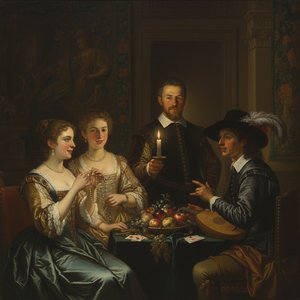
The Visit
 Oil On Canvas
- WallArt
- Dutch Golden Age Genre
 78.0 x 74.0 cm
 Staatliches Museum
 Loe lähemalt
Käsitsi valmistatud õlimaalireproduktsioon
Meie kunstnike poolt tellimusel valmistatud käsitsi maalitud õli-kainaste teos teie soovitud suuruses ja raamis. ( Lülita trükkitoodetele Ülemineku digitaalse pildi müügi kanalisse)




P118B €10

P118H €10

P118W €10

P438Z €10

P508JH €12

P508YH €12

P805H €10

P805Z €10

P919BZ €10

P919G €10

P919XJ €10

P959ZH €10

P968JZ €12

W106C €8

W218G €10

W218JH €8

W218Y €10

W307PJ €10

W316G €10

W316PJ €8

W316Y €10

W398PJ €8

W4111J €10

W500HY €15

W500JH €15

W692G €12

W849H €8

W940BG €15

W953PJ €8




Vali meie eelmääratud suurused, mis vastavad teose algupärastele proportsioonidele.

Sisestage vajalik laius ja kõrgus, et teos sobiks teie raamile või seinale. Kuna tegu on käsipainatud teosega, siis erineva kujuga suuruse korral võib kunstnik jätta pildi ümber veidi rohkem marginaali või lõigata osa ära — valik on teie. Enne maali alustamist saadame teile kinnitamiseks digitaalse näidisprojektsiooni. Sellel lehel näidatud pilt ei kajasta tegelikku tulemust — seda näitab ainult näidisprojekttsioon.
Pärast tellimust saadab OriginalUniqueArt.com meeskond kliendile e-posti juhised ning esitab eelvaate kavandi
Maailmline tarne 3–4 nädala jooksul tavalise 5 nädala asemel. (23 oktoober). Kvaliteedis kompromisse ei tehta.

Tasuta ekspresssaatmine üle maailma

Kõrgekvaliteediline lina-kangastest muld

Täielik transpordikindlustus

Tollimaksude tagastamise garantii

Värvitoime täpsuse garantii

100 päeva tagastusõigus (ainult defektide korral)

100% raha tagasi garantii

Hulgusoodustus
 Klaasivalik on saadaval ainult kuni 110 cm suuruses teostes

The Visit
Reproduktsiooni materjal
Reproduktsiooni mõõtmed
-


Lõppsumma
€ 264
A Window Into Seventeenth-Century Domestic Life: Exploring Gerard Ter Borch’s “The Visit”
Gerard ter Borch, a pivotal figure in Dutch Golden Age art history, stands as a beacon of psychological realism and meticulous observation within the genre of domestic painting. Born in Zwolle in 1617, he embarked on an artistic journey that traversed Europe, absorbing influences from diverse artistic traditions – notably the Baroque – shaping his distinctive style and cementing his legacy as one of the era’s foremost masters. His sister, Gesina ter Borch, also pursued a career in painting, fostering a familial commitment to artistic excellence that would resonate throughout their lives. Ter Borch's oeuvre is characterized by an unparalleled sensitivity to capturing subtle emotions and nuanced interactions within seemingly commonplace settings—a hallmark that distinguishes him from many of his contemporaries.Composition and Technique: Mastering Light and Texture
“The Visit,” painted circa 1655, exemplifies ter Borch’s masterful command of technique. Executed in oil on canvas – a medium favored for its ability to achieve remarkable luminosity and textural detail – the artwork presents four figures engaged in conversation within a richly furnished bedroom. The artist skillfully employs chiaroscuro—the dramatic interplay between light and shadow—to sculpt the forms of the women seated on a bench and the men standing nearby, creating an illusionistic depth that draws the viewer into the scene. Ter Borch’s meticulous brushwork captures the delicate weave of fabric, the sheen of polished surfaces, and the subtle nuances of skin tones with astonishing accuracy. This painstaking attention to detail underscores ter Borch's dedication to portraying reality as faithfully as possible—a cornerstone of his artistic philosophy.Symbolism Within Everyday Reality: Decoding Gestures and Expressions
Beyond its technical brilliance, “The Visit” is laden with symbolic significance. The bed draped in a scarlet blanket serves as a visual anchor, representing comfort, intimacy, and perhaps even unspoken desires. The postures and gestures of the figures convey a complex tapestry of emotions—ranging from polite cordiality to veiled apprehension—reflecting the psychological depth that ter Borch sought to achieve. Scholars have interpreted subtle facial expressions and glances as indicators of hidden agendas and unspoken feelings, prompting ongoing debate about the artwork’s intended message. Ter Borch's ability to transform ordinary domestic life into a vehicle for profound emotional exploration distinguishes him from many other artists of his time.Historical Context: Reflecting Dutch Society’s Values
“The Visit” emerged during a period of considerable social and intellectual ferment in Holland—the Dutch Golden Age (approximately 1648-1702). This era witnessed unprecedented economic prosperity, fueled by maritime trade and colonial expansion, fostering a vibrant cultural landscape characterized by artistic innovation and humanist ideals. Genre painting flourished as a response to the prevailing fascination with portraying the realities of everyday life—a deliberate departure from grand mythological narratives favored by earlier Baroque artists. Ter Borch’s work reflects the Dutch obsession with moral virtue and social decorum—values that underpinned the nation's reputation for stability and sophistication.Emotional Resonance: Capturing Transient Moments
Ultimately, “The Visit” transcends its formal qualities to evoke a powerful emotional response in the viewer. The artwork captures a fleeting moment of human connection—a conversation between friends or family members—rendered with breathtaking tenderness and sensitivity. Ter Borch’s masterful depiction of psychological realism invites contemplation about the complexities of human relationships and the enduring power of unspoken emotions. Like many of his contemporaries, ter Borch aimed to elevate genre painting beyond mere visual representation, transforming it into a medium for conveying profound truths about the human condition—a testament to his artistic genius and lasting influence on art history.Location: Staatliches Museum Schwerin
The Staatliches Museum Schwerin houses an impressive collection of artworks from various periods and styles. You can find more information about the museum on Wikipedia: https://en.wikipedia.org/wiki/Staatliches_MusKüsimused ja vastused
Mis on teose „The Visit“, autor Gerard Ter Borch valgusus?
Teose "The Visit" värvid näitavad Dark luminantsi.
Milliseid ühiseid elemente jagab teos "The Visit" ümbri mõeldu "Gerard Ter Borch loominguga"?
"The Visit" kuulub Gerard Ter Borch Dutch Golden Age Genre perioodi teosetele, mille tuntud teemad hõlmavad domestic intimacy, psychological realism, genre painting style, dutch artistic heritage, symbolic interior space.
Kas saan näha teose „The Visit“, autor Gerard Ter Borch röntgenpilti?
Teose „The Visit“, autor Gerard Ter Borch Röntgenkiirgus leht on interaktiivne vaatur, mis võimaldab liikuda läbi teose üheksateist optilise kihti, sealhulgas röntgenlaadunäoga vaadet.
Sarnased artiklid

Gerard ter Borch: Intimacy & Light in the Dutch Golden Age
Explore the captivating world of Gerard ter Borch, a master of Dutch Golden Age genre painting. Discover his intimate scenes, masterful light, and lasting influence on art history. Learn more at OriginalUniqueArt.

Golden Age Reflections: Dutch Baroque Painting & Cultural Innovation
Explore the Dutch Golden Age of painting! Discover key artists like Vermeer & ter Borch, their innovative techniques, and the rich cultural context behind these Baroque masterpieces. Learn about collecting & appreciating this iconic art period.
Gerard van Honthorst: Illuminating the Dutch Golden Age with Caravaggism & Courtly Grace
Explore the captivating world of Gerard van Honthorst, a Dutch Golden Age master renowned for his dramatic chiaroscuro & courtly portraits. Discover his life, art, and lasting influence on Baroque painting.

Chiaroscuro and Character: A Definitive Guide to Light and Shadow in the Dutch Baroque Era
Explore the dramatic mastery of the Dutch Baroque era. Discover how masters like Rembrandt used chiaroscuro to transform everyday life into timeless art. An expert guide for collectors and enthusiasts seeking to understand the profound interplay of light and shadow.

Dutch Baroque Masters: 10 Paintings That Shaped an Era | OriginalUniqueArt
Journey through the Golden Age with our guide to the Top 10 Dutch Baroque masterpieces! Explore iconic paintings by Rembrandt, Vermeer & Frans Hals. Find museum-quality art reproductions and elevate your home decor at OriginalUniqueArt.com.
