
 Eelvaade
 Saada
Saada Jaga
Jaga
 Teave teose kohta
 Juhend

 Laadi alla
 Sarnased teosed
 Röntgenuuring
 Slaidietendus
 KÜSIMUSED JA VASTUSID
 Statistika
The Judgment of Cambyses (left panel)

- 202.0 x 172.0 cm


 Loe lähemalt
Giclée / Kunstiprint
Muuseumikvaliteediga giclée- või kangasprint kiire tootmisega ja paindlikud viimistlusvõimalused. ( Osta käsitsi maalatud teos Lülita digitaalse pildi juurde)




P118B €10

P118H €10

P118W €10

P438Z €10

P508JH €12

P508YH €12

P805H €10

P805Z €10

P919BZ €10

P919G €10

P919XJ €10

P959ZH €10

P968JZ €12

W106C €8

W218G €10

W218JH €8

W218Y €10

W307PJ €10

W316G €10

W316PJ €8

W316Y €10

W398PJ €8

W4111J €10

W500HY €15

W500JH €15

W692G €12

W849H €8

W940BG €15

W953PJ €8




Vali meie eelmääratud suurused, mis vastavad teose algupärastele proportsioonidele.

Sisestage vajalik laius ja kõrgus, et see sobiks teie raamile või seinale. Trükki saab ainult lõigata, seda ei saa kunagi pildist suuremaks teha, seega ka erineva mustega suurus kaotab osa pildist. Enne trükkimist saadame teile kinnitamiseks digitaalse näidisprojektsiooni. Sellel lehel näidatud pilt ei kujuta reaalset lõiget — seda näitab ainult näidisprojektsioon.
Ülemaailmne tarne () 2 nädala jooksul, tavalise 4/5 nädala asemel. (6 november)

Tasuta ekspresssaatmine üle maailma

Kõrgekvaliteediline lina-kangas

Täielik transpordikindlustus

Tollimaksude tagastamise garantii

Värvitoime täpsuse garantii

100 päeva tagastusõigus (ainult valmistusdefektide korral)

100% raha tagasi garantii

Hulgusoodustus
 Klaasivalik on saadaval ainult kuni 110 cm suuruses teostes

The Judgment of Cambyses (left panel)
Giclée / Kunstiprint
Reproduktsiooni suurus
-


Koguhind
€ 72
A Tale of Justice and Tyranny
In the quiet corridors of the Groeninge Museum in Bruges, there exists a window into a world where morality is etched in oil and justice carries a heavy, visceral weight. Gerard David’s The Judgment of Cambyses (left panel) is not merely a painting; it is a profound dramatic monologue captured on wood. Painted in 1498, this monumental work serves as the left wing of a diptych that recounts the harrowing biblical tale of Cambyses II. The narrative centers on the Persian king's decree to flay Sisamnes, the governor of Egypt, as retribution for the imprisonment of the king's son. Yet, within this scene of potential cruelty, David weaves a complex tapestry of triumph and righteousness. As we gaze upon the composition, we see the son of Sisamnes seated prominently upon his father's throne—a deliberate, powerful gesture symbolizing the ultimate victory of justice over the whims of tyranny.
The emotional resonance of the piece lies in its ability to balance the gruesome reality of historical punishment with a sense of divine or civic order. There is a palpable tension in the air, a solemnity that commands the viewer's attention. For the collector or the lover of fine art, this work offers more than just a historical lesson; it provides an immersive experience into the human struggle between authority and ethics. The figures are arranged across multiple planes, creating a dense, bustling atmosphere that feels both like a frozen moment in time and a living, breathing civic ceremony.
The Mastery of Flemish Light and Detail
To behold this masterpiece is to witness the pinnacle of Flemish Primitivism. Gerard David, a successor to the legacies of Jan van Eyck and Rogues van der Weyden, employs a technique that feels almost supernatural in its precision. Through the meticulous application of glazing—layering thin, translucent veils of paint over dried underlayers—David achieves a luminosity that seems to emanate from within the wood itself. This painstaking process allows light to dance across the varied textures of the scene, from the soft, heavy folds of luxurious drapery to the cold, unyielding surfaces of stone architecture.
Every element is rendered with an almost devotional attention to detail. The faces of the gathered men—merchants, officials, and citizens—are not mere archetypes but individual portraits, each capturing a unique flicker of expression, from stoic resolve to quiet observation. This level of realism, paired with a slightly flattened, medieval perspective, creates a unique aesthetic tension that is highly sought after by interior designers looking to add depth and historical gravity to a space. The color palette, dominated by rich, regal reds, deep earthy browns, and shimmering golds, provides a warmth that can anchor a room, making it an ideal centerpiece for those who appreciate the opulent textures of the Northern Renaissance.
A Legacy for the Modern Collector
Beyond its technical brilliance, The Judgment of Cambyses serves as a bridge between two eras. It stands at the crossroads where medieval symbolism meets the burgeoning humanism of the Renaissance. The inclusion of heraldic shields and coats of arms speaks to the pride and status of the era's guilds and wealthy families, making the painting a symbol of civic identity and enduring legacy. For those seeking to adorn their homes or galleries with a reproduction of this caliber, the artwork offers a sophisticated blend of historical narrative and aesthetic splendor.
Owning a high-quality reproduction of such a significant work allows one to bring the contemplative spirit of 15th-century Bruges into a contemporary setting. It is an invitation to reflect on themes of integrity and truth, wrapped in the breathtaking beauty of Netherlandish oil painting. Whether placed in a study, a library, or a grand salon, this piece continues to inspire awe, serving as a timeless reminder that even in the darkest tales of history, the light of justice remains unextinguished.
Korduvad küsimused
Kes on teose "The Judgment of Cambyses (left panel)" looja?
Teose "The Judgment of Cambyses (left panel)" loovija on Gerard David. Selle lehe info kirjeldab Gerard David algteost.
Mis on teose „The Judgment of Cambyses (left panel)“, autor Gerard David materjal ja valmimisaeg?
Teose „The Judgment of Cambyses (left panel)“, autor Gerard David tehnika on Oil On Panel ning selle valmimisajaks on märgitud 1498.
Kuhu kohta ja milleks on "The Judgment of Cambyses (left panel)" soovitatav?
Teost "The Judgment of Cambyses (left panel)" on soovitatav kasutada Statement jaoks ning selleks soovitellav ruum on Living Room.
Kunstniku elulugu
Varane Elu ja Kunstniku Tee Algus
Gerard David, kelle nimi on seotud varase Madalama Maade kunsti sära ja müsteeriumiga, jäi kunstnikuks, keda ümbritses intrigeeriv saladus. Umbes 1460. aastal Oudewateris Hollandis sündinud tema elulugu on koostatud killustatud arhiividokumentidest ja tema kunsti kõnelevast tunnistusest. Erinevalt kaasaeglastest, kelle elu on rikkalikult dokumenteeritud, on David’i isiklik narratiiv hõre, võimaldades tema maalidel rääkida seal, kus biograafilised detailid vaikivad. Teadaolevast piisab sellest, et viidata silmapaistvale karjäärile, mis tõenäoliselt hõlmas töötube nii Antwerpenis kui ka Brugge’is – renessansi perioodi kunstilise innovatsiooni keskusi. Tema maine langes 17. sajandil, kuid 19. sajandi kunstiajaloolased taastasid hiilguses tema ainulaadsed panused Põhja-Renessanssi. Ta võeti Brugge’i imagemeistrite ja sadulseppade gildisse 1484. aastal, mis oli pöördelise tähtsusega hetk tema tõusul. Tema hilisem seotus Antwerpeni gildiga 1515. aastal kinnitas veelgi tema staatust kunstikogukonnas.Vormivad Mõjud ja Kunstiline Areng
David’i kunstiline teekond algas mõjude all, mis kujundasid tema stiili aluse. Varased tööd näitavad selget võlgu Jacob Janszooni, Dieric Boutsi ja Geertgen tot Sint Jansi maalijatele – meistritele, kes sisendasid talle tähelepanu detailidele ja usulise narratiivi tundlikkust. Usutakse, et ta veetis aega Haarlemis neist õppetundidest ammutades enne kolimist Brugge’i, elava kunstivahetuse keskusesse, mis meelitas talente kogu Euroopast. Siin kohtas David Jan van Eycki, Rogier van der Weydeni ja Hans Memlingi meistriteoseid, omandades nende tehnikaid samal ajal oma eristuva tee rajamisel. Ta ei jälendanud pelgalt; ta sünteesiti need mõjud midagi unikaalselt tema omasse – stiili, mida iseloomustas valgusrikas värv, rahulike kompositsioonid ja üha täpsem maastiku arusaam. Tema varased maalid demonstreerivad seda evolutsiooni, liikudes Haarlemis levinud nukukujulistest figuuridest rohkem skulpturaalsete vormide poole, mis on juurdunud nende keskkonda. See üleminek on nähtav töödes nagu *Kristus ristil naelutatud*, kus Boutsi ruumilise konstruktsiooni mõju seguneb David’i areeneva värvitundlikkusega.Innovatsioon Maastikus ja Usulises Narratiivis
Gerard David’i kunstiline allkiri peitub tema uuenduslikus lähenemises nii maastikule kui ka usulisele teemale. Ta ei kujutanud lihtsalt taustu, vaid lõi kaasahaaravaid keskkondi, mis võimasid oma stseenide emotsionaalset resonantsi. Tema maastikud pole pelgalt dekoratiivsed, vaid narratiivi lahutamatud osad, sageli täis sümboolset tähendust. See metsade, küngaste ja laia taeva vastu huvi eraldas teda paljudest kaasaeglastest ning ennustas maalikunstist iseseisva žanrina arenemist. Vaadake *Vaadet metsas*, triptüchi välistiiba; see pole lihtsalt taust, vaid omaette maailm, mis on renderdatud täpse detaili ja atmosfäärilise perspektiiviga. Oma usulikes töödes demonstreeris David märkimisväärset võimet edastada nii sügavat vaimsust kui ka inimlikke emotsioone. Maalid nagu *Püha Katariina pulm* näitavad seda oskust. Stseen on renderdatud eksimatu detailiga, kuid just figuuride subtilne väljendus – nende jumalakartlikkus, mõtisklus või õrn rõõm – paeluvad vaatajat tõeliselt. Tal oli ande anda oma pühadele teemadele vaikset väärikust ja seostatavat inimlikkust. *Madonna Enthroned and Saints* triptükh Genovas demonstreerib seda meisterlikkust, esitledes harmoonilist kompositsiooni, mis on täis elavat värvi ja õrna detaili. Tema *Neitsi nende seas*, annetatud Brugge’i Sion Carmeliiti nunnadele, on veel üks tunnistus tema oskusest, sisaldades eneseportreed maalis – haruldane ja intiimne žest kunstnikult tema ajastust.Pärand ja Püsiv Mõju
Kuigi tema kuulsus langes pärast 1523. aastal toimunud surma, on Gerard David’i mõju järgnevatele põlvedele vaieldamatu. Tema uuenduslik värvikasutus, valgusvarjude meisterlik käsitsemine ja maastiku pioneerlik lähenemine jätsid kustumatu jälje Flandri maalindile. Ta sillutas teed kunstnikele, kes uuriksid edasi looduslike keskkondade väljendusvõimet, nagu Jacob Patinir ja Jacob van Ruisdael.- Sild Traditsioonide Vahel: David suutis edukalt ühendada hilise keskaja traditsiooni ja tekkiva renessansstiili.
- Mõju Maastikumaalile: Tema detailseid ja atmosfäärilisi maastikke ennustasid maalikunsti eraldi žanrina arengut.
- Meisterlik Värvikunstnik: Ta oli tuntud oma elava paleti ja värvi oskusliku kasutamise poolest emotsionaalse mõju loomisel.
Lisauurimine
- OriginalUniqueArt.com: Avastage Gerard David’i maalide ulatuslik kollektsioon, sealhulgas *Magide kummardamine*.
- Vaade metsas: Tutvuge selle vapustava Põhja-Renessansi maastikumaaliga.
- Varase Madalama Maade kunstiliikumine: Sukelduge sügavamalt David’i töö kunstilisse konteksti.

Gerard David
1450 - 1523 , Holland
Lühikest infot
- Artistic Movement Or Style: Varane Madalama maali koolkond
- Artists Or Movements Influenced By This Artist:
- Jacob Patinir
- Jacob van Ruisdael
- Artists Who Influenced This Artist:
- Jacob Janszoon
- Dieric Bouts
- Geertgen tot Sint Jans
- Date Of Birth: u 1460
- Date Of Death: 1523
- Full Name: Gerard David
- Nationality: Hollandi kunstnik
- Notable Artworks:
- Pulmad Püha Katariinaga
- Madonna troonil
- Neitsi neitside seas
- Place Of Birth: Oudewater, Holland
Sarnased artiklid

The Enduring Legacy of Oil on Canvas: Technique, History & Aesthetic Impact
Explore the rich history & techniques of oil painting – from Renaissance masters to Impressionism. Discover pigments, layering methods, and why this timeless medium endures. Expert insights for artists & art enthusiasts.

Oil on Canvas: A Historical & Technical Exploration of a Timeless Artistic Medium
Explore the rich history & enduring techniques of oil painting on canvas. Discover the science behind its longevity, conservation practices, and contemporary relevance. Expert insights for art enthusiasts.

Mastering the Surface: A Historical and Technical Guide to the Art of Oil on Panel Painting
Explore the profound history and technical brilliance of oil on panel painting. From Renaissance masters to modern techniques, discover why this rigid support offers unparalleled precision and permanence for fine art lovers and collectors.
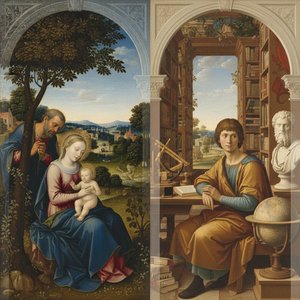
Gerard David: Bridging Late Medieval Tradition with Early Renaissance Humanism
Explore the captivating world of Gerard David, a pivotal figure bridging late medieval artistry with the Early Renaissance. Discover his innovative techniques, religious masterpieces, and enduring legacy – a must-read for discerning art collectors.

Oil on Board: A Historical Survey of Technique, Aesthetic Qualities & Enduring Appeal
Explore the rich history of oil on board painting! Discover techniques, aesthetic qualities & enduring appeal from early masters to modern practice. Expert insights for collectors and art enthusiasts.


