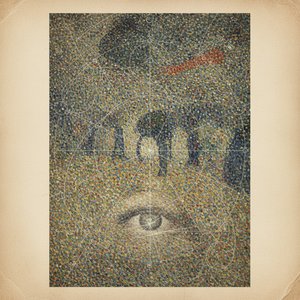
Žorž Seurati elu
Moderni maali suunata arvestades on vältimatu, et vaadata Žorž Seurati lühikest, kuid intensiivset elu. Sündinud Prantsusmaal, Pariisis 2. detsembril 1859, oli ta Ernestine Faivre ja Antoine Chrysostôme Seurati poeg – mees, kes oli teinud vea juristist kinnisvara spekulantiks Šampagnes. See taust pakkus noorele kunstnikule stabiilsust, mis oli vajalik tema kiireks ja disiplinaks ajanud tõusuks Pariisi kunstimaailmas. Ta ei lihtsalt maalinud; ta lõi uue viisi nägemiseks, mis pani kahtluse alla tema esidajate spontaansed impulssid.
Tema karjäär oli sprint, mitte maraton. Ta suri Pariisis, Prantsusmaa, 29. märtsil 1891, vaid 31-aastasena. See eitlik lõpp jättis jätkud teoseid, mis on täis kontsentratsiooni ja hoolikalt läbi mõeldud struktuure, puududes paljudel oma kaasajatel levinud ja lahtisest arengust. Isegi tema viimased, lõppedamata katsed, nagu Tsirkus, paljastavad mõistust, mis on keskendunud valguse struktuursele mehaanikale ja ühiskondlikule korrale. Ta asetas eetilise ja kiire pilgu kalkuleeritud ning püsiva täpsusega.
Tema lühikese elu mõju mõjutab tema tehniliste innovatsioonide tohutu tihegus. Ta viis kunsti eemale hetke emotsionaalsest spontaalsusest ning suunas selle süsteemse, peaaegu matemaatilise värvi rakendamise poole. Tema kohalolu 19. sajandil on määratletud just selle kehkumise poolt, et ta ei tugenud pelgalt intuitsioonile. Ta otsis linatepildil loogikat, mis on nähtav igas pigmendi täpis, mille ta jäeti jätkama.
Varane elu, pere ja haridus
Žorž Seurati kunstiline teekond sai alguse Pariisis, kuhu tema pere kolis Boulevard de Magenta täpvasel ajal pärast tema sündimist. Tema kasvatusi mõjutas stabiilne keskkond, mida pakkus tema isa, Antoine Chrysostôme Seurat, endine jurist, kes hiljem becomeks kinnisvara spekulant. See taust avas noorele kunstnikule tee formaalne haridus, mis oli hädavajalik 19. sajandi lõpus kehtestatud normide uue suunnanemiseks. Ta ei tugenud pelgalt intuitsioonile; tema kunstiline areng toetus rangele ja süstemaatiliselle harjutusele.
Tema ametlik haridus algas École Municipale de Sculpture et Dessin koolis, kus ta õppis skulptor Justin Lequieni juhendamisel. See varane kokkupuutmine skulptuuriga andis tõenäoliselt kaasa tema hilisemate kompositsioonide struktureeritud ja peaaegu friisilaadse kvaliteedi. Kuni 1878 jõudis ta Prantsuse kunstihariduse kõrgel tasemel, sisseastudes prestiižsesse École des Beaux-Arts'i. See aeg, mis puudutas tema õppimisi Henri Lehmanni käe all, sisaldas traditsioonilisi tehnikaid ja kompositsioonilist rangust, mille ta lõpuks dekonstrueeris läbi oma revolutsioonilise teadusliku analüüsi.
Tehnika ja stiil
Žorž Seurat asetas oma esiisade spontaansed ja intuitiivne pintooni kalkuleeritud ning süstemaatilise lähenemise valgule. Ta arendas välja punktilismi – meetodi, mille määrab puhta värvi väikeste ja eraldiste täppide kandmine lamedale pindale. See ei olnud pelgalt dekoratiivne valik, vaid funktsionaalne otsus. Kasutades divisjonismist, eraldas ta kohaliku värvi üksikoideks täppideks, tugunedes vaataja silma peale, et saavutada optiline segunemine. See protsess, mida ta nimetas kromoluminarismiks, koheldis värvi kui teadust, mitte pelgalt tundeveikut. Ta püüdsid ta taastama nägemise füüsikat pigmendi täpselt paigutamise abil.
Tema täpsus ulatus ka tema ettevalmistustele. Ta kasutas tihti karke pinda ja konté-kriite, et oma kompositsioonid ette planeerida. See disiplineeritud meetod tagas, et iga täpp tema suurepõlises lõplikus teoses kuulus osa suuremast, matemaatiliselt orkestreeritud struktuurist. Tulemuseks osutuvad pinnad omavad rütmilist ja vibrerivat kvaliteeti, mis tuleneb pingeid loovast koosmõistlusest üksikate värvipunktide ja retinal moodustuva ühtse pildi vahel. Tema töö on endiselt uuring sellest, kuidas tehniline rangus võib dikteerida visuaalset tajumist.
Peamised teosed ja kunstiline visjon
Žorž Seurat'i kunstiline visjon tugines rangele ja matemaatilisele lähenemisele valgusele. Ta lükkas tagasi oma esidajate spontaansed ja emotsionaalsed pintlapid ning eelistas nägemise süstemaatsilist ülesehitust. See meetod muutus lenda, kus ei olnud tegemist pelgalt vaatlemisega, vaid optilise arvutuse platvormiga. Tema töödes püüdis ta tabada stseenide olemuslikku, muutumatut struktuuri, kasutades täpselt värviteooriat. Ta ei lihtsalt maalinud maastiku; ta lõi visuaalse kogemuse, mis põhines sellel, kuidas inimasilm liivast ja pigmenti tajub.
Tema monumentaalsed kompositsioonid on tunnistuskäik sellest pühendumuses korrale. A Sunday Afternoon on the Island of La Grande Jatte (1884-1886) kasutab hiiglaslikku mõõkaast, et esitleda Pariisi vabaaja stseenit täismosa punktidest koosneva tiheda mozaika kaudu. See teos toimib neoimpressionismi manifestina, asendades voolava liikumise püsiva, skulptuurilise vaikusega. Sarnaselt näitab Bathers at Asnières (1884) tema varajast võimet ühendada klassikalised, friisilaadised figuurid Seine uue, tööstilise reaalsusega. Need maalid tõestavad, et tema huvi asus teadliku täpsuse ja kaasaegse elu ristumiskohal.
Isegi tema viimased, lõppedamata tööde etapid paljastavad pidevat muret liikumise ja struktuuri vahelise pinge üle. The Circus (1890–91) kasutab neoimpressionistlikku stiili, et kirjeldada avaliku esietendus energia, kuid jääb siiski ankurdatuks tema isuloomule omale vormikontrollile. Teoses Young Woman Powdering Herself (1889-1890) rakendas ta oma tehnikat üksikule subjektile, uurides inimliku õhutuse kunstlikkust väga hoolikalt ehitatud keskkonnas. Tema looming oli pidev püüdlus leida valguse loogikat, mida impressionismi hetkeline pilk ei suutnud pakkuda.
Pärand ja mõju
Žorž Seurati mõju kaasaegse kunsti trajektile on mõeldav läbi radikaalsete muutuste, mida tema meetodid sundisid järglastele kunstiliikumistele. Asendades oma esidajate intuitiivse pinteläbikäigu süstemaatse, teadlikul lähenemise-ga värvi ja valguse suhtes, laiendas ta piire sellele, mida maali kunst võib saavutada. See intellektuaalne rangus viis kunsti kaugemale pelagast esinduslikkusest, suunates selle struktureeritud perseptsiooni analüüsi poole. Tema ühtsuslik nõue pigmendi optiliseks segunemiseks muutus täielikultki mehaanika, kuidas vaataja koos õlapinnaga interageerib.
Tema tehniliste innovatsioonide sagedus jõudis kaugele Neo-Impressionismi ringkonnast. Fauvistid omastasid tema rõhuasetust julgel, mitte-naturalistlikul värvi kasutamisel, samas kui kubistid laualisid tema võimet dekonstruktsioonida vormid geeromeetilisteks komponentideks. Isegi abstraktsed ekspressionistid, kes keskenduvad gesti ka raw energiaga, on talle võlga, kuidas ta vabastas värvi traditsioonilise segamise piirangutest. Ta tõestis, et kunst võib olla nii rangepõhjaline intellektuaalne püüdlus kui ka meetod kaasaegse elu olemuse tabamiseks.

 Lülita trükkitoodetele
 Loe lähemalt







































 Kunstiteoste või reproduktsioonide puhul, mille üks külg on üle 105 cm (umbikmolt 41 tolli), saadetakse raam kirjal asendis, la Dismantlitud komplektina. See meetod tagab ohutuse kohaletoimetamisel ja väldib transpordil tekkivaid kahjustusi.


 Eelvaade
 Saada
Saada Jaga
Jaga
 Teave teose kohta
 Juhend

 Laadi alla
 Sarnased teosed
 Röntgenuuring
 Slaidietendus
 KÜSIMUSED JA VASTUSID
 Statistika