Text size

() ·

A painting made for you, by hand

The Beggars' Brawl

Käsitsi valmistatud õlimaalireproduktsioon

Meie kunstnike poolt tellimusel valmistatud käsitsi maalitud õli-kainaste teos teie soovitud suuruses ja raamis. ( Lülita trükkitoodetele Lülita digitaalse pildi juurde)

Kogumisobjekti kirjeldus

Georges de La Tour's 'The Beggars’ Brawl' (1620) captures a tense scene of urban conflict with dramatic chiaroscuro lighting. Explore this Baroque masterpiece depicting poverty, dispute, and human drama – a captivating work of art.

Kunstniku elulugu

Georges de La Tour oli barokkiajan suurmeister kunstnik, kes kuulus maailma kõige suuremate kunstnike hulka. Tema töö oli täielikult mõjutatud Caravaggio stiilist ja oli üks väheseid kunstnike kes oli Caravaggio kohta täielikult õige. Georges de La Tour oli tuntud oma kiriklikest maalidest ning nende kasutuse tõttu oli ta maailma suurima kunstniku hulgas üks väheseid, kes olid Caravaggio kohta täi

from ·

Chapter 1

How large should it be?

Slide to change the size; the picture on the left shows the frame at its real width. The proportions of the original are kept.

Standardne suurus
kohandatud
CM
INCH

Vali meie eelmääratud suurused, mis vastavad teose algupärastele proportsioonidele.

laius
kõrgus

Sisestage vajalik laius ja kõrgus, et teos sobiks teie raamile või seinale. Kuna tegu on käsipainatud teosega, siis erineva kujuga suuruse korral võib kunstnik jätta pildi ümber veidi rohkem marginaali või lõigata osa ära — valik on teie. Enne maali alustamist saadame teile kinnitamiseks digitaalse näidisprojektsiooni. Sellel lehel näidatud pilt ei kajasta tegelikku tulemust — seda näitab ainult näidisprojektsioon.

Chapter 2

How should it arrive?

Choose the edges of the stretched canvas

Choose your frame

Corner sample of the WhiteWrap canvas edge finish, stretched on massivpuit bars
White €1
Corner sample of the BlurSideWrap canvas edge finish, stretched on massivpuit bars
Blurside €1
Corner sample of the ExtendedWrap canvas edge finish, stretched on massivpuit bars
Extended €1
Corner sample of the P118B picture frame: vormitud polüstüreen, 5 cm wide and 3 cm thick
P118B €10
Corner sample of the P118H picture frame: vormitud polüstüreen, 5 cm wide and 3 cm thick
P118H €10
Corner sample of the P118W picture frame: vormitud polüstüreen, 5 cm wide and 3 cm thick
P118W €10
Corner sample of the P438Z picture frame: vormitud polüstüreen, 5.5 cm wide and 3.5 cm thick
P438Z €10
Corner sample of the P508JH picture frame: vormitud polüstüreen, 7 cm wide and 3.5 cm thick
P508JH €12
Corner sample of the P508YH picture frame: vormitud polüstüreen, 7 cm wide and 3.5 cm thick
P508YH €12
Corner sample of the P805H picture frame: vormitud polüstüreen, 5 cm wide and 3.5 cm thick
P805H €10
Corner sample of the P805Z picture frame: vormitud polüstüreen, 5 cm wide and 3.5 cm thick
P805Z €10
Corner sample of the P919BZ picture frame: vormitud polüstüreen, 7 cm wide and 3.5 cm thick
P919BZ €10
Corner sample of the P919G picture frame: vormitud polüstüreen, 7 cm wide and 3.5 cm thick
P919G €10
Corner sample of the P919XJ picture frame: vormitud polüstüreen, 7 cm wide and 3.5 cm thick
P919XJ €10
Corner sample of the P959ZH picture frame: vormitud polüstüreen, 5 cm wide and 3 cm thick
P959ZH €10
Corner sample of the P968JZ picture frame: vormitud polüstüreen, 6 cm wide and 4 cm thick
P968JZ €12
Corner sample of the W106C picture frame: massivpuit, 5 cm wide and 3 cm thick
W106C €8
Corner sample of the W218G picture frame: massivpuit, 5 cm wide and 3 cm thick
W218G €10
Corner sample of the W218JH picture frame: massivpuit, 5 cm wide and 3 cm thick
W218JH €8
Corner sample of the W218Y picture frame: massivpuit, 5 cm wide and 3 cm thick
W218Y €10
Corner sample of the W307PJ picture frame: massivpuit, 6 cm wide and 3 cm thick
W307PJ €10
Corner sample of the W316G picture frame: massivpuit, 6 cm wide and 3 cm thick
W316G €10
Corner sample of the W316PJ picture frame: massivpuit, 6 cm wide and 3 cm thick
W316PJ €8
Corner sample of the W316Y picture frame: massivpuit, 6 cm wide and 3 cm thick
W316Y €10
Corner sample of the W398PJ picture frame: massivpuit, 5 cm wide and 3 cm thick
W398PJ €8
Corner sample of the W4111J picture frame: massivpuit, 6.5 cm wide and 3.5 cm thick
W4111J €10
Corner sample of the W500HY picture frame: massivpuit, 7 cm wide and 5 cm thick
W500HY €15
Corner sample of the W500JH picture frame: massivpuit, 7 cm wide and 5 cm thick
W500JH €15
Corner sample of the W692G picture frame: massivpuit, 8 cm wide and 4 cm thick
W692G €12
Corner sample of the W849H picture frame: massivpuit, 5 cm wide and 3 cm thick
W849H €8
Corner sample of the W940BG picture frame: massivpuit, 7.5 cm wide and 4.5 cm thick
W940BG €15
Corner sample of the W953PJ picture frame: massivpuit, 6 cm wide and 3.5 cm thick
W953PJ €8
Corner sample of the H24-GOLD picture frame: kareeritud puit ja gesso, 10 cm wide and 6 cm thick
H24-GOLD €30
Corner sample of the H24-SILVER picture frame: kareeritud puit ja gesso, 10 cm wide and 6 cm thick
H24-SILVER €30
Corner sample of the H36-GOLD picture frame: kareeritud puit ja gesso, 15 cm wide and 6.5 cm thick
H36-GOLD €45
Corner sample of the H36-SILVER picture frame: kareeritud puit ja gesso, 15 cm wide and 6.5 cm thick
H36-SILVER €45
Raami eelvaade
Raamitud

Moulding: . Overall size with the frame: .

Chapter 3

Who paints it, and should anything change?

Examples of what can be changed: Replace face with customer photo; Add pet (e.g., replace cat with dog); Include hidden message in background; Change background landscape or elements.
After order, OriginalUniqueArt.com team will email client for instructions and provide a mockup preview

Maailmline tarne 3–4 nädala jooksul tavalise 5 nädala asemel. (1 november). Kvaliteedis kompromisse ei tehta.

Chapter 4

The finishing touches

A nameplate, as in a museum?

Graveeritud pronksplaadi üksikasjad

This elegant plaque features the artist's name and the title of the artwork, finely engraved for a timeless presentation.

It is made from bronze with a refined, elegant finish. The text is precisely laser-engraved for a sharp and permanent result. Measuring 9x2 cm, the plaque is compact yet easy to read. It's built to be durable and scratch-resistant, offering a professional, museum-quality look. Mounting is simple thanks to the included adhesive backing.

Läbipaistva akrüülplaadi üksikasjad

The plaque includes essential engraved details such as the artist's name, the title of the artwork, the date it was created, the type of media used-like oil on canvas or watercolor-a brief description of the piece, and a QR code that links to the complete artwork information.

It is crafted from clear acrylic, offering a sleek, modern appearance. The text is UV-engraved in black to ensure strong visual contrast. With a size of 10x15 cm, it ensures optimal readability. It comes equipped with two metal hooks for secure wall mounting. The plaque is designed to be weather-resistant, making it suitable for various environments, and it includes interactive features that work seamlessly with smartphone scanning.

Musta akrüülplaadiรายละเอียด (Note: The user provided "Musta akrüülplaadi detailid" as the current translation and asked for an improved version. Since "Musta akrüülplaadi

This elegant plaque includes engraved information such as the artist's name, the title of the artwork, the date it was created, the type of media used (like oil on canvas or watercolor), a short description of the artwork, and a QR code for quick access to more information.

The plaque itself is made from refined black acrylic with a premium finish. The text is laser-engraved in white for high contrast and readability. Its size is 10x15 cm, designed to be easy to read. It comes with two metal hooks for professional mounting. The design is sleek and fits any interior style. It is also weather-resistant and durable, with built-in digital integration for mobile compatibility.

A protective varnish?

When do you need it?

Chapter 5

Your painting, as you ordered it

The Beggars' Brawl

Reproduktsiooni tehnika

Reproduktsiooni suurus

-

Eelistatud tippkunstnik

Rohkem detaile, peenust ja lisatootmisaega

-

Reproduktsiooni raamivalikud

-

-

Kunstiteoste või reproduktsioonide puhul, mille üks külg on üle 105 cm (umbikmolt 41 tolli), saadetakse raam kirjal asendis, la Dismantlitud komplektina. See meetod tagab ohutuse kohaletoimetamisel ja väldib transpordil tekkivaid kahjustusi.

Vajalik professionaalne kokkupanek – see ei ole isetegevusega valmistamiseks mõeldud toode.
Komplekt tuleb kokku panna ja lõvet pingutada kogemusega professionaalse raamija, kasutades puiduliim (ei kuulu komplekti), lõvetpingi ja klempe, et hoida raami kande mustad õigena liimi kuivamisaja jooksul. Vale kokkupanek või ebaühtlane lõvetping võib kunstiteost püsivalt kahjustada ning seda ei katta meie garantii.

  • Kaasatud on kõik tahked puidust liistud, täpselt lõigatud vastavaks suuruseks.

  • Kokku panemiseks kasutatakse lisatud kruvisid ning nurkade liimamiseks vajalikku puuliima, mida ei ole komplektis ja mida peab raamivalmistaja ise hankima.

  • Vajalik on kasutada professionaalseid tööriistu, mis ei kuulu komplekti: lõvetelapide pingist (pingutaja) ja klambreid, et hoida raami puidu nurgas õigena liimi kuivamisaja jooksul.

Oluline:
Nurgaliimamiseks on vaja puiduliim, liimimine peab toimuma klempide all kuni liim on täielikult kuivanud ning kokku monteeritud raami kanga pingutamiseks on vajalik kanga pingutustang. Kumbki neist ei kuulu komplekti. Palun veenduge enne selle suuruse tellimist, et teil on saadaval kogenud professionaalne raamistaja.

Nimesildikiri

-

-

Kaitsevärnitsus

Läikiv lakk (muudab värvid elavamaks ning kaitseb valgust ja niiskust eest)

-

Kohanda oma teost

Näiteid muudatuste kohta: Asenda nägu kliendi fotoga; Lisa lemmikloom (nt asenda kass koeraga); Lisa taustale peidetud sõnum; Muuda tausta maastikku või elemente.

-

Kiire tarne

Ülemaailmne tarne riiki 3–4 nädalaga tavalise 5 nädala asemel. (1 november). Kvaliteedis kompromisse ei tehta.

-

Kiirsaatmine

Ülemaailmne tarne () 5 nädala jooksul. (8 november).

Sisse kuuluv

Koguhind

€ 267

Kogu summa € 267

Klaasivalik on saadaval ainult kuni 110 cm suuruses teostes

Included with every order

  • Tasuta ekspresssaatmine üle maailma
  • Kõrgekvaliteediline lina-kangas
  • Täielik transpordikindlustus
  • Tollimaksude tagastamise garantii
  • Värvitoime täpsuse garantii
  • 100 päeva tagastusõigus (ainult valmistusdefektide korral)
  • 100% raha tagasi garantii
  • Hulgusoodustus

A Shadowed Tableau: Unveiling Georges de la Tour’s ‘The Beggars’ Brawl’

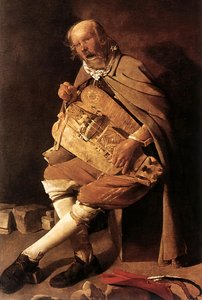
Georges de la Tour’s “The Beggars’ Brawl,” painted in 1620, isn't merely a depiction of a street scene; it’s a meticulously crafted exploration of human nature bathed in the dramatic chiaroscuro that defined his signature style. This intimate canvas, measuring just 33 x 55 cm, transports us to a dimly lit corner of 17th-century Lorraine, a world where poverty and desperation simmer beneath a veneer of uneasy truce. The painting immediately arrests the eye with its masterful use of light – a single, almost theatrical lantern illuminating the central figures while plunging the surrounding space into deep shadow. This technique, characteristic of Tenebrism, isn’t simply an aesthetic choice; it serves to heighten the drama and focus our attention on the intense interaction unfolding before us.

The Beggars' Brawl by Georges de la Tour

A Study in Human Condition: Symbolism and Narrative

At the heart of the scene stands a man, identifiable by his prominent beard and animated gestures, holding what appears to be an object – perhaps a coin or a piece of food – that fuels the dispute. His face is etched with a mixture of anger and desperation, mirroring the expressions of those around him. The other figures—a collection of beggars, their clothing ragged and worn—are caught in a moment of intense confrontation. The bowl on the right side of the painting isn’t just a prop; it suggests a shared hardship, a communal reliance on meager resources. It speaks to a society where survival was often precarious, and even the simplest interactions could escalate into conflict. The inclusion of a drum-beater further emphasizes the chaotic nature of the gathering – a signal for attention, perhaps a call to action or simply a desperate attempt to draw sympathy.

The Master’s Technique: Chiaroscuro and Baroque Realism

Georges de la Tour was a master of light and shadow, meticulously rendering textures and forms with an almost photographic realism. He achieved this through painstaking layering of thin glazes of oil paint, building up the image gradually to create a sense of depth and volume. Notice how he captures the sheen of wet clothing, the roughness of weathered skin, and the subtle folds in the fabric. His use of color is restrained – predominantly browns, ochres, and blacks—further enhancing the dramatic effect. De la Tour’s work represents a departure from the idealized representations common in earlier Renaissance art; instead, he presents a raw and unflinching portrayal of everyday life, capturing not just appearances but also the underlying emotions and tensions of his subjects.

Historical Context: Lorraine in Transition

“The Beggars’ Brawl” was painted during a period of significant social and political upheaval in France. The Duchy of Lorraine, then under French control, experienced a complex interplay of religious fervor, economic hardship, and political instability. De la Tour's work reflects this atmosphere, offering a glimpse into the lives of those marginalized by society – the poor, the dispossessed, and the forgotten. The painting’s setting in Lunévi, a small town within Lorraine, adds to its authenticity, grounding the scene in a specific time and place. It’s important to note that de la Tour's artistic career unfolded largely outside of Paris, allowing him to develop a distinct style influenced by both Northern European traditions (particularly the Dutch Caravaggisti) and the spiritual intensity of his own region.

Bringing ‘The Beggars’ Brawl’ Home: A Reproduction for Your Space

OriginalUniqueArt offers meticulously crafted hand-painted reproductions of “The Beggars’ Brawl,” allowing you to experience the power and beauty of de la Tour's masterpiece in your own home. Our skilled artists replicate every detail, from the subtle nuances of light and shadow to the expressive faces of the figures, ensuring an authentic representation of this iconic work. Available in a range of sizes and mediums – including fine art prints on premium canvas or archival paper – our reproductions provide a stunning addition to any collection. Explore our selection today and bring the drama and emotional depth of “The Beggars’ Brawl” into your space.

Korduvad küsimused

Millised on teose „The Beggars' Brawl“, autor Georges De La Tour proportsioonid ja millised on selle mõõdud?

Teose "The Beggars' Brawl" vorming on Panoramic ning originaali mõõdud on 33 x 55 cm. Mõlemad on kasulikud reproduktsiooni planeerimisel.

Kas teos "The Beggars' Brawl" on tüüpiline sellele, mida Georges De La Tour tavaliselt lõi?

Georges De La Tour korduvad teemad hõlmavad caravaggio’s dramatic light, religious dispute, social strife, lorraine’s turbulent history”, “darkness, piety, realism”, la tour's signature style”; teos "The Beggars' Brawl" keskendub beggars, brawl, conflict, shadow, light, disagreement, poverty, gathering.

Milline rahvuslik päritolu seisab teose "The Beggars' Brawl" Tenebrism taga?

Teos "The Beggars' Brawl" ühendab oma looja sünneloolise piirkonna ja Франція läbi Tenebrism suunaga.

More about this painting

Eelvaade AR-eelvaade Lülita trükkitoodetele Lülita digitaalse pildi juurde Saada
Teave teose kohta Juhend Lisa lemmikutesse Laadi alla Sarnased teosed Röntgenuuring Slaidietendus Q&A Statistika

In numbers

  • 1620the year it was painted
  • 29frames to choose from
  • standard sizes, in its own proportions
  • 5weeks to paint and deliver it
Georges De La Tour

Georges De La Tour

1593 - 1652, Франція

Quick facts about Georges De La Tour

  • Artistic Movement Or Style: Baroque, Tenebrism
  • Artists Who Influenced This Artist:
    • Caravaggio
    • Hendrick Terbrugghen
  • Date Of Birth: March 13, 1593
  • Date Of Death: Jan. 30, 1652
  • Full Name: Georges de La Tour
  • Nationality: French
  • Notable Artworks:
    • The Fortune Teller
    • Adoration of the Shepherds
    • Saint Joseph Carpenter
  • Place Of Birth: Vic-le-Comte, France

Kunstniku elulugu

Georges de La Tour (1593–1652): French Baroque Master of Dramatic Chiaroscuro & Tenebrism

Georges de La Tour, a name that resonates with the hushed reverence reserved for masters of light and shadow, remains one of the most compelling figures of the French Baroque. Born in 1593 in Vic-sur-Seille, Lorraine—a region caught between the Habsburg Empire and burgeoning French influence—his life unfolded against a backdrop of fervent religious conviction and turbulent political upheaval. While precise details surrounding his formative years remain elusive—scholars speculate about potential journeys to Italy or apprenticeships with local artists like Jacques Bellange—the seeds of his artistic vision were undeniably sown in this environment, nurtured by the prevailing cultural currents of his time.

Early Life & Artistic Influences

Georges de La Tour’s parents were Jean and Sybille de La Tour. Jean was a baker, while Sybille’s lineage hinted at noble connections—a subtle element perhaps reflected in the dignified composure that characterizes his oeuvre. Despite lacking formal artistic training as we understand it today, De La Tour absorbed influences from various sources, shaping his distinctive style. Notably, Caravaggio—the Florentine painter who revolutionized Baroque art with his visceral realism and emotionally charged compositions—served as a pivotal mentor. However, De La Tour didn’t merely emulate Caravaggio; he skillfully filtered Caravaggism through the lens of Dutch Caravaggisti—particularly those from Utrecht School—resulting in a style that was both powerfully dramatic and exquisitely restrained.

The Style of Dramatic Chiaroscuro

De La Tour's artistic hallmark is undoubtedly his masterful manipulation of chiaroscuro—the stark contrast between light and dark—a technique perfected by Caravaggio himself. Unlike many contemporaries who embraced flamboyant ornamentation and vibrant color palettes, De La Tour opted for a muted palette dominated by earthy tones—browns, ochres, and siennas—creating scenes imbued with an atmosphere of solemn contemplation. His early works demonstrate a heightened dynamism and vibrancy, reflecting the influence of Utrecht School painters who championed Caravaggism’s uncompromising realism.

Major Works & Recurring Themes

The centerpiece of De La Tour's artistic legacy is undoubtedly his series of candlelit interiors—scenes depicting biblical narratives illuminated by flickering candlelight. These paintings aren’t merely depictions of religious events; they are meditations on faith, doubt, and the human condition. Consider *The Fortune-Teller*, painted around 1630—a genre scene rendered with meticulous observation and arresting lighting—where a young boy is absorbed in an activity that speaks to the quiet dignity of everyday life. Similarly, *Adoration of the Shepherds*, created circa 1640, exemplifies De La Tour’s ability to infuse a traditional subject with profound emotional resonance. The figures are not idealized or heroic; they are ordinary people—humbled by the presence of divine grace—rendered with breathtaking subtlety and realism.

Rediscovery & Enduring Significance

Despite achieving recognition during his lifetime—he was appointed “Painter to the King” by Louis XIII in 1638—De La Tour’s work languished in obscurity for centuries, largely due to misattribution. It wasn't until the early 20th century that scholars like Hermann Voss spearheaded a concerted effort to reassess his oeuvre—revealing an artist of extraordinary originality and depth whose influence extended far beyond his own era. De La Tour’s innovative use of light and shadow—combined with his psychological insight into his subjects—continues to captivate audiences today, reminding us that even in the darkest recesses of human experience, there exists a glimmer of hope illuminated by faith and compassion. His legacy endures as a testament to the transformative power of artistic vision and the enduring beauty of simplicity.

Teave teose kohta

  • Notable elements: Chiaroscuro, drama
  • Artist: Georges de La Tour
  • Movement: Tenebrism
  • Artistic style: Baroque realism
  • Dimensions: 33 x 55 cm
  • Title: The Beggars' Brawl

Kunstiteaduse kvartett

Iga küsimuse kohta on ainult üks õige vastus.

Küsimus 1:
What is the primary subject depicted in ‘The Beggars’ Brawl’?
Küsimus 2:
Which artistic movement is most closely associated with Georges de la Tour’s style, as evidenced by ‘The Beggars’ Brawl’?
Küsimus 3:
Approximately when was ‘The Beggars’ Brawl’ painted?
Küsimus 4:
What is the likely purpose of the bowl present in the painting’s scene?
Küsimus 5:
The painting’s use of chiaroscuro (strong contrasts between light and dark) is most likely intended to: