Vaata sisu
 Jaga teost
 Jaga
Jaga
 Detailid
 Õppekate juhend

 Laadi alla
 Sarnased teosed
 Röntgenuuring
 Slaidietendus
 Statistika
St Jerome


 Loe lähemalt
Giclée / Kunstiprint
Muuseumikvaliteediga giclée- või kangasprint kiire tootmisega ja paindlikud viimistlusvõimalused. ( Telli käsitsi maalitud reproduktsioon Ülemineku digitaalse pildi müügi kanalisse)




P118B €10

P118H €10

P118W €10

P438Z €10

P508JH €12

P508YH €12

P805H €10

P805Z €10

P919BZ €10

P919G €10

P919XJ €10

P959ZH €10

P968JZ €12

W106C €8

W218G €10

W218JH €8

W218Y €10

W307PJ €10

W316G €10

W316PJ €8

W316Y €10

W398PJ €8

W4111J €10

W500HY €15

W500JH €15

W692G €12

W849H €8

W940BG €15

W953PJ €8




Vali meie eelmääratud suurused, mis vastavad teose algupärastele proportsioonidele.

Sisestage vajalik laius ja kõrgus, et see sobiks teie raamile või seinale. Trükki saab ainult lõigata, seda ei saa kunagi pildist suuremaks teha, seega ka differentse vormiga suurus kaotab osa pildist. Enne trükkimist saadame teile kinnitamiseks digitaalse näidisprojektsiooni. Sellel lehel näidatud pilt ei kujuta reaalset lõiget — seda näitab ainult näidisprojekttsioon.
Ülemaailmne tarne () 2 nädala jooksul, tavalise 4/5 nädala asemel. (22 oktoober)

Tasuta ekspresssaatmine üle maailma

Kõrgekvaliteediline lina-kangastest muld

Täielik transpordikindlustus

Tollimaksude tagastamise garantii

Värvitoime täpsuse garantii

100 päeva tagastusõigus (ainult defektide korral)

100% raha tagasi garantii

Hulgusoodustus
 Klaasivalik on saadaval ainult kuni 110 cm suuruses teostes

St Jerome
Giclée / Kunstiprint
Reproduktsiooni mõõtmed
-


Lõppsumma
€ 70
A Meditation on Faith: Exploring Georges de La Tour’s “St Jerome”
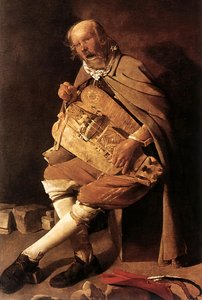
The painting "St Jerome" by Georges de la Tour, completed in 1630, transcends mere depiction; it embodies a profound spiritual contemplation captured within the masterful manipulation of light and shadow—a hallmark of the artist's distinctive Baroque style. More than just a portrait of Saint Jerome, the hermit ascetic, De La Tour’s work delves into the very essence of piety and inner devotion, inviting viewers to participate in a silent dialogue with faith itself.- Subject Matter & Composition: The central figure—Jerome—kneels before a table laden with books, illuminated by a single candle flame that casts dramatic shadows across his face and garments. This deliberate arrangement isn’t accidental; it underscores the importance of introspection and prayer as pathways to spiritual enlightenment. Jerome's posture exudes humility and seriousness, conveying a palpable sense of solitude amidst intellectual pursuits.
- Style & Technique: De La Tour’s technique is characterized by tenebrism—a radical departure from Renaissance chiaroscuro—where intense contrasts between light and darkness dominate the canvas. This dramatic effect isn't merely stylistic; it serves a theological purpose, symbolizing God’s divine illumination piercing through the darkness of human imperfection. The artist meticulously renders textures with painstaking detail, capturing the folds of Jerome’s robe and the worn surface of the books to heighten realism.
Historical Context: Baroque Piety and Artistic Innovation
Painted during the height of the Catholic Counter-Reformation, “St Jerome” reflects the fervent religious fervor of its time. The Baroque period witnessed a renewed emphasis on emotion and dramatic expression—a reaction against the perceived intellectual dryness of earlier artistic movements. De La Tour’s work aligns perfectly with this trend, aiming to inspire piety and evoke spiritual awe in the viewer. Furthermore, he stands as one of the foremost practitioners of tenebrism, pushing the boundaries of artistic convention and establishing a precedent for future generations.- Symbolism: The candle flame represents divine grace—the guiding light illuminating Jerome’s soul—while the books symbolize knowledge and contemplation. Jerome's gaze is directed upwards, suggesting an aspiration towards God and highlighting the importance of spiritual reflection. The muted colors contribute to the overall atmosphere of solemnity and reverence.
- Emotional Impact: Viewing “St Jerome” evokes a feeling of quiet melancholy mingled with profound serenity. De La Tour’s masterful use of light and shadow compels contemplation, prompting viewers to consider themes of faith, humility, and inner peace. It's an image designed not merely to observe but to experience—a testament to the artist’s ability to translate spiritual concepts into visual form.
A Legacy Enduring Through Reproduction
Today, reproductions of “St Jerome” grace homes and galleries worldwide. OriginalUniqueArt.com offers exceptional quality prints that faithfully capture De La Tour's luminous artistry, allowing collectors and interior designers alike to appreciate the enduring beauty and spiritual depth of this iconic Baroque masterpiece. Bringing this evocative image into your space is an invitation to engage in a timeless dialogue with faith—a connection forged centuries ago by one of art history’s most visionary artists.Küsimused ja vastused
Kas teos „St Jerome“, autor Georges De La Tour kuulub avalikku omandisse?
Autoriõiguse teave teose „St Jerome“, autor Georges De La Tour kohta: teos kuulub luba ala avalikus õiguses – selle autoriõigud onหมดunud. See määrab, kas kujundist on lubatud vabadelt reproduktsioone teha.
Millises suuruses ja mille suunaga on "St Jerome" trükkimist soovitatav teha?
Teose „St Jerome“, autor Georges De La Tour trükkimiseks on soovitatav kasutada suurust Large ja orientatsiooni Portrait.
Kas „St Jerome“, autor Georges De La Tour kuulub nõutudud Baroque teostega?
Teos „St Jerome“, autor Georges De La Tour on klassifitseeritud tasemele Recognized ning kuulub Baroque suunasse.
Kunstniku elulugu
Georges de La Tour (1593–1652): French Baroque Master of Dramatic Chiaroscuro & Tenebrism
Georges de La Tour, a name that resonates with the hushed reverence reserved for masters of light and shadow, remains one of the most compelling figures of the French Baroque. Born in 1593 in Vic-sur-Seille, Lorraine—a region caught between the Habsburg Empire and burgeoning French influence—his life unfolded against a backdrop of fervent religious conviction and turbulent political upheaval. While precise details surrounding his formative years remain elusive—scholars speculate about potential journeys to Italy or apprenticeships with local artists like Jacques Bellange—the seeds of his artistic vision were undeniably sown in this environment, nurtured by the prevailing cultural currents of his time.
Early Life & Artistic Influences
Georges de La Tour’s parents were Jean and Sybille de La Tour. Jean was a baker, while Sybille’s lineage hinted at noble connections—a subtle element perhaps reflected in the dignified composure that characterizes his oeuvre. Despite lacking formal artistic training as we understand it today, De La Tour absorbed influences from various sources, shaping his distinctive style. Notably, Caravaggio—the Florentine painter who revolutionized Baroque art with his visceral realism and emotionally charged compositions—served as a pivotal mentor. However, De La Tour didn’t merely emulate Caravaggio; he skillfully filtered Caravaggism through the lens of Dutch Caravaggisti—particularly those from Utrecht School—resulting in a style that was both powerfully dramatic and exquisitely restrained.
The Style of Dramatic Chiaroscuro
De La Tour's artistic hallmark is undoubtedly his masterful manipulation of chiaroscuro—the stark contrast between light and dark—a technique perfected by Caravaggio himself. Unlike many contemporaries who embraced flamboyant ornamentation and vibrant color palettes, De La Tour opted for a muted palette dominated by earthy tones—browns, ochres, and siennas—creating scenes imbued with an atmosphere of solemn contemplation. His early works demonstrate a heightened dynamism and vibrancy, reflecting the influence of Utrecht School painters who championed Caravaggism’s uncompromising realism.
Major Works & Recurring Themes
The centerpiece of De La Tour's artistic legacy is undoubtedly his series of candlelit interiors—scenes depicting biblical narratives illuminated by flickering candlelight. These paintings aren’t merely depictions of religious events; they are meditations on faith, doubt, and the human condition. Consider *The Fortune-Teller*, painted around 1630—a genre scene rendered with meticulous observation and arresting lighting—where a young boy is absorbed in an activity that speaks to the quiet dignity of everyday life. Similarly, *Adoration of the Shepherds*, created circa 1640, exemplifies De La Tour’s ability to infuse a traditional subject with profound emotional resonance. The figures are not idealized or heroic; they are ordinary people—humbled by the presence of divine grace—rendered with breathtaking subtlety and realism.
Rediscovery & Enduring Significance
Despite achieving recognition during his lifetime—he was appointed “Painter to the King” by Louis XIII in 1638—De La Tour’s work languished in obscurity for centuries, largely due to misattribution. It wasn't until the early 20th century that scholars like Hermann Voss spearheaded a concerted effort to reassess his oeuvre—revealing an artist of extraordinary originality and depth whose influence extended far beyond his own era. De La Tour’s innovative use of light and shadow—combined with his psychological insight into his subjects—continues to captivate audiences today, reminding us that even in the darkest recesses of human experience, there exists a glimmer of hope illuminated by faith and compassion. His legacy endures as a testament to the transformative power of artistic vision and the enduring beauty of simplicity.

Georges De La Tour
1593 - 1652 , Франція
Lühikest infot
- Artistic Movement Or Style: Baroque, Tenebrism
- Artists Who Influenced This Artist:
- Caravaggio
- Hendrick Terbrugghen
- Date Of Birth: March 13, 1593
- Date Of Death: Jan. 30, 1652
- Full Name: Georges de La Tour
- Nationality: French
- Notable Artworks:
- The Fortune Teller
- Adoration of the Shepherds
- Saint Joseph Carpenter
- Place Of Birth: Vic-le-Comte, France