Cubist Fauvism
tenora (Georges Braque)
Georges Braque (1882–1963) on loonud teose tenora. See kuulub Cubist Fauvism suuntrime. Teos on valmistatud materjalist Mixed Media.
- Mixed Media

 Eelvaade

 Käsitsi maalatud õlimaalatsioon
 Saada
 Jaga
 Teave teose kohta


 Laadi alla
 Sarnased teosed
 Röntgenuuring
 Slaidietendus
 KÜSIMUSED JA VASTUSID

 Statistika
tenora lühidalt
- Pealkiri
- tenora
- Kunstnik
- Georges Braque (1882–1963)
- Kunstnik on sündinud
- Argenteuil, Prantsusmaa
- Tehnika
- Mixed Media
- Suunad
- Cubist Fauvism
- Aeglkond
- Modern
- Teema
- painting, paper, frame, texture, composition, abstraction
Mida tenora kujutab?
A Symphony of Texture and Silence
In the quiet realm of Georges Braque’s "Tenora," we encounter a masterpiece that defies the immediate expectations of the eye. At first glance, the composition presents a deceptive simplicity, a monochrome meditation that seems to strip away the distractions of the physical world. Yet, beneath this austere surface lies a profound exploration of texture and presence. The work functions as a tactile landscape, where the absence of vibrant color allows the viewer to focus entirely on the rhythmic dance of light across heavy, sculptural brushstrokes. It is an invitation to slow down, to move past the superficial, and to engage with the very materiality of paint itself. For the discerning collector or interior designer, this piece offers a sophisticated anchor—a work of quiet intensity that commands attention through its subtle complexity rather than through loud, competing hues.
The technique employed in "Tenora" is nothing short of visceral. Braque utilizes a thick impasto, applying layers of pigment so substantial that they create palpable ridges and valleys upon the canvas. This method transforms the painting from a mere two-dimensional image into a three-dimensional object, where shadows are cast by the paint itself. This interplay of light and shadow is further heightened by the artist's mastery of grayscale, creating a range of tones that feel both weighty and ethereal. The surface becomes a topographical map of the artist's creative struggle, capturing the energy of every stroke and the deliberate placement of every layer. Such textural depth makes a high-quality reproduction particularly rewarding, as it allows the play of ambient light in a room to interact with the simulated relief of the brushwork.
The Echoes of Fauvism and the Birth of Modernity
To understand "Tenora," one must look back to the radical shifts occurring in the French avant-garde at the turn of the 20th century. While Braque would later become a titan of Cubism, this work resonates with the lingering spirit of Fauvism. During this era, artists sought to liberate color from its descriptive duties, using it instead as a direct conduit for emotion. In "Tenora," even within a restricted palette, we feel that same expressive rebellion. The painting does not seek to mirror a recognizable object with photographic accuracy; rather, it seeks to capture the essence of a moment. There is a historical weight to this piece, as it sits at the crossroads of tradition and revolution, embodying the transition from the atmospheric preoccupations of Impressionism to the structural, intellectual rigor of the modern age.
The title itself, referencing the tenora—a traditional Catalan woodwind instrument—adds a layer of haunting symbolism. Though the instrument may not be explicitly rendered in a naturalistic fashion, its presence is felt through the rhythmic, melodic quality of the composition. The painting becomes a visual music, where the thick strokes act as notes and the tonal shifts serve as crescendos and decrescendos. This connection to folk tradition and auditory sensation imbues the work with a soulful, human element that balances its intellectual complexity. For those looking to infuse a space with culture and depth, "Tenora" provides more than just decoration; it offers a window into a pivotal moment of human expression, making it an enduring choice for any curated collection.
tenora kõrge resolutsiooniga pildid

Protected by copyright: these files are for personal reference, not a licence to republish.
Georges Braque, tenora.
Küsimused teemal tenora – vastused
Millises materjalis on teos „tenora“, autor Georges Braque valmistatud?
Teose „tenora“, autor Georges Braque materjal on Mixed Media. Reproduktsioonide eesmärk on jälitada selle tehnika välimust.
Millised teemad teoses „tenora“, autor Georges Braque esile tõelve?
Teemad, mis teoses „tenora“, autor Georges Braque esinevad, hõlmavad painting, paper, frame, texture, composition, abstraction, geometric. Koos need kokkuvõtavad teose sisu.
Kas teos „tenora“, autor Georges Braque kuulub avalikku omandisse?
Teos „tenora“, autor Georges Braque on lubaõiguslikult on endiselt autoriõiguse all under kaitse. See staatus reguleerib teose pildi reprodüseerimise võimalusi.
Millisele kunstnikule on teos "tenora" atribuutseeritud?
Teose "tenora" looja on Georges Braque. Teos on kataloogitud nime Georges Braque all.
Millisse kunstisuuna kuulub teos „tenora“, autor Georges Braque?
Teos „tenora“, autor Georges Braque kuulub Cubist Fauvism suunasse. See suund annab teosele stilistilise konteksti.
Millist etap Georges Braque loomingus teos "tenora" esindab?
Teos "tenora" esindab kunstniku Georges Braque loovperioodi Mature Period.
Miks on teose "tenora" autoriõiguste staatus selline, nagu see on?
Teose "tenora" autoriõiguste staatus - on endiselt autoriõiguse all under kaitse - tuleneb kunstniku surma aastast 1963.
Milliseid ühiseid elemente jagab teos "tenora" Georges Braque muud loominguga?
Georges Braque loomingus on teos "tenora", mis kuulub Cubist Fauvism stiili ja kordub teemad nagu fauvist expressionism, formal experimentation, analytical cubism, avant-garde tradition, iconic representation.
Kust kohalt Georges Braque korduvad teemad teoses "tenora" ilmumisel?
"tenora" kujutab teemasid painting, paper, frame, texture, composition, abstraction, geometric, samal ajal kui Georges Braque tuntud teemad on fauvist expressionism, formal experimentation, analytical cubism, avant-garde tradition, iconic representation. Nende kahe võrdlemine näitab, kuidas teos seobub kunstniku tavalistega motiividega.
Kunstnikust, Georges Braque
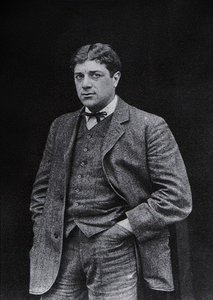
1882–1963, Prantsusmaa
Georges Braque
Varajärgi ja kunstiline alus Georges Braque, kes sündis 1882. aastal Prantsusmaal Argenteuilis, astus ette teele, mis oli sügavalt seotud moderniseeruva kunstimaastikuga. Tema kasvupõlved majaülesehajatest ja dekoratoridest pärines enough tehniline meisterlikkus materjalide suhtes, kuid ka varajane arusaatus vormist ja struktuurist. Kuigi alguses järgnes ta oma isa kutsetööle, viisid Braque loomulikud kunstilised kalduseid teda kiiresti Le Havre'i École des Beaux-Arts koolituse juurde, tähistades algust teekonnal, mille lõpus sai temast üks 20.
Teel Georges Braque kohta Georges Braque silmapaistvad teosed
Ka Georges Braque teosed
 Mandola1910
 Mees kitarriga1914
 Majad L'estaque'is
 Pargi Põhjamaal1909
Essee teemadel tenora
 Quietude on Canvas: Examining Serenity in Classical LandscapesExplore how masters like Dürer and Corot capture profound stillness through landscape. Discover the art of visual tranquility today.
 Georges Braque: 25 meistriteost, mis muutsid kunsti – OriginalUniqueArt.comAvastage Georges Braque 25 ikoonilist teost! Sukeldu kubismi maailma, modernse kunsti geomeetrilistesse vormidesse ja värvikates maalidess.…
 Georges Braque: The Architect of Form and the Soul of Cubist RevolutionExplore the profound legacy of Georges Braque, a master of Cubism. Discover how his technical craftsmanship and collaboration with Picasso …