
 Eelvaade
 Saada
Saada Jaga
Jaga
 Teave teose kohta
 Juhend

 Laadi alla
 Sarnased teosed
 Röntgenuuring
 Slaidietendus
 KÜSIMUSED JA VASTUSID
 Statistika
Monhegan Island


 Loe lähemalt
Giclée / Kunstiprint
Muuseumikvaliteediga giclée- või kangasprint kiire tootmisega ja paindlikud viimistlusvõimalused. ( Osta käsitsi maalatud teos Lülita digitaalse pildi juurde)




P118B €10

P118H €10

P118W €10

P438Z €10

P508JH €12

P508YH €12

P805H €10

P805Z €10

P919BZ €10

P919G €10

P919XJ €10

P959ZH €10

P968JZ €12

W106C €8

W218G €10

W218JH €8

W218Y €10

W307PJ €10

W316G €10

W316PJ €8

W316Y €10

W398PJ €8

W4111J €10

W500HY €15

W500JH €15

W692G €12

W849H €8

W940BG €15

W953PJ €8




Vali meie eelmääratud suurused, mis vastavad teose algupärastele proportsioonidele.

Sisestage vajalik laius ja kõrgus, et see sobiks teie raamile või seinale. Trükki saab ainult lõigata, seda ei saa kunagi pildist suuremaks teha, seega ka erineva mustega suurus kaotab osa pildist. Enne trükkimist saadame teile kinnitamiseks digitaalse näidisprojektsiooni. Sellel lehel näidatud pilt ei kujuta reaalset lõiget — seda näitab ainult näidisprojektsioon.
Ülemaailmne tarne () 2 nädala jooksul, tavalise 4/5 nädala asemel. (3 november)

Tasuta ekspresssaatmine üle maailma

Kõrgekvaliteediline lina-kangas

Täielik transpordikindlustus

Tollimaksude tagastamise garantii

Värvitoime täpsuse garantii

100 päeva tagastusõigus (ainult valmistusdefektide korral)

100% raha tagasi garantii

Hulgusoodustus
 Klaasivalik on saadaval ainult kuni 110 cm suuruses teostes

Monhegan Island
Giclée / Kunstiprint
Reproduktsiooni suurus
-


Koguhind
€ 72
A Storm’s Embrace: Bellows' Monhegan Island
George Wesley Bellows’ “Monhegan Island,” painted in 1913, isn’t merely a depiction of a coastal scene; it’s a visceral embodiment of the raw energy and untamed spirit of early 20th-century America. This evocative work captures a dramatic seascape – a churning ocean relentlessly assaulting jagged, red-streaked rocks – yet within this turbulent exterior lies a profound sense of quiet observation and understated power. Bellows, a key figure in the Ashcan School movement, eschewed idealized landscapes for the gritty realities of urban life, but his ability to translate that sensibility to the natural world is strikingly evident here. The painting’s strength resides not just in its technical mastery, but in its capacity to evoke a deeply felt connection to the elemental forces of nature and the human experience within them.The Painter's Hand: Technique and Style
Bellows employed a distinctive technique characterized by bold brushstrokes and a vibrant, almost frenetic energy. The paint is applied with thick impasto in areas like the crashing waves and the textured rocks, creating a palpable sense of movement and volume. Notice how he uses short, choppy strokes to convey the relentless motion of the water, contrasted with broader, more fluid marks for the sky and distant coastline. This dynamic approach reflects Bellows’ interest in capturing not just what *looked* like a seascape, but also *how* it felt – the power, the chaos, and ultimately, the sublime beauty of the ocean's embrace. The color palette is dominated by cool blues and greens, punctuated by flashes of fiery orange and red within the rocks, creating a dramatic interplay of light and shadow that intensifies the scene’s emotional impact. The composition itself is carefully constructed, drawing the eye towards the tumultuous center while maintaining a sense of balance and perspective.Monhegan: A Haven for Artists
To fully appreciate “Monhegan Island,” it's crucial to understand its historical context. In 1913, Monhegan Island off the coast of Maine was experiencing a remarkable artistic renaissance. Drawn by the island’s dramatic landscape and isolation, artists like Rockwell Kent, Edward Hopper, and, of course, Bellows, flocked to its shores seeking inspiration. This period saw Monhegan transform into a vibrant community of painters, writers, and naturalists, fostering an atmosphere of creative exchange and experimentation. The island's rugged beauty, combined with the relative seclusion from the pressures of urban life, provided a unique environment for artists to explore their ideas and develop their individual styles. Bellows’ painting is therefore not just a personal statement; it’s also a reflection of this broader artistic movement and the transformative power of place.Symbolism and Emotional Resonance
Beyond its technical brilliance, “Monhegan Island” resonates with deeper symbolic meaning. The turbulent sea can be interpreted as representing the challenges and uncertainties of life, while the steadfast rocks symbolize resilience and endurance. The interplay between light and shadow suggests a constant struggle between hope and despair, beauty and destruction. The small boat in the distance hints at human presence within this vast, indifferent landscape – a reminder of our vulnerability and our connection to the natural world. Bellows masterfully captures not just a visual scene but also a complex emotional state, inviting viewers to contemplate their own relationship with nature, life, and the enduring power of the human spirit. The painting’s raw energy and dramatic intensity evoke a sense of awe and wonder, prompting us to consider the sublime beauty that can be found even in the face of chaos.Reproductions and Display
High-quality reproductions of “Monhegan Island” capture much of the original's power, offering an accessible way to bring this iconic work into any setting. When displayed, consider framing options that complement the painting’s dramatic palette – a dark wood frame can enhance the sense of depth and intensity, while a lighter tone might allow the colors to shine through more vividly. This piece would be particularly striking in a coastal-themed room or an interior space seeking to evoke a feeling of rugged beauty and timelessness.Korduvad küsimused
Kas teost „Monhegan Island“, autor George Wesley Bellows hoiustatakse kunstniku kodumaal?
Ei – teos asub välismaal. George Wesley Bellows sünnimaa on Ameerika Ühendriigid ning teose "Monhegan Island" originaali hoiab endas muuseum, mis asub riigis Ameerika Ühendd Riik.
Kuidas seda teost „Monhegan Island“, autor George Wesley Bellows saab kasutada kodukujunduses?
Teose „Monhegan Island“, autor George Wesley Bellows kohta on esitatud kaks soovitust: kasutus (Reflective) ja ruum (Living Room).
Kuidas saan hankida teose „Monhegan Island“, autor George Wesley Bellows digitaalse faili?
Teose "Monhegan Island" digitaalset versiooni saab tellida kui kõrge resolutsiooniga digitaalse pildi allalaadimine, ostes seda otse sellelt lehelt Digitaalne kunstiteos.
Kunstniku elulugu
Varajane Elu ja Kunsti Kutsumus
George Wesley Bellows, sündinud 12. või 19. augustil 1882. aastal Columbuses, Ohios, kujunes varakult oluliseks figuuriks 20. sajandi alguse ameerika realistlikus maalikunstis. Tema tee sportlase lootustest kunstilise kuulsuse poole on tunnistuseks kirgluse ja pühendumise jõule. Juba formaalse koolihariduse eel avaldas noor George loovutavat annet joonistamisele, täites vihikuid visanditega, mis vihjasid terava tähelepanu ja areneneva oskuse olemasolule. Tema kasvatus ei keskendunud pelgalt kunstile; ta paistis silma spordis, mängides nii pesapalli kui korvpalli Ohio State’i ülikoolis – dualiteet, mis mõjutas sügavalt tema kunstilist vaatenurka, andes tema töödele dünaamilise liikumise ja füüsilisuse tunde. See sportlik taust andis talle mitte ainult distsipliini, vaid ka hindamise inimkehast tegevuses – teema, mis sai tema kuulsaimate maalide keskpunktiks. Ta lahkus ülikoolist vahetult enne lõpetamist, juhitud vastupandamatuks tõmbe New Yorki linna ja kunstihariduse lubadusele.Ashcani Koolkond ja Isikliku Hääle Otsingud
1904. aastal saabudes leidis Bellows kiiresti mentori Robert Henri isikus, kes oli Ashcani koolkonna juhtiv tegelane. See kunstnike grupp – sealhulgas John Sloan, William Glackens ja George Luks – pöördus tahtlikult akadeemilistest konventsioonidest eemale, valides selle asemel kujutada linnaelu karmis reaalsuses: rahvarohkeid elamuid, kihavat tänavapilti ja tavaliste ameeriklaste igapäevast võitlust. Bellows omaks Ashcani eetost terviklikult, peegeldades algselt Henri lahtist pintslimaali ja sotsiaalse realismi pühendumust. Ta ei olnud aga rahul pelgalt õpetaja stiili kordamisega; tal oli ambitsioon luua oma eriline kunstiliste väljendusviis. 1906. aastal asutas ta koos kaasartist Edward Keefega stuudio, mis tähistas viljakat perioodi eksperimenteerimise ja kasvu algust. Tema varased teosed, näiteks need, mida eksponeeriti 1908. aastal, said vastuolulisi reaktsioone – mõned kriitikud leidsid need toored, samal ajal kui teised tunnistasid nende julget vaprust ja uuenduslikku vaimu. Bellowsi teemad olid sageli oma aja jaoks vastuolulised, väljakutsuvad valdavatele arusaamadele sellest, mis moodustas “vastuvõetava” kunsti. Ta ei kartnud kujutada linnaelu vähem glamuurseid aspekte, tabades vaesuse, töö ja vabaaja stseene kompromissitu aususega.Elu Aren: Poks ja Linnaspetsifika
Kuigi Bellowsi loomingu hulka kuulus lai valik teemasid – portreed, maastikud, meremaalid – on ta ehk kõige tuntum võimsa poksimatšide kujutiste poolest. Need ei olnud tema jaoks pelgalt spordisündmused; need olid inimliku draama mikrokosmosed, kehastades teemasid võitlust, vastupidavust ja primaarseid instinkte, mis juhivad konkurentsi. Ta külastas suitsuseid poksiklubisid, uurides hoolikalt võitlejate liigutusi, nende pilgu intensiivsust ja rahva toorest energiat. Maalid nagu *Both Members of This Club* (1909) ja *Stag at Sharkey’s* (1909) on meisterlikud näited tema võimest tabada seda atmosfääri, kasutades dramaatilist valgustust, dünaamilisi kompositsioone ja käpalpset pingetunnet. Poksisseenid ei olnud lihtsalt spordist; need olid metafoorid elu lahingute eest, peegeldades sotsiaalset darvinismi, mis valitses ameerika ühiskonnas sel ajal. Lisaks poksile leidis Bellows inspiratsiooni ka teistest linnaelu spektaklites – paraadid, tsirkused ja rahvarohked tänavad – pakkudes kõik võimalusi uurida liikumise, energia ja kollektiivse kogemuse teemasid.Evolueeruv Stiil ja Püsiv Pärand
Kui Bellows küpses kunstnikuna, läbis tema stiil peent aga olulist evolutsiooni. Kuigi ta säilitas oma pühendumise realismile, hakkas ta liikuma eemale varajaste aastate lahtisest pintslimaalist, omaksides stiliseeritud esteetika, mida iseloomustavad siledad jooned, monumentaalsed vormid ja suurenenud dramaatilisus. See muutus on näha hilisemates töödes nagu *Dempsey and Firpo* (1924), monumentaalne lõuend, mis tabab legendaarse poksimatši kulminatsioonimomenti hingekineva intensiivsusega. Ta eksperimenteeris ka litograafiaga, luues silmapaistvate trükiste sarja, mis demonstreeris tema meisterlikkust joone ja tooni alal. Saavutades eluaegse märkimisväärse edu – sealhulgas valimisel Rahvusliku Kujutava Kunsti Akadeemiasse 1913. aastal – jäi Bellows pühendunuks kunstiliste piiride nihkumisele ja konventsionaalsete normide väljakutsuvale. Tema enneaegne surm 1925. aastal 42-aastaselt katkestas paljulubava karjääri, kuid tema pärand jääb üheks Ameerika olulisemaks realistlikuks maalikunstnikuks. *Ta jättis maha teosekogumi, mis jätkab publiku kõnet tänapäeval*, pakkudes võimsa ja kompromissitu portree ameerika elust 20. sajandi alguses – maailmast, mis on täis energiat, konflikti ja inimvaimu kestvat vaimu. Tema mõju on näha järgnevates kunstnike põlvedes, kes otsisid kaasaegse linnaelu dünaamika ja keerukuse tabamist. George Bellows ei maalinud pelgalt pilte; ta dokumenteeris ajastut.Peamised Teosed & Tunnustamine
- *Both Members of This Club* (1909) – Oluline teos, mis tabab poksiklubi atmosfääri.
- *Stag at Sharkey’s* (1909) – Veel üks ikooniline poksimatši kujutus, tuntud dramaatilise valgustuse ja kompositsiooni poolest.
- *Men of the Docks* (1912) – Võimas töö klassitöötajate kujutamisest, mis demonstreerib Bellowsi oskust tabada füüsilisust ja tekstuuri.
- *The Germans Arrive* (1918) – Litograafiaseeria, mis kujutab Esimese maailmasõja julmusi, näidates tema seotust sotsiaalsete ja poliitiliste probleemidega.
- *Dempsey and Firpo* (1924) – Monumentaalne lõuend, mis tabab poksimatši ajaloolist momenti, demonstreerides Bellowsi arenenud stiili ja kompositsioonimeisterlikkust.
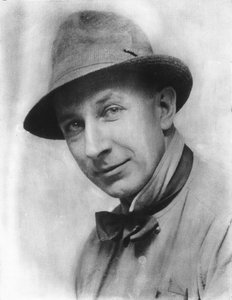
George Wesley Bellows
1882 - 1925 , Ameerika Ühendriigid
Lühikest infot
- Artistic Movement Or Style: Ashcan School, Realism
- Artists Who Influenced This Artist: ['Robert Henri']
- Date Of Birth: 1882
- Date Of Death: 1925
- Full Name: George Wesley Bellows
- Nationality: Ameeriklaste rahvus
- Notable Artworks (List Of Titles):
- Central Park
- The Germans Arrive
- Men of the Docks
- Place Of Birth (City And Country): Columbus, USA
Sarnased artiklid

Evoking Nature's Sublime: A Comprehensive Exploration of 19th-Century Landscape Painting
Explore the captivating world of 19th-century landscape painting! Discover renowned artists like Friedrich & Monet, key movements, and find the perfect artwork to bring nature's serenity into your home. Expert insights at OriginalUniqueArt.

Evocations of Place: A Historical Journey Through Landscape Art
Explore the rich history of landscape art with OriginalUniqueArt. Discover renowned artists, movements like Impressionism & tonalism, and expert guidance for collecting timeless pieces. Find your perfect serene escape today!

Romantilise Maastikukunsti 10 Meisterteost: Kunstiteosed Koduks OriginalUniqueArt.com'ist
Avastage 10 romantilise maastikukunsti meistriteost! Tutvuge Caspar David Friedrichi, J.M.W. Turneri ja teiste suurte kunstnike loominguga OriginalUniqueArt.com-is. Leidke täiuslik õlimaal või reproduktsioon koduks – inspireeriv kollektsioon ootab!

John Constable: 25 Suurimat Teost Inglise Maastikumaali Tippu
Avastage John Constable'i 25 suurimat teost! Sukeldu inglise maastikumaali romantismisse, imetlege Dedham Vale ilu ja leia inspiratsiooni kodukaunistuseks. Kvaliteetsed kunstireprodutsioonid OriginalUniqueArt.com-is. Vaata kohe!

Evocations of Place: A Historical Journey Through Landscape Art
Explore the rich history of landscape art with OriginalUniqueArt. Discover renowned artists, movements like Impressionism & Romanticism, and expert guidance for collecting timeless pieces. Find your perfect serene escape today!
