

 Vaata sisu
 Jaga teost
 Jaga
Jaga
 Detailid
 Õppekate juhend

 Laadi alla
 Sarnased teosed
 Röntgenuuring
 Slaidietendus
 Statistika
The Fall of Phaëton
 Oil On Canvas
- WallArt
- Romanticism
 1777
1777 97.0 x 122.0 cm
 National Trust
 Loe lähemalt
Giclée / Kunstiprint
Muuseumikvaliteediga giclée- või kangasprint kiire tootmisega ja paindlikud viimistlusvõimalused. ( Telli käsitsi maalitud reproduktsioon Ülemineku digitaalse pildi müügi kanalisse)




P118B €10

P118H €10

P118W €10

P438Z €10

P508JH €12

P508YH €12

P805H €10

P805Z €10

P919BZ €10

P919G €10

P919XJ €10

P959ZH €10

P968JZ €12

W106C €8

W218G €10

W218JH €8

W218Y €10

W307PJ €10

W316G €10

W316PJ €8

W316Y €10

W398PJ €8

W4111J €10

W500HY €15

W500JH €15

W692G €12

W849H €8

W940BG €15

W953PJ €8




Vali meie eelmääratud suurused, mis vastavad teose algupärastele proportsioonidele.

Sisestage vajalik laius ja kõrgus, et see sobiks teie raamile või seinale. Trükki saab ainult lõigata, seda ei saa kunagi pildist suuremaks teha, seega ka differentse vormiga suurus kaotab osa pildist. Enne trükkimist saadame teile kinnitamiseks digitaalse näidisprojektsiooni. Sellel lehel näidatud pilt ei kujuta reaalset lõiget — seda näitab ainult näidisprojekttsioon.
Ülemaailmne tarne () 2 nädala jooksul, tavalise 4/5 nädala asemel. (25 oktoober)

Tasuta ekspresssaatmine üle maailma

Kõrgekvaliteediline lina-kangastest muld

Täielik transpordikindlustus

Tollimaksude tagastamise garantii

Värvitoime täpsuse garantii

100 päeva tagastusõigus (ainult defektide korral)

100% raha tagasi garantii

Hulgusoodustus
 Klaasivalik on saadaval ainult kuni 110 cm suuruses teostes

The Fall of Phaëton
Giclée / Kunstiprint
Reproduktsiooni mõõtmed
-


Lõppsumma
€ 70
A Collision of Myth and Mastery: Unveiling George Stubbs’s ‘The Fall of Phaëton’
George Stubbs's “The Fall of Phaëton,” painted in 1777, isn’t merely a depiction of a Greek myth; it’s a visceral experience. This monumental canvas, now residing within the National Trust at Saltram, transcends its narrative origins to become a profound meditation on power, destruction, and the sublime beauty of chaos. Stubbs, a revolutionary figure in 18th-century art, deliberately eschewed the idealized forms favored by his contemporaries, instead opting for an anatomical realism that bordered on the unsettling, particularly when applied to subjects as grand and terrifying as the sun god’s son attempting to wrest control from his father.
The scene unfolds with breathtaking dynamism. Phaeton, a young man consumed by ambition and perhaps hubris, is shown at the apex of his disastrous journey – driving the chariot of the sun across the heavens. His face, contorted in panic and exertion, reflects the impending doom that threatens to engulf him and all beneath. The horses themselves are rendered with astonishing detail, their muscular forms straining against the reins, each a testament to Stubbs’s meticulous study of equine anatomy. The composition is dominated by diagonals – the sweeping arc of the chariot, the downward plunge of the thunderbolts, and the frantic movement of the steeds – creating a sense of relentless forward momentum that pulls the viewer directly into the heart of the drama.
Anatomy as Revelation: Stubbs’s Scientific Approach
Stubbs's commitment to anatomical accuracy was legendary. His fascination with the inner workings of animals, fueled by his time dissecting horses at York County Hospital, informed every brushstroke. “The Fall of Phaëton” is a prime example of this approach; Stubbs didn’t simply paint a horse; he painted its very essence – the sinews beneath the skin, the skeletal structure supporting the musculature, and the intricate network of veins pulsing with life. This dedication to realism was considered radical at the time, challenging the prevailing artistic conventions that prioritized idealized beauty over scientific observation.
The painting’s color palette further enhances its dramatic effect. Stark contrasts between light and shadow – a consequence of Stubbs's masterful use of chiaroscuro – heighten the sense of urgency and impending disaster. The fiery hues of the sun chariot are juxtaposed against the deepening blues and purples of the approaching night, symbolizing the irreversible shift from day to darkness. The subtle gradations of color within each figure’s form contribute to a remarkable sense of volume and depth, drawing the viewer into the scene with an almost unsettling immediacy.
Mythic Symbolism and Emotional Resonance
Beyond its technical brilliance, “The Fall of Phaëton” is rich in symbolic meaning. The myth itself speaks to themes of unchecked ambition, divine retribution, and the consequences of defying fate. Phaeton’s downfall serves as a cautionary tale against hubris and a reminder that even those blessed with extraordinary power are ultimately subject to mortality. The figures surrounding the event – the Heliades, transformed into poplar trees in mourning for their brother, and Cycnus, hiding his face in despair – amplify this sense of loss and tragedy.
However, the painting transcends mere allegory. It evokes a profound emotional response—a mixture of awe, terror, and pity. The sheer scale of the scene, combined with Stubbs’s dramatic composition and masterful use of color, creates an overwhelming sensory experience that leaves the viewer breathless. “The Fall of Phaëton” is not simply a depiction of a myth; it's a powerful meditation on human nature, the forces of destruction, and the enduring beauty of tragedy—a timeless masterpiece that continues to captivate audiences centuries after its creation.
A Legacy Enduring: Reproductions and Artistic Inspiration
Reproductions of “The Fall of Phaëton” offer a remarkable opportunity to experience Stubbs’s artistic vision firsthand. Whether displayed in a grand salon or a more intimate setting, this painting commands attention with its dramatic intensity and technical brilliance. Collectors appreciate the work's historical significance, scientific rigor, and enduring aesthetic appeal. Interior designers often incorporate reproductions into spaces seeking to evoke a sense of grandeur, drama, and intellectual curiosity – a testament to Stubbs’s lasting influence on art history.
Küsimused ja vastused
Millise riigi kunstilihubast pärineb Romanticism teos "The Fall of Phaëton"?
Teose "The Fall of Phaëton" on loonud Ühendkuningriik-s sündinud George Stubbs, tuginedes Romanticism suunale. Kunstniku päritolu seob teose Romanticism stiiliga, mida praktiseerivad Ühendkuningriik kunstnikud.
Kuhu kohta ja milleks on "The Fall of Phaëton" soovitatav?
Teos "The Fall of Phaëton" on soovitatav kasutada Statement jaoks ning selleks soovitatav ruum on Living Room.
Milline „The Fall of Phaëton“, autor George Stubbs trükkimõõt sobib soovitud ruumile?
Soovitatav kombinatsioon teosele „The Fall of Phaëton“, autor George Stubbs: Large trükis Living Room-s.
Kunstniku elulugu
Varajane Elu Ja Koolitus
George Stubbs, silmapaistev inglise maalikunstnik, sündis 25. augustil 1724. aastal Liverpoolis Suurbritannias. Tema varajased eluaastad olid napilt dokumenteeritud, peamine informatsioon pärineb Ozias Humphry mälestustest, mis põhinesid vestlustel Stubbsiga 1794. aastal. Maalikunstnik alustas oma kunstilist teekonda 15-aastaselt, töötades algul isa juures nahatöötajana. Hiljem otsis ta lühikest õpetajategevust Lancashire’i maalikunstniku ja graafiku Hamlet Winstanley käe all. See lühike periood võimaldas tal tutvuda Knowsley Halli kollektsiooniga, mis andis esimesed impulssid kunstimaailma avastamiseks.Kunstiline Areng Ja Tähtteosed
Stubbsi kirg anatoomia vastu viis ta 1744. aastal Yorki, kus ta õppis arsti Charles Atkinsoni juures York County Hospitalis. Üks tema varasemaid säilinud teoseid on illustratsioonijada John Burtoni sünnanduse käsiraamatule, mis ilmus 1751. aastal. 1756. aastal rentis Stubbs talumaja Lincolnshire’is ja veetis seal 18 kuud hobuste lahkamistega, abistades teda tema elukaaslane Mary Spencer. See põhjalik uurimistöö viis 1766. aastal The Anatomy of the Horse avaldamisele, mille originaaljoonistused asuvad nüüd Royal Academys. Stubbsi tööd pälvisid peagi tunnustust juhtivatelt aristokraatlikelt patroonidelt, sealhulgas 3. Richmondi hertsogilt, kes tellisid temalt kolm suurt maali 1759. aastal. See tähistas tema edukate aastate algust, mille tulemuseks olid teosed mitmele hertsogile ja lordile ning lõppes maja ostmisega Marylebone’ist Londonist.Pärand Ja Olulised Maalid
Stubbsi kuulsaim töö on Whistlejacket, prantsatava hobuse maal, mille tellis 2. Rockinghami markii. See teos asub nüüd National Gallerys Londonis. Nii see kui ka veel kaks maali Rockinghamile murdsid konventsioone, eristudes tavapärasest taustata kujutusega. Whistlejacket, tõuuhobune, tõuseb tagajalgadele, demonstreerides Stubbsi võrratuid oskusi hobuste olemuse tabamisel. Tema seeria maale lõvi ründavast hobusest on varased näited romantismist, mis kajastab tema mõju 18. sajandi kunstile. Stubbsi loomingut iseloomustas erakordne täpsus ja detailirohkus anatoomiliste kujutuste osas, mis tulenesid tema põhjalikest uuringutest ja vaatlustest. Ta ei piirdunud pelgalt hobuste maalimisega; ta kujutas ka muid loomi nagu tiigrid, ahvid ja koerad, alati suure täpsusega ja realistlikkusega. Tema tööde värvipalett oli tavaliselt tagasihoidlik, keskendudes peamiselt pruunidele ja hallide toonidele, mis rõhutasid tema tegelaste lihaselist vormi ja tekstuuriga.Ajalooline Tähtsus Ja Mõju
Stubbsi pärand hobuste maalikunstnikuna on võrreldamatu ning tema tööd jätkavad kunstihuviliste inspireerimist üle maailma. Ta oli oma aja eesrindlik kunstnik, kes julges väljendada oma kirge teaduse ja kunsti ühendamise vastu. Tema tööde mõju võib täheldada paljudes hilisemates kunstnike loominguis, eriti romantismiliikumises. Stubbsi maalide ainulaadne stiil ja tehnika on muutnud temast ühe Inglise kunstiajaloo kõige olulisemate maalikunstnikute seas.- Vaadake Stubbsi teoseid https://OriginalUniqueArt.com/@/george_stubbs
- Tutvuge National Gallery Londoni kollektsiooniga, mis sisaldab Stubbsi silmapaistvaid teoseid, aadressil /et/art/show/art-8xyffg-et/
- Lisateavet Stubbsi elu ja töö kohta leiate Vikipeediast aadressil https://en.wikipedia.org/wiki/george_stubbs
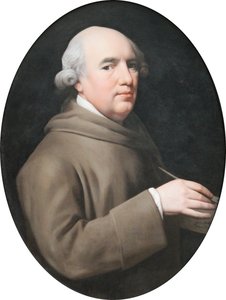
George Stubbs
1724 - 1806 , Ühendkuningriik
Lühikest infot
- Artistic Movement Or Style: Romantism, hobusekunst
- Artists Or Movements Influenced By This Artist: ['Joshua Reynolds']
- Artists Who Influenced This Artist: ['Hamlet Winstanley']
- Date Of Birth: 25. august 1724
- Date Of Death: 10. juuli 1806
- Full Name: George Stubbs
- Nationality: Briti
- Notable Artworks:
- Whistlejacket
- Lõvi ja hobune
- Place Of Birth: Liverpool, Ühendkuningriik
Sarnased artiklid
Timeless Legends: A Curated Guide to the Eternal Allure of Mythological Masterpieces
Embark on a sophisticated journey through the eternal allure of mythological art. Discover how master painters breathe life into ancient legends, from Greek deities to Baroque masterpieces, and learn to curate these timeless narratives within your own exquisite art collection.
George Stubbs: Anatomical Precision & Romantic Vision in 18th-Century British Art
Explore the captivating world of George Stubbs, the 18th-century master renowned for his anatomical precision & Romantic animal paintings. Discover his legacy and investment potential.
Echoes of Olympus: Mythological Narratives in Western Art Through the Ages
Explore the captivating history of mythological narratives in Western art! From ancient Greece to modern masterpieces, discover iconic artworks & symbolism. Expert analysis and high-quality reproductions at OriginalUniqueArt.
The Noble Steed: A Historical and Artistic Exploration of Horses in Fine Art
Explore the rich history of horses in fine art! From ancient depictions to Renaissance masterpieces & beyond, discover iconic artworks and artists. Learn about symbolism, techniques, and find museum-quality reproductions at OriginalUniqueArt.
The Noble Steed on Canvas: A Historical & Artistic Exploration of Horse Painting Across Cultures
Explore the rich history of horse painting! Discover masterpieces from Stubbs to Munnings & learn about symbolism, techniques & artists. Find museum-quality reproductions at OriginalUniqueArt.


