
 Eelvaade
 Saada
Saada Jaga
Jaga
 Teave teose kohta
 Juhend

 Laadi alla
 Sarnased teosed
 Röntgenuuring
 Slaidietendus
 KÜSIMUSED JA VASTUSID
 Statistika
Lord Grosvenor

- 99.0 x 83.0 cm


 Loe lähemalt
Giclée / Kunstiprint
Muuseumikvaliteediga giclée- või kangasprint kiire tootmisega ja paindlikud viimistlusvõimalused. ( Osta käsitsi maalatud teos Lülita digitaalse pildi juurde)




P118B €10

P118H €10

P118W €10

P438Z €10

P508JH €12

P508YH €12

P805H €10

P805Z €10

P919BZ €10

P919G €10

P919XJ €10

P959ZH €10

P968JZ €12

W106C €8

W218G €10

W218JH €8

W218Y €10

W307PJ €10

W316G €10

W316PJ €8

W316Y €10

W398PJ €8

W4111J €10

W500HY €15

W500JH €15

W692G €12

W849H €8

W940BG €15

W953PJ €8




Vali meie eelmääratud suurused, mis vastavad teose algupärastele proportsioonidele.

Sisestage vajalik laius ja kõrgus, et see sobiks teie raamile või seinale. Trükki saab ainult lõigata, seda ei saa kunagi pildist suuremaks teha, seega ka erineva mustega suurus kaotab osa pildist. Enne trükkimist saadame teile kinnitamiseks digitaalse näidisprojektsiooni. Sellel lehel näidatud pilt ei kujuta reaalset lõiget — seda näitab ainult näidisprojektsioon.
Ülemaailmne tarne () 2 nädala jooksul, tavalise 4/5 nädala asemel. (7 november)

Tasuta ekspresssaatmine üle maailma

Kõrgekvaliteediline lina-kangas

Täielik transpordikindlustus

Tollimaksude tagastamise garantii

Värvitoime täpsuse garantii

100 päeva tagastusõigus (ainult valmistusdefektide korral)

100% raha tagasi garantii

Hulgusoodustus
 Klaasivalik on saadaval ainult kuni 110 cm suuruses teostes

Lord Grosvenor
Giclée / Kunstiprint
Reproduktsiooni suurus
-


Koguhind
€ 72
The Equestrian Vision of George Stubbs
George Stubbs' "Lord Grosvenor’s Arabian Stallion with a Groom," painted in 1765, isn’t merely a portrait; it’s a meticulously crafted tableau vivant—a snapshot of aristocratic leisure and the profound connection between man and beast. Stubbs, already recognized as the foremost painter of horses of his era, transcends simple representation, instead offering a deeply considered study of anatomy, movement, and psychological nuance. This work exemplifies his pioneering approach to animal painting, firmly rooted in scientific observation yet imbued with a distinctly Romantic sensibility.
The scene unfolds within a softly rendered English landscape—rolling hills bathed in the golden light of late afternoon. The composition is dominated by the magnificent Arabian stallion, poised and alert, its muscular form captured with astonishing accuracy. Stubbs’s anatomical knowledge, honed through years of dissecting horses (a practice considered radical at the time), is immediately apparent in the precise rendering of every muscle, tendon, and bone. Yet, this isn't a cold, clinical study; the horse radiates vitality, its ears pricked forward, nostrils flared, conveying an intense awareness of its surroundings.
A Masterclass in Technique – Light, Shadow, and Sabino Markings
Stubbs’s mastery lies not just in his anatomical precision but also in his masterful manipulation of light and shadow. He employs a low horizon line, drawing the viewer's eye upwards to the horse, emphasizing its imposing presence against the backdrop of the landscape. The warm tones of the chestnut stallion—rich browns, golds, and russets—are contrasted with the cooler greens and blues of the foliage, creating a dynamic interplay of color that adds depth and realism to the scene. Notably, Stubbs meticulously portrays the horse’s unique genetic Sabino markings – the broad blaze running down its forehead, the striking white stockings, and the delicate white spots adorning its belly and sides—demonstrating an almost obsessive attention to detail.
The groom, a figure of quiet dignity, stands in stark contrast to the stallion’s spirited energy. Dressed in a dark suit, he exudes a reassuring presence, his posture suggesting years of experience and a deep understanding of horses. This juxtaposition—the youthful exuberance of the horse and the seasoned calm of its handler—adds another layer of complexity to the composition, hinting at the symbiotic relationship between man and animal.
Historical Context & Romantic Ideals
Painted during the mid-18th century, “Lord Grosvenor’s Arabian Stallion with a Groom” reflects the prevailing artistic trends of the time. Stubbs' work aligns with the burgeoning Romantic movement, which emphasized emotion, individualism, and the sublime beauty of nature. Unlike the rigid formality of Neoclassical art, Stubbs’s painting embraces a more naturalistic approach, capturing the essence of the subject rather than adhering to idealized forms. The inclusion of the landscape—a carefully constructed vista that evokes a sense of tranquility and grandeur—further reinforces this Romantic sensibility.
The portrait itself was commissioned for Richard Grosvenor, 7th Baronet, and 1st Earl Grosvenor, a prominent figure in English society. Such commissions were not merely about depicting a horse; they represented a celebration of aristocratic status, wealth, and the connection to the land. The painting served as a visual testament to the family’s equestrian pursuits and their appreciation for fine horses.
A Timeless Appeal – Reproduction & Beyond
“Lord Grosvenor’s Arabian Stallion with a Groom” remains a captivating work of art, admired for its technical brilliance, emotional depth, and historical significance. Reproductions offer an accessible way to experience the beauty and artistry of this iconic painting, bringing its timeless appeal into any home or office space. When selecting a reproduction, consider the quality of materials and the artist’s interpretation – ensuring that it faithfully captures Stubbs' original vision while maintaining a high level of detail and vibrancy.
Korduvad küsimused
Kas teos "Lord Grosvenor" on tüüpiline sellele, mida George Stubbs tavaliselt lõi?
George Stubbs korduvad teemad hõlmavad classical anatomy, romantic style, aristocratic patronage, equestrian art, animal studies, scientific accuracy, british landscape, rural life; teos "Lord Grosvenor" keskendub horse, equestrian, portraiture, groom, landscape, sabino, anatomy, 18th century.
Kust teose „Lord Grosvenor“, autor George Stubbs külastajad pärit on?
Teose "Lord Grosvenor" jaoks on olemas Statistika leht. See kajastab teose ja kunstniku teiste teoste kuutlikke külastusi riigi ja keele järgi lahutatud statistikaga.
Millal ja millise kunstisuuna kuulub teos "Lord Grosvenor"?
Teos "Lord Grosvenor" loodi aastal 1765 ning see kuulub Romanticism suunasse. Aasta ja stiil anavad teosele kunstiajalist konteksti.
Kunstniku elulugu
Varajane Elu Ja Koolitus
George Stubbs, silmapaistev inglise maalikunstnik, sündis 25. augustil 1724. aastal Liverpoolis Suurbritannias. Tema varajased eluaastad olid napilt dokumenteeritud, peamine informatsioon pärineb Ozias Humphry mälestustest, mis põhinesid vestlustel Stubbsiga 1794. aastal. Maalikunstnik alustas oma kunstilist teekonda 15-aastaselt, töötades algul isa juures nahatöötajana. Hiljem otsis ta lühikest õpetajategevust Lancashire’i maalikunstniku ja graafiku Hamlet Winstanley käe all. See lühike periood võimaldas tal tutvuda Knowsley Halli kollektsiooniga, mis andis esimesed impulssid kunstimaailma avastamiseks.Kunstiline Areng Ja Tähtteosed
Stubbsi kirg anatoomia vastu viis ta 1744. aastal Yorki, kus ta õppis arsti Charles Atkinsoni juures York County Hospitalis. Üks tema varasemaid säilinud teoseid on illustratsioonijada John Burtoni sünnanduse käsiraamatule, mis ilmus 1751. aastal. 1756. aastal rentis Stubbs talumaja Lincolnshire’is ja veetis seal 18 kuud hobuste lahkamistega, abistades teda tema elukaaslane Mary Spencer. See põhjalik uurimistöö viis 1766. aastal The Anatomy of the Horse avaldamisele, mille originaaljoonistused asuvad nüüd Royal Academys. Stubbsi tööd pälvisid peagi tunnustust juhtivatelt aristokraatlikelt patroonidelt, sealhulgas 3. Richmondi hertsogilt, kes tellisid temalt kolm suurt maali 1759. aastal. See tähistas tema edukate aastate algust, mille tulemuseks olid teosed mitmele hertsogile ja lordile ning lõppes maja ostmisega Marylebone’ist Londonist.Pärand Ja Olulised Maalid
Stubbsi kuulsaim töö on Whistlejacket, prantsatava hobuse maal, mille tellis 2. Rockinghami markii. See teos asub nüüd National Gallerys Londonis. Nii see kui ka veel kaks maali Rockinghamile murdsid konventsioone, eristudes tavapärasest taustata kujutusega. Whistlejacket, tõuuhobune, tõuseb tagajalgadele, demonstreerides Stubbsi võrratuid oskusi hobuste olemuse tabamisel. Tema seeria maale lõvi ründavast hobusest on varased näited romantismist, mis kajastab tema mõju 18. sajandi kunstile. Stubbsi loomingut iseloomustas erakordne täpsus ja detailirohkus anatoomiliste kujutuste osas, mis tulenesid tema põhjalikest uuringutest ja vaatlustest. Ta ei piirdunud pelgalt hobuste maalimisega; ta kujutas ka muid loomi nagu tiigrid, ahvid ja koerad, alati suure täpsusega ja realistlikkusega. Tema tööde värvipalett oli tavaliselt tagasihoidlik, keskendudes peamiselt pruunidele ja hallide toonidele, mis rõhutasid tema tegelaste lihaselist vormi ja tekstuuriga.Ajalooline Tähtsus Ja Mõju
Stubbsi pärand hobuste maalikunstnikuna on võrreldamatu ning tema tööd jätkavad kunstihuviliste inspireerimist üle maailma. Ta oli oma aja eesrindlik kunstnik, kes julges väljendada oma kirge teaduse ja kunsti ühendamise vastu. Tema tööde mõju võib täheldada paljudes hilisemates kunstnike loominguis, eriti romantismiliikumises. Stubbsi maalide ainulaadne stiil ja tehnika on muutnud temast ühe Inglise kunstiajaloo kõige olulisemate maalikunstnikute seas.- Vaadake Stubbsi teoseid https://OriginalUniqueArt.com/@/george_stubbs
- Tutvuge National Gallery Londoni kollektsiooniga, mis sisaldab Stubbsi silmapaistvaid teoseid, aadressil /et/art/show/art-8xyffg-et/
- Lisateavet Stubbsi elu ja töö kohta leiate Vikipeediast aadressil https://en.wikipedia.org/wiki/george_stubbs
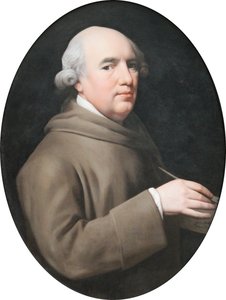
George Stubbs
1724 - 1806 , Ühendkuningriik
Lühikest infot
- Artistic Movement Or Style: Romantism, hobusekunst
- Artists Or Movements Influenced By This Artist: ['Joshua Reynolds']
- Artists Who Influenced This Artist: ['Hamlet Winstanley']
- Date Of Birth: 25. august 1724
- Date Of Death: 10. juuli 1806
- Full Name: George Stubbs
- Nationality: Briti
- Notable Artworks:
- Whistlejacket
- Lõvi ja hobune
- Place Of Birth: Liverpool, Ühendkuningriik
Sarnased artiklid

Georges Seurat: 25 meistriteost valgusest ja värvist | OriginalUniqueArt
Avastage Georges Seurat' 25 ikoonilist teost! Sukeldume pointillismi, valgusest ja värvist täis maailma. Leidke inspiratsiooni interjööri kujundamiseks OriginalUniqueArt.com-is – kvaliteetsed reproduktsioonid ja kunstikollektsioonid ootavad!

Georges Braque: 25 meistriteost, mis muutsid kunsti – OriginalUniqueArt.com
Avastage Georges Braque 25 ikoonilist teost! Sukeldu kubismi maailma, modernse kunsti geomeetrilistesse vormidesse ja värvikates maalidess. Leia inspiratsiooni interjööri kujunduseks OriginalUniqueArt.com-is. Kunstikollektsioonid ja kvaliteetsed reproduktsioonid.
George Stubbs: Anatomical Precision & Romantic Vision in 18th-Century British Art
Explore the captivating world of George Stubbs, the 18th-century master renowned for his anatomical precision & Romantic animal paintings. Discover his legacy and investment potential.

The Equine Muse: A Historical & Artistic Exploration of Horses in Painting
Explore the captivating history of horses in painting! Discover Renaissance masterpieces, Baroque grandeur & expert insights for collecting equestrian art. Learn about symbolism, techniques & lasting value with OriginalUniqueArt.
The Noble Steed: A Historical and Artistic Exploration of Horses in Fine Art
Explore the rich history of horses in fine art! From ancient depictions to Renaissance masterpieces & beyond, discover iconic artworks and artists. Learn about symbolism, techniques, and find museum-quality reproductions at OriginalUniqueArt.


