

 Vaata sisu
 Jaga teost
 Jaga
Jaga
 Detailid
 Õppekate juhend

 Laadi alla
 Sarnased teosed
 Röntgenuuring
 Slaidietendus
 Statistika
A Lion Attacking a Stag


 Loe lähemalt
Käsitsi valmistatud õlimaalireproduktsioon
Meie kunstnike poolt tellimusel valmistatud käsitsi maalitud õli-kainaste teos teie soovitud suuruses ja raamis. ( Lülita trükkitoodetele Ülemineku digitaalse pildi müügi kanalisse)




P118B €10

P118H €10

P118W €10

P438Z €10

P508JH €12

P508YH €12

P805H €10

P805Z €10

P919BZ €10

P919G €10

P919XJ €10

P959ZH €10

P968JZ €12

W106C €8

W218G €10

W218JH €8

W218Y €10

W307PJ €10

W316G €10

W316PJ €8

W316Y €10

W398PJ €8

W4111J €10

W500HY €15

W500JH €15

W692G €12

W849H €8

W940BG €15

W953PJ €8




Vali meie eelmääratud suurused, mis vastavad teose algupärastele proportsioonidele.

Sisestage vajalik laius ja kõrgus, et teos sobiks teie raamile või seinale. Kuna tegu on käsipainatud teosega, siis erineva kujuga suuruse korral võib kunstnik jätta pildi ümber veidi rohkem marginaali või lõigata osa ära — valik on teie. Enne maali alustamist saadame teile kinnitamiseks digitaalse näidisprojektsiooni. Sellel lehel näidatud pilt ei kajasta tegelikku tulemust — seda näitab ainult näidisprojekttsioon.
Pärast tellimust saadab OriginalUniqueArt.com meeskond kliendile e-posti juhised ning esitab eelvaate kavandi
Maailmline tarne 3–4 nädala jooksul tavalise 5 nädala asemel. (23 oktoober). Kvaliteedis kompromisse ei tehta.

Tasuta ekspresssaatmine üle maailma

Kõrgekvaliteediline lina-kangastest muld

Täielik transpordikindlustus

Tollimaksude tagastamise garantii

Värvitoime täpsuse garantii

100 päeva tagastusõigus (ainult defektide korral)

100% raha tagasi garantii

Hulgusoodustus
 Klaasivalik on saadaval ainult kuni 110 cm suuruses teostes

A Lion Attacking a Stag
Reproduktsiooni materjal
Reproduktsiooni mõõtmed
-


Lõppsumma
€ 263
Subject and Composition
The canvas opens to a dramatic tableau in which a lion, the undisputed monarch of the savannah, has seized a stag mid‑flight. The predator’s muscular frame dominates the foreground, its jaws poised as if about to deliver the decisive bite. Below, the stag’s antlers curl like twisted branches, its body caught in a moment of frantic escape. A solitary bird perches on a branch near the upper left corner, a quiet witness that adds an unexpected layer of life and perspective. The background, rendered with soft grasses and distant trees, grounds the scene in a believable wilderness while allowing the central drama to command the viewer’s eye.Technique and Style
George Stubbs, renowned for his anatomical precision, brings a painterly vigor to this work that transcends mere realism. His brushwork is both meticulous and expressive: the lion’s fur is rendered with short, confident strokes that capture texture and movement; the stag’s flesh glows with subtle gradations of light and shadow, revealing the tension in its muscles. The palette leans toward earthy browns and muted greens, yet the artist injects a burst of vitality through the bright amber of the lion’s eyes and the delicate feathering on the bird. Stubbs’ mastery of chiaroscuro heightens the drama, casting deep shadows that deepen the sense of impending violence.Historical Context and Artist
Created in 1766, this painting arrives at a time when British art was increasingly fascinated by natural history and scientific inquiry. Stubbs, born in Liverpool in 1724, had already established himself as an authority on animal anatomy through his studies with surgeons and his dissections of horses. His fascination with the mechanics of movement is evident here: every sinew, every tendon is rendered with a clarity that would have impressed contemporary scholars. The work reflects the Enlightenment spirit—an earnest attempt to understand nature through observation and meticulous documentation—while simultaneously celebrating the raw power of the animal kingdom.Symbolism and Emotional Resonance
Beyond its surface drama, the painting invites contemplation on themes of dominance, survival, and the fragile balance between predator and prey. The lion’s triumph over the stag can be read as a metaphor for human ambition or the relentless march of progress, while the bird’s quiet presence reminds us that life persists even amid conflict. Emotionally, viewers are drawn into an almost visceral experience: the tension in the air, the palpable weight of the lion’s paws, and the fleeting hope embodied by the stag’s struggle. For collectors and interior designers alike, this work offers a powerful narrative that can transform any space into a dialogue between art, nature, and human curiosity.Küsimused ja vastused
Milline kunstnik ja milline stiil seisavad teose "A Lion Attacking a Stag" taga?
George Stubbs lõi teose "A Lion Attacking a Stag" Romanticism suunaga.
Millist väripaletti teoses „A Lion Attacking a Stag“, autor George Stubbs on kasutatud?
Teose „A Lion Attacking a Stag“, autor George Stubbs väripalett on kirjeldatud kui Earthy. See on lühike kirjeldus teose värvide kohta.
Kus on soovituslik "A Lion Attacking a Stag" näidata, arvestades selle värvilaudu?
Teose „A Lion Attacking a Stag“, autor George Stubbs Earthy toonid sobivad suurepäraselt selle soovituslikule ruumile: Living Room.
Kunstniku elulugu
Varajane Elu Ja Koolitus
George Stubbs, silmapaistev inglise maalikunstnik, sündis 25. augustil 1724. aastal Liverpoolis Suurbritannias. Tema varajased eluaastad olid napilt dokumenteeritud, peamine informatsioon pärineb Ozias Humphry mälestustest, mis põhinesid vestlustel Stubbsiga 1794. aastal. Maalikunstnik alustas oma kunstilist teekonda 15-aastaselt, töötades algul isa juures nahatöötajana. Hiljem otsis ta lühikest õpetajategevust Lancashire’i maalikunstniku ja graafiku Hamlet Winstanley käe all. See lühike periood võimaldas tal tutvuda Knowsley Halli kollektsiooniga, mis andis esimesed impulssid kunstimaailma avastamiseks.Kunstiline Areng Ja Tähtteosed
Stubbsi kirg anatoomia vastu viis ta 1744. aastal Yorki, kus ta õppis arsti Charles Atkinsoni juures York County Hospitalis. Üks tema varasemaid säilinud teoseid on illustratsioonijada John Burtoni sünnanduse käsiraamatule, mis ilmus 1751. aastal. 1756. aastal rentis Stubbs talumaja Lincolnshire’is ja veetis seal 18 kuud hobuste lahkamistega, abistades teda tema elukaaslane Mary Spencer. See põhjalik uurimistöö viis 1766. aastal The Anatomy of the Horse avaldamisele, mille originaaljoonistused asuvad nüüd Royal Academys. Stubbsi tööd pälvisid peagi tunnustust juhtivatelt aristokraatlikelt patroonidelt, sealhulgas 3. Richmondi hertsogilt, kes tellisid temalt kolm suurt maali 1759. aastal. See tähistas tema edukate aastate algust, mille tulemuseks olid teosed mitmele hertsogile ja lordile ning lõppes maja ostmisega Marylebone’ist Londonist.Pärand Ja Olulised Maalid
Stubbsi kuulsaim töö on Whistlejacket, prantsatava hobuse maal, mille tellis 2. Rockinghami markii. See teos asub nüüd National Gallerys Londonis. Nii see kui ka veel kaks maali Rockinghamile murdsid konventsioone, eristudes tavapärasest taustata kujutusega. Whistlejacket, tõuuhobune, tõuseb tagajalgadele, demonstreerides Stubbsi võrratuid oskusi hobuste olemuse tabamisel. Tema seeria maale lõvi ründavast hobusest on varased näited romantismist, mis kajastab tema mõju 18. sajandi kunstile. Stubbsi loomingut iseloomustas erakordne täpsus ja detailirohkus anatoomiliste kujutuste osas, mis tulenesid tema põhjalikest uuringutest ja vaatlustest. Ta ei piirdunud pelgalt hobuste maalimisega; ta kujutas ka muid loomi nagu tiigrid, ahvid ja koerad, alati suure täpsusega ja realistlikkusega. Tema tööde värvipalett oli tavaliselt tagasihoidlik, keskendudes peamiselt pruunidele ja hallide toonidele, mis rõhutasid tema tegelaste lihaselist vormi ja tekstuuriga.Ajalooline Tähtsus Ja Mõju
Stubbsi pärand hobuste maalikunstnikuna on võrreldamatu ning tema tööd jätkavad kunstihuviliste inspireerimist üle maailma. Ta oli oma aja eesrindlik kunstnik, kes julges väljendada oma kirge teaduse ja kunsti ühendamise vastu. Tema tööde mõju võib täheldada paljudes hilisemates kunstnike loominguis, eriti romantismiliikumises. Stubbsi maalide ainulaadne stiil ja tehnika on muutnud temast ühe Inglise kunstiajaloo kõige olulisemate maalikunstnikute seas.- Vaadake Stubbsi teoseid https://OriginalUniqueArt.com/@/george_stubbs
- Tutvuge National Gallery Londoni kollektsiooniga, mis sisaldab Stubbsi silmapaistvaid teoseid, aadressil /et/art/show/art-8xyffg-et/
- Lisateavet Stubbsi elu ja töö kohta leiate Vikipeediast aadressil https://en.wikipedia.org/wiki/george_stubbs
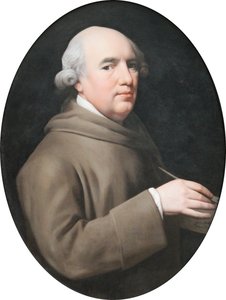
George Stubbs
1724 - 1806 , Ühendkuningriik
Lühikest infot
- Artistic Movement Or Style: Romantism, hobusekunst
- Artists Or Movements Influenced By This Artist: ['Joshua Reynolds']
- Artists Who Influenced This Artist: ['Hamlet Winstanley']
- Date Of Birth: 25. august 1724
- Date Of Death: 10. juuli 1806
- Full Name: George Stubbs
- Nationality: Briti
- Notable Artworks:
- Whistlejacket
- Lõvi ja hobune
- Place Of Birth: Liverpool, Ühendkuningriik
Sarnased artiklid
Beastly Brushstrokes: A Historical Journey Through Animal Painting & Aesthetic Movements
Explore the rich history of animal painting across cultures & movements. Discover iconic artists, symbolism, collecting trends & expert art consultation at OriginalUniqueArt.com.
Loomade sümboolika kunstis ja interjöörides: Ajalooline mõju ruumikujundusele
Avastage loomade rikkalik sümboolika kunstis ja interjöörides! Ajaloolised tähendused, erinevad ajastud ning mõju ruumikujundusele. Eksperdi nõuanded OriginalUniqueArt-lt.

Georges Seurat: 25 meistriteost valgusest ja värvist | OriginalUniqueArt
Avastage Georges Seurat' 25 ikoonilist teost! Sukeldume pointillismi, valgusest ja värvist täis maailma. Leidke inspiratsiooni interjööri kujundamiseks OriginalUniqueArt.com-is – kvaliteetsed reproduktsioonid ja kunstikollektsioonid ootavad!

Georges Braque: 25 meistriteost, mis muutsid kunsti – OriginalUniqueArt.com
Avastage Georges Braque 25 ikoonilist teost! Sukeldu kubismi maailma, modernse kunsti geomeetrilistesse vormidesse ja värvikates maalidess. Leia inspiratsiooni interjööri kujunduseks OriginalUniqueArt.com-is. Kunstikollektsioonid ja kvaliteetsed reproduktsioonid.
George Stubbs: Anatomical Precision & Romantic Vision in 18th-Century British Art
Explore the captivating world of George Stubbs, the 18th-century master renowned for his anatomical precision & Romantic animal paintings. Discover his legacy and investment potential.


