 Eelvaade
 Saada
Saada Jaga
Jaga
 Teave teose kohta
 Juhend

 Laadi alla
 Sarnased teosed
 Röntgenuuring
 Slaidietendus
 KÜSIMUSED JA VASTUSID
 Statistika
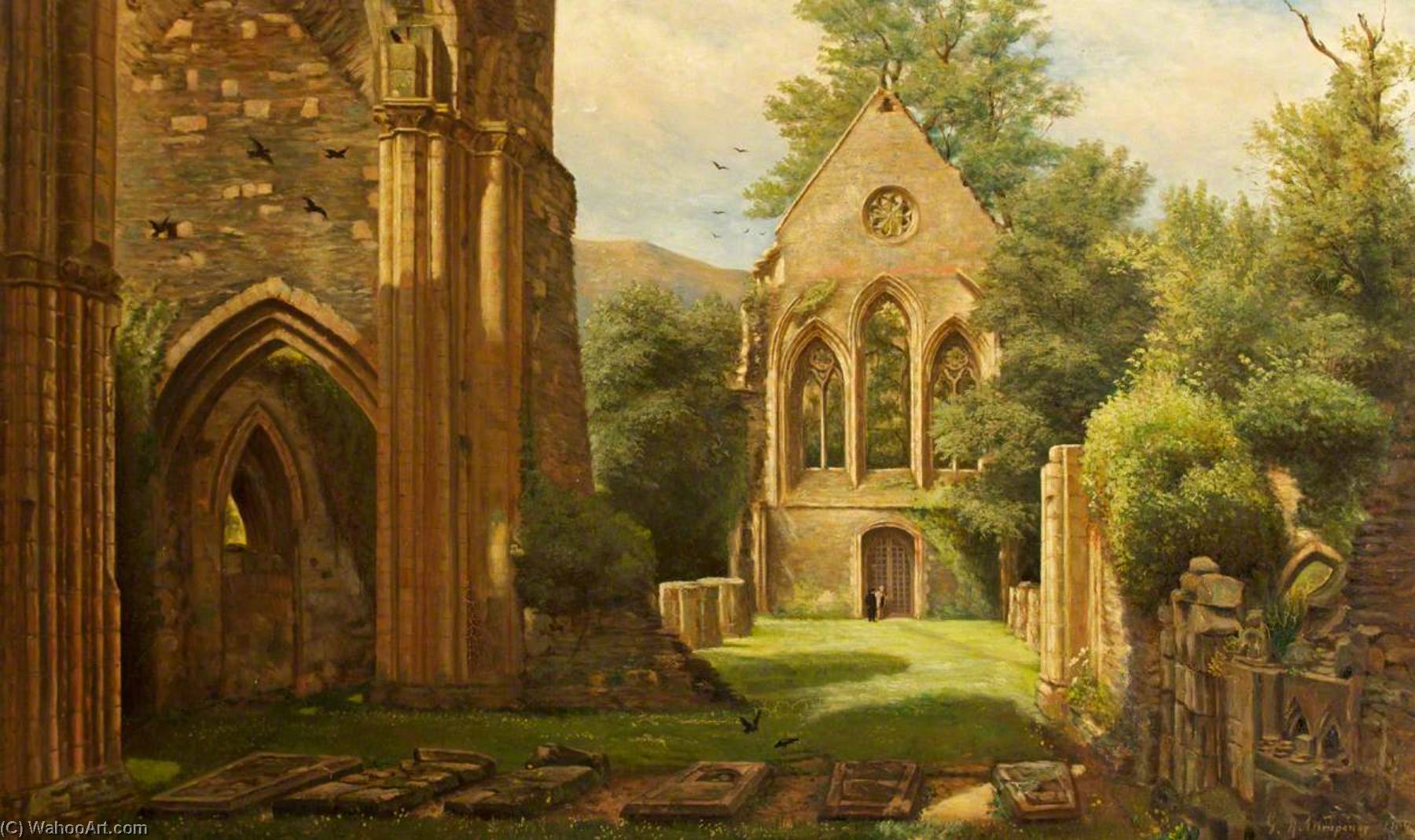
Llanthony Abbey

- 75.0 x 126.0 cm

 Loe lähemalt
Hankige trükiivaldatav fail, mis on kvaliteedilt palju parem kui veebilehel näidatud eelvaade. Kõik meie müüdavad digitaalsed pildid pärinevad meie arhiivist kõrge resolutsiooniga originaalfailidest — tavaliselt 5000 kuni 15 000 pikslit laiust — nii et saate julgelt trükida suurematsat, lüüdist teha või detailset sisu reproduktsiooni teha.
Meie stuudiost ei lahtu ükski fail puutumatuna. Digiekpert võrdleb värve algsest maalistimusega ja vajadusel korrigeerib neid, seejärel parandab selgust ja detaile professionaalsete retušimisvahendite abil — püüdes alati jääda truudeks kunstniku pintoonile ja stiilile. Tulemuseks on pilt, mis näeb välja nagu maali, mitte nagu filtreeritud skann.
Teet kinnituse enne lõplikku valmimist: meie ekspert saadab pildi 72 tunni jooksul e-posti ülevaatamiseks. Ei ole rahul? Paluge parandusi või korrektsioone ning kui kvaliteet ei vasta ootustele, võite paluda tagastamist.
See on kvaliteet, millele tuguvad väljaandjad, disainistuudiod, galeriid ja trükikojad.
Digitaalne kunstiteos
Laadi alla kõrge resolutsiooniga fail isiklikuks vaatamiseks, trükkimiseks ja loomingulisteks projektideks. ( Lülita trükkitoodetele Osta käsitsi maalatud teos)
Sisse kuulub iga digitaalse pildi tellimusega
Eksperdi digitaalne kohaletoimetamine, garanteeritud
Valides OriginalUniqueArt.com, ei saa sa lihtsalt pilti – saad professionaalselt parandatud digitaalse teose, mida on valmistatud täpsusega ja mis on toetatud rahuldamatusgarantiiga. Siin on kõik, mis sinu tellimusega automaatselt kaasneb:

Kiire digitaalne edastus
Teie kõrge resolutsiooniga digitaalne pildifail saadetakse teile e-posti 72 tunni jooksul pärast tellimist – kohe kasutamiseks valmis.

Tehisintellektiga täiustatud digitaalne fail
Teie teos on professionaalselt optimeeritud arenenud tehisintellekti tööriistade ja käsitsi redigeerimise abil, tagades maksimaalse detailitaseme, selguse ja värvitäpsuse.

Tasuta eluaegne uuesti saatmine
Kas kustutasid faili kogukalu unustamisel või kustutamisel? Puudub mure – saad selle uuesti igal ajal ilma lisatasuta.

Puuduvad importimaksud – alati
Nautige oma teoseid koheselt ilma tolli-, maksude või tarnimaskuludeta – digiletchargused on alati maksuvabadud.

Värvitäpsuse garantii
Me tagame, et teie digitaalne pilt kajastaks originaali värve professionaalsete tööriistade ja värvihalduse abil võimalikult täpselt.

100 päeva rahuldamatuse garantii
Kui te ei ole oma digitaalse pildi eest rahul, siis me parandame seda või tagastame 100% summast 100 päeva jooksul – küsimusteta.

100% raha tagastamise garantii
Ei ole rahul? Saate täielise tagastaja 100 päeva jooksul pärast digitaalse faili kättesaamist – ilma küsimusteta.

Suurema tellimuse soodustused
Osta 3 pilti, säästa 10% - Osta 5, säästa 15% - Osta 10+, säästa 20%. Sobib suurepäraselt loomingulisteks projektideks, galeriideks ja agentuurideks.
The painting depicts a large stone building with a clock tower in the middle, surrounded by trees and smaller buildings nearby. The scene is picturesque and inviting, with several birds flying around the area, adding to the natural ambiance. A bench can be seen in front of the main building, providing a place for people to sit and enjoy the view.
Artistic Style and Influences
George Henry Wimpenny's style is reminiscent of the Impressionist movement, which emphasized capturing the fleeting effects of light and color. Similar to artists like Pierre-Auguste Renoir, who created beautiful pieces like Yvonne and Christine Lerolle Playing the Piano, Wimpenny's work is characterized by its attention to detail and ability to evoke a sense of serenity.Comparison with Other Artists
Other artists, such as Wassily Kandinsky and Claude Monet, also explored the relationship between nature and architecture in their work. For example, Kandinsky's Mountain Landscape with Church and Monet's Arm of the Seine at Giverny showcase the beauty of natural landscapes and the importance of light and color.Conclusion
The Llanthony Abbey painting by George Henry Wimpenny is a beautiful example of late 19th-century art. Its stunning depiction of architectural landscapes and natural scenery makes it a must-see for art lovers. For more information on this painting and other works by Wimpenny, visit https://OriginalUniqueArt.com. You can also explore other artists and their works, such as Sandro Botticelli's Scenes from the Life of Moses, on the same website.- View more paintings by George Henry Wimpenny at https://OriginalUniqueArt.com
- Learn about other artists, such as Ivan Kuzmich Makarov, on https://OriginalUniqueArt.com
- Discover the beauty of hand-made oil painting reproductions at https://OriginalUniqueArt.com
Korduvad küsimused
Millal loodi teos "Llanthony Abbey"?
Teos "Llanthony Abbey" on pärit aastast 1897. See ajastu aitab mõista teost George Henry Wimpenny karjääri ja selle ajastu kontekstis.
Mis on teose „Llanthony Abbey“, autor George Henry Wimpenny orientatsioon?
Teose "Llanthony Abbey" vorming on Panoramic. See on kasulik reproduktsiooni paigaldamise planeerimisel.
Millist väripaletti teoses „Llanthony Abbey“, autor George Henry Wimpenny on kasutatud?
Teose „Llanthony Abbey“, autor George Henry Wimpenny väripalett on kirjeldatud kui Dark. See on lühike kirjeldus teose värvide kohta.
Kunstniku elulugu
George Henry Wimpenny: A Victorian Portraitist Capturing Domestic Life and American Identity
George Henry Wimpenny (1857-1939) stands as a significant figure in late Victorian British art, particularly renowned for his meticulous depictions of domestic interiors and portraits reflecting the evolving social landscape of America. Born in London, Wimpenny’s artistic journey began with formal training at the Slade School of Fine Art, where he honed his skills under influential instructors like Frederic Leighton, establishing him firmly within the Beaux Arts tradition prevalent during his era. This grounding provided a foundation for his distinctive style—characterized by precise observation and an unwavering commitment to realism—a hallmark that would define his prolific output throughout his career.- Early Influences: Wimpenny’s artistic sensibilities were profoundly shaped by the Romantic movement, specifically artists like John Everett Millais and Frederic Leighton, whose emphasis on idealized beauty and narrative storytelling resonated deeply with him. These influences instilled a desire to portray subjects with dignity and grace, capturing not merely physical likeness but also psychological nuance.
- Notable Works: Wimpenny’s oeuvre comprises over 300 paintings, predominantly portraits commissioned by prominent families across Britain and America. Among his most celebrated pieces are “Italian Grandmother,” executed in 1897, a masterful study of familial affection rendered with remarkable detail—a testament to his technical prowess and artistic vision. Similarly, "St George's Chapel," completed in 1896, showcases Wimpenny’s ability to convey atmosphere and emotion through subtle tonal variations and compositional arrangements.
- Technique & Style: Wimpenny’s technique involved painstaking layering of thin glazes—a hallmark of the Impressionist movement—to achieve luminous effects and capture the subtleties of light and shadow. He meticulously studied anatomy and drapery, striving for accuracy in his representations of human form and fabric texture. His canvases often depict scenes from everyday life—domestic interiors populated by families—offering glimpses into Victorian social customs and values.
Exploring American Connections: Wimpenny's Patronage and Artistic Engagement Wimpenny’s artistic success extended beyond Britain, attracting commissions from wealthy American families eager to commemorate their heritage. His portraits of figures like Henry William Pickersgill—a celebrated barrister and philanthropist—demonstrate his adaptability to diverse cultural contexts while upholding the highest standards of artistic excellence. Wimpenny's engagement with American art history is evident in his admiration for Impressionist painters such as Monet and Renoir, whose explorations of light and color influenced his own stylistic choices. He actively sought inspiration from these masters, furthering the dialogue between European and American artistic traditions.
The Musée Thomas-Henry Legacy: Wimpenny's Contribution to French Art Beyond Britain, Wimpenny’s influence extended into France where he was honored as a guest artist at the Musée Thomas-Henry in Évreux. This recognition underscored his reputation for meticulous observation and skillful execution—qualities that aligned perfectly with the museum’s collection of 15th-19th century artworks. Wimpenny's dedication to capturing authentic emotion and portraying subjects with dignity cemented his place as a respected artist within the broader European artistic landscape. His work continues to inspire admiration for its technical precision and evocative portrayal of human experience.
A Lasting Impression: Wimpenny’s Enduring Relevance George Henry Wimpenny passed away in 1939, leaving behind an impressive legacy of paintings that endure as embodiments of Victorian artistic ideals. His meticulous attention to detail—particularly his masterful depictions of domestic interiors and portraits—offer invaluable insights into the social customs and values of his time. Wimpenny’s enduring relevance lies not only in his technical skill but also in his ability to convey profound human emotion, ensuring that his artwork continues to captivate audiences today.

George Henry Wimpenny
1857 - 1939
Lühikesed faktid
- Artistic Movement Or Style: Victorian Portraiture
- Artists Or Movements Influenced By This Artist: ['Henri Matisse']
- Artists Who Influenced This Artist: ['James Dronsfield']
- Date Of Birth: 1857
- Date Of Death: 1939
- Full Name: George Henry Wimpenny
- Nationality: British
- Notable Artworks:
- Italian Grandmother
- Henry William Pickersgill
- Place Of Birth: London, England