
 Eelvaade
 Saada
Saada Jaga
Jaga
 Teave teose kohta

 Laadi alla
 Sarnased teosed
 Röntgenuuring
 Slaidietendus
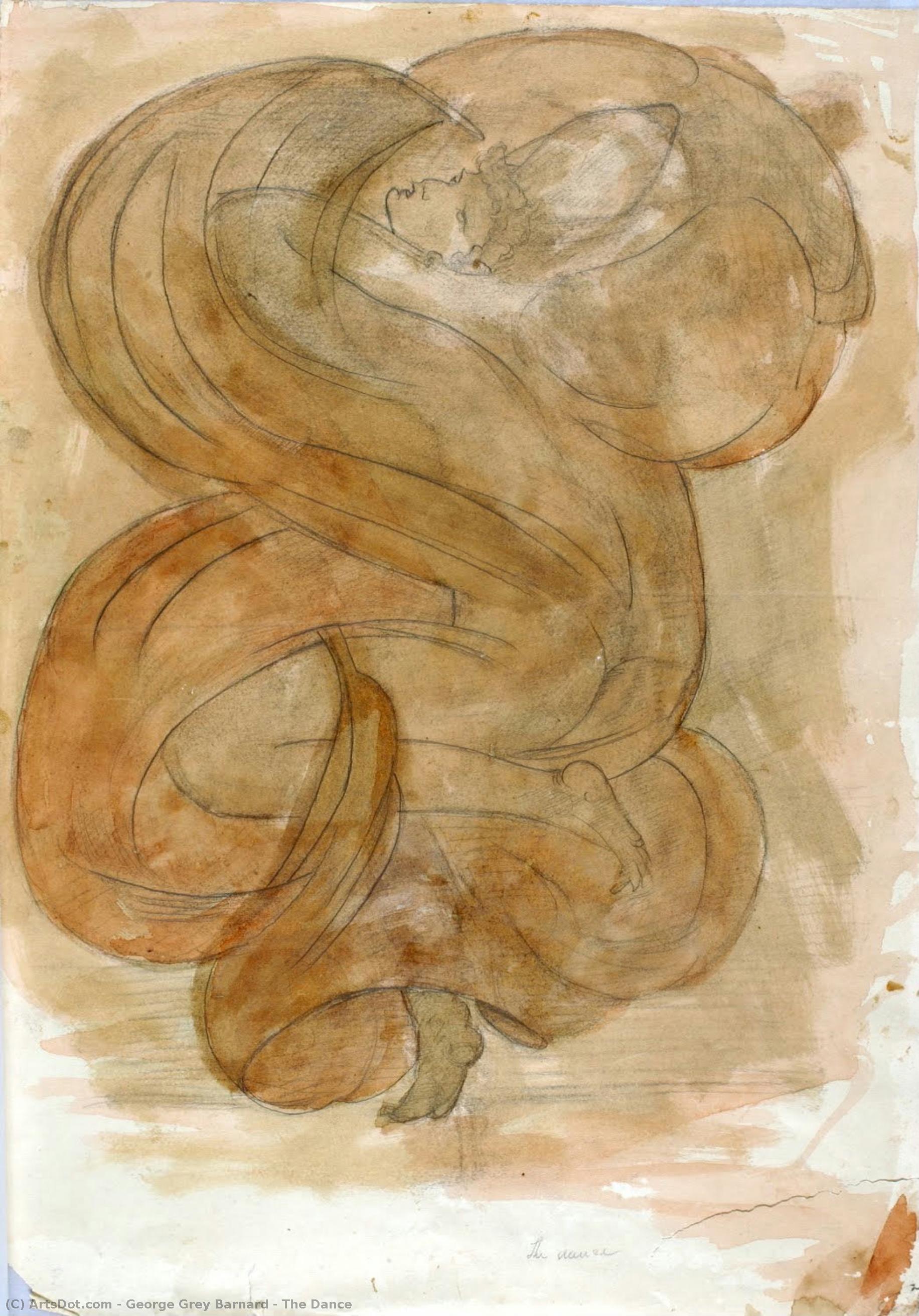
The Dance
 Oil On Canvas
- WallArt
- Impressionism
 1910
1910 50.0 x 35.0 cm
 Smithsonian American Art Museum
 Loe lähemalt
Ostke kõrglahutusel ja täiustatud digitaalne pilt, mis on oluliselt parem kui veebilehel näidatud eelvaade.
Iga fail on meie spetsialistide poolt hoolikalt ette valmistatud, kasutades kaasaegseid tööriistu ja professionaalset käsitsi retušeerimist. Tagame, et igal pildil on erakordne selgus, täpne värvitäpsus ja peen detail.
Lõplik fail saadetakse e-posti teel 72 tunni jooksul, olles optimeeritud koheseks kasutamiseks professionaalsetes, toimetuslikes ja trüki keskkondades. See on sama kvaliteet, mida usaldavad tipptasemel disainistuudiod, kirjastused ja galeriid.
Digitaalne kunstiteos
Laadi alla kõrge resolutsiooniga fail isiklikuks vaatamiseks, trükkimiseks ja loomingulisteks projektideks. ( Lülita trükile Lülita käsitsi maalatud版本le)
Sisse kuulub iga digitaalse pildi tellimusega
Eksperdi digitaalne kohaletoimetamine, garanteeritud
Valides OriginalUniqueArt.com, ei saa sa lihtsalt pilti – saad professionaalselt parandatud digitaalse teose, mida on valmistatud täpsusega ja mis on toetatud rahuldamatusgarantiiga. Siin on kõik, mis sinu tellimusega automaatselt kaasneb:

Kiire digitaalne saatmine
Teie kõrge resolutsiooniga digitaalne pildifail saadetakse teile e-posti 72 tunni jooksul pärast tellimist – kohe kasutamiseks valmis.

Tehisintellektiga täiustatud digitaalne fail
Teie teos on professionaalselt optimeeritud arenenud tehisintellekti tööriistade ja käsitsi redigeerimise abil, tagades maksimaalse detailitaseme, selguse ja värvitäpsuse.

Tasuta eluaegne uuesti saatmine
Kas kustutasid faili kogukalu unustamisel või kustutamisel? Puudub mure – saad selle uuesti igal ajal ilma lisatasuta.

Puuduvad importimaksed – alati
Nautige oma teoseid koheselt ilma tolli-, maksude või tarnimaskuludeta – digiletchargused on alati maksuvabadud.

Värvitäpsuse garantii
Me tagame, et teie digitaalne pilt kajastaks originaali värve professionaalsete tööriistade ja värvihalduse abil võimalikult täpselt.

60-päevane rahulolu garantii
Kui te ei ole oma digipildiga rahul, parandame seda või tagastame 100% summast 60 päeva jooksul – küsimusi ei esita.

100% raha tagastamise garantii
Ei ole rahul? Saate täielise tagastaja 60 päeva jooksul pärast digitaalse faili kättesaamist – küsimata.

Suurema tellimuse soodustused
Osta 3 pilti, säästa 10% - Osta 5, säästa 15% - Osta 10+, säästa 20%. Sobib suurepäraselt loomingulisteks projektideks, galeriideks ja agentuurideks.
Kollektsiooni kirjeldus
A Life Forged in Stone: The World of George Grey Barnard
George Grey Barnard, born in Bellefonte, Pennsylvania, in 1863, was an American sculptor whose career unfolded against a backdrop of shifting artistic tides and burgeoning national identity. His life story is one of relentless pursuit – a journey from the rural landscapes of his youth to the hallowed halls of Parisian art academies, and ultimately, to establishing himself as a pivotal figure in American sculpture. The son of a Presbyterian minister, Barnard’s early years were marked by frequent relocation across Illinois, yet it was within this itinerant existence that an artistic sensibility began to blossom. He initially honed his skills at the Art Institute of Chicago under Leonard Volk, demonstrating an innate talent for modeling and form – a foundation upon which he would build a remarkable career. This initial spark propelled him towards Paris in 1883, where he immersed himself in the rigorous training of the École Nationale Supérieure des Beaux-Arts, absorbing the influences of Impressionism and forging his own distinctive artistic voice.The Artwork: “The Dance”
“The Dance,” created between 1898 and 1910, exemplifies Barnard’s masterful command of watercolor and oil wash on paper. Measuring 50 x 35 cm, the painting depicts a woman engaged in movement—a captivating portrayal of grace and dynamism. The artist skillfully captures the essence of dance through careful observation and expressive brushwork. Note the fluid lines delineating the dancer's form, conveying a sense of effortless motion against a softly blurred background. Barnard’s technique prioritizes capturing fleeting moments of emotion and atmosphere, aligning him with the tenets of Impressionism.Style and Technique: Impressionistic Influences
Barnard’s artistic approach is undeniably rooted in Impressionist principles. Like Monet and Renoir, he eschewed meticulous detail in favor of conveying light and color—a deliberate decision to prioritize perceptual experience over photographic realism. The warm hues dominating the palette – ochre yellows, crimson reds, and earthy browns – contribute to an overall feeling of warmth and vibrancy. Barnard’s layering technique—applying thin washes of watercolor followed by thicker oil glazes—creates a textured surface that enhances the illusion of depth and luminosity. This meticulous process underscores his dedication to capturing the subtleties of light and shadow.Historical Context: American Sculpture Emerges
“The Dance” reflects the broader artistic landscape of late 19th-century America, where sculpture was undergoing significant transformation. Prior to Barnard’s arrival in Paris, American sculpture largely adhered to academic conventions—characterized by idealized figures and polished surfaces. However, Barnard's exposure to European avant-garde movements spurred him to experiment with new forms and techniques, signaling a decisive break from tradition. His work aligns with the burgeoning interest in capturing human emotion and movement—a trend that would ultimately propel American sculpture into the 20th century.Symbolism and Emotional Impact
The image itself speaks volumes about themes of freedom, joy, and feminine beauty. The dancer’s posture embodies a spirit of liberation—a rejection of constraints and an embrace of spontaneity. Barnard's masterful use of color and brushwork evokes feelings of energy and passion, inviting the viewer to contemplate the transformative power of art. “The Dance” transcends mere representation; it aspires to communicate an inner state of being—a testament to Barnard’s profound understanding of human psychology and his ability to translate emotion onto canvas.Conclusion: A Legacy of Artistic Innovation
George Grey Barnard's contribution to American sculpture is undeniable. "The Dance," alongside numerous other works, solidified his reputation as a visionary artist who championed Impressionistic ideals while forging an enduring connection with the spirit of his time. It remains a compelling example of artistic innovation—a celebration of movement and emotion that continues to inspire admiration and contemplation decades after its creation.Kunstniku biograafia
A Life Forged in Stone: The World of George Grey Barnard
George Grey Barnard, born in Bellefonte, Pennsylvania, in 1863, was an American sculptor whose career unfolded against a backdrop of shifting artistic tides and burgeoning national identity. His life story is one of relentless pursuit – a journey from the rural landscapes of his youth to the hallowed halls of Parisian art academies, and ultimately, to establishing himself as a pivotal figure in American sculpture. The son of a Presbyterian minister, Barnard’s early years were marked by frequent relocation across Illinois, yet it was within this itinerant existence that an artistic sensibility began to blossom. He initially honed his skills at the Art Institute of Chicago under Leonard Volk, demonstrating an innate talent for modeling and form – a foundation upon which he would build a remarkable career. This initial spark propelled him towards Paris in 1883, where he immersed himself in the rigorous training of the École Nationale Supérieure des Beaux-Arts, working within the atelier of Pierre-Jules Cavelier. Twelve years spent absorbing classical techniques and engaging with the vibrant artistic community of France proved transformative, culminating in a triumphant debut at the Salon of 1894.The Echoes of Rodin and the Birth of a Symbolic Language
Barnard’s artistic development was profoundly shaped by his exposure to Auguste Rodin, whose influence is readily apparent in his early explorations of the human form and emotional depth. However, Barnard wasn't merely an imitator; he quickly forged his own distinct path, developing a symbolic language that delved into the complexities of the human condition. His major works are characterized by their allegorical nature, grappling with themes of duality, inner struggle, and the inherent contradictions within us all. Struggle of the Two Natures in Man (1894), exhibited at the Metropolitan Museum of Art, stands as a pivotal example – a powerful depiction of opposing forces locked in eternal conflict. This piece, along with subsequent sculptures like The Hewer (1902) and Rose Maiden (c. 1902), showcased his mastery of capturing both physical strength and delicate grace. Great God Pan (1899), initially met with controversy due to its depiction of nudity, eventually found a home at Columbia University, further cementing Barnard’s reputation as an artist unafraid to challenge conventional norms. Maidenhood(1896) is known for its simplicity and elegance.Monumental Commissions and the Pennsylvania State Capitol
The turn of the century brought with it a monumental commission that would define a significant chapter in Barnard’s career: the creation of over sixty sculptures for the Pennsylvania State Capitol in Harrisburg between 1902 and 1910. This ambitious project, representing scenes from human history, demanded immense skill and dedication, yet also presented considerable financial challenges. Despite these hurdles, Barnard persevered, leaving an indelible mark on the capitol building with his intricate and evocative figures. His ability to translate grand historical narratives into tangible form solidified his position as one of America’s leading sculptors. Later, in 1917, he undertook another ambitious project – a larger-than-life statue of Abraham Lincoln. This portrayal sparked debate due to its unconventional approach, diverging from traditional heroic representations; nevertheless, it remains a potent symbol of the president's character and has been cast in multiple locations including Cincinnati, Manchester (England), and Louisville (Kentucky).A Collector’s Passion: The Cloisters and a Lasting Legacy
Beyond his work as a sculptor, George Grey Barnard possessed a deep passion for medieval art. He became an avid collector of architectural fragments, traveling through French villages before World War I to acquire these remnants of the past. This collection wasn't merely a personal indulgence; it was driven by a desire to preserve and share the beauty of this often-overlooked artistic heritage. In 1925, his extensive holdings were purchased by John D. Rockefeller Jr., forming the core of what would become The Cloisters, a branch of the Metropolitan Museum of Art dedicated to medieval art and architecture. This act stands as a testament to Barnard’s vision and enduring impact on cultural preservation. Barnard's contribution to American sculpture is significant, bridging European traditions with a uniquely American aesthetic sensibility. He challenged artistic norms, embraced symbolism, and left behind a body of work that continues to inspire and provoke thought. His legacy extends beyond his sculptures; it lives on in the tranquil halls of The Cloisters, where fragments of the past are brought to life for generations to come.
George Grey Barnard
1863 - 1938

