

 Vaata sisu
 Jaga teost
 Jaga
Jaga
 Detailid
 Õppekate juhend

 Laadi alla
 Sarnased teosed
 Röntgenuuring
 Slaidietendus
 Statistika
Eve Repentant
 Oil On Canvas
- WallArt
- Symbolist
 1875
1875- 19th Century
 119.0 x 259.0 cm
 Tate Britain
 Loe lähemalt
Giclée / Kunstiprint
Muuseumikvaliteediga giclée- või kangasprint kiire tootmisega ja paindlikud viimistlusvõimalused. ( Telli käsitsi maalitud reproduktsioon Ülemineku digitaalse pildi müügi kanalisse)




P118B €10

P118H €10

P118W €10

P438Z €10

P508JH €12

P508YH €12

P805H €10

P805Z €10

P919BZ €10

P919G €10

P919XJ €10

P959ZH €10

P968JZ €12

W106C €8

W218G €10

W218JH €8

W218Y €10

W307PJ €10

W316G €10

W316PJ €8

W316Y €10

W398PJ €8

W4111J €10

W500HY €15

W500JH €15

W692G €12

W849H €8

W940BG €15

W953PJ €8




Vali meie eelmääratud suurused, mis vastavad teose algupärastele proportsioonidele.

Sisestage vajalik laius ja kõrgus, et see sobiks teie raamile või seinale. Trükki saab ainult lõigata, seda ei saa kunagi pildist suuremaks teha, seega ka differentse vormiga suurus kaotab osa pildist. Enne trükkimist saadame teile kinnitamiseks digitaalse näidisprojektsiooni. Sellel lehel näidatud pilt ei kujuta reaalset lõiget — seda näitab ainult näidisprojekttsioon.
Ülemaailmne tarne () 2 nädala jooksul, tavalise 4/5 nädala asemel. (23 oktoober)

Tasuta ekspresssaatmine üle maailma

Kõrgekvaliteediline lina-kangastest muld

Täielik transpordikindlustus

Tollimaksude tagastamise garantii

Värvitoime täpsuse garantii

100 päeva tagastusõigus (ainult defektide korral)

100% raha tagasi garantii

Hulgusoodustus
 Klaasivalik on saadaval ainult kuni 110 cm suuruses teostes

Eve Repentant
Giclée / Kunstiprint
Reproduktsiooni mõõtmed
-


Lõppsumma
€ 70
A Vision of Sorrow and Spiritual Awakening
In the quiet, evocative depths of George Frederic Watts’ “Eve Repentant,” completed around 1875, viewers are invited into a profound moment of psychological and spiritual vulnerability. As a cornerstone of Victorian Symbolism, this masterpiece transcends a mere biblical illustration; it is an intimate exploration of the human condition, capturing the heavy weight of regret and the flickering light of redemption. The painting presents Eve not as a figure of triumph or simple sin, but as a soul caught in the transformative process of repentance. Her slumped posture and bowed head convey a palpable sense of grief, drawing the observer into a shared experience of mourning and introspection that remains deeply resonant even a century and a half later.
The composition is masterfully orchestrated to guide the emotional journey of the viewer. Watts utilizes a deliberate asymmetry, centering the focus on Eve’s delicate yet burdened form. The surrounding forest setting, while providing a naturalistic backdrop, serves a much deeper symbolic purpose. Amidst the shadows of her despair, two birds appear—one perched upon her shoulder and another hovering nearby—acting as celestial messengers of hope and consolation. These subtle elements suggest that even in the depths of loss, the possibility of spiritual awakening remains ever-present, making the piece an enduring symbol of resilience for any collector seeking art with profound philosophical depth.
Mastery of Symbolist Technique and Texture
Technically, “Eve Repentant” is a triumph of the Symbolist aesthetic, where the artist’s brushwork serves the higher purpose of conveying intangible truths. Working with oil on canvas, Watts achieved a luminous, almost ethereal surface texture that breathes life into the skin of his subject and the surrounding foliage. His technique avoids the starkness of realism, opting instead for meticulous yet soft delineations that emphasize Eve's vulnerability. The way light interacts with the contours of her body creates a sense of movement and presence, as if the very atmosphere of the forest is thick with the weight of her emotions.
For the discerning interior designer or art enthusiast, this painting offers an unparalleled opportunity to introduce a sense of narrative gravity and classical elegance into a space. The rich, earthy tones and the intricate interplay of light and shadow provide a sophisticated focal point that can anchor a room with both dignity and mystery. Whether displayed in a quiet study or as a centerpiece in a grand gallery, a high-quality reproduction of this work brings with it the legacy of the House of Life—Watts’ ambitious cycle intended to represent the universal emotions and aspirations of humanity. To possess such a piece is to hold a fragment of Victorian visionary imagination, offering a timeless window into the eternal dance between shadow and light.
Küsimused ja vastused
Milline paigutus sobib teose „Eve Repentant“, autor George Frederic Watts formaadile?
Teose „Eve Repentant“, autor George Frederic Watts Tall formaat on soovitatav kasutada ruumis Living Room. Formaat ja ruum aitavad koos otsustada reproduktsiooni paigutamise kohta.
Milleks on teose „Eve Repentant“, autor George Frederic Watts reproduktsiooni soovitatud kasutada?
Teose „Eve Repentant“, autor George Frederic Watts soovituslik kasutusviis on Accent. Seda saab kasutada ka muudel eesmärkidel.
Kes on teose "Eve Repentant" autor ja millises suunast see on?
George Frederic Watts lõi teose "Eve Repentant" Symbolist suunaga.
Kunstniku elulugu
varaj varanduse ja hariduse kohta
George Frederic Watts, symbolismistliku suunuse märkimisväärne tegelane, sündis 23. veebruaril 1817 Londoni Marylebones. Tema varajane elu oli iseloomulik nõrk tervis ja ema kaotus noores eas. Wattsi isa, klaverimeister, pakkus talle konservatiivset kristlikku haridust ja tutvustas teda klassikaga, sealhulgas Iliadiga. See klassikaline mõju sai hiljem tema kunstilise stiili nurgakiviks.karjäär
Watts alustas oma kunstilist teekonda juba 10-aastaselt, õppides skulptuuri under William Behnes. Hiljem, 18-aastasena, õppis ta Royal Academy Schools üliõpilikuna. Tema esimene näitus akadeemias aastal 1837 märkis tema viljakuse karjääri algust.- Caractacus, joonistus, mis esitati võistlusele uute koda muraleid projekteerimiseks, tõi Wattsile aastal 1eks auhinna.
- Tema hiljutemad reisid Itaaliasse (1843–1847) ja seos Briti suurlendikuga Henry Foxiga mõjutasid tema stiili, nagu on nähtav tema portreetil Lady Hollandist, mis eksponeeriti aastal 1848.
- Wattsi naasmine Briti saartele viis fresko tellimuse saamisele koda seintele, mille ta lõpetas aastate 1848 ja 1853 vahel.
symbolistlikud meistriteosed
Wattsi kuulsimate teoste hulka kuuluvad:- Loodus ja armastus ning elu, mis olid mõeldud osaks eepilisest sümbolistlikust tsüklist nimega "Elu maja".
- Punase Ristikaesnike triumf (Faerie Queenest), mis valmis aastatel 1852–53, näitab tema meistriklassi allegorilistes teemades.
- Tema portret näitlejannast Ellen Terry, mis maalis aastal 1864, on suurepärane näide tema võimest tabada oma teema olemust.
pärand
Wattsi mõju kunstimaailmale on vaieldamatu. Tema seotus symbolismistliku suunusega ning värvi ja vormi uuendusmeelne kasutamine on teinud temast armastatud kuju Briti kunsti ajaloos. Vaata George Frederic Wattsi kunstiteoseid OriginalUniqueArt.com leheküljelmuuseumid, kus esinevad Wattsi tööd
- Lincoln's Inn, mis kuulub tema fresko Õigus, seadusandjate poolring.
- Watts Gallery – Artists' Village Guildfordis, Ühendkultuuris, mis on pühendatud Wattsi ja teiste kunstnike tööde säilitamisele.

George Frederic Watts
1817 - 1904 , Ühendatud Kuningriik
Lühikest infot
- Artistic Movement Or Style: Sümbolism
- Artists Or Movements Influenced By This Artist:
- Romantism
- Pre-rafaeliidid
- Artists Who Influenced This Artist:
- William Behnes
- Henry Fox
- Date Of Birth: 23. veebruar 1817
- Date Of Death: 1. juuli 1904
- Full Name: George Frederic Watts
- Nationality: Briti
- Notable Artworks:
- Loodus (Hope)
- Armastus ja elu (Love and Life)
- Punase Ristikaitsja triumf (The Triumph of the Red Cross Knight)
- Place Of Birth: Marylebone, Ühendkuninguus
Sarnased artiklid

The Soul of Impressionism: Why Oil on Canvas Captures Eternal Light and Timeless Emotion
Discover the enchanting alchemy of Impressionism. Explore how the mastery of oil on canvas, through glazing and impasto, captures eternal light and emotion. Perfect for lovers of Monet and Van Gogh seeking the profound depth of hand-painted fine art.

Lõuendi püsivus ja väljendusvõime: Tehnika, ajalugu ja kaasaegne praktika
Avastage lõuendi püsivuse ja väljendusvõime saladused! Ajaloolised tehnikad, kaasaegsed lähenemised ja ekspertide nõuanded maalikunsti austajatele. Lugege nüüd!

Oil on Canvas: A Historical & Technical Exploration of a Timeless Artistic Medium
Explore the rich history & enduring techniques of oil painting on canvas. Discover the science behind its longevity, conservation practices, and contemporary relevance. Expert insights for art enthusiasts.

The Enduring Legacy of Oil on Canvas: Technique, History & Aesthetic Impact
Explore the rich history & techniques of oil painting – from Renaissance masters to Impressionism. Discover pigments, layering methods, and why this timeless medium endures. Expert insights for artists & art enthusiasts.
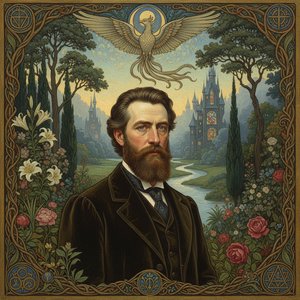
Frederick Waters Watts: A Victorian Vision of Aestheticism & Spiritual Symbolism
Explore the captivating world of Frederick Watts, a key Victorian painter blending aestheticism & spiritual symbolism. Discover his allegorical masterpieces like 'Hope' and delve into his artistic journey with OriginalUniqueArt.