

 Vaata sisu
 Jaga teost
 Jaga
Jaga
 Detailid
 Õppekate juhend

 Laadi alla
 Sarnased teosed
 Röntgenuuring
 Slaidietendus
 Statistika
Tiered Vase


 Loe lähemalt
Giclée / Kunstiprint
Muuseumikvaliteediga giclée- või kangasprint kiire tootmisega ja paindlikud viimistlusvõimalused. ( Telli käsitsi maalitud reproduktsioon Ülemineku digitaalse pildi müügi kanalisse)




P118B €10

P118H €10

P118W €10

P438Z €10

P508JH €12

P508YH €12

P805H €10

P805Z €10

P919BZ €10

P919G €10

P919XJ €10

P959ZH €10

P968JZ €12

W106C €8

W218G €10

W218JH €8

W218Y €10

W307PJ €10

W316G €10

W316PJ €8

W316Y €10

W398PJ €8

W4111J €10

W500HY €15

W500JH €15

W692G €12

W849H €8

W940BG €15

W953PJ €8




Vali meie eelmääratud suurused, mis vastavad teose algupärastele proportsioonidele.

Sisestage vajalik laius ja kõrgus, et see sobiks teie raamile või seinale. Trükki saab ainult lõigata, seda ei saa kunagi pildist suuremaks teha, seega ka differentse vormiga suurus kaotab osa pildist. Enne trükkimist saadame teile kinnitamiseks digitaalse näidisprojektsiooni. Sellel lehel näidatud pilt ei kujuta reaalset lõiget — seda näitab ainult näidisprojekttsioon.
Ülemaailmne tarne () 2 nädala jooksul, tavalise 4/5 nädala asemel. (23 oktoober)

Tasuta ekspresssaatmine üle maailma

Kõrgekvaliteediline lina-kangastest muld

Täielik transpordikindlustus

Tollimaksude tagastamise garantii

Värvitoime täpsuse garantii

100 päeva tagastusõigus (ainult defektide korral)

100% raha tagasi garantii

Hulgusoodustus
 Klaasivalik on saadaval ainult kuni 110 cm suuruses teostes

Tiered Vase
Giclée / Kunstiprint
Reproduktsiooni mõõtmed
-


Lõppsumma
€ 70
The Singular Vision of George Edgar Ohr: A Revolutionary Approach to Ceramics
George Edgar Ohr, affectionately dubbed “the Mad Potter of Biloxi,” wasn’t merely a potter; he was a radical innovator who fundamentally challenged the conventions of his craft in late 19th and early 20th century America. Born in 1857 in the vibrant coastal town of Biloxi, Mississippi, Ohr's artistic journey began not with formal training but through a series of experiences – an apprenticeship with Joseph Fortune Meyer, a brief foray into various trades, and ultimately, a deeply personal exploration of clay itself. His environment—a confluence of German immigrant heritage, readily available clay from the Tchoutacabouffa River, and the bustling cultural landscape of Biloxi—provided fertile ground for his unique vision to flourish. Ohr’s rejection of traditional pottery norms wasn't born of rebellion alone; it stemmed from a profound desire to express emotion and form through the medium of clay, prioritizing feeling over function or strict adherence to established aesthetics.
A Dance with Form: Technique and Innovation
Ohr’s technique was characterized by an audacious disregard for conventional methods. He wasn't content to simply shape clay on a wheel; instead, he embraced a dynamic process of manipulation – twisting, crumpling, folding, and stretching the wet clay while it remained pliable. This resulted in vessels that seemed to defy gravity, exhibiting asymmetrical forms, exaggerated curves, and an almost chaotic energy. His walls were astonishingly thin, pushing the boundaries of structural integrity and creating a remarkable sense of delicacy and lightness. Crucially, Ohr’s glazes weren't applied as mere decoration but as integral components of his artistic expression – vibrant, unpredictable colors that resembled molten metal, iridescent jewels, or even abstract landscapes. He frequently employed “burnishing,” a technique involving polishing the surface with a smooth stone to create a luminous sheen, further enhancing the tactile and visual impact of his work.
Abstract Expressionism Before Its Time: Symbolism and Emotion
While often categorized as an Arts & Crafts potter, Ohr’s later works—particularly those produced after 1903—bear a striking resemblance to the principles of abstract expressionism, a movement that wouldn't fully emerge until decades later. His pieces weren’t intended to represent recognizable objects; instead, they conveyed raw emotion, capturing fleeting moments of joy, frustration, and wonder through distorted forms and bold colors. The “burned babies,” as he affectionately called his charred creations—the result of accidental fires in his workshop—became a symbol of his relentless experimentation and willingness to embrace imperfection. The deliberate asymmetry and seemingly random arrangements reflected Ohr’s belief that beauty could be found not in symmetry or harmony, but in the unexpected and the unconventional. The very act of creating these pieces was an emotional outpouring, a direct translation of feeling onto the clay.
Legacy and Reproduction: Bringing Ohr's Vision to Life
Despite his innovative spirit and undeniable talent, George Edgar Ohr struggled for recognition during his lifetime, often facing criticism for his unconventional approach. However, in the decades following his death in 1918, his work gradually gained appreciation, eventually establishing him as a pivotal figure in American ceramics. Today, his pieces are highly sought after by collectors and art enthusiasts alike, celebrated for their daring originality and emotional resonance. OriginalUniqueArt is proud to offer meticulously hand-painted reproductions of Ohr’s iconic works, allowing you to experience the raw energy and visionary spirit of “the Mad Potter of Biloxi” in your own home or studio. These reproductions capture not only the visual beauty of his original pieces but also the very essence of his singular artistic vision – a testament to the power of embracing unconventionality and prioritizing emotional expression above all else.
- Key Techniques: Twisting, Crumpling, Folding, Thin Walls, Experimental Glazes
- Historical Context: Arts & Crafts Movement, Precursor to Abstract Expressionism
- Symbolic Elements: “Burned Babies,” Asymmetry, Bold Colors
Küsimused ja vastused
Mis on teose „Tiered Vase“, autor George Edgar Ohr domineeriv toonsalm?
Teose „Tiered Vase“, autor George Edgar Ohr domineeriv toon on Green to Violet Spectrum. See toon on paleti alusvärv.
Kui tugev on kontrasst teoses „Tiered Vase“, autor George Edgar Ohr?
Teose „Tiered Vase“, autor George Edgar Ohr kontrastivaimustus on Statement.
Millisse hegemoonias ja millises ajastus에는 „Tiered Vase“, autor George Edgar Ohr kuulub?
Teos „Tiered Vase“, autor George Edgar Ohr kuulub Abstract Expressionism suunasse ning on loodud autori 19. sajand ajastul.
Kunstniku elulugu
George Edgar Ohri ainulaadne visioon: Biloxi hull keraamik
George Edgar Ohr, nimi, mis on Ameerika keraamika maailmas sünkroonne innovatsiooni ja ekscentrilisusega, sündis 12. juulil 1857 rannalinn Biloxis, Mississippi. Tema vanemad, uusi võimalusi otsivad saksa immigrandid, sisaldasid temasse tugeva tööetiika ja ehk puudutust Vanapi Ima mõistlikust kunstilisusest. Kuid tõeline talent õitsnes tänu Biloxi unikaalsele keskkonnale – kultuuride sulandile ja keramiika jaoks kättesaadavale savile. Ohr ei olnud lihtsalt keraamik; ta oli vormi, tekstuuri ja glajuuri uurist, kes ei pelganud piiride laiendamist keraamilise kunsti valdkonnas. Ta omakastas endale nimetuse „Biloxi hull keraamik“ mitte kui solvust, vaid kui uhke deklaratsioonina oma konventsioonivastase lähenemise ja vankumatut pühendumuse kohta kunstilisele vabadusele.
Varajased mõjud ja kunstiline ärkamine
Ohri teekond keraamika maailma algas pigem juhuslikult. Pärast hingelemist New Orleansis erinevates ametites, sattus ta õpilaseks Joseph Fortune Meyerile, keraamikule, kellel oli sidemeid kasvava Arts & Crafts liikumisega. See õpilikkundlik periood andis Ohrile kindla vundamenti traditsioonilistest tehnikatest, kuid tema loovsünd mus just hilisemad reisid – kutrnäält Ameerika keraamikatehasid läbi käinud ringreis – mis süütele tema loovusritu. Ta imes endasse erinevaid meetodeid ja stiile, kuid ei lednud pelgalt kordamisega; ta soovis ületada konventsioone. Ta naas Biloxi, otsides oma teed, asestab oma „Biloti Kunst ja Erakordluste Keraamika“, kus ta saaks oma kunstilist visiooni täielikult teostada. Lähialas asuv Tchoutacabouffa jõgi muutus tema vahendiks ning tema käed tema transformatsioonilaevadeks.
Revolutsioon savis: Tehnika ja innovatsioon
Ohri töö eristub radikaalse kõrvalekaldumusega valitsevatele keraamilistele normidele. Kuigi paljud keraamikud keskendusid funktsionaalsusele ja sümmeetrileisule, omakas Ohr asümetria, distortsiooni ja tähelepanuga tehtud täiuslikkuse tagasivajumise. Ta uuendas tehnikaid nagu savi pigistamine, krussimine, voltimine ja venitamine sel ajal, kui see oli veel märjas, luues nõusid, mis tundusid vastuGRAVITEEST ja kõnetasid ootustega. Tema glajuurid olid samuti eksperimentaalne – vibrantne, et lupatu ja sagedasti metallist või iriseerivate seemnete sarnased. Ta ei olnud huvitatud pelgalt nõude dekoreerimisest; ta skulptureeris värviga ja valgusega. Ta muutas seinad peaaegu võimatult õhukaks, saavutades keraamikas haruldast peenedust. See julge lähenemine koos tema unikaalsete glajuuridega tekitas esemeid, mis olid nii visuaalselt lummavad kui struktuuri poolest julged. Tema töö ennustas abstraktsionistlikku suundumust kümnakuid aastaid enne selle täielikku ilmumist, näidates tahet eelistada vormi ja emotsiooni üle esitlusliku täpsuse.
Isolatsiooni aastad ja uuesti avastamine
Hoolimata oma innovatiivsest vaimust, võitles Ohr oma elu jooksul tunnustuse eest. Ühiskond ei olnud alati valmis tema radikaalsetest disainidest ja ta leidis end sageli vastanduses valitsevate maitseastetega. Frustratsioon puuduvate kõrgema hindamiseta ning soovimata oma kunstilist tervikust ohata, lõpetas ta tootmise umbes 1910. aastal, pakides hoolikalt tuhandeid tükke oma stuudiosse. Ta palus oma perekonnal jätta kollektsioon puutumatuks viiskümnaks aastaks pärast tema surma, uskudes, et tulevad põlvkonnad on tema töö vastu vastuvõtlikumad. Kahju aga, surmas Ohr 7. aprillil 1918 influenza pandemics ajal, suurelt tuttuna vaid Biloxi piirkonnas. Alles 1960. aastate lõpus ja 1970. aastate alguses leitagi tema genius lõpuks ära. Antikari, James Carpenter, avastas peidetud keraamilise aartekogumi ja hakkas Ohri tööd edendama, tutvustades seda laiemale publikule. See uuestiavastamine tekitas uue huvi Ameerika keraamika vastu ja kinnistas Ohri koha visjonärlikuna kunstnikuna.
Pärand ja igavene mõju
Tänapäeval tähistatakse George Edgar Ohrit kui ühte Ameerika keraamika ajaloo olulisemat tegelast. Tema uuendushimulane vaim inspireerib kunstnikke üle maailma. Tema töud on leitav peamistes muuseumides, sealhulgas Smithsonian Institutionis ja Metropolitan Museum of Artis ning eraldatud muuseum – Biloxi Ohr–O'Keefe Kunstimuuseum – seisab kui tunnistus tema püsivale pärandile.
- Ohri mõju ulatub kaugemale keraamikast.
- Tema soov konventsioone väljakutsuda kõlastab kunstnikke erinevates valdkondades.
- Ta tõimutas, et tõeline kunstiline avalduskivi nõuab julgust, iseseisvatust ja vankumatut pühendumust oma visioonile.

George Edgar Ohr
1857 - 1918 , USA
Lühikest infot
- Artistic Movement Or Style: Abstraktne ekspressionism
- Artists Or Movements Influenced By This Artist:
- Ameerika keramik
- Ameerika keraatika
- Artists Who Influenced This Artist: ['Joseph Meyer']
- Date Of Birth: 12. juuli 1857
- Date Of Death: 7. aprill 1918
- Full Name: George Edgar Ohr
- Nationality: Ameeriklane
- Notable Artworks:
- Tass
- Teekann
- Kauss
- Kreemikon
- Place Of Birth: Biloxi, USA
Sarnased artiklid

Georges Braque: 25 meistriteost, mis muutsid kunsti – OriginalUniqueArt.com
Avastage Georges Braque 25 ikoonilist teost! Sukeldu kubismi maailma, modernse kunsti geomeetrilistesse vormidesse ja värvikates maalidess. Leia inspiratsiooni interjööri kujunduseks OriginalUniqueArt.com-is. Kunstikollektsioonid ja kvaliteetsed reproduktsioonid.

Georges Seurat: 25 meistriteost valgusest ja värvist | OriginalUniqueArt
Avastage Georges Seurat' 25 ikoonilist teost! Sukeldume pointillismi, valgusest ja värvist täis maailma. Leidke inspiratsiooni interjööri kujundamiseks OriginalUniqueArt.com-is – kvaliteetsed reproduktsioonid ja kunstikollektsioonid ootavad!
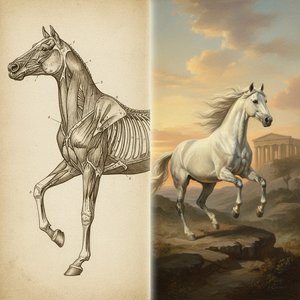
George Stubbs: Anatomical Precision & Romantic Vision in 18th-Century British Art
Explore the captivating world of George Stubbs, the 18th-century master renowned for his anatomical precision & Romantic animal paintings. Discover his legacy and investment potential.

The Alchemy of Clay: A Collector's Guide to the Mastery, Texture, and Timeless Form of Ceramic Art
Discover the profound beauty of ceramic art. Our expert guide explores the alchemy of clay, texture, and glaze, offering collectors deep insights into mastering earth and fire to create timeless, sculptural masterpieces for any curated collection.
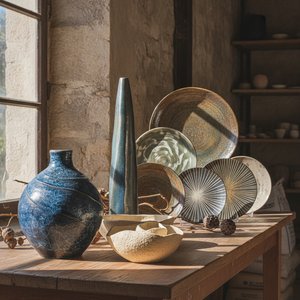
The Art of Ceramics: A Guide to Mastery, Texture, and Timeless Form for the Discerning Collector
Explore the profound elegance of ceramic art. From master glazes to sculptural forms, our expert guide offers discerning collectors deep insights into the mastery, texture, and timeless value of fine ceramics for sophisticated collections and luxury interiors.

