
 Eelvaade
 Saada
Saada Jaga
Jaga
 Teave teose kohta
 Juhend

 Laadi alla
 Sarnased teosed
 Röntgenuuring
 Slaidietendus
 KÜSIMUSED JA VASTUSID
 Statistika
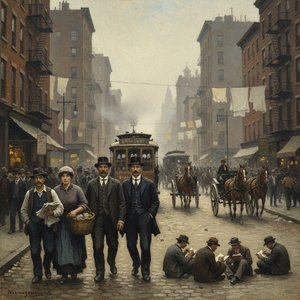
Noontime, St. Botolph Street, Boston


 Loe lähemalt
Giclée / Kunstiprint
Muuseumikvaliteediga giclée- või kangasprint kiire tootmisega ja paindlikud viimistlusvõimalused. ( Osta käsitsi maalatud teos Lülita digitaalse pildi juurde)




P118B €10

P118H €10

P118W €10

P438Z €10

P508JH €12

P508YH €12

P805H €10

P805Z €10

P919BZ €10

P919G €10

P919XJ €10

P959ZH €10

P968JZ €12

W106C €8

W218G €10

W218JH €8

W218Y €10

W307PJ €10

W316G €10

W316PJ €8

W316Y €10

W398PJ €8

W4111J €10

W500HY €15

W500JH €15

W692G €12

W849H €8

W940BG €15

W953PJ €8




Vali meie eelmääratud suurused, mis vastavad teose algupärastele proportsioonidele.

Sisestage vajalik laius ja kõrgus, et see sobiks teie raamile või seinale. Trükki saab ainult lõigata, seda ei saa kunagi pildist suuremaks teha, seega ka erineva mustega suurus kaotab osa pildist. Enne trükkimist saadame teile kinnitamiseks digitaalse näidisprojektsiooni. Sellel lehel näidatud pilt ei kujuta reaalset lõiget — seda näitab ainult näidisprojektsioon.
Ülemaailmne tarne () 2 nädala jooksul, tavalise 4/5 nädala asemel. (5 november)

Tasuta ekspresssaatmine üle maailma

Kõrgekvaliteediline lina-kangas

Täielik transpordikindlustus

Tollimaksude tagastamise garantii

Värvitoime täpsuse garantii

100 päeva tagastusõigus (ainult valmistusdefektide korral)

100% raha tagasi garantii

Hulgusoodustus
 Klaasivalik on saadaval ainult kuni 110 cm suuruses teostes

Noontime, St. Botolph Street, Boston
Giclée / Kunstiprint
Reproduktsiooni suurus
-


Koguhind
€ 72
Noontime in Boston: A Study of Urban Life by George Benjamin Luks
George Benjamin Luks’s “Noontime, St. Botolph Street, Boston,” painted in 1923, isn't merely a depiction of a rainy afternoon; it’s a poignant snapshot of American urban life at the cusp of modernity. Housed within the Museum of Fine Arts, Boston, this oil on canvas offers a rare glimpse into the everyday rhythms and quiet dramas unfolding amidst the bustling streets of early 20th-century Boston. Luks, a key figure in the Ashcan School movement, rejected the idealized portrayals favored by the National Academy of Design, instead choosing to capture the gritty reality of working-class life with unflinching honesty and remarkable empathy.
The painting immediately draws the eye to its central figure – a man navigating the rain-slicked sidewalk, clutching an umbrella and a worn suitcase. His posture suggests both weariness and determination, hinting at a journey, perhaps a temporary escape or a return home. Around him, a carefully constructed tableau of ordinary individuals unfolds: a woman hurrying past with her own umbrella, a group pausing beneath awnings, and the subtle suggestion of activity in the background – a bench occupied by a solitary figure, a chair leaning against a building. These aren’t grand historical scenes or heroic narratives; they are fragments of human experience, rendered with remarkable detail and psychological insight.
A Masterclass in Realist Technique
Luks's distinctive style is immediately apparent in the painting’s bold brushstrokes and vibrant color palette. He masterfully employs a technique that blends elements of realism and impressionism, capturing not just the visual appearance of the scene but also its atmosphere—the dampness, the muted light filtering through the clouds, and the sense of movement inherent in a busy street. The use of loose, expressive brushwork creates a dynamic energy, contrasting with the carefully observed details of the figures and their surroundings. Note particularly how he uses color to evoke the feeling of rain – subtle blues, grays, and greens dominate, punctuated by the brighter tones of umbrellas and clothing.
The artist’s attention to light and shadow is equally impressive. The wet pavement reflects the diffused sunlight, creating a shimmering effect that adds depth and realism to the scene. Luks skillfully uses chiaroscuro – the contrast between light and dark – to sculpt the figures and define their forms, drawing the viewer's eye to key elements within the composition. The subtle play of light on the wet pavement is particularly evocative, suggesting both the discomfort of the rain and the beauty of its reflection.
Contextualizing a Moment in Time
“Noontime, St. Botolph Street, Boston” was created during a period of significant social and economic change in America. The early 20th century witnessed rapid industrialization, urbanization, and immigration, leading to the growth of densely populated cities like Boston and the emergence of new working-class communities. Luks’s painting reflects this reality, portraying the lives of ordinary people struggling to make a living in an increasingly complex world. The inclusion of the suitcase suggests themes of migration and displacement – common experiences for many immigrants arriving in America at the time.
Furthermore, understanding the context of Boston itself is crucial. St. Botolph Street was a vibrant, working-class neighborhood during this period, a microcosm of the larger urban landscape. The painting’s location within the city's historical fabric adds another layer of meaning to the scene, reminding us of the rich and often overlooked history of everyday life in America.
Symbolism and Emotional Resonance
Beyond its realistic depiction of urban life, “Noontime, St. Botolph Street, Boston” carries a subtle emotional resonance. The solitary figure with the suitcase embodies themes of loneliness, uncertainty, and the challenges of navigating an unfamiliar city. The rain itself can be interpreted as a symbol of cleansing or renewal, suggesting that even in difficult circumstances, there is always the possibility for hope. Luks’s ability to capture these nuanced emotions through his masterful technique and keen observation makes this painting a truly enduring work of art.
OriginalUniqueArt offers meticulously crafted hand-painted reproductions of “Noontime, St. Botolph Street, Boston,” allowing you to bring this captivating scene into your home or office. Each reproduction is created by skilled artists using archival quality materials, ensuring that the beauty and detail of Luks’s original work are faithfully preserved for generations to come.
Korduvad küsimused
Millest teos "Noontime, St. Botolph Street, Boston" on valmistatud ja millises stiilis?
Teos "Noontime, St. Botolph Street, Boston" on valmistatud tehnikas Oil On Canvas ja kuulub Ashcan School stiili.
Kes on teose "Noontime, St. Botolph Street, Boston" autor ja millal see on loodud?
George Luks loob teose "Noontime, St. Botolph Street, Boston" aastal 1923.
Millist kintust ja intensiivsust „Noontime, St. Botolph Street, Boston“, autor George Luks näitab?
Teose „Noontime, St. Botolph Street, Boston“, autor George Luks värvitoit on Balanced Soft kütkusega ja Balanced intensiivsusega.
Kunstniku elulugu
Varajane Elu ja Kunsti Alged
George Benjamin Luks sündis 1867. aastal Williamsportis, Pennsylvanias, immigrantide perekonda – isa oli Poola arst, ema Saksamaa muusik. See mitmekultuuriline kasvukeskkond andis talle varakult sügava kaastunde tavainimeste võitluste ja triumfide suhtes, mis hiljem kujunes tema kunstilise visiooni määrava omadusena. Luks’i noorus ei olnud sugugi konventsiooniline; enne pühendumist lõuendile ja pintslile tegutsesid ta ja vend vaudeville'is esinejatena, lihvides tähelepanuvõimet ja inimkarakteri arusaama, mis hiljem osutusid hindamatuks. See maailm oli tulvil lühiajaliste hetkede, liialdatud žestide ja toorete emotsioonidega – treeningplats elu olemuse tabamiseks. Just sel perioodil tekkis temas armastus etenduste ja spektakli vastu, elemendid, mis on peenelt põimitud tema maalide dünaamilistesse kompositsioonidesse.Euroopa Õpingud ja Ashcan Kooli Sünd
Luks’i formaalne kunstiharidus algas Pennsylvania Kunstiakadeemias, kuid järgnenud reisid Euroopasse kujundasid tema esteetilisi tundeid veelgi. Ta sukeldus vanameistrite loomingusse – eriti resoneerisid temaga Velázquez ja Hals –, omandades nende valgustiku, varju ja karakteriseeringu meisterlikkuse. Küll aga ei jäljendanud ta lihtsalt; ta sünteesistas need mõjud midagi unikaalselt oma. Naastes Ameerikasse leidis Luks tööd ajalehe illustraatorina, esmalt Philadelphias ja seejärel New Yorgis. See kogemus osutus pöördeliseks. See avas talle viljaka tänavate, mitmekesiste elanikkondade ja varajase 20. sajandi linnaelu karmide reaalsuste maailma – teemad, mis domineerisid tema kunstilist väljundit aastaid. Ta ühendus sarnset mõtlemisega kunstnike ringiga—Robert Henri, John Sloan, William Glackens—kes jagasid akadeemiliste konventsioonide tagasilükkamist ja soovi kujutada maailma sellisena nagu nad seda nägid, ausalt ja eelarvamusteta. See kollektiivne vaim andis tõusu nn Ashcan Koolile, liikumisele, mis väljakutse akadeemilistele kunstinormidele ning tähistas ilu igapäevases.Linna Pulsi Tabamine Maalides
Luks’i maale iseloomustab hoogne pintslikäsitlus, julged kompositsioonid ja linnaelu kompromissitu kujutamine. Ta ei kartnud kujutada 20. sajandi Ameerika varajase perioodi vaesust, raskusi ja sotsiaalset ebavõrdsust. Tema tegelased olid sageli võetud New Yorgi tänavatelt – taksojuhid, tänaval esinejad, töötegijad ja tavalised inimesed igapäevaelus. Näiteks The Cabby on võimas kujutlus töölisest, tema näol on väsimuse jäljed, kuid kiirgab vaikne väärikus. Samuti tabab Sulky Boy nooruse haavatavust ja introspektsiooni tähelepanuväärse tundlikkusega. Luks’i tehnika oli sama eriline kui tema teema. Ta kasutas paksu impasto stiili, rakendades heldelt värvi lõuendile, luues tekstuurilise pinna, mis näis vibreerivat energiast. Värvikasutus oli sageli summutatud, peegeldades linnaelu karmit reaalsust, kuid täiendatud säravaid väljendushetki, mis tõmbasid vaataja pilku.Alaesindatud Hääle ja Püsiv Pärand
“The Eight” liikmena mängis Luks olulist rolli traditsioonilise kunstimaailma väljakutses ja tee avamises Ameerika modernismile. Grupi iseseisev näitus 1908. aastal oli murranguline hetk, mis põhjustas poleemikat, kuid tõi ka tähelepanu nende uuenduslikule lähenemisviisile maalimisele. Luks ei olnud lihtsalt huvitatud reaalsuse dokumenteerimisest; ta soovis edasi anda selle emotsionaalset kaalu, selle sisemist draamat. Ta tahtis, et tema maalid tunneksid sama palju kui näeksid. Peale kunstiliste saavutuste oli Luks ka kirglik Ameerika kunsti ja kunstnike poolehoidja. Ta õpetas Kunstiõpilaste Liigas, inspireerides põlvkondi noori maalijaid omaks võtma oma unikaalse hääle ja perspektiivi. Tema mõju on näha paljude järgnenud kunstnike töödes, kes soovisid tabada linnaelu vaimu. George Benjamin Luks suri 1933. aastal, jättes maha loomingu, mis jätkab tänapäevalgi vaatajaid kõnetades. Tema maalid ei ole pelgalt ajaloolised dokumendid; need on võimsad tunnistused inimlikust olukorrast, meeldetuletused nende lugude võitluste ja triumfide kohta, mis muidu oleks unustatud. Ta jääb Ameerika kunstiajaloo eluliseks figuuriks, realismit pooldavaks hääleks ja alaesindatud inimeste eest seisjaks.
George Luks
1867 - 1933 , Ameerika Ühendkultuur
Lühikest infot
- Artistic Movement Or Style: Ashcan School, Realism
- Artists Or Movements Influenced By This Artist: ['Ameerika modernism']
- Artists Who Influenced This Artist:
- Velázquez
- Hals
- Manet
- Date Of Birth: 1867
- Date Of Death: 1933
- Full Name: George Benjamin Luks
- Nationality: Ameeriklaste rahvus
- Notable Artworks:
- The Cabby
- Sulky Boy
- Coal Mining Town
- Place Of Birth (City And Country): Williamsport, USA
Sarnased artiklid
The Ashcan School: Realism, Urban Life & the Democratization of American Art
Explore the revolutionary Ashcan School! Discover how artists like Henri & Sloan challenged tradition with gritty realism, capturing urban life in early 20th-century America. Learn about their impact on American art history.

Romantic Realism's Finest: 10 Masterpieces for Your Home | OriginalUniqueArt
Explore 10 defining masterpieces of Romantic Realism! Discover Courbet, Millet & Daumier's powerful paintings—capturing emotion and social realities. Find museum-quality reproductions for your home at OriginalUniqueArt.com.

Georges Braque: 25 meistriteost, mis muutsid kunsti – OriginalUniqueArt.com
Avastage Georges Braque 25 ikoonilist teost! Sukeldu kubismi maailma, modernse kunsti geomeetrilistesse vormidesse ja värvikates maalidess. Leia inspiratsiooni interjööri kujunduseks OriginalUniqueArt.com-is. Kunstikollektsioonid ja kvaliteetsed reproduktsioonid.

Georges Seurat: 25 meistriteost valgusest ja värvist | OriginalUniqueArt
Avastage Georges Seurat' 25 ikoonilist teost! Sukeldume pointillismi, valgusest ja värvist täis maailma. Leidke inspiratsiooni interjööri kujundamiseks OriginalUniqueArt.com-is – kvaliteetsed reproduktsioonid ja kunstikollektsioonid ootavad!

Concrete Visions: Exploring the Urban Landscape in Painting – From Realism to Contemporary Art
Explore the evolution of cityscape painting from Realism to contemporary art with OriginalUniqueArt. Discover key artists & invest in timeless urban visions. Expert guidance, museum-quality reproductions.
