
 Eelvaade
 Saada
Saada Jaga
Jaga
 Teave teose kohta

 Laadi alla
 Sarnased teosed
 Röntgenuuring
 Slaidietendus
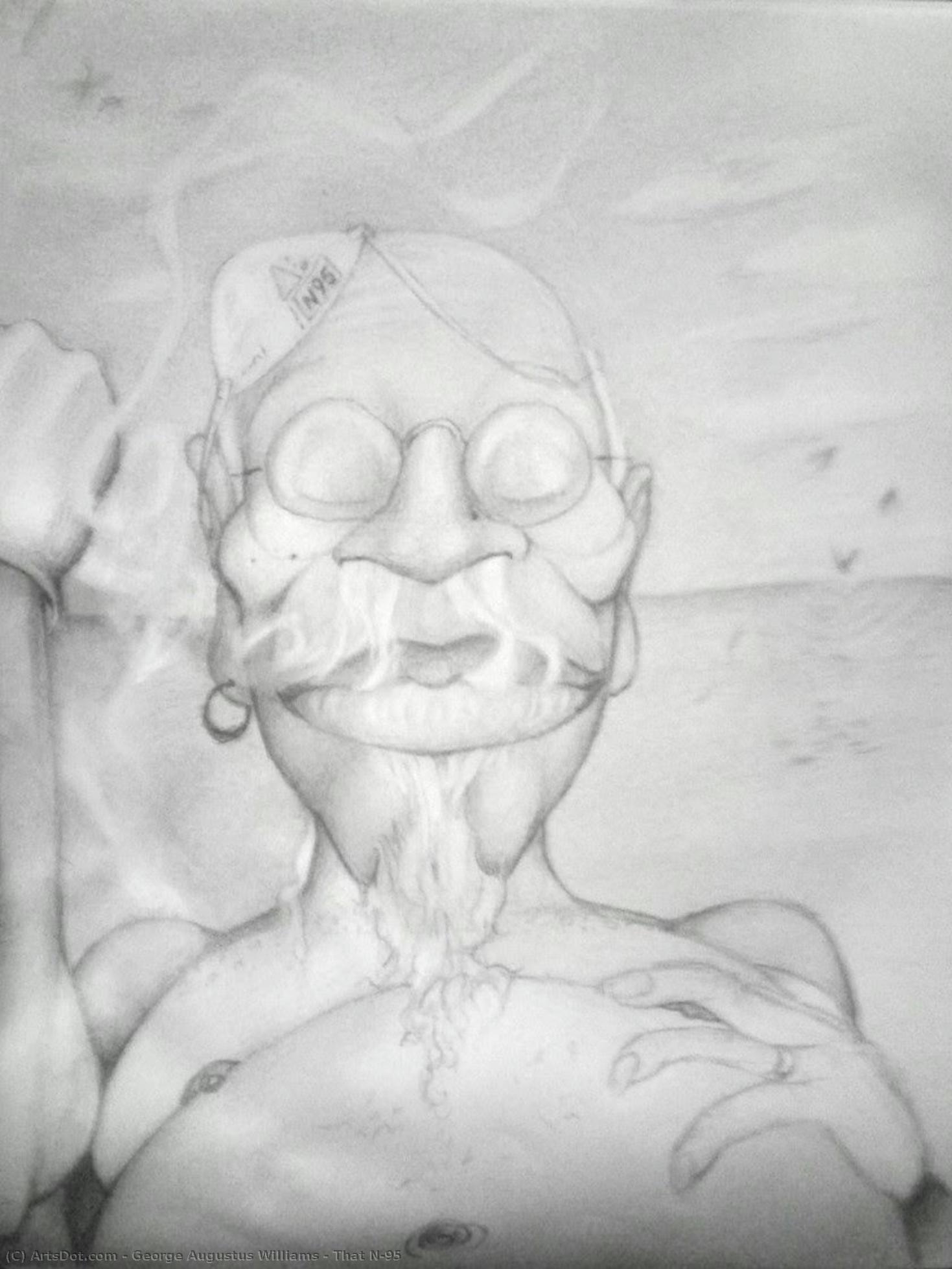
That N-95

 Loe lähemalt
Giclée / Kunstiprint
Muuseumikvaliteediga giclée- või kangasprint kiire tootmisega ja paindlikud viimistlusvõimalused. ( Lülita käsitsi maalatud版本le Vaata pilti)




































Vali meie eelmääratud suurused, mis vastavad teose algupärastele proportsioonidele.

Saate sisestada oma mõõdud, et need sobiks konkreetse raami või ruumi sisse. Kui valitud suurus ei vasta originaalteose proportsioonidele, lõigame teose ära või laiendame pilti peegeldatud või ühtlase servaga. Enne tootmisprotsessi algust saadetakse Teie kinnitamiseks digitaalne näidis.
Palun märka, et ekraanil kuvatav eelvaade ei kajasta tegelikku lõigamist või laiendamist. Ainult näidis kujutab täpselt lõplikku kompositsiooni.
Kuigi erimõõdu on saadaval, soovitame originaaproportsioonide säilitamiseks valida mõõt ette määratud nimekirjast.
Ülemaailmne tarne () 2 nädala jooksul, tavalise 4/5 nädala asemel. (11 august)

Tasuta ekspresssaatmine üle maailma

Kõrgekvaliteediline linakangas

Täielik transpordikindlustus

Tollimaksude tagastamise garantii

Värvitoime täpsuse garantii

60-päevane tagastusõig: ainult tootmisdefektide korral

100% raha tagasi garantii

Hulgusoodustus
 Klaasivalik on saadaval ainult suuruses kuni 110 cm

That N-95
Giclée / Kunstiprint
Reproduktsiooni suurus
-


Kogusumma
$ 80
Kogumuse kirjeldus
Kunstniku elulugu
George Augustus Williams: A Pioneer of Victorian Landscape Painting
George Augustus Williams (1814 – 1901) stands as a significant figure within the Williams family of painters—a lineage celebrated for its contribution to British landscape art during the Victorian era. Born in London, he descended from Edward Williams (1781-1855), a renowned painter himself, inheriting an artistic tradition that emphasized observation and meticulous detail. Despite lacking formal instruction beyond his father’s guidance, Williams cultivated a distinctive style characterized by serene depictions of Thames river scenes and Welsh landscapes—particularly the dramatic vistas surrounding Dolgelly Estuary. His work gained recognition at the Royal Academy from 1841 onwards, establishing him as a respected artist within the burgeoning Barnes School movement.Early Life & Artistic Influences
Williams’s upbringing instilled in him a deep appreciation for nature and artistic craftsmanship. Growing up amidst a family of artists—including Alfred Walter Williams, Selwyn College and his brothers—provided invaluable exposure to techniques and sensibilities that would shape his oeuvre. Edward Williams's dedication to capturing the beauty of the English countryside served as a formative influence, encouraging George to pursue similar goals with unwavering commitment. The prevailing Romantic aesthetic championed by artists like James Ward and George Morland further fueled Williams’s artistic vision, emphasizing emotional resonance alongside accurate representation.Notable Works & Artistic Style
Williams's paintings exemplify the hallmark qualities of Victorian landscape art: atmospheric perspective, subtle tonal gradations, and a careful attention to textural nuances. He excelled at portraying riverscapes—particularly the Thames—capturing their reflections and conveying the tranquility of riverside life. Similarly, his depictions of Dolgelly Estuary captured the grandeur of Snowdonia National Park, showcasing the rugged beauty of Welsh mountains under moody skies. His canvases often featured luminous moonlight illuminating misty valleys and lakes, reflecting a fascination with capturing fleeting moments of sublime natural splendor. The Barnes School’s emphasis on plein air painting—working directly from nature—clearly resonated with Williams's artistic approach.Career & Recognition
Williams established himself as a prolific artist throughout his lifetime, exhibiting extensively at the Royal Academy and securing commissions for private patrons. His paintings gained considerable acclaim during his time, cementing his reputation as one of Britain’s foremost landscape painters. He was particularly active in promoting the Barnes School movement, fostering collaboration among artists and championing innovative techniques—such as layering glazes to achieve depth and luminosity. The enduring legacy of Williams's work lies not only in its aesthetic beauty but also in its embodiment of Victorian ideals—a reverence for nature alongside a commitment to artistic excellence.Legacy & Historical Significance
George Augustus Williams’s contribution to British landscape painting is undeniable, securing his place within the annals of Victorian art history. His paintings continue to inspire admiration for their masterful execution and evocative portrayal of the English countryside. As a member of the Williams family—a collective celebrated for its artistic lineage—Williams exemplifies the spirit of innovation and dedication that characterized the Barnes School movement. His work serves as a testament to the transformative power of observation, meticulous technique, and an unwavering passion for capturing the sublime beauty of the natural world.
george augustus williams
1814 - 1901
Lühikesed faktid
- Artistic Movement Or Style: Victorian Landscape Art
- Artists Or Movements Influenced By This Artist: ['Williams Family Painters']
- Artists Who Influenced This Artist:
- James Ward
- George Morland
- Date Of Birth: May 4, 1814
- Date Of Death: May 26, 1901
- Full Name: George Augustus Williams
- Nationality: English
- Notable Artworks:
- Frozen Mill Pond
- Near Dolgelly
- Place Of Birth: London, England

