

 Vaata sisu
 Jaga teost
 Jaga
Jaga
 Detailid
 Õppekate juhend

 Laadi alla
 Sarnased teosed
 Röntgenuuring
 Slaidietendus
 Statistika
Indian Image
 Expressionism
 1972
1972 173.0 x 203.0 cm
 Loe lähemalt
Sellel lehel kuvatav kunstiteos on kaitstud autoriõigusega, mis tähendab, et meil ei ole seaduslikku õigust luua või müüa identset reproduktsiooni. Seda kaitset rakendatakse rahvusvaheliste kokkulepete alusel, nagu näiteks Berne konventsioon ning riiklike seadustega, sealhulgas nendega, mida on sätestatud USA autoriõiguse seadus – 17. peatükk.
Austasena ja seaduslikuna alternatiivina pakume originaalist inspireeritud, käsitsi maalitud isikupärastatud teoseid. Meie osutavad ja professionalsed kunstnikud uurivad hoolikalt originaali stiili, meelemoi ja kunstilist olemust, et luua uus, ainulaadne teos, mis tekitab sama tunnet – olles samal ajal omaette originaalne looming.
See meetod järgib täielikult autoriõiguse reegleid, kuna see ei põhine kaitstud kunstiteose kopeerimisel või dupliteerimisel. Selle asemel on tegu loova reinterpreetatsiooniga – uue maaldisega, mis on algteosest inspireeritud, kuid ei ole sellest identiline.
Käsitsi valmistatud õlimaalireproduktsioon
Meie kunstnike poolt tellimusel valmistatud käsitsi maalitud õli-kainaste teos teie soovitud suuruses ja raamis. ( Lülita trükkitoodetele Ülemineku digitaalse pildi müügi kanalisse)




































Vali meie eelmääratud suurused, mis vastavad teose algupärastele proportsioonidele.

Sisestage vajalik laius ja kõrgus, et teos sobiks teie raamile või seinale. Kuna tegu on käsipainatud teosega, siis erineva kujuga suuruse korral võib kunstnik jätta pildi ümber veidi rohkem marginaali või lõigata osa ära — valik on teie. Enne maali alustamist saadame teile kinnitamiseks digitaalse näidisprojektsiooni. Sellel lehel näidatud pilt ei kajasta tegelikku tulemust — seda näitab ainult näidisprojekttsioon.
Pärast tellimust saadab OriginalUniqueArt.com meeskond kliendile e-posti juhised ning esitab eelvaate kavandi
Maailmline tarne 3–4 nädala jooksul tavalise 5 nädala asemel. (21 oktoober). Kvaliteedis kompromisse ei tehta.

Tasuta ekspresssaatmine üle maailma

Kõrgekvaliteediline lina-kangastest muld

Täielik transpordikindlustus

Tollimaksude tagastamise garantii

Värvitoime täpsuse garantii

100 päeva tagastusõigus (ainult defektide korral)

100% raha tagasi garantii

Hulgusoodustus
 Klaasivalik on saadaval ainult kuni 110 cm suuruses teostes

Indian Image
Reproduktsiooni materjal
Reproduktsiooni mõõtmed
-


Lõppsumma
€ 262
Kunstniku elulugu
Fritz Scholder: A Renegade Voice in Native American Art
Fritz Scholder (1937-2005) wasn’t born into a world of tradition or steeped in the lore of his ancestry. He was, in many ways, an outsider—a European-American raised in Minnesota and California, with only a quarter Luiseno bloodline connecting him to the California Mission tribes. Yet, this very distance became the cornerstone of his revolutionary approach to Native American art, forging a path that challenged established stereotypes and offered a brutally honest, often uncomfortable, portrayal of modern Indian life. Scholder’s legacy isn't one of romanticized depictions; it’s a testament to the power of perspective—a refusal to simply observe but instead to actively interrogate and deconstruct the narratives surrounding Native Americans in American culture.
Scholder’s early artistic development was shaped by a confluence of influential figures. His initial exposure to art came through his high school teacher, Oscar Howe, a prominent Yanktonai Dakota artist who instilled in him an appreciation for traditional forms and storytelling. This foundation was further strengthened during the summer of 1955 at the Mid-West Art and Music Camp, where he encountered Robert B. Green and James Grittner. Later, his move to Sacramento in 1957 brought him into contact with Wayne Thiebaud, a pivotal figure in Abstract Expressionism, who introduced Scholder to the possibilities of modern abstraction. This exposure proved crucial, laying the groundwork for his later stylistic innovations.
The “Real Indian” Series and Controversy
Scholder’s most significant contribution to Native American art arrived in 1967 with the launch of his controversial "Indian Image" series. Rejecting the prevalent romanticized depictions of Native Americans—the stoic warrior, the noble savage—Scholder presented a starkly different reality. He depicted Indians engaging in everyday activities: drinking beer, smoking cigarettes, driving cars, and even wearing Western clothing. These images, rendered in bold acrylics with a textured surface reminiscent of folk art, were deliberately provocative, confronting viewers with the uncomfortable truth that Native Americans were not relics of the past but modern individuals grappling with contemporary issues.
The series ignited immediate controversy within the art world and among Native American communities. Some viewed it as disrespectful and exploitative, accusing Scholder of appropriating a culture he didn’t fully understand. Others recognized its power—its unflinching honesty and its challenge to ingrained prejudices. Despite the criticism, the "Indian Image" series cemented Scholder's reputation as a daring and uncompromising artist who refused to shy away from difficult subjects. It marked a turning point in Native American art, shifting the focus from traditional representations to explorations of contemporary identity.
Technique and Influences
Scholder’s artistic style evolved significantly throughout his career. Initially influenced by Abstract Expressionism, he gradually developed a distinctive approach characterized by bold colors, layered textures, and a flattened perspective—a technique that echoed the visual language of folk art and advertising. He was particularly adept at using acrylic paint to create thick, impasto surfaces, imbuing his canvases with a sense of physicality and immediacy.
Beyond painting, Scholder explored various mediums, including monotypes, lithographs, and sculpture. His work was deeply influenced by the teachings of Lloyd Kiva New, a Cherokee designer who encouraged him to embrace Native American aesthetics and storytelling traditions. He also drew inspiration from Hopi jeweler Charles Loloma, incorporating elements of indigenous craftsmanship into his artistic practice. His time at the Institute of American Indian Arts in Santa Fe exposed him to a diverse range of Native American artists and perspectives, further broadening his creative horizons.
Legacy and Historical Significance
Fritz Scholder’s impact on Native American art is undeniable. He shattered conventional representations, forcing viewers to confront uncomfortable truths about the relationship between Native Americans and mainstream America. His work paved the way for a new generation of artists who dared to explore complex issues of identity, culture, and history with honesty and vulnerability.
Scholder’s legacy extends beyond his individual artworks. He was a dedicated teacher and mentor, shaping the careers of numerous Native American artists. His willingness to challenge established norms and embrace unconventional approaches continues to inspire artists today. Fritz Scholder wasn't simply an artist; he was a catalyst for change—a voice that refused to be silenced and a testament to the power of art to provoke dialogue and foster understanding.

Fritz Scholder
1937 -
Lühikest infot
- Full Name: Fritz William Scholder V
- Nationality: American (Luiseño)
- Date Of Birth: 1937
- Date Of Death: February 10, 2005
- Place Of Birth: Breckenridge, Minnesota
- Notable Artworks:
- Indian Image
- Indian and Storefront
- Indian Power
- Artistic Movement Or Style: Abstract Expressionism, Pop Art
- Artists Who Influenced This Artist:
- Oscar Howe
- Wayne Thiebaud
- Artists Or Movements Influenced By This Artist: ['T.C. Cannon']
Sarnased artiklid

John Constable: 25 Suurimat Teost Inglise Maastikumaali Tippu
Avastage John Constable'i 25 suurimat teost! Sukeldu inglise maastikumaali romantismisse, imetlege Dedham Vale ilu ja leia inspiratsiooni kodukaunistuseks. Kvaliteetsed kunstireprodutsioonid OriginalUniqueArt.com-is. Vaata kohe!

Hokusai's Masterpieces: 25 Iconic Prints & Paintings for Art Lovers | OriginalUniqueArt
Journey through Katsushika Hokusai’s 25 most iconic artworks, including *The Great Wave*. Explore the ukiyo-e master's history, style & timeless Japanese woodblock prints. Find museum-quality reproductions for your home at OriginalUniqueArt.com.
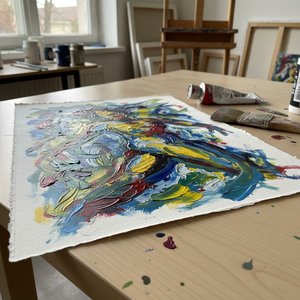
Acrylic on Paper: A Modern Canvas for Contemporary Expression
Explore the versatility of acrylic painting on paper! Discover expert techniques, artist insights & archival practices for creating stunning contemporary art. Learn more at OriginalUniqueArt.

Evocations of Place: A Historical Journey Through Landscape Art
Explore the rich history of landscape art with OriginalUniqueArt. Discover renowned artists, movements like Impressionism & Romanticism, and expert guidance for collecting timeless pieces. Find your perfect serene escape today!

Romantilise Maastikukunsti 10 Meisterteost: Kunstiteosed Koduks OriginalUniqueArt.com'ist
Avastage 10 romantilise maastikukunsti meistriteost! Tutvuge Caspar David Friedrichi, J.M.W. Turneri ja teiste suurte kunstnike loominguga OriginalUniqueArt.com-is. Leidke täiuslik õlimaal või reproduktsioon koduks – inspireeriv kollektsioon ootab!