
 Eelvaade
 Saada
Saada Jaga
Jaga
 Teave teose kohta
 Juhend

 Laadi alla
 Sarnased teosed
 Röntgenuuring
 Slaidietendus
 Statistika
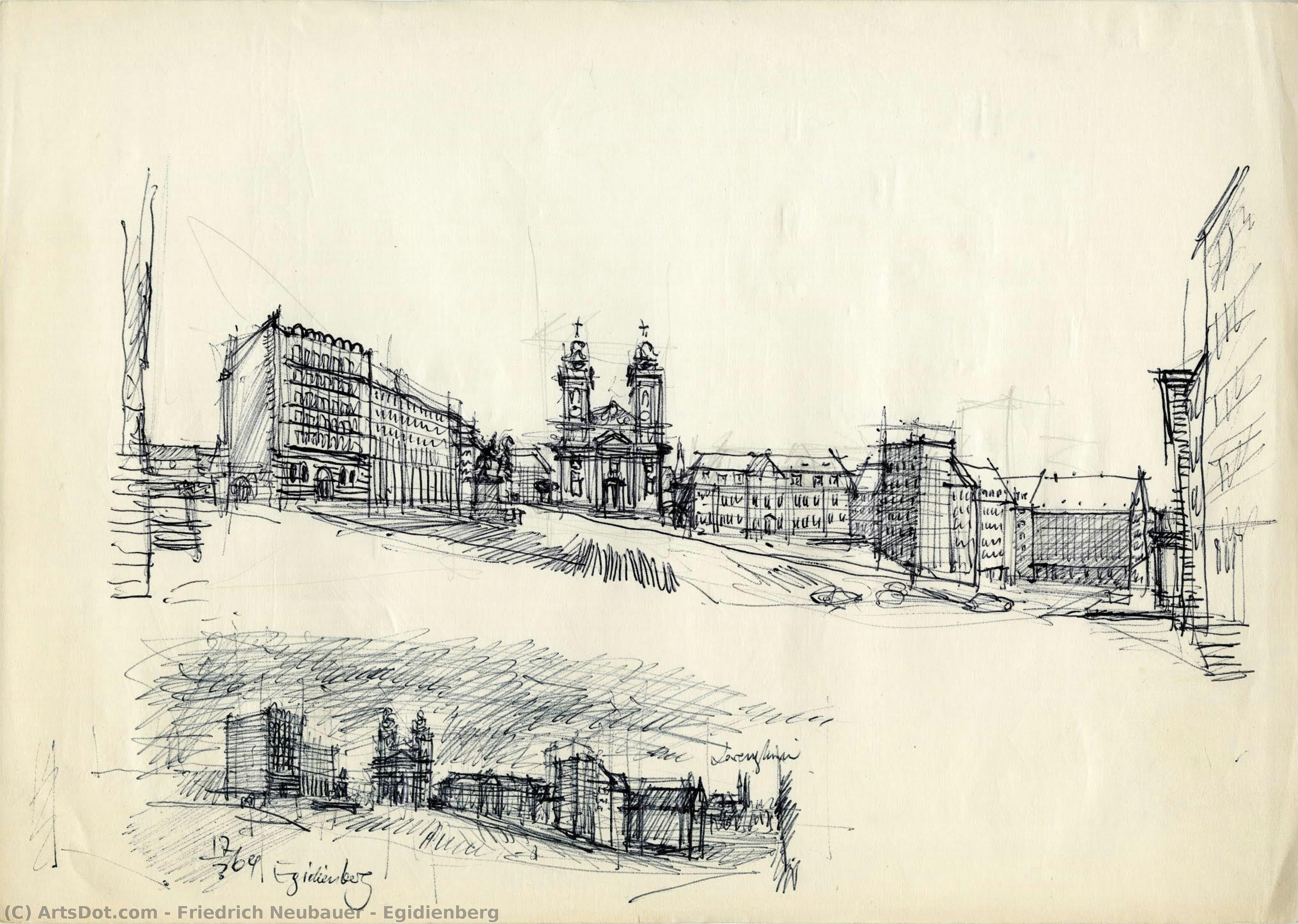
Egidienberg


 Loe lähemalt
Sellel lehel kuvatav kunstiteos on kaitstud autoriõigusega, mis tähendab, et meil ei ole seaduslikku õigust luua või müüa identset reproduktsiooni. Seda kaitset rakendatakse rahvusvaheliste kokkulepete alusel, nagu näiteks Berne konventsioon ning riiklike seadustega, sealhulgas nendega, mida on sätestatud USA autoriõiguse seadus – 17. peatükk.
See meetod järgib täielikult autoriõiguse reegleid, kuna see ei põhine kaitstud kunstiteose kopeerimisel või dupliteerimisel. Selle asemel on tegu loova reinterpreetatsiooniga – uue maaldisega, mis on algteosest inspireeritud, kuid ei ole sellest identiline.
Giclée / Kunstiprint
Muuseumikvaliteediga giclée- või kangasprint kiire tootmisega ja paindlikud viimistlusvõimalused. ( Osta käsitsi maalatud teos Lülita digitaalse pildi juurde)




































Vali meie eelmääratud suurused, mis vastavad teose algupärastele proportsioonidele.

Sisestage vajalik laius ja kõrgus, et see sobiks teie raamile või seinale. Trükki saab ainult lõigata, seda ei saa kunagi pildist suuremaks teha, seega ka erineva mustega suurus kaotab osa pildist. Enne trükkimist saadame teile kinnitamiseks digitaalse näidisprojektsiooni. Sellel lehel näidatud pilt ei kujuta reaalset lõiget — seda näitab ainult näidisprojektsioon.
Ülemaailmne tarne () 2 nädala jooksul, tavalise 4/5 nädala asemel. (28 oktoober)

Tasuta ekspresssaatmine üle maailma

Kõrgekvaliteediline lina-kangas

Täielik transpordikindlustus

Tollimaksude tagastamise garantii

Värvitoime täpsuse garantii

100 päeva tagastusõigus (ainult valmistusdefektide korral)

100% raha tagasi garantii

Hulgusoodustus
 Klaasivalik on saadaval ainult kuni 110 cm suuruses teostes

Egidienberg
Giclée / Kunstiprint
Reproduktsiooni suurus
-


Koguhind
€ 70
Korduvad küsimused
Kust saan leida sarnaseid teoseid kui „Egidienberg“, autor Friedrich Neubauer?
Teose „Egidienberg“, autor Friedrich Neubauer lehel Sarnased teosed on esiletõstetud sarnased teosed.
Kas teosele "Egidienberg" on saadaval lisatud reaalsete elementidega (AR) eelvaade?
Teosele "Egidienberg" on saadaval täiendatud reaalne eelvaade: teose AR-eelvaade teose kohta leht näitab seda teie enda ruumis ühilduval seadmel.
Kui harmoniliselt on teoses „Egidienberg“, autor Friedrich Neubauer värvid ühendatud?
Teose „Egidienberg“, autor Friedrich Neubauer värvid kujutavad Unified Palette harmooniat. Harmoonia kirjeldab, kuidas värvid omavahel seotud on.
Kunstniku elulugu
The Architect of Memory: The Life and Vision of Friedrich Neubauer
Friedrich Neubauer stands as a singular figure in German art history, a creator who masterfully blended architectural precision with the raw, emotive power of painting. Born in Nuremberg in 1912, during the turbulent years following World War I, Neubauer’s formative experiences instilled within him an unwavering dedication to preserving cultural heritage while simultaneously exploring artistic expression rooted in psychological depth. His life's work became inextricably linked to the rebuilding effort after the devastation of Kristallnacht and the Second World War, cementing his reputation as a champion of Nuremberg’s architectural legacy and a chronicler of its most profound transformations.
Neubauer pursued formal education at Munich and Stuttgart Universities, specializing in architecture—a discipline that would serve as both his primary profession and an indispensable tool for interpreting the visual world. This rigorous training provided him with more than just technical mastery; it gifted him a profound understanding of spatial relationships and structural integrity, qualities that would later permeate every brushstroke of his artistic endeavors. During this period, he encountered the transformative influence of Expressionism, absorbing its tenets of subjective emotion and intentional distortion as vehicles for conveying inner turmoil and confronting societal anxieties. This exposure proved pivotal, allowing him to bridge the gap between the rigid lines of a blueprint and the fluid, often haunting, landscapes of the human psyche.
A Legacy Written in Stone and Watercolor
The duality of Neubauer’s career is perhaps most evident in his architectural achievements, where he acted as a preservationist with a keen eye for history. His work spanned decades, culminating in significant contributions to Nuremberg’s revitalization following the war years. He undertook numerous projects aimed at restoring historic landmarks, most notably the St. Lorenzkirche and the Rathaus Nürnberg. Through his meticulous drawings and reconstructions, he captured not merely physical structures but the very spirit of a city struggling to reclaim its identity from the ashes of conflict.
Parallel to his architectural restoration was his profound artistic output, where he used various media to document the trauma and beauty of his era. His works often serve as poignant historical documents:
- Nothing but Ruins, and Still No Peace: A haunting 1956 watercolor that utilizes dark plumes of smoke rising over the ruins of Nuremberg to invite viewers into the somber aftermath of war.
- View of Nuremberg from the Sinwellturm (1945): A powerful, stark grayscale work that captures the devastating aerial reality of WWII, reflecting themes of loss and collective trauma.
- St. Lorenzkirche: An expressive piece where he moves away from pure documentation toward a vibrant, Cubist-inspired style, using dynamic lines and emotive abstraction to reimagine sacred spaces.
The Intersection of Expressionism and Documentation
Neubauer’s artistic development was deeply influenced by the masters of emotional intensity, particularly the works of Edvard Munch. This influence is visible in his ability to use color and form to evoke a sense of existential dread or quiet resilience. While his architectural training anchored him in reality, his artistic soul sought the sublime. His paintings often oscillate between the documentary—capturing the literal destruction of German landmarks—and the symbolic, where the ruins become metaphors for the fractured state of the post-war human condition.
Ultimately, the historical significance of Friedrich Neubauer lies in his ability to act as both a builder and a witness. He did not merely rebuild the walls of Nuremberg; he rebuilt its visual memory. Through his unique lens, the structural permanence of architecture and the fleeting, emotional intensity of Expressionism merged, leaving behind a body of work that remains an essential testament to German resilience and the enduring power of the artistic vision.

Friedrich Neubauer
1912 - 2004 , Germany
Lühikest infot
- Full Name: Friedrich Neubauer
- Nationality: German
- Date Of Birth: 1912
- Date Of Death: 2004
- Place Of Birth: Nuremberg, Germany
- Notable Artworks:
- Anxiety 2
- St. Lorenzkirche
- View of Nuremberg
- Artistic Movement Or Style: Expressionism & Cubism
- Artists Who Influenced This Artist: ['Edvard Munch']
- Artists Or Movements Influenced By This Artist: ['Expressionism']