
 Eelvaade
 Saada
Saada Jaga
Jaga
 Teave teose kohta
 Juhend

 Laadi alla
 Sarnased teosed
 Röntgenuuring
 Slaidietendus
 KÜSIMUSED JA VASTUSID
 Statistika
Self Portrait (Dedicated to Leon Trotsky)


 Loe lähemalt
Giclée / Kunstiprint
Muuseumikvaliteediga giclée- või kangasprint kiire tootmisega ja paindlikud viimistlusvõimalused. ( Osta käsitsi maalatud teos Lülita digitaalse pildi juurde)




P118B €10

P118H €10

P118W €10

P438Z €10

P508JH €12

P508YH €12

P805H €10

P805Z €10

P919BZ €10

P919G €10

P919XJ €10

P959ZH €10

P968JZ €12

W106C €8

W218G €10

W218JH €8

W218Y €10

W307PJ €10

W316G €10

W316PJ €8

W316Y €10

W398PJ €8

W4111J €10

W500HY €15

W500JH €15

W692G €12

W849H €8

W940BG €15

W953PJ €8




Vali meie eelmääratud suurused, mis vastavad teose algupärastele proportsioonidele.

Sisestage vajalik laius ja kõrgus, et see sobiks teie raamile või seinale. Trükki saab ainult lõigata, seda ei saa kunagi pildist suuremaks teha, seega ka erineva mustega suurus kaotab osa pildist. Enne trükkimist saadame teile kinnitamiseks digitaalse näidisprojektsiooni. Sellel lehel näidatud pilt ei kujuta reaalset lõiget — seda näitab ainult näidisprojektsioon.
Ülemaailmne tarne () 2 nädala jooksul, tavalise 4/5 nädala asemel. (5 november)

Tasuta ekspresssaatmine üle maailma

Kõrgekvaliteediline lina-kangas

Täielik transpordikindlustus

Tollimaksude tagastamise garantii

Värvitoime täpsuse garantii

100 päeva tagastusõigus (ainult valmistusdefektide korral)

100% raha tagasi garantii

Hulgusoodustus
 Klaasivalik on saadaval ainult kuni 110 cm suuruses teostes

Self Portrait (Dedicated to Leon Trotsky)
Giclée / Kunstiprint
Reproduktsiooni suurus
-


Koguhind
€ 72
A Portrait of Passion and Politics: Unveiling Frida Kahlo’s “Self Portrait (Dedicated to Leon Trotsky)”
Frida Kahlo's "Self Portrait (Dedicated to Leon Trotsky)" is more than just a painting; it’s a poignant intersection of personal drama, political fervor, and the artist’s uniquely surreal vision. Completed in 1937, this captivating work offers a glimpse into a turbulent period of Kahlo’s life – a brief but intense affair with the exiled revolutionary Leon Trotsky – while simultaneously embodying her signature blend of vulnerability and defiant strength. The painting, now housed at the National Museum of Women in the Arts in Washington D.C., continues to resonate today as a testament to Kahlo's complex personality and her profound engagement with the world around her. The scene unfolds within a richly layered interior, dominated by a heavy velvet curtain that serves as both a physical barrier and a symbolic one. Kahlo, dressed in an opulent pink gown adorned with intricate embroidery – a deliberate nod to Tehuana dress, a style associated with female warriors from the Isthmus of Tehuantepec – stands poised before this curtain, holding a bouquet of flowers and a letter addressed to Trotsky. Her face is partially veiled by a delicate headpiece, adding an air of mystery and suggesting a carefully constructed persona. The use of color is masterful; the vibrant pink contrasts sharply with the darker tones of the background, drawing immediate attention to Kahlo’s figure and emphasizing her presence within the scene. The artist's meticulous attention to detail – from the delicate folds of the fabric to the subtle shading on her face – speaks volumes about her dedication to her craft and her desire to capture every nuance of human experience. The painting is executed in oil, a medium that allowed Kahlo to build up layers of color and texture, creating a sense of depth and realism that belies the surreal elements at play. Understanding the historical context surrounding this piece is crucial to appreciating its full significance. Following the Russian Revolution, Leon Trotsky became a central figure in the burgeoning communist movement, but he was ultimately exiled by Joseph Stalin for his opposition to the latter’s policies. Seeking refuge in Mexico, Trotsky found sanctuary within the home of Diego Rivera and Frida Kahlo. Their relationship, fraught with both passion and rivalry, provided a fascinating backdrop for this particular painting. Kahlo's dedication is evident not just in the portrait itself but also in the letter she penned to Trotsky, expressing her feelings and offering a personal tribute. The inclusion of flowers symbolizes affection and devotion, while the curtain represents the boundaries between their worlds – a private intimacy shielded from public scrutiny. It’s a visual representation of the delicate balance between love, politics, and artistic expression that defined Kahlo's life. Beyond its biographical details, “Self Portrait (Dedicated to Leon Trotsky)” is deeply rooted in Kahlo’s broader artistic concerns. The painting exemplifies her signature style – a potent blend of surrealism and realism. The dreamlike quality of the setting, combined with the stark portrayal of Kahlo’s emotions, creates a powerful sense of unease and introspection. Kahlo frequently used self-portraits to explore themes of identity, pain, and mortality, often incorporating elements from Mexican folklore and pre-Columbian art into her compositions. The use of symbolism is particularly striking: the flowers represent love and beauty, while the curtain suggests both protection and confinement. Furthermore, Kahlo’s deliberate choice of attire – referencing Tehuana traditions – speaks to her embrace of Mexican identity and her desire to challenge conventional notions of femininity. The painting's enduring appeal lies in its ability to evoke a range of emotions—intrigue, curiosity, vulnerability, and defiance. It is a window into the heart and mind of one of the most iconic artists of the 20th century, offering a glimpse into her personal struggles and artistic vision. Today, reproductions of “Self Portrait (Dedicated to Leon Trotsky)” are highly sought after by art enthusiasts and collectors alike, providing an opportunity to bring this extraordinary work of art into any home or space. OriginalUniqueArt offers meticulously crafted hand-painted reproductions that faithfully capture the painting’s original beauty and emotional depth, allowing you to experience Kahlo's masterpiece in a truly authentic way.Frida Kahlo: A Biographical Overview
Born Magdalena Carmen Frida Kahlo y Calderón on July 6, 1907, in Coyoacán, Mexico City, Frida’s life was marked by both extraordinary talent and profound suffering. Her early childhood was profoundly impacted by polio, which left her with a permanent limp and a lifelong struggle with physical limitations. This experience instilled in her a deep sense of resilience and self-awareness that would later inform her artistic practice. At age six, she began to develop an interest in art, encouraged by her father, Guillermo Kahlo, who was a German-Mexican photographer. In 1925, at the age of eighteen, Frida’s life took a devastating turn when she was involved in a horrific bus accident that left her with severe injuries, including fractures to her spine, pelvis, and leg. This traumatic event fundamentally altered her physical and emotional landscape, leading to years of painful medical treatments and confinement. It was during this period of convalescence that Frida began to paint seriously, using art as a means of processing her pain and exploring her inner world. Her marriage to the renowned muralist Diego Rivera in 1929 further shaped her life and artistic trajectory, bringing both joy and conflict into her existence. Kahlo’s work became increasingly personal and introspective, reflecting her experiences with love, loss, identity, and the complexities of Mexican culture. She died on July 13, 1954, leaving behind a legacy as one of the most important and influential artists of the 20th century.Korduvad küsimused
Kuidas on "Self Portrait (Dedicated to Leon Trotsky)" ajalooliselt positsioneeritud?
Ajalooliselt on "Self Portrait (Dedicated to Leon Trotsky)" laiemast Modernism ajast pärit Surrealism teos.
Millissele stiilile kuulub "Self Portrait (Dedicated to Leon Trotsky)"?
Teos „Self Portrait (Dedicated to Leon Trotsky)“, autor Frida Kahlo kuulub Surrealism suunasse. See suund annab teosele stilistilise konteksti.
Kes on teose "Self Portrait (Dedicated to Leon Trotsky)" kunstnik?
Teose "Self Portrait (Dedicated to Leon Trotsky)" autoriks on mõeldud Frida Kahlo.
Kunstniku elulugu
Valukiviga vormitud elutruu kunst: Frida Kahlo
Frida Kahlo, kodunimega Magdalena Carmen Frida Kahlo y Calderón, sündis 1907. aastal México Linna Coyoacáni linnaosas ning jätsid tema ellu sügava jälje nii füüsilised kannatused kui ka kirglik vaim. Tema elu oli dramaatiline ja täis väljakutseid, mis kujundasid tema ainulaadset kunstipilti – ausat, isiklikku ja universaalselt kõnetavat. Frida isa, Guillermo Kahlo, saksa-mehhiklase päritoluga fotograaf, toetas tütari pooleldi intellektuaalset arengut ning andis aluse tema kunstilisele teekonnale. Kuid lapsepõlve varjutasid haigused; kuueaastaselt haigestus ta lastehalvatusse, mis jättis püsiva halvatusse järel ja mõjutas tema füüsilist arengut. See nooruslik kogemus haavatavuse ja piiranguga sai korduvaks teemaks tema loomingus, kujundades tema vaate kehale, valutule ning vastupanuvõimele. Frida oli juba enne seda katastroofilist õnnetust, mis määras suure osa tema kunstilisest karjäärist, teravalt teadlik oma kehalisusest ja selle olemuslikust haprusest.Elumuutnud õnnetus ning eneseotsingud maalidel
Frida elu pöörasid dramaatiliselt ümber 1925. aastal toimunud bussikatastroof, mis jättis talle rasked vigastused – selgrooluumurdud, vaagnaluumurdud ja mitmeid teisi purustusi. Pikenenud taastusperiood, voodihaiglaaeg ning pidevad ortopeedilised abivahendid muutisid tema maailma kitsamaks, kuid samal ajal avasid uksi enese väljendamisele maali vahendusel. Eemaletõukatusest ja piirangutest hoolimata suutis Frida leida lohutus ning vabanemise kunstis. Tema ema kohandas talle spetsiaalse maalijala, mis võimaldas tal tegelda kunsti loomisega isegi haiglavoodist. Just sel perioodil hakkas Frida intensiivselt tegema eneseportreede seeriat. Võimetus maailma uurida, pööras ta pilgu sisemusse ning dokumenteeris oma kujutist täpselt ja ausalt, et mõista ja võita oma valu – nii füüsilist kui ka emotsionaalset. Need varased tööd ei olnud pelgud portreed; need olid visuaalsed uurimised identiteedi, haavatavuse ning inimvaimu kordumatu jõuga. Õnnetus polnud lihtsalt tragöödia; see oli katalüsaator, mis avas tema kunstilise potentsiaali, sundides teda silmitsi vaatama oma suremusega ja leidma tähendust kannatuses.Diego Riveraga seotud kirg ja loominguline areng
Frida elus toimus veel üks oluline sündmus 1929. aastal, kui ta abiellus tuntud mehhiko seinakunstniku Diego Riveraga. Nende suhe oli kirglik ning samas ka rahutu – täis sügavat armastust, truputust, kunstilist konkurentsi ja perioodiliselt lahkumisi ning leppimisi. Vaatamata emotsionaalsele tormile mõjutas Rivera oluliselt Frida kunstilise arengut. Ta julgustas teda järgima oma ainulaadset visiooni, pakkudes konstruktiivset kriitikat samal ajal tunnustades tema töö jõudu ja originaalsust. Tema juhendamisel ning pideva eksperimenteerimise kaudu hakkas Frida stiil koonduma, segunedes Mehhiko rahvakunstielementidega, realismiga ja surrealismiga, moodustades eripärase visuaalse keele. Tema maalidel hakati käsitlema teemasid nagu identiteet, inimkeha, valu, surm ning naisekogemus. Ta ei peljanud kujutada oma kannatust; pigem omakasutas ta seda keskseks teemaks oma loomingus, muutudes isiklikust traumast universaalseks avalduseks inimese olukorra kohta.Sümbolism ja vastupanuvõime väljendused
Frida Kahlo on võib-olla kõige tuntum oma eneseportreede poolest, mida iseloomustab ausus ning sümbolilise sügavusega. Teosed nagu "Kaks Fridadat" (1939), võimas kujutus tema kahest identiteedist pärast lahutust Riverast, näitavad tema võimekust väljendada sisemisi konflikte silmapaistvate visuaalsete metafooridega. "Eneseportree tikkivate käevõrude ja kolibri-kaelusega" (1940) on täis sümboleid – tikud esindavad valu, kolibri lootust ning vastupanuvõimet, must kass aga halva õnne ennastlennu. "Murdunud Kolonn" (1944), hirmutav kujutus tema füüsilisest kannatusest, kujutab Fridadat avatud torso koos Ionic kolonniga selgroo asemel, mis on kokku pandud rihmadega ja torgitud naeltega. Isegi "Henry Ford Hospital" (1932), raamatu ja südamliku kujutus tema raseduskatastroofist, näitab tema valmidust tegeleda tabuteemadega ausa julgusega. Need maalijad ei ole pelgud valu esitused; need on vastupanu aktid, enese kinnitusi vaevarikka olukorra keskel.Püsiv pärand
Frida Kahlo mõjutus ulatub kaugemale kunstimaailmast. Ta oli kultuuriikoon, kes tegi otsinguid traditsiooniliste soosõdade ja ühiskondlike ootuste vastu oma elu ja loominguga. Tema omakultuuri ning identiteedi rõhutamine aitas tõsta Mehhiko kultuuri rahvusvahelise profiili ning tema aus kujutamine valutule kõnetas publikke kogu maailmas, muutes ta vastupanuvõime ja tugevuse sümboliks. Ta sai oluliseks tegelaseks Ameerika Ühendriikide Chicanode ringkondades, esindades nende kultuuripärandit ja võitlusi. Kuigi ta ei soovinud endtõmmata surrealistina, jagab tema töö liikumise omadusi, mis uurivad teadvusetta ja unenäolisi kujusid. Tänapäeval tähistatakse Frida Kahlot kui 20. sajandi ühe olulisima kunstniku, kelle pärand jätkab põlvkondade inspireerimist oma identiteedi omarmamiseks, vastupanu väljakutsetele ning iseendale ausalt avaldumiseks. Tema kunst on tõestus inimvaimu kordumatu jõust leida ilu ja tähendust isegi kõige tumedatel aegadel.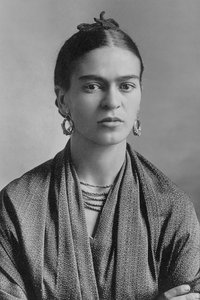
Frida Kahlo
1907 - 1954 , Mehhiko
Lühikest infot
- Artistic Movement Or Style: Surrealism, rahvakunst
- Artists Or Movements Influenced By This Artist:
- Chicano kunst
- Feministlikud kunstnikud
- Artists Who Influenced This Artist:
- Mehhiko rahvakunstnikud
- Euroopa renessanssmaalijad
- Date Of Birth: 6. juuli 1907
- Full Name: Magdalena Carmen Frida Kahlo y Calderón
- Nationality: Mehhiklane
- Notable Artworks:
- The Two Fridas
- Self-Portrait with Thorn Necklace
- The Broken Column
- Henry Ford Hospital
- Place Of Birth: Coyoacán, Mehhiko
Sarnased artiklid
Unveiling Frida Kahlo: A Journey Through Her Most Iconic Masterpieces and the Soul of Mexican Surrealism
Embark on a profound journey through Frida Kahlo's most iconic masterpieces. Discover the deep symbolism, Mexican heritage, and resilient spirit behind her legendary works in this expert art-historical exploration designed for true art enthusiasts.
Frida Kahlo: A Life Painted – Surrealism, Identity & Autobiographical Narrative
Explore the life & art of Frida Kahlo – a journey through surrealism, identity, pain, and resilience. Discover her autobiographical masterpieces & lasting feminist legacy with OriginalUniqueArt.
Revolution on Canvas: Exploring the Socio-Political Power & Artistic Legacy of Mexican Muralism
Explore the powerful world of Mexican muralism! Discover Diego Rivera, Frida Kahlo & Orozco's revolutionary art, social impact & lasting legacy. Expert insights & high-quality reproductions at OriginalUniqueArt.

The Inner Landscape: Exploring Themes of Introspection in Visual Art Across Movements & Eras
Explore the captivating world of introspective art! Discover how artists across eras – from Rembrandt to Kahlo – used self-portraiture to reveal their inner worlds and emotional depths. A journey through art history & psychology.
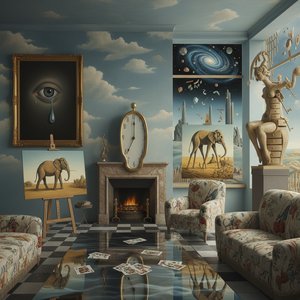
Surrealismi 10 Meisterteost: Kunsti, Mis Muudab Reaalsuse
Sukeldu sürreaalsete meistriteoste maailma! Salvador Dalí, René Magritte jt legendid. Avasta 10 teost, mis defineerisid sürrealismi. Kunstiajalugu ja inspiratsioon interjöördisainiks – OriginalUniqueArt.com


