

 Vaata sisu
 Jaga teost
 Jaga
Jaga
 Detailid
 Õppekate juhend

 Laadi alla
 Sarnased teosed
 Röntgenuuring
 Slaidietendus
 Statistika
Landscape
 Oil On Canvas
- WallArt
- British Landscape Painting
 96.0 x 146.0 cm
 The Hepworth Wakefield
 Loe lähemalt
Giclée / Kunstiprint
Muuseumikvaliteediga giclée- või kangasprint kiire tootmisega ja paindlikud viimistlusvõimalused. ( Telli käsitsi maalitud reproduktsioon Ülemineku digitaalse pildi müügi kanalisse)




P118B €10

P118H €10

P118W €10

P438Z €10

P508JH €12

P508YH €12

P805H €10

P805Z €10

P919BZ €10

P919G €10

P919XJ €10

P959ZH €10

P968JZ €12

W106C €8

W218G €10

W218JH €8

W218Y €10

W307PJ €10

W316G €10

W316PJ €8

W316Y €10

W398PJ €8

W4111J €10

W500HY €15

W500JH €15

W692G €12

W849H €8

W940BG €15

W953PJ €8




Vali meie eelmääratud suurused, mis vastavad teose algupärastele proportsioonidele.

Sisestage vajalik laius ja kõrgus, et see sobiks teie raamile või seinale. Trükki saab ainult lõigata, seda ei saa kunagi pildist suuremaks teha, seega ka differentse vormiga suurus kaotab osa pildist. Enne trükkimist saadame teile kinnitamiseks digitaalse näidisprojektsiooni. Sellel lehel näidatud pilt ei kujuta reaalset lõiget — seda näitab ainult näidisprojekttsioon.
Ülemaailmne tarne () 2 nädala jooksul, tavalise 4/5 nädala asemel. (23 oktoober)

Tasuta ekspresssaatmine üle maailma

Kõrgekvaliteediline lina-kangastest muld

Täielik transpordikindlustus

Tollimaksude tagastamise garantii

Värvitoime täpsuse garantii

100 päeva tagastusõigus (ainult defektide korral)

100% raha tagasi garantii

Hulgusoodustus
 Klaasivalik on saadaval ainult kuni 110 cm suuruses teostes

Landscape
Giclée / Kunstiprint
Reproduktsiooni mõõtmed
-


Lõppsumma
€ 70
A Window on the English Countryside: Frederick Waters Watts’ “Landscape”
Frederick Waters Watts' "Landscape," a captivating oil painting from around 1860, isn’t merely a depiction of a rural scene; it’s an invitation into a meticulously rendered world brimming with quiet observation and a profound connection to the English countryside. The piece immediately draws the viewer in with its harmonious palette – a symphony of greens, blues, and browns that evoke the serenity of a late summer afternoon. It's a landscape steeped in Constablean influence, prioritizing atmospheric perspective and a subtle, almost melancholic beauty over dramatic grandeur.
The composition itself is deceptively simple yet remarkably effective. A meandering river dominates the midground, its waters reflecting the sky above with an ethereal quality. A dirt path, barely discernible, leads the eye into the distance, hinting at journeys and possibilities. Scattered amongst the trees are a few figures – likely farmers or laborers – engaged in quiet activities, their presence adding a touch of human scale to the vastness of the scene without disrupting the overall sense of tranquility. The rolling hills in the background, painted with delicate brushstrokes, fade into a hazy blue, creating an illusion of depth and distance that is characteristic of Watts’ style.
The Painter's Hand: Technique and Style
Watts was deeply influenced by John Constable, and this influence is readily apparent in "Landscape." He masterfully employed *plein air* painting techniques – working directly from nature – to capture the fleeting effects of light and atmosphere. Notice the subtle variations in color across the foliage, the way shadows fall on the ground, and the delicate rendering of water surfaces. The brushwork is loose yet controlled, creating a sense of movement and texture that brings the landscape to life. The artist’s attention to detail is remarkable; individual leaves are suggested rather than meticulously rendered, allowing the eye to fill in the gaps and contributing to the painting's overall impressionistic quality.
Furthermore, Watts skillfully utilized atmospheric perspective – *sfumato* – to create a sense of depth. Objects further away appear paler and less distinct, while those closer are richer in color and detail. This technique is particularly evident in the distant hills, which seem to dissolve into the hazy blue sky. The use of muted tones and subtle gradations of color contributes significantly to the painting’s overall mood of quiet contemplation.
A Victorian Vision: Historical Context
"Landscape" reflects the artistic sensibilities of the mid-19th century – a period when landscape painting was experiencing a resurgence in popularity. Following the Romantic movement, artists began to turn their attention to the beauty and sublimity of nature, seeking solace and inspiration in the countryside. Watts’ work aligns with this trend, capturing the idealized vision of rural England that was so prevalent during the Victorian era.
The painting also speaks to a broader cultural shift – a growing appreciation for the natural world and a desire to escape the pressures of urban life. The Victorian period witnessed significant industrialization and urbanization, leading many people to seek refuge in the countryside. Landscape art provided a means of reconnecting with nature and celebrating its enduring beauty. Watts’ painting embodies this sentiment, offering a glimpse into a simpler, more harmonious way of life.
Symbolism and Emotional Resonance
Beyond its technical merits, “Landscape” is imbued with subtle symbolism. The meandering river can be interpreted as a metaphor for the passage of time, while the figures in the foreground represent humanity’s connection to the land. The overall mood of the painting – serene, contemplative, and slightly melancholic – reflects the Victorian fascination with mortality and the fleeting nature of beauty. It's not simply a pretty picture; it invites reflection on our relationship with the natural world and our place within it.
The painting’s enduring appeal lies in its ability to evoke a sense of nostalgia for a bygone era – a time when life moved at a slower pace and people were more attuned to the rhythms of nature. “Landscape” is a testament to Watts' skill as an artist and his profound understanding of the English countryside, offering viewers a moment of respite from the complexities of modern life.
Küsimused ja vastused
Milline paigutus sobib teose „Landscape“, autor Frederick Waters Watts formaadile?
Formaat (Portrait) ja soovitatav ruum (Living Room) on kaks teosest „Landscape“, autor Frederick Waters Watts saadud paigutusandmet.
Mis on teose "Landscape" vorming ja suurus?
Teose „Landscape“, autor Frederick Waters Watts mõõtmed on 96 x 146 cm ja selle formaat on Portrait.
Jääb teos "Landscape" kunstniku kodumaale?
Jah – teos asub kunstniku kodumaal. Frederick Waters Watts sündis riigis Ühendkuningriik ning teose "Landscape" algorig on säilitatud muuseumis, mis asub riigis Ühendkuningriik.
Kunstniku elulugu
Inglise pastoraalne visioon: Frederick Waters Wattsi elu ja pärand
Victoriaanliku kunsti annalsis on vähegi nimesid, mis võiksid tekitada Inglismaa maapiirkondade vaikset ja hingustavat olemust nii nagu Frederick Waters Watts. Sündinud ajaloolises Bathi linnas aastal 1800, tõusev Watts oli maalari, kelle töö toimis sügavana sildina ühekskümne sajandi alguse karmie naturalismi ja hilisema viktoriaanliku ajastu peenema esteetikaga. Kuigi suur osa tema isikupärasest ajaloost on mähitud ajaga varundatud kaja—ajaloolikud vaidlevad sageli tema vanemate ja täpse surmaaja kohta—on tema kunstiline kohalolu vääramatu. Ta oli kunstnik, kes ei maalnud pelgalt maastikke; ta tabas maapiirkondade hingust, andes igale jõeläas ja päikeseloojendatud niidule igavene rahu tunne.
Wattsi suuruse alus lesis tema sügavast, peaaegu vaimsest sidumistest John Constable teostega. Sisenedes Londoni Kunstiakadeemia koolidesse aastal 1817, püüdis Watts meistrivalda valgusest ja atmosfäärist koosnevaid peidetud keerukusi, mis olid määranud Constable'i traditsiooni. Tema varajased triumfid, sealhulgas hõbedamed aastatel 1819–1821, märgisid sügavalt vaatlemise võimega varustatud talendi saabumist. Ta omakasutas en plein air ehk õues maali tehnikat, töötades otse loodusega, et tõlkida mööduva pilve peened nüanssid või jõelä suvandused püsivaks õli- ja kändlapindaks. See pühendumus otseselle jälgimisele võimaldas tal liikuda edasi puhtast imiteerimisest, arendades stiili, mis tundus nii intimitatsioon lõhikuga kui ka poeetiliselt kõlevana.
Valgus ja Inglismaa maastik meistarlus
Wattsi teos, mis koosneb ligikaudu 380 maalist, toimib Inglismaa idülliliste hetkide tohutu galeriina. Tema tehniline meisterlikkus on kõige selgemalt nähtav võimes manipuleerida valgust, et luua sügavust ja emotsionaalset resonanssi. Olgu siis tegemist Medway jõe rahulike vesi või Cumberlandi metsiku iluga, Watts kasutas paletti, mis tähistas looduse loomulikke toone. Tema kompositsioonid sisaldavad sageli:
- Atmosfääriline sügavus: meistraluslik udu ja valgus, mis vihjab Inglismaa horisondi lõputute ulatustele.
- Jõelä pikimatus: keerulised vee kujutlused, kus praaklevad voolud ja peegelduste mäng loovad elava liikumise tunde.
- Pastoraalne šarm: peened inimlikud elemendid—kaugine inimtugevus, murul söidlev lehm või rustikaalne sild—mis anavad tema suurepärastele maastiktele kättesaadava ja pastoraalse reaalsuse.
Puhtast naturalismist kaugemale vaatades on tema töödes olemas sügavam sümbolismi alusvool, mis viitab kontemplatiivsele vaimule. Mõned uurijad näevavad tema hilisemaid uuringuid esteetika prisma läbi, märkides, kuidas tema maastikud võivad ületada puhtalt topograafilise tähenduse ja muutuda allegorilisteks meditaatsioonideks rahu, lootuse ja elu tsüklilise olemuse üle. See duallism—võime olla nii looduse täpne vaatleja kui ka poeetiline unistaja—on see, mis eristab tema tööd tema kaaslaste omast.
Ajalooline tähtsus ja igav pärand
Kogu oma pikema karjääri jooksul, mil ta eksponeeris Kunstiakadeemias ja Briti Instituutsis kuni 1860. aastateni, säilitas Watts Londoni kunstimaastikul stabiilne kohalolu. Tema võime navigeerida viktoriaanliku ajastu muutuvate maitsete vahel—ajastu alguse raske romantismi ja hilisyears peenema sümbolistliku lähenemise vahel—tagas tema püsiva asjakohasuse. Kuigi ta elas läbi kiire industrialiseerumise perioodi, mis ähvardas just neid maastikke, mida ta armastas, jäävad tema maalid kaotatud, pre-industrialiseerimise Eelne Inglismaa pühaks varjundiks.
Tänapäeval elab Frederick Waters Wattsi pärand edasi prestiižsete institutsioonide, nagu Tate, kogumistes, kus tema teosed jätkavad imetlust tekitamist. Ta on asendamatu tegelane kõigile, kes soovivad mõista Briti maastikumaali evolutsiooni. Tema elu töö seisab kui tõestus jälgimise jõu ja looduse igavuse vastu, meelestades meid, et isegi kõige lühiajalisesma valgushetkel jõelä on olemas sügav ja igavene väärikus.

Frederick Waters Watts
1800 - 1870 , Ühendkuningriik
Lühikest infot
- Artistic Movement Or Style: Romantiline maaparid
- Artists Or Movements Influenced By This Artist: ['Romantiline maaparid']
- Artists Who Influenced This Artist: ['John Constable']
- Date Of Birth: 7. oktober 1800
- Date Of Death: 4. juuli 1870
- Full Name: Frederick Waters Watts
- Nationality: Briti
- Notable Artworks:
- Lambast ja tema karj, ülikaja üle astumas
- Pealkirjamatu (1392)
- Place Of Birth: Bath, Ühendkuningriik
Sarnased artiklid
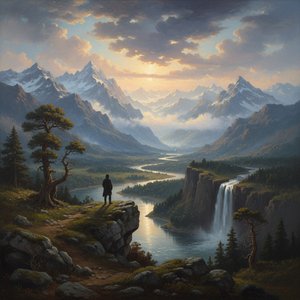
Frederick William Hayes: Transcendental Landscapes & the American Sublime
Explore the captivating landscapes of Frederick William Hayes, a Victorian artist influenced by the Hudson River School & literary utopias. Discover his legacy and artistic techniques at OriginalUniqueArt.

John Constable: 25 Suurimat Teost Inglise Maastikumaali Tippu
Avastage John Constable'i 25 suurimat teost! Sukeldu inglise maastikumaali romantismisse, imetlege Dedham Vale ilu ja leia inspiratsiooni kodukaunistuseks. Kvaliteetsed kunstireprodutsioonid OriginalUniqueArt.com-is. Vaata kohe!
Frederick Waters Watts: A Victorian Vision of Aestheticism & Spiritual Symbolism
Explore the captivating world of Frederick Watts, a key Victorian painter blending aestheticism & spiritual symbolism. Discover his allegorical masterpieces like 'Hope' and delve into his artistic journey with OriginalUniqueArt.

Arboreal Echoes: A Historical & Artistic Exploration of Trees in Painting
Explore the rich history of trees in painting! Discover symbolism, Romantic masterpieces by Caspar David Friedrich & beyond. A curated journey for art enthusiasts.

Romantilise Maastikukunsti 10 Meisterteost: Kunstiteosed Koduks OriginalUniqueArt.com'ist
Avastage 10 romantilise maastikukunsti meistriteost! Tutvuge Caspar David Friedrichi, J.M.W. Turneri ja teiste suurte kunstnike loominguga OriginalUniqueArt.com-is. Leidke täiuslik õlimaal või reproduktsioon koduks – inspireeriv kollektsioon ootab!