Bauhaus · 1974
BASIC SCHEME FOR ROOM UNITS AND UTILISATION IN THE HV HOUSE (Trading House Berlin) (Franz Ehrlich, 1974)
Franz Ehrlich (1907–1984) on loonud teose BASIC SCHEME FOR ROOM UNITS AND UTILISATION IN THE HV HOUSE (Trading House Berlin). See on pärinev 1974 aastast. See kuulub Bauhaus suuntrime. Teos on valmistatud materjalist Drawing. Teos asub Bauhaus Dessau Foundation kogamuses Dessau-Roßlau, Deutschland. Mõõdud on 36 × 62 cm.
- 1974
- Drawing
- 36 × 62 cm
- Bauhaus Dessau Foundation, Dessau-Roßlau

 Eelvaade

 Käsitsi maalatud õlimaalatsioon
 Saada
 Jaga
 Teave teose kohta


 Laadi alla
 Sarnased teosed
 Röntgenuuring
 Slaidietendus
 KÜSIMUSED JA VASTUSID

 Statistika
BASIC SCHEME FOR ROOM UNITS AND UTILISATION IN THE HV HOUSE (Trading House Berlin) lühidalt
- Pealkiri
- BASIC SCHEME FOR ROOM UNITS AND UTILISATION IN THE HV HOUSE (Trading House Berlin)
- Kunstnik
- Franz Ehrlich (1907–1984)
- Kunstnik on sündinud
- Reuth, Saksamaa
- Kuupäev
- 1974
- Tehnika
- Drawing
- Mõõtmed
- 36 × 62 cm
- Kus seda näeb
- Bauhaus Dessau Foundation, Dessau-Roßlau, Deutschland
- Suunad
- Bauhaus
- Aeglkond
- Modern
- Teema
- architectural plan, blueprint, floor plan, interior design, room layout, technical drawing
Mida BASIC SCHEME FOR ROOM UNITS AND UTILISATION IN THE HV HOUSE (Trading House Berlin) kujutab?
The Blueprint of Visionary Order
In the intersection of architectural precision and graphic elegance lies Franz Ehrlich’s 1974 masterpiece, BASIC SCHEME FOR ROOM UNITS AND UTILISATION IN THE HV HOUSE. This intricate drawing serves as more than a mere technical blueprint; it is a window into a structured mind attempting to harmonize human movement with spatial efficiency. As one gazes upon the detailed layout of the Trading House Berlin, the eye is immediately drawn to the rhythmic dance of labels and dimensions that define each room. The work captures a moment where the functional requirements of a modern trading house meet the avant-garde sensibilities of a designer trained in the legendary halls of the Bauhaus. It is an evocative exploration of how space dictates life, presenting a meticulously mapped universe where every kitchen, living area, and corridor is assigned a purposeful existence.
The technique employed by Ehrlich reflects his profound background as a calligrapher and graphic designer. There is a deliberate, almost musical quality to the way the lines intersect and the text is placed within the architectural voids. The drawing possesses a clarity that transcends its utilitarian purpose, utilizing a clean, modernist aesthetic that emphasizes legibility and structural integrity. For the collector or interior designer, this piece offers a sophisticated layer of intellectual depth. It does not merely decorate a wall; it invites contemplation on the very foundations of our built environment. The interplay between the starkness of the plan and the density of information creates a visual texture that is both stimulating and grounding, making it an ideal centerpiece for spaces that celebrate modernism, minimalism, or industrial chic.
A Legacy of Resilience and Design
To understand the soul of this work, one must look toward the turbulent history of its creator. Franz Ehrlich’s life was a testament to the endurance of the creative spirit amidst political upheaval. Having been shaped by the radical innovations of the Bauhaus in Dessau, Ehrlich carried the principles of functionalism and social responsibility through some of the most challenging decades of the twentieth century. This specific scheme for the HV House, created in 1974, represents a mature synthesis of his lifelong commitment to design as a tool for societal organization. The drawing embodies the post-war architectural drive to rebuild and redefine urban spaces with clarity and logic.
For those seeking to integrate this reproduction into a curated collection, the emotional impact lies in its quiet authority. It evokes a sense of nostalgia for an era of monumental planning while remaining strikingly contemporary in its graphic execution. The piece resonates with anyone who finds beauty in order, structure, and the hidden geometries of our daily lives. Whether placed in a professional studio or a private residence, this work by Ehrlich serves as a profound reminder that even the most functional plans are, at their heart, works of profound artistic intention.
Kumba muuseumis asub teos BASIC SCHEME FOR ROOM UNITS AND UTILISATION IN THE HV HOUSE (Trading House Berlin)?
Bauhaus Dessau Foundation
Dessau-Roßlau, Deutschland
A Legacy Forged in Experimentation: The Bauhaus Dessau Foundation Nestled within the meticulously restored Bauhaus building itself, the Bauhaus Dessau Foundation isn’t merely a museum; it’s an immersive experience. Established in 1994 to safeguard and propagate the radical ideas of Walter Gropius’ legendary school, this institution stands as a testament to a pivotal moment in architectural and design history. More than just showcasing finished products, the Foundation delves into the *process* of creation – the interplay between art, architecture, technology, and social theory that defined the Bauhaus ethos.


BASIC SCHEME FOR ROOM UNITS AND UTILISATION IN THE HV HOUSE (Trading House Berlin) kõrge resolutsiooniga pildid

Protected by copyright: these files are for personal reference, not a licence to republish.
Franz Ehrlich, BASIC SCHEME FOR ROOM UNITS AND UTILISATION IN THE HV HOUSE (Trading House Berlin) (1974), Bauhaus Dessau Foundation.
Küsimused teemal BASIC SCHEME FOR ROOM UNITS AND UTILISATION IN THE HV HOUSE (Trading House Berlin) – vastused
Kust saab teose „BASIC SCHEME FOR ROOM UNITS AND UTILISATION IN THE HV HOUSE (Trading House Berlin)“, autor Franz Ehrlich täna vaadata?
Originaalteost „BASIC SCHEME FOR ROOM UNITS AND UTILISATION IN THE HV HOUSE (Trading House Berlin)“, autor Franz Ehrlich hoiustatakse Bauhaus Dessau Foundation, Dessau-Roßlau, Deutschland muuseumis. Reproduktsioon võimaldab teost koduses keskkonnas esitleda.
Millal loodi teos "BASIC SCHEME FOR ROOM UNITS AND UTILISATION IN THE HV HOUSE (Trading House Berlin)"?
Teos „BASIC SCHEME FOR ROOM UNITS AND UTILISATION IN THE HV HOUSE (Trading House Berlin)“, autor Franz Ehrlich loodi aastal 1974.
Millest on teos "BASIC SCHEME FOR ROOM UNITS AND UTILISATION IN THE HV HOUSE (Trading House Berlin)" valmistatud?
Teose „BASIC SCHEME FOR ROOM UNITS AND UTILISATION IN THE HV HOUSE (Trading House Berlin)“, autor Franz Ehrlich materjal on Drawing. Reproduktsioonide eesmärk on jälitada selle tehnika välimust.
Mis on teose „BASIC SCHEME FOR ROOM UNITS AND UTILISATION IN THE HV HOUSE (Trading House Berlin)“, autor Franz Ehrlich tegelik suurus?
Teose „BASIC SCHEME FOR ROOM UNITS AND UTILISATION IN THE HV HOUSE (Trading House Berlin)“, autor Franz Ehrlich mõõdud on 36 x 62 cm. Reproduktsioone saab tellida muutes mõõtust, säilitades samal ajal samad proportsioonid.
Mida „BASIC SCHEME FOR ROOM UNITS AND UTILISATION IN THE HV HOUSE (Trading House Berlin)“, autor Franz Ehrlich kujutab?
„BASIC SCHEME FOR ROOM UNITS AND UTILISATION IN THE HV HOUSE (Trading House Berlin)“, autor Franz Ehrlich kujutab: architectural plan, blueprint, floor plan, interior design, room layout, technical drawing.
Kas teose „BASIC SCHEME FOR ROOM UNITS AND UTILISATION IN THE HV HOUSE (Trading House Berlin)“, autor Franz Ehrlich pilt on vabalt reproduseeritav?
Teos „BASIC SCHEME FOR ROOM UNITS AND UTILISATION IN THE HV HOUSE (Trading House Berlin)“, autor Franz Ehrlich on lubaõiguslikult on endiselt autoriõiguse all under kaitse. See staatus reguleerib teose pildi reprodüseerimise võimalusi.
Millisele kunstnikule on teos "BASIC SCHEME FOR ROOM UNITS AND UTILISATION IN THE HV HOUSE (Trading House Berlin)" atribuutseeritud?
Teose "BASIC SCHEME FOR ROOM UNITS AND UTILISATION IN THE HV HOUSE (Trading House Berlin)" looja on Franz Ehrlich. Teos on kataloogitud nime Franz Ehrlich all.
Millissele kunstisuunale kuulub teos „BASIC SCHEME FOR ROOM UNITS AND UTILISATION IN THE HV HOUSE (Trading House Berlin)“, autor Franz Ehrlich?
Teosest „BASIC SCHEME FOR ROOM UNITS AND UTILISATION IN THE HV HOUSE (Trading House Berlin)“, autor Franz Ehrlich tuntud kunstisuuna on Bauhaus. See klassifikatsioon aitab teost paigutada sarnaste kunstnike ja teoste hulka.
Millist etap Franz Ehrlich loomingus teos "BASIC SCHEME FOR ROOM UNITS AND UTILISATION IN THE HV HOUSE (Trading House Berlin)" esindab?
Teos "BASIC SCHEME FOR ROOM UNITS AND UTILISATION IN THE HV HOUSE (Trading House Berlin)" kuulub Franz Ehrlich loomingulise karjääri perioodi Late Period. See klassifikatsioon seostab teose kunstniku loovliku arenguga.
Kunstnikust, Franz Ehrlich
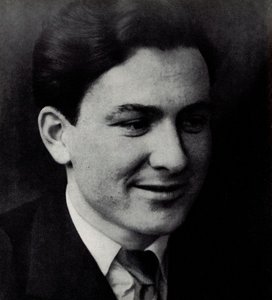
1907–1984, Saksamaa
Franz Ehrlich
varase elu ja haridus Franz Ehrlich, tuntud saksa arhitekt, kalligraaf ja graafiline disainer, sündis aastal 1907. Tema kujunusaastad olid iseloomulikud loomulisele kalduvusele kunstide suunas, mis viis teda aastatel 1eks 1930 õppima Dessau Bauhaus institutsionisse. See prestiižne asutus mängis võtuvrolli Ehrlichi kunstilise vaatepiigi vormimisel, tutvustades talle selle ajastu avantgardseid suuntruid. kunstiline karjäär ja kommunistlik kuuluvus Ehrlichi seos kommunistliku partiiga avaldas sügav mõju nii tema elule kui ka karjäärile.
Ka Franz Ehrlich teosed
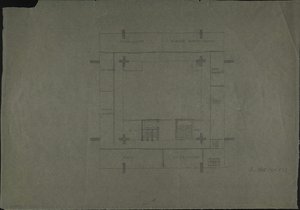 3rd FLOOR (Design for a foreign representation of the GDR. Floor plan)
 LBH BUILDING MACHINERY WOODWORKING MACHINERY HALL 5 (Leipzig Trade Fair, plan view exhibition stand)1949
 4 armchairs. 1 Bench. Office of the vice president (of the Academy of Sciences of the GDR in Berlin)
 Bookshop Hauptstraße / Transversal section (FDGB Bookshop1949
Essee teemadel BASIC SCHEME FOR ROOM UNITS AND UTILISATION IN THE HV HOUSE (Trading House Berlin)
 Geometric Precision and Graphic Impact: Defining Modernity through Bauhaus and Pop ArtMaster the integration of Bauhaus structure and Pop Art energy in hospitality design. Elevate your next large-scale project today.
 Art for Every Course: Using Visual Rhythm to Design Multi-Zone Dining SpacesMaster the art of multi-zone dining design with expert strategies for using visual rhythm and curated art. Learn to transform hotel and res…
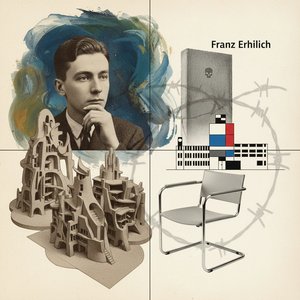 Franz Ehrlich: Bridging Expressionism, Bauhaus & the Shadows of HistoryExplore the life of Franz Ehrlich, a pivotal Bauhaus architect whose career spanned Expressionism, resistance during Nazi Germany, and GDR …